
Charcoal BBQ's
- Relevance
- Price: Low - High
- Price: High - Low
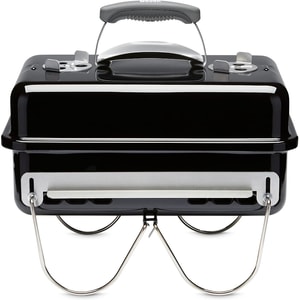
BBQ Style: Portable • Grill Size: 41 × 25 cm • Cooking Capacity: up to 6 burgers
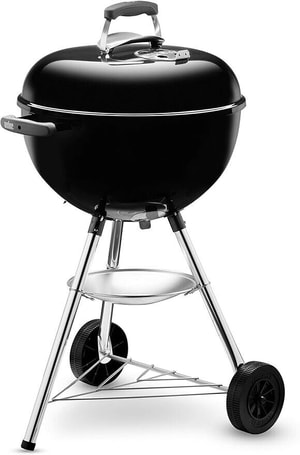
BBQ Style: Kettle • Grill Size: Ø 57 cm • Thermometer: No
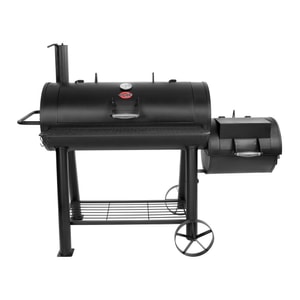
BBQ Style: Barrel + offset smoker • Grill Size: 100 × 46 cm • Thermometer: Yes
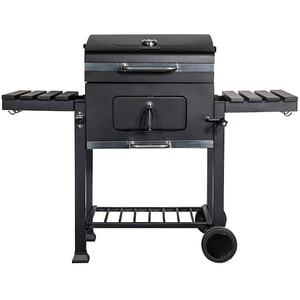
BBQ Style: Barrel • Grill Size: 2 × 28 × 41.5 cm • Cooking Capacity: up to 20 burgers
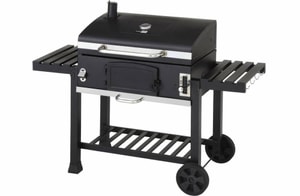
BBQ Style: Portable • Grill Size: 73 × 42.5 cm • Cooking Capacity: up to 16 portions
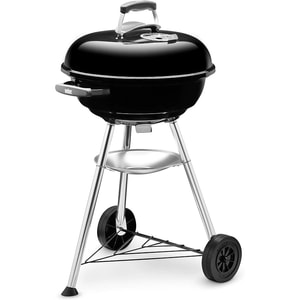
BBQ Style: Kettle • Grill Size: Ø 47 cm • Thermometer: No
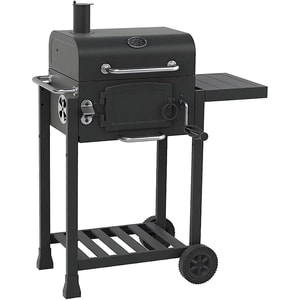
BBQ Style: Portable • Grill Size: 43 × 32 cm • Cooking Capacity: up to 6 portions
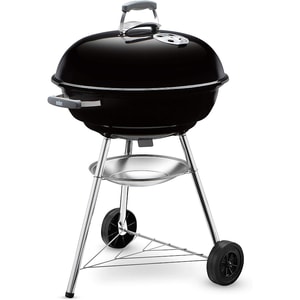
BBQ Style: Kettle • Grill Size: Ø 57 cm • Thermometer: No
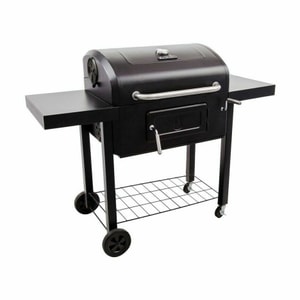
BBQ Style: Barrel • Grill Size: 72.5 × 48 cm • Cooking Capacity: 4-6 people
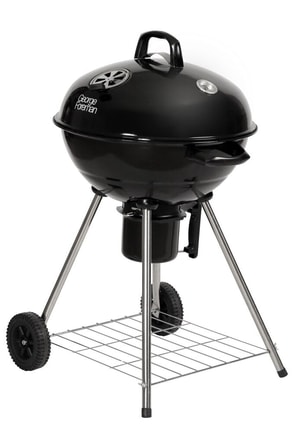
BBQ Style: Kettle • Grill Size: Ø 47.5 cm • Cooking Capacity: 5 portions
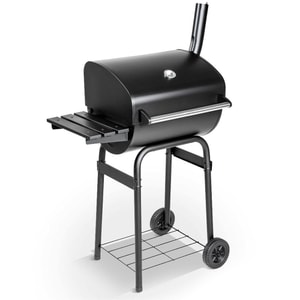
BBQ Style: Barrel • Grill Size: Ø 55.0 cm • Cooking Capacity: 10 portions
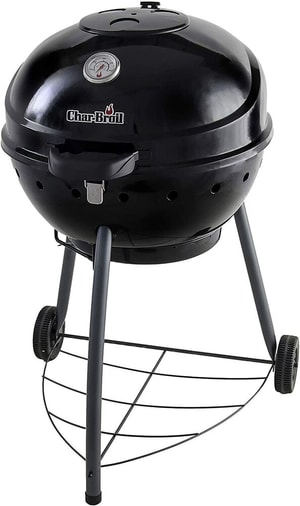
BBQ Style: Kettle • Grill Size: Ø 56 cm • Thermometer: Yes
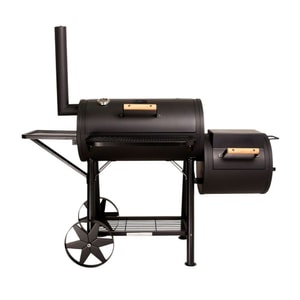
BBQ Style: Barrel + offset smoker • Grill Size: 72 × 42 cm • Thermometer: Yes
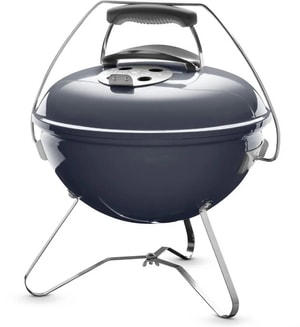
BBQ Style: Portable • Grill Size: Ø 37 cm • Thermometer: No
Charcoal BBQs: the classic smoky choice for outdoor cooking
Charcoal BBQs are the go-to when you want that unmistakable flame-kissed flavour and a bit more involvement in the cook. You control heat with fuel placement and airflow, then use the lid to turn a simple grill into something closer to an outdoor oven. For quick searing you can run the coals hot. For slower cooks, you can hold a steadier temperature by managing vents and keeping a cooler zone. Read More...
The best charcoal barbecue for you depends less on brand hype and more on format, cooking area, and how easy it is to control heat. For the wider outdoor cooking options, see BBQs & BBQ Accessories and the full BBQs section.
Pick the right format: kettle, barrel, smoker-style, or portable
Kettle BBQs are popular because they are versatile: they grill directly over coals and also roast indirectly with the lid down. Barrel charcoal BBQs tend to offer more grill space and working height, which suits bigger gatherings. Smoker-style charcoal BBQs focus on longer, lid-down cooks, with vents and a lid design that supports steadier temperatures for ribs and pulled pork style sessions. Portable charcoal BBQs suit smaller patios or trips away, where storage space and weight matter as much as cooking area.
If you prefer quick ignition and dialled control for midweek cooking, Gas BBQs may suit you better. Charcoal is for flavour and flexibility, but it rewards patience.
What to compare so the BBQ cooks evenly and feels easy to control
Charcoal BBQs can look similar at a glance, yet small design differences change how calmly you can cook. The goal is even heat, predictable airflow and enough space to avoid crowding the grate.
Cooking area and lid design: space creates control
Grill area is not only about feeding more people. It is also how you create zones. When the grate is cramped, food sits too close together, heat builds unevenly and you end up moving items constantly. Extra width helps you keep a hot side for searing and a cooler side for gentler cooking.
A lid is a major advantage. It reduces flare-ups, stabilises heat in the wind, and makes roasting possible. A built-in thermometer can be a useful guide, but the real control comes from airflow and fuel placement rather than chasing a single number.
Venting and airflow: your real temperature dial
Adjustable vents are the difference between “guessing” and “controlling”. More oxygen raises heat. Less oxygen calms the fire. Choose a BBQ where vents are easy to adjust and the lid fits reasonably well, because that is what keeps temperatures steadier on a breezy UK day.
Fuel choice: briquettes versus lumpwood charcoal
Fuel changes the cook. Weber’s guidance is a useful rule of thumb: lump charcoal tends to suit shorter, higher-heat grilling, while briquettes are designed for longer, more consistent burning. Briquettes can feel easier for lid-down cooking. Lumpwood is often chosen when you want a quick, hot fire for steaks and skewers.
Two-zone cooking: the habit that makes charcoal feel less risky
Two-zone cooking is the simplest technique that improves results. You bank coals to one side for a hot zone, and keep the other side cooler for finishing. It helps with chicken, sausages and thicker cuts, where you want browning without burning. It also gives you a safe holding area if flare-ups start.
Practical ownership: cleaning, storage, and safety you can rely on
A charcoal grill is most enjoyable when it feels straightforward to clean and safe to use. Ash management, stability, and sensible day-to-day handling matter as much as grill area.
Ash management and tidy clean-up
An ash catcher or removable ash pan makes cleaning quicker once everything is completely cold. It also helps keep vents clearer, which supports airflow and more predictable temperature control. Grates that lift out easily are another quiet win, because routine cleaning becomes less of a chore.
Build quality and weather protection
Charcoal BBQs live outdoors in UK weather, so materials matter. Porcelain-enamelled bowls and lids resist rust and wipe down well. Solid legs and wheels improve stability when you move the BBQ across a patio or lawn edge. If storage space is tight, folding side shelves can make a bigger difference than you would expect.
Safety and food hygiene: keep it enjoyable and low drama
Fire services are clear on the basics: never use a BBQ indoors or in enclosed spaces because charcoal gives off poisonous carbon monoxide, and do not use a BBQ on a balcony. Position the BBQ on level ground and keep it well away from sheds, fences, and anything else that could catch fire.
Food safety is equally important. The Food Standards Agency emphasises avoiding cross-contamination by keeping raw and cooked foods separate, washing hands and utensils, and cooking meat properly. The FSA states that the centre of food should reach safe cooking temperatures, for example 70°C for 2 minutes or 75°C for 30 seconds, measured with a clean thermometer.
Accessories worth prioritising, without buying clutter
You do not need endless gadgets. A small starter set changes the experience more than most people expect: a chimney starter for quicker, more consistent lighting, long-handled tongs for safe turning, and a probe thermometer if you cook chicken or thicker cuts. If you often cook for a group, a warming rack can help you manage food without stacking everything on one hot spot.
If you want a broader overview of BBQ styles before you choose, this PricePop guide on choosing the perfect BBQ breaks down the main formats and what they suit.