
BBQ's & BBQ Accessories
Ignite your outdoor culinary adventures a new BBQ's & BBQ Accessories. Compare gas, charcoal, and dual fuel BBQs, along with pizza ovens and smokers, to find the perfect grilling solution for every taste.
Choosing a BBQ that fits your space and cooking style
A good barbecue setup is the one you will actually use, not the one with the longest feature list. Start by choosing the fuel type that fits your routine, then pick a size that suits your household and storage space. This guide reflects the buying terms people search for when they are ready to compare, from “2 burner gas bbq” and “portable gas bbq” to “kettle charcoal bbq” and “smoker bbq”. Read More...
Start with fuel: Gas BBQs, Charcoal BBQs, and when dual fuel makes sense
Most buying journeys begin with “gas bbq” versus “charcoal bbq”, because fuel affects flavour, speed, and clean-up.
A gas BBQ is typically chosen for quick start-up and easier midweek cooking. You get predictable heat control, which is useful if you want to cook different foods at the same time without constantly adjusting vents.
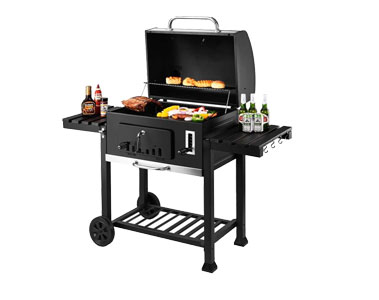
A charcoal BBQ is chosen for the classic smoky character and high-heat searing. It suits people who enjoy the ritual of lighting and managing coals, and it can work well for slower cooks when you build a cooler zone under the lid.
If you like the idea of both, “dual fuel bbq” and hybrid designs are worth considering, but they only make sense if you will genuinely use both modes. A good shortcut is to decide what you will cook most often, then choose the simpler setup that supports it. To browse by fuel type, start with Gas BBQs and Charcoal BBQs.
Size and burners: 2 burner, 3 burner, 4 burner, and what “portable” really means
BBQ size is one of the most common long-tail searches because it determines how easy the grill is to live with.
For gas grills, shoppers often search by burner count:
- 2 burner gas BBQ: suits smaller patios and households that cook for one to four people.
- 3 burner gas BBQ: a common all-round size if you want space for mixed cooking.
- 4 burner gas BBQ: better if you host regularly or want clearer heat zoning.
“Portable gas bbq” usually means a lighter frame and a smaller cooking area that is easier to move and store. If you plan to take it to campsites or use it in different parts of the garden, weight and foldability matter as much as burners.
For charcoal, “kettle charcoal bbq” is popular because it is compact, easy to control with vents, and works well for both grilling and indirect cooking under the lid. “Smoker bbq” searches usually signal a desire for longer, lower-temperature cooks, so look for a stable lid fit and enough space to manage fuel and airflow.
Heat control that actually improves results: direct cooking, indirect cooking, and lid design
A barbecue becomes more versatile when you can cook with both direct cooking and indirect cooking.
Direct cooking is what most people think of first: food over the heat for burgers, sausages, kebabs, and quick vegetables. Indirect cooking uses the lid and a cooler zone to roast and finish thicker cuts more gently.
If you want consistent results, focus on practical controls:
- A lid that seals reasonably well, because it stabilises temperature.
- A built-in thermometer if you cook thicker cuts and want fewer guesswork moments.
- Easy access to adjust vents (charcoal) or burner knobs (gas) without leaning over heat.
Side shelves and a side burner can be useful, but only if you have the space to use them safely.
Placement and safety: small gardens, patios, and avoiding smoke problems
Where the BBQ sits matters. Leave safe clearance from fences, sheds, and overhanging branches, and keep it on a stable, non-combustible surface.
If you are cooking in a small garden or on a tight patio, prioritise a compact footprint and a lid that opens without hitting walls or railings. If you live in a flat, check any building rules and be mindful of smoke and airflow. In practice, gas models are often easier to manage in close spaces, while charcoal needs more attention to smoke direction.
Whatever you choose, plan a safe storage spot when the grill is cool, especially if children are around.
Cleaning and maintenance: what makes a BBQ feel easy to own
Good ownership is mostly about cleaning and protection.
For gas, look for a grease tray that is easy to remove and clean, and a layout that lets you brush grates without awkward corners. For charcoal, ash management matters. An ash catcher or removable ash pan makes a big difference to how often you will tidy up properly.
A protective cover helps when the BBQ lives outside, but it is not a replacement for letting the grill cool and dry before covering. Routine cleaning also helps avoid flare-ups caused by built-up grease.
BBQ accessories that are worth buying first, and what can wait
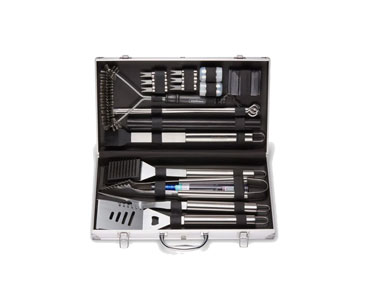
Even though “bbq accessories” is a broad search, most households only need a small starter kit:
- Long-handled tongs and a spatula for safe turning.
- A grill brush for regular cleaning.
- A chimney starter for charcoal, which speeds up lighting without relying on lighter fluid.
- A probe thermometer if you cook chicken, joints, or thicker steaks.
Rotisserie kits, smoker boxes, and pizza oven add-ons can be fun, but they should come after you are happy with the basics of heat control and space.
Prepare the space: linking BBQs to the rest of Garden & Patio
Outdoor cooking often sits alongside other tidy-up jobs. If you want the area to feel ready for use, Pressure Washers & Accessories can help with patios and paths, especially after winter grime. Garden Power Tools are useful for trimming hedges, clearing leaves, and keeping borders neat.
If you are planning a broader refresh, use Garden & Patio as the starting point for the main outdoor categories, then work from the jobs you actually do each week.
Value and common mistakes: spend on usability, not on features you will ignore
It is easy to overpay for features you will not use. Better value usually comes from:
- Choosing the right size for your normal cooking, not your biggest party of the year.
- Paying for stability, sensible controls, and easy cleaning.
- Avoiding unrealistic expectations, such as expecting a very small portable grill to cook for a crowd.
A cheaper BBQ can be the right purchase if you will use it occasionally. If you expect to cook outside often, the grills that feel easiest to light, control, and clean are usually the ones that end up being used week after week.