
Garden Power Tools
Simplify your garden maintenance with efficient garden power tools like leaf blowers, grass trimmers, and garden vacuums. These indispensable tools save time and effort, transforming your outdoor space into a well-maintained haven.
Garden power tools that keep outdoor maintenance manageable
Garden power tools work best when they match the jobs you actually do: edging after mowing, shaping hedges, clearing leaves, or cutting back thicker growth. That is why long-tail searches like “cordless leaf blower”, “leaf blower vacuum”, “battery strimmer”, “long reach hedge trimmer”, and “cordless chainsaw” are so common. They reflect real constraints such as tight corners, limited storage, and the need to finish a job without multiple stops. Read More...
Choose the task first: lawn edges, hedges, leaf clearing, or heavier cutting
Most gardens benefit from one regular tidy-up tool and one seasonal tool.
- For a neat finish after Lawnmowers, Grass Trimmers are the quickest way to tidy borders, posts, and awkward corners.
- If you have hedges, trimming little and often is usually easier than leaving long growth, so a hedge trimmer becomes a routine tool.
- If paths and patios fill with leaf litter, a blower or vacuum can save time compared with repeated sweeping.
- If you cut thicker branches or logs, a chainsaw is the specialist tool, and the buying decision should be safety-led.
Corded, cordless, or petrol: pick a power source you will use confidently
Most buyers choose between corded**, cordless, and petrol tools.
Corded models suit smaller spaces where a socket is nearby and cable management is realistic. Cordless models suit most households because they remove the trailing lead problem, but battery planning matters. If you search for “battery strimmer” or “cordless hedge trimmer”, think about the longest session you want to complete, not the quickest trim. Petrol tools are usually reserved for heavier work or larger gardens where sustained power matters, with the trade-off of more maintenance, fuel handling, and typically higher noise.
If you already own compatible garden tools, staying within one battery platform can reduce cost and clutter because chargers and spare batteries are shared.
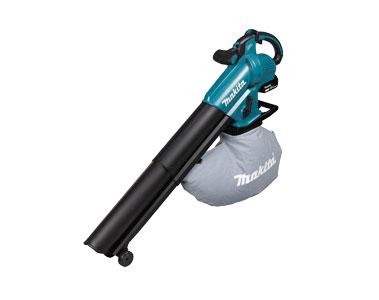
Blowers & Garden Vacs: clear quickly, or collect and mulch for easier disposal
Blowers & Garden Vacs are bought for two different outcomes: moving debris fast, or collecting it. Common searches include “cordless leaf blower”, “leaf blower vacuum”, and “garden vacuum mulcher”.
A leaf blower is best for dry leaves and grit on paths and driveways when you have somewhere sensible to pile debris. A blower vac is more practical when you need to collect leaves, especially in smaller gardens. Mulching functions can reduce volume for composting or binning, but they tend to work best when debris is not soaking wet.
For day-to-day ownership, handling and emptying matter as much as airflow. A comfortable grip and an easy-to-empty bag often make the difference between a tool you use for five minutes and one you avoid.
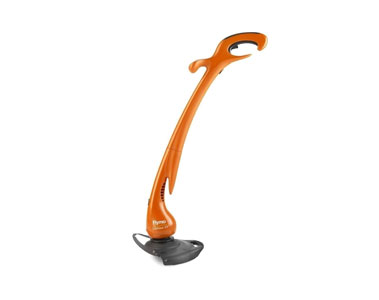
Grass Trimmers: edging control, line feeding, and “strimmer” searches
Grass Trimmers are a finishing tool, so precision and comfort matter more than brute power. Many people search for a “corded strimmer” or “battery strimmer”, but the practical choice is about the cutting head and how the tool balances in your hands.
Line trimmers suit most edging and light growth around beds and fences. Cordless models are popular for corners where leads snag, while corded models can suit small gardens where continuous runtime matters.
Two details often decide whether edging feels easy: how line is fed and replaced, and whether the head angle adjusts smoothly for borders and vertical edges.
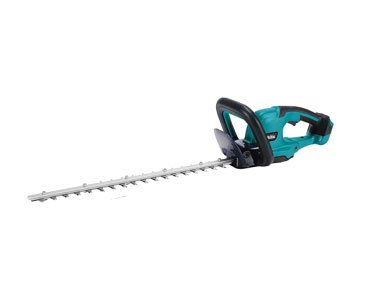
Hedge Trimmers: blade length, tooth gap, and long reach hedge work
Hedge Trimmers are commonly searched by reach, including “pole hedge trimmer” and “long reach hedge trimmer”. For routine shaping, focus on blade length and comfort, because you spend longer holding the tool than you expect. For thicker stems, the **tooth gap** and cutting capacity matter more than blade length alone. Long reach tools can help with taller hedges, but they are typically heavier, so control and balance should be a priority.
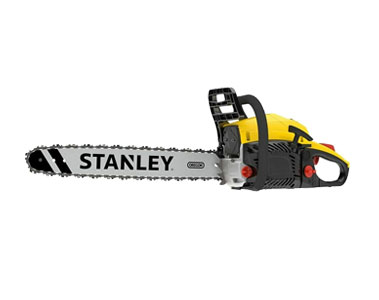
Chainsaws: choose for the job, and keep it safety-first
Long-tail searches such as “cordless chainsaw”, “mini chainsaw”, and “petrol chainsaw for logs” usually point to different jobs. Cordless models suit pruning and lighter log cutting with convenient starting. Petrol models are more likely to be chosen for heavier cutting and sustained work, but they demand more maintenance and careful storage. Mini chainsaw tools may suit smaller pruning tasks, but they still need safe handling and protective equipment.
When comparing Chainsaws, prioritise safety features, ergonomics, and suitability for the work you actually need to do. If you are unsure, consider whether a professional or a different tool category is the safer choice.
Build a complete routine: tidy edges, then refresh patios and paths
Garden jobs often come in bundles. After mowing and edging, a quick clear of debris keeps the garden usable, and Pressure Washers & Accessories can help refresh patios and paths where grime builds up. If you are planning a broader refresh across multiple areas, Garden & Patio is the simplest way to navigate the full set of outdoor categories and plan purchases in a sensible order.
Value and common mistakes: spend on handling and reach, not headline specs
Garden tool regrets are usually predictable. Buying too heavy a tool makes it less likely you will use it regularly. Underestimating battery planning can turn cordless convenience into a stop-start job. Choosing the largest blade or highest power on paper can backfire if it is hard to control in tight borders and corners. Good value usually comes from choosing the right tool type first, then paying for handling, reach, and the features that reduce hassle in your routine.