
Chainsaws
- Relevance
- Price: Low - High
- Price: High - Low
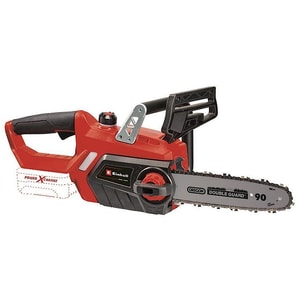
Power Source: Cordless • Power Rating: 18 V • Bar Length: 25 cm
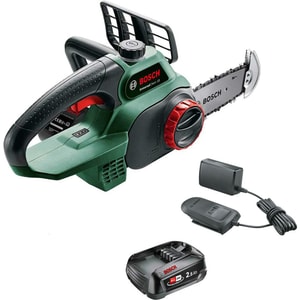
Power Source: Cordless • Power Rating: 18 V • Bar Length: 20 cm
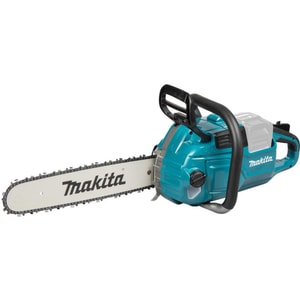
Power Source: Cordless • Power Rating: 40 V • Bar Length: 50 cm
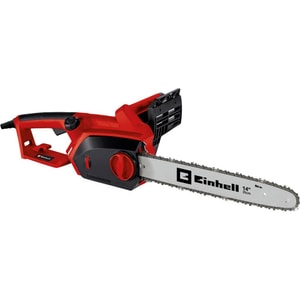
Power Source: Corded • Power Rating: 1800 W • Bar Length: 35 cm
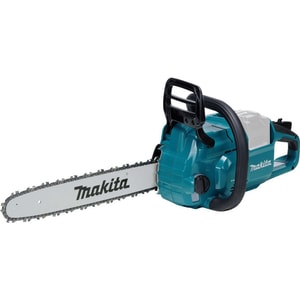
Power Source: Cordless • Power Rating: 40 V • Bar Length: 40 cm
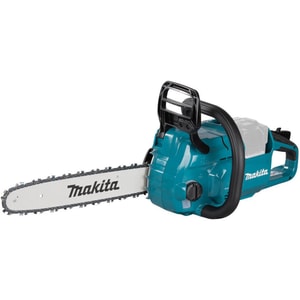
Power Source: Cordless • Power Rating: 40 V • Bar Length: 35 cm
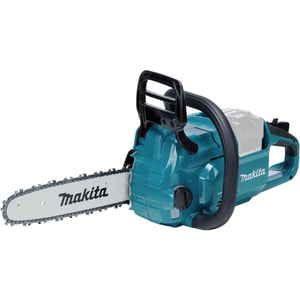
Power Source: Cordless • Power Rating: 40 V • Bar Length: 30 cm
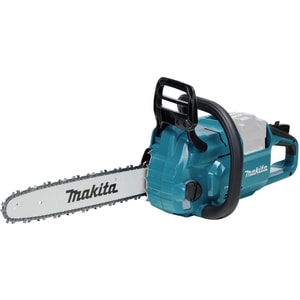
Power Source: Cordless • Power Rating: 40 V • Bar Length: 35 cm
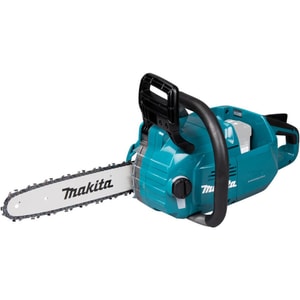
Power Source: Cordless • Power Rating: 40 V • Bar Length: 30 cm
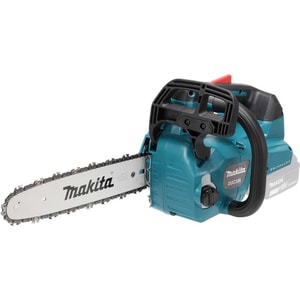
Power Source: Cordless • Power Rating: 2 x 18 V • Bar Length: 30 cm
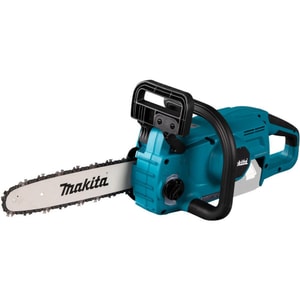
Power Source: Cordless • Power Rating: 18 V • Bar Length: 30 cm
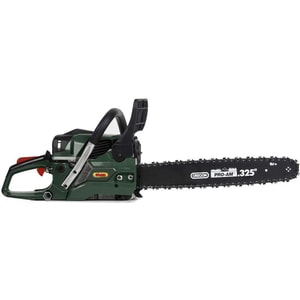
Power Source: Petrol • Power Rating: 50 cc • Bar Length: 44 cm
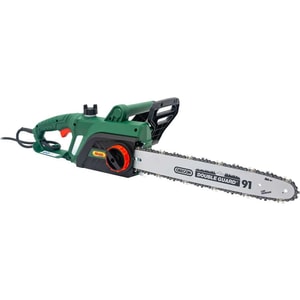
Power Source: Corded • Power Rating: 2200 W • Bar Length: 40 cm
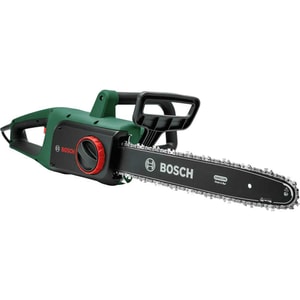
Power Source: Corded • Power Rating: 1800 W • Bar Length: 35 cm
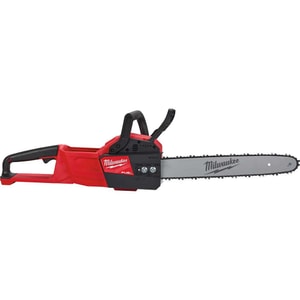
Power Source: Cordless • Power Rating: 18 V • Bar Length: 40 cm
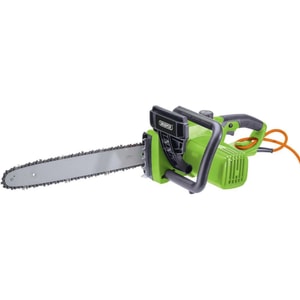
Power Source: Corded • Power Rating: 2200 W • Bar Length: 40 cm
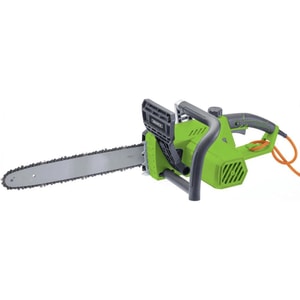
Power Source: Corded • Power Rating: 1800 W • Bar Length: 35 cm
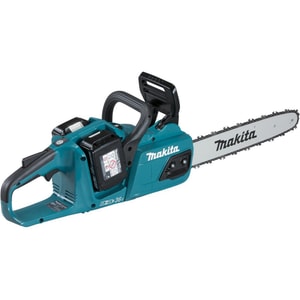
Power Source: Cordless • Power Rating: 2 x 18 V • Bar Length: 35 cm
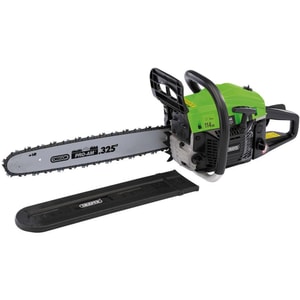
Power Source: Petrol • Power Rating: 45 cc • Bar Length: 45 cm
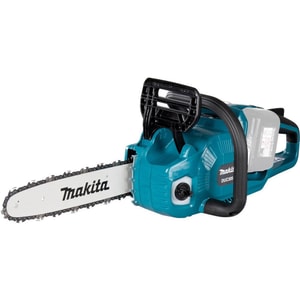
Power Source: Cordless • Power Rating: 2 x 18 V • Bar Length: 30 cm
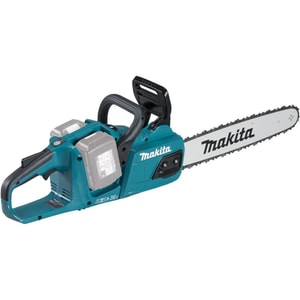
Power Source: Cordless • Power Rating: 2 x 18 V • Bar Length: 40 cm
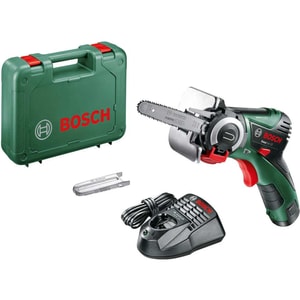
Power Source: Cordless • Power Rating: 12 V • Weight: 0.9 kg
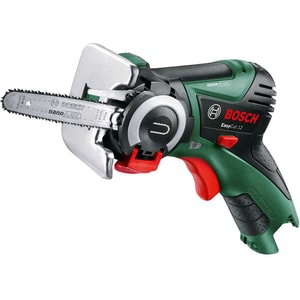
Power Source: Cordless • Power Rating: 12 V • Weight: 0.8 kg
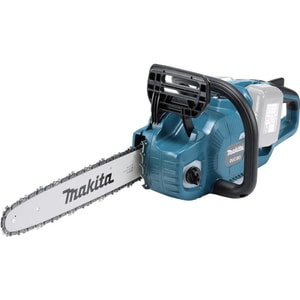
Power Source: Cordless • Power Rating: 36 V • Bar Length: 35 cm
Chainsaws for garden jobs: logs, thick branches, and serious cut-back work
A chainsaw is the specialist tool for cutting thicker wood quickly, whether you are tidying storm-damaged branches, cutting logs for firewood, or dealing with woody growth that is beyond the reach of hedge trimmers. UK buyers typically search by power type and job size, including cordless chainsaw, electric chainsaw, petrol chainsaw, and mini chainsaw for pruning. The best match depends on how often you will use it, how mobile you need to be, and how much control you want in your hands. Read More...
Best for:
- Cutting logs and rounds for firewood, where repeated cuts need steady power
- Removing thicker branches that a hedge trimmer cannot cut cleanly
- One-off garden jobs where speed matters, provided you treat it as a safety-first purchase
Start with the job: pruning versus log cutting
For lighter garden jobs, pruning and mini chainsaws can suit occasional branch work where a full-size bar feels awkward. For regular log cutting or thicker branches, a standard rear-handle design tends to feel steadier and more controlled, especially when you are working from stable ground.
Types of chainsaw: pruning models, rear-handle saws, and why top-handle is specialist
For most home gardens, a rear-handle chainsaw is the sensible default. It is designed to be held with two hands from stable ground, giving better control for general cutting and a calmer feel when the wood does not sit perfectly.
Top-handled chainsaws are a different category. They are associated with arboricultural off-ground work, and they are not designed as a general home-garden saw. If you are buying for typical DIY tasks, prioritise a rear-handle design for stability and safer ergonomics.
What “control” looks like in practice
Control usually comes from balance in the hands, clear grip positions, and a bar length that suits your typical cuts. A saw that feels predictable is easier to use accurately, and it is also easier to stop and reposition safely between cuts.
Power choices: corded electric, cordless, and petrol chainsaws
The power-source decision is mostly about session length and convenience. Decide how long you want to cut for in one go, and whether you need to work far from a plug.
Corded electric chainsaws: predictable power where a socket is close
Corded electric chainsaws can be a practical option for occasional log cutting and basic garden work, particularly on smaller properties. The trade-off is reach. If your wood pile is far from the house or you will move around trees and borders, the cable can become the limiting factor.
Cordless chainsaws: the convenient all-rounder for many households
Cordless chainsaws remove the trailing cable problem while staying lower-maintenance than petrol. For pruning, cutting smaller logs, and general garden tasks, the convenience is hard to beat. If you already own compatible cordless garden tools, choosing the same battery platform can reduce clutter because chargers and spare batteries can be shared.
Battery planning matters. Higher power settings can shorten runtime, so choose with enough margin to finish your typical session without it becoming stop-start. A balanced saw that feels controlled is usually more useful than a heavier model that looks impressive on paper.
Petrol chainsaws: sustained cutting for heavier work
Petrol chainsaws are typically chosen for longer sessions, heavier log cutting, or work away from any power source. They can be effective when you need sustained output, but the trade-offs are higher noise, more maintenance, fuel handling, and often more weight. If you only cut occasionally, cordless or corded models may feel easier to live with.
What to compare and own safely: bar length, upkeep features, and safety-first checks
Chainsaw listings can feel technical, but a few specifications and ownership features make a predictable difference to real-world use and confidence.
Bar length and manoeuvrability: choose control first
Bar length influences the size of wood you can tackle, but longer bars can be harder to control in a typical garden. Many home tasks involve awkward positions such as cutting close to the ground, trimming stacked logs, or working around branches that do not sit neatly. A bar length you can control cleanly often produces better results and tends to feel safer, especially for less frequent users.
Everyday features that keep performance predictable
A chainsaw cuts best when the chain is correctly tensioned, well lubricated, and sharp. Features that make routine checks realistic are worth prioritising, such as automatic chain oiling, tool-free chain tensioning, and clear access for cleaning. The easier the saw is to keep in good condition, the more predictable it feels in use.
Kickback awareness and core safety features
Kickback is a key risk people research before buying. In plain terms, it is a sudden upward and backward movement of the bar that can happen if the nose of the guide bar contacts something unexpectedly. A working chain brake and a low-kickback setup are important parts of reducing risk, alongside choosing a saw that feels stable in your hands.
Training, protective kit, and protected-tree checks
Chainsaw work can cause severe injury, so safety-led ownership matters. Appropriate protective equipment is widely recommended for chainsaw tasks, including head, eye, and hearing protection, plus chainsaw protective trousers and boots. If you have not used a chainsaw before, training or professional help is a sensible step, especially for larger cuts.
Before cutting a tree, check whether it is protected by a Tree Preservation Order or located in a conservation area, where permission may be required. If you are unsure, postpone the work and check first.
Clean-up and the tools that complete the job
Chainsaw work creates a mix of sawdust, chips, and leafy debris. A tidy clear-up makes paths safer and stops material being trodden indoors. For quick clearing on patios and driveways, a Blowers & Garden Vacs is a natural companion. If your goal is to shape hedges after removing thicker branches, Hedge Trimmers help keep softer growth crisp. For a neat finish along borders after heavier cutting is done, Grass Trimmers tidy edges and awkward corners. If you are building a broader year-round toolkit, Garden Power Tools is the best place to compare adjacent categories.