
Blowers & Garden Vacs
- Relevance
- Price: Low - High
- Price: High - Low
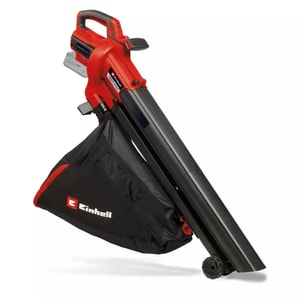
Power Source: Cordless • Power Rating: 18 V • Functions: Leaf Blower + Vacuum + Mulch
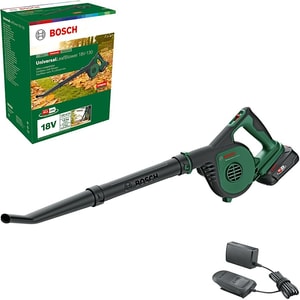
Power Source: Cordless • Power Rating: 18 V • Functions: Leaf Blower
Power Source: Cordless • Power Rating: 18 V • Functions: Leaf Blower
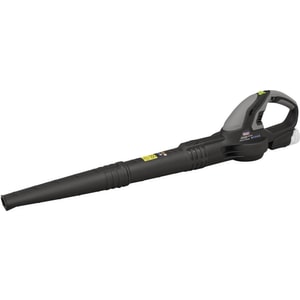
Power Source: Cordless • Power Rating: 10.8 V • Functions: Leaf Blower
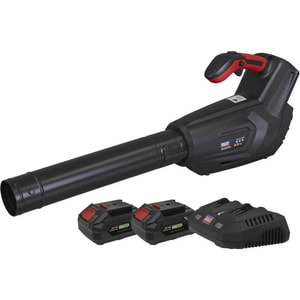
Power Source: Cordless • Power Rating: 40 V • Functions: Leaf Blower
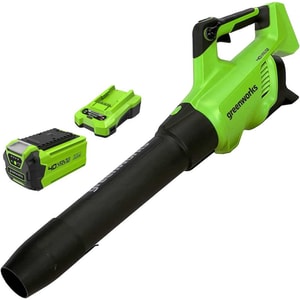
Power Source: Cordless • Power Rating: 40 V • Functions: Leaf Blower
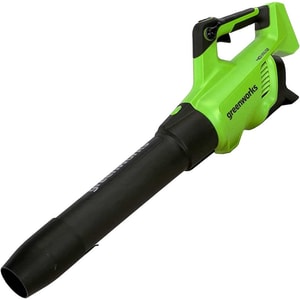
Power Source: Cordless • Power Rating: 40 V • Functions: Leaf Blower
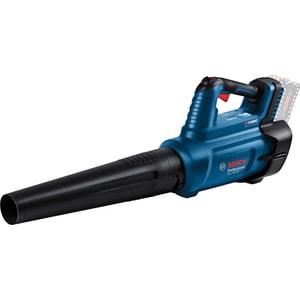
Power Source: Cordless • Power Rating: 18 V • Functions: Leaf Blower
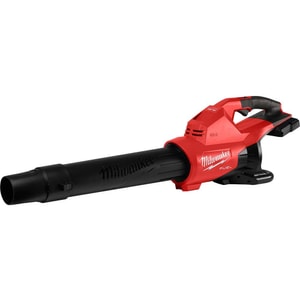
Power Source: Cordless • Power Rating: 18 V • Functions: Leaf Blower
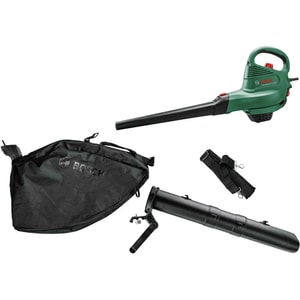
Power Source: Corded • Power Rating: 1600 - 2300 W • Functions: Leaf Blower + Vacuum + Mulch
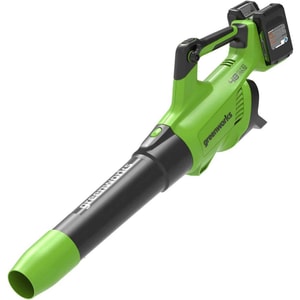
Power Source: Cordless • Power Rating: 48 V • Functions: Leaf Blower
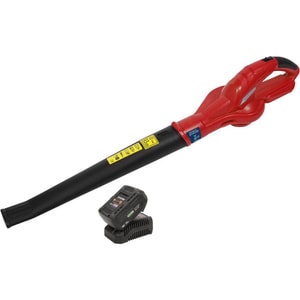
Power Source: Cordless • Power Rating: 20 V • Functions: Leaf Blower
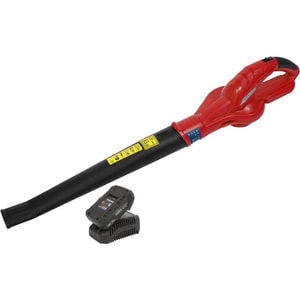
Power Source: Cordless • Power Rating: 20 V • Functions: Leaf Blower
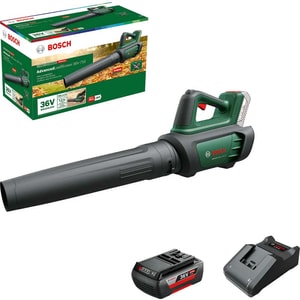
Power Source: Cordless • Power Rating: 36 V • Functions: Leaf Blower
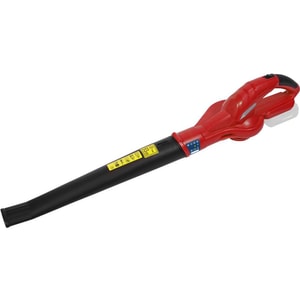
Power Source: Cordless • Power Rating: 20 V • Functions: Leaf Blower
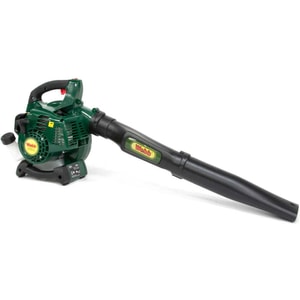
Power Source: Petrol • Power Rating: 26 cc • Functions: Leaf Blower + Vacuum + Mulch
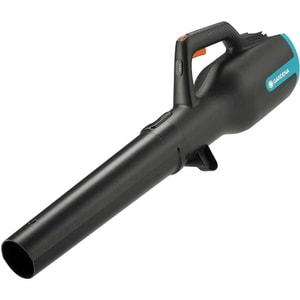
Power Source: Cordless • Power Rating: 18 V • Functions: Leaf Blower
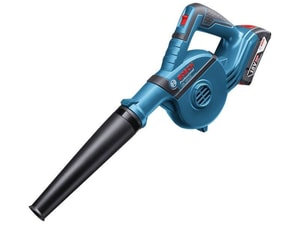
Power Source: Cordless • Power Rating: 18 V • Functions: Leaf Blower
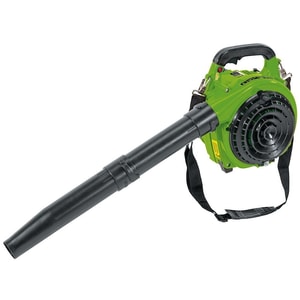
Power Source: Petrol • Power Rating: 25.4 cc • Functions: Leaf Blower + Vacuum
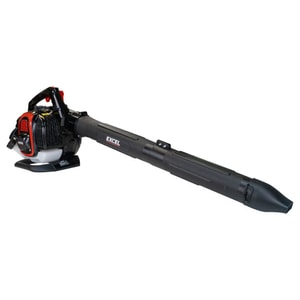
Power Source: Petrol • Power Rating: 25cc • Functions: Leaf Blower + Vacuum + Mulch
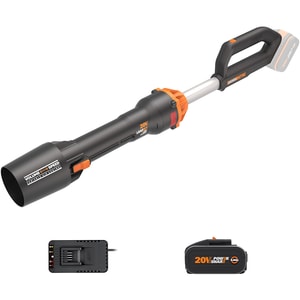
Power Source: Cordless • Power Rating: 20 V • Functions: Leaf Blower
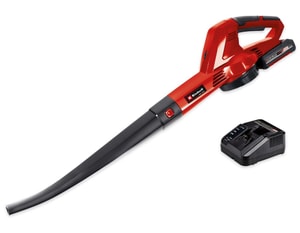
Power Source: Cordless • Power Rating: 18 V • Functions: Leaf Blower
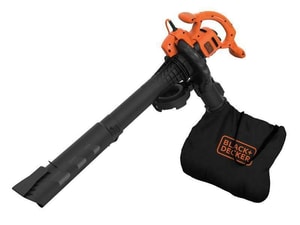
Power Source: Corded • Power Rating: 2600 W • Functions: Leaf Blower + Vacuum + Mulch
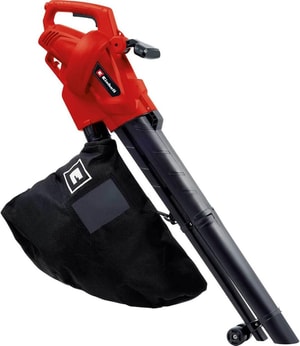
Power Source: Corded • Power Rating: 3000 W • Functions: Leaf Blower + Vacuum + Mulch
Blowers & garden vacs: clear leaves quickly, or collect and mulch for easier disposal
A leaf blower is made to shift leaves and light debris off paths, patios and driveways fast. A garden vac does the opposite job: it collects leaves into a bag, often shredding them as it goes. That is why UK buyers commonly search for “leaf blower vacuum”, “blower vac”, and “garden vacuum mulcher” as well as “cordless leaf blower” and “petrol leaf blower”. Read More...
Best for:
- Quick clear-ups on hard surfaces, especially when leaves are dry
- Tidy collection in smaller gardens where you cannot just blow debris into a corner
- Autumn clean-ups where mulching reduces the volume you need to dispose of
Leaf blower, blower vac, or 3-in-1: choose by what happens to the leaves
If your priority is speed, a blower is the simplest tool. It is ideal when you have a sensible place to move debris to, and you are happy to gather it afterwards. A blower vac is usually the better choice when you want a cleaner finish along steps, gravel borders, and tight corners, because it collects leaves rather than relocating them.
Many blower vacs also shred leaves before they enter the bag. This is where mulching ratios matter. A higher ratio means the tool reduces leaf volume more aggressively, so you empty less often and the material is easier to compost or bin.
Corded, cordless, or petrol: pick the power source you will actually use
Corded models suit smaller gardens where a socket is nearby and cable reach is realistic. They offer continuous runtime and are usually lighter on maintenance. Cordless leaf blowers are popular for typical UK homes because they remove the trailing lead problem, but runtime depends heavily on power setting. If you want a calm experience, plan for the longest session you want to complete, not the quickest tidy.
Petrol blowers and petrol blower vacs are generally chosen for larger spaces and heavier debris where sustained power matters. The trade-offs are fuel handling, more maintenance, and typically higher noise.
Specs that matter: airflow, air speed, mulching ratio, and handling
On product listings you will see headline numbers, but the buying decision is usually about how quickly the tool clears your typical debris and how comfortable it feels for 10 to 20 minutes at a time.
Air speed and airflow: balance matters, and the nozzle changes the result
Air speed relates to how forcefully the tool can lift and shift debris, while airflow is the volume of air moving through the tube. You will often see air speed shown as mph or m/s, and airflow shown as m³/h. In practice, the best performance is often a balance of both. Nozzle shape matters too. A narrower outlet can create a more focused jet to shift stubborn leaf matter from corners, while a wider aperture can feel easier for general sweeping but less precise.
Variable speed control is useful in real gardens. It lets you be gentler around borders and gravel, then turn up power for heavier patches, instead of blasting everything at full force all the time.
Vacuuming and mulching: compare the numbers that reduce emptying
If you are buying a garden vacuum mulcher, compare the stated mulching ratio and the bag capacity together. A larger bag is handy, but leaves become heavy quickly when damp, so comfort matters as much as litres.
As a guide to what you will see in this category, popular blower vacs quote reductions such as 12:1 and 16:1, meaning the tool compacts leaves to a fraction of their original volume. That difference can reduce how often you stop to empty the bag during a full tidy-up.
Handling, weight, and storage: the details that decide whether you enjoy it
For blowers, balanced weight and a trigger you can hold comfortably matter more than people expect. For blower vacs, check whether the vacuum tube uses wheels or a support, because dragging a full bag over paving can become tiring. Shoulder straps help when vacuuming for longer periods, and tool-less mode changes are a genuine quality-of-life feature if you switch between blowing and vacuuming often.
Storage is worth thinking about up front. Detachable tubes, hooks, and compact designs suit smaller sheds. If your garden is larger and you clear for longer stretches, backpack models can spread weight better, but they take more space.
Practical ownership: noise, vibration, and considerate use
Blowers are straightforward tools, but noise and vibration are the two real-world factors that tend to decide whether ownership feels pleasant, especially in smaller UK gardens.
Noise labels and neighbours: choose with sound power in mind
Some outdoor equipment is required to display a guaranteed sound power level label, so noise can be compared more objectively than you might think. If you live close to neighbours, a quieter tool and sensible timing make a difference, particularly during early mornings and evenings when sound carries.
Vibration and longer sessions: comfort is not a luxury
Regular and frequent exposure to hand-arm vibration can lead to health effects. That is mainly a concern for professional users, but it is still worth choosing a tool that feels controlled and comfortable. A better grip, lower vibration design, and taking breaks during longer tidy-ups can keep the job feeling easy rather than harsh on your hands and arms.
Build a tidy routine around leaf clearing
Leaf clearing often sits alongside edging, trimming and surface cleaning. For a clean finish around borders and fences, Grass Trimmers complement blowers nicely. If hedges are part of your garden, Hedge Trimmers help reduce the amount of debris you deal with later. Once patios and paths are clear of leaf litter and grit, Pressure Washers & Accessories can lift built-up grime from hard surfaces once debris is cleared.
If you want to compare the wider set of tools that sit alongside blowers in a year-round routine, Garden Power Tools is the simplest way to navigate adjacent categories.