
Hedge Trimmers
- Relevance
- Price: Low - High
- Price: High - Low
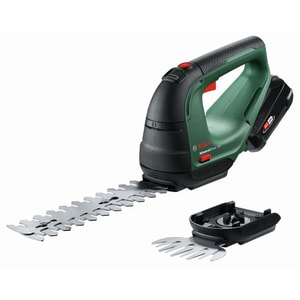
Trimmer Type: Shrub trimmer • Power Source: Cordless • Power Rating: 18 V
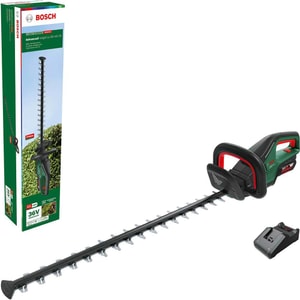
Trimmer Type: Hedge trimmer • Power Source: Cordless • Power Rating: 36 V
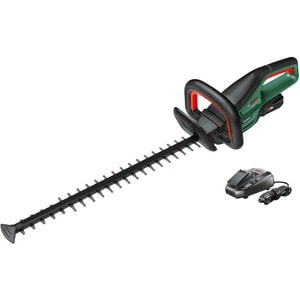
Trimmer Type: Hedge trimmer • Power Source: Cordless • Power Rating: 18 V
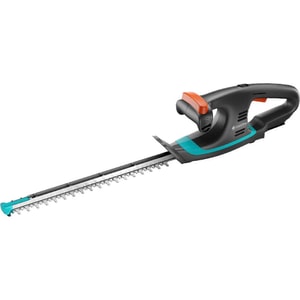
Trimmer Type: Hedge trimmer • Power Source: Cordless • Power Rating: 18 V
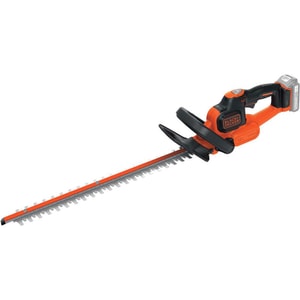
Trimmer Type: Hedge trimmer • Power Source: Cordless • Power Rating: 18 V
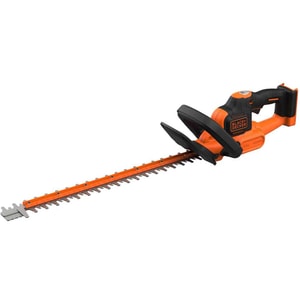
Trimmer Type: Hedge trimmer • Power Source: Cordless • Power Rating: 36 V
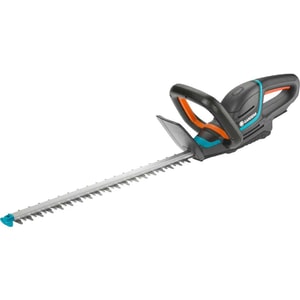
Trimmer Type: Hedge trimmer • Power Source: Cordless • Power Rating: 18 V
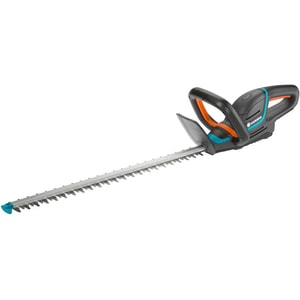
Trimmer Type: Hedge trimmer • Power Source: Cordless • Power Rating: 18 V
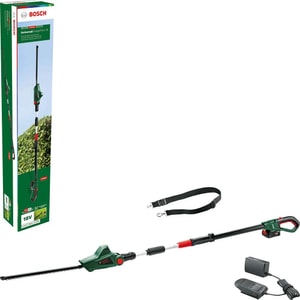
Trimmer Type: Pole hedge trimmer • Power Source: Cordless • Power Rating: 18 V
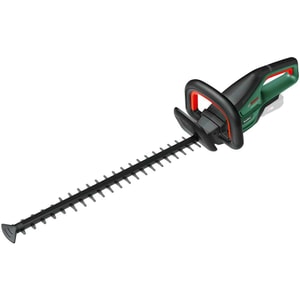
Trimmer Type: Hedge trimmer • Power Source: Cordless • Power Rating: 18 V
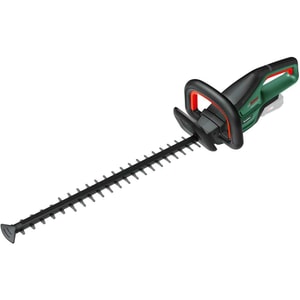
Trimmer Type: Hedge trimmer • Power Source: Cordless • Power Rating: 18 V
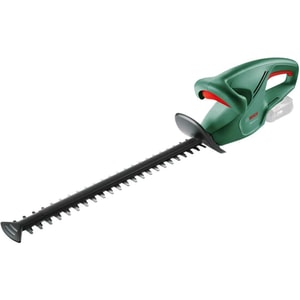
Trimmer Type: Hedge trimmer • Power Source: Cordless • Power Rating: 18 V
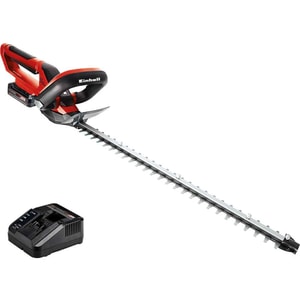
Trimmer Type: Hedge trimmer • Power Source: Cordless • Power Rating: 18 V
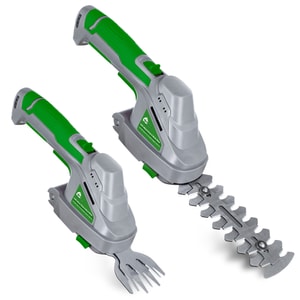
Trimmer Type: Shrub trimmer • Power Source: Cordless • Power Rating: 3.6 V
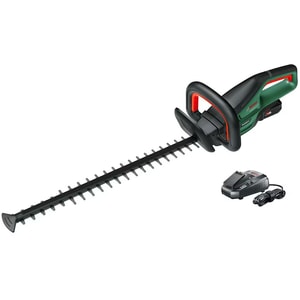
Trimmer Type: Hedge trimmer • Power Source: Cordless • Power Rating: 18 V
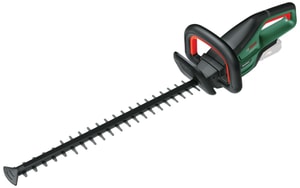
Trimmer Type: Hedge trimmer • Power Source: Cordless • Power Rating: 18 V
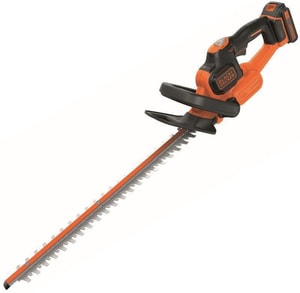
Trimmer Type: Hedge trimmer • Power Source: Cordless • Power Rating: 18 V
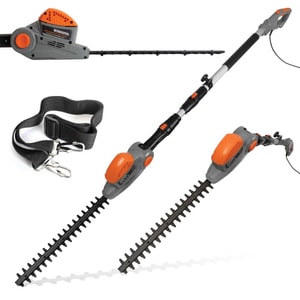
Trimmer Type: Pole hedge trimmer • Power Source: Corded • Power Rating: 550 W
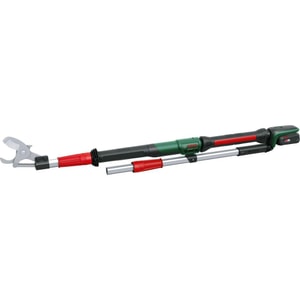
Trimmer Type: Shrub trimmer • Power Source: Cordless • Power Rating: 18 V
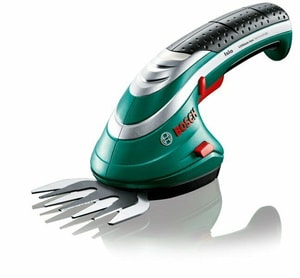
Trimmer Type: Shrub trimmer • Power Source: Cordless • Power Rating: 3.6 V
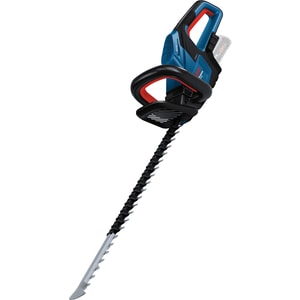
Trimmer Type: Hedge trimmer • Power Source: Cordless • Power Rating: 18 V
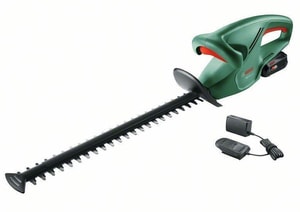
Trimmer Type: Hedge trimmer • Power Source: Cordless • Power Rating: 18 V
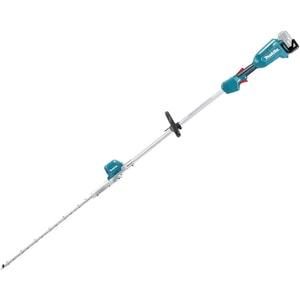
Trimmer Type: Pole hedge trimmer • Power Source: Cordless • Power Rating: 18 V
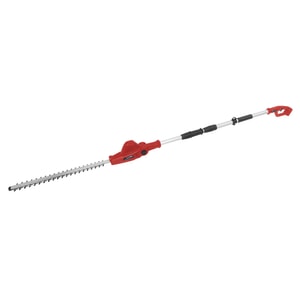
Trimmer Type: Pole hedge trimmer • Power Source: Cordless • Power Rating: 20 V
Hedge trimmers: keep hedges neat, shaping simple, and borders under control
A hedge trimmer, sometimes searched as a hedge cutter in the UK, is designed for routine shaping and regular tidy-ups. It straightens the top line, keeps sides crisp, and stops fast growth from swallowing paths, driveways, and borders. The best hedge trimmer is the one that feels stable in your hands, matches the height of your hedges, and can cut your typical growth cleanly without snagging. Read More...
Best for:
- Routine trimming of established hedges and shrubs
- Keeping boundaries and screens tidy through the growing season
- Clearing overhang so paths and planting beds stay usable
Choose the type first: standard, long reach, or compact shrub trimmer
Standard hedge trimmers suit most gardens. They balance reach and control for side faces and the top of an average hedge. Long reach hedge trimmers, also called pole hedge trimmers or telescopic hedge trimmers, are designed for taller hedges and awkward angles, helping you work from the ground with less stretching. Compact shrub trimmers and smaller hedge cutters suit lighter shaping and detail work on smaller plants, but they are not built for long runs of dense growth.
Corded, cordless, or petrol: pick what you will actually use confidently
The right power source is the one that fits your space and your routine.
Corded electric hedge trimmers suit smaller gardens where a socket is nearby and cable management is realistic. Cordless hedge trimmers are popular for typical UK gardens because they remove the trailing lead problem and make quick trims genuinely quick. If you already own compatible garden tools, staying within one battery platform can reduce clutter because chargers and spare batteries are shared.
Petrol hedge trimmers are usually chosen for longer sessions or tougher conditions where sustained power matters. The trade-offs are higher noise, more weight, fuel handling, and more maintenance. For many households, cordless is the practical sweet spot.
Battery planning in real terms
With cordless models, think in sessions: can you complete the trim you actually do most often, not just a quick pass. Runtime varies with hedge density and how hard you push into thicker growth. If you want a calmer experience, choose with margin and prioritise balance, because fatigue is what makes accuracy slip and puts pressure on wrists and shoulders.
What to compare: blade length, tooth gap, and the features that protect cut quality
Hedge trimmer listings include plenty of numbers, but a few specifications consistently predict whether the tool will feel precise and capable.
Blade length and manoeuvrability
Longer blades can cover more hedge per pass, which suits long, straight runs. Shorter blades can feel more accurate around curves, corners, and smaller shrubs. In real gardens, control often beats maximum length, especially close to paths, fences, and flower borders where a slip is obvious. If your hedges have tight turns or you are shaping around features, a slightly shorter, more controllable blade can produce a cleaner finish with less rework.
Tooth gap and cutting capacity
Tooth gap is the spacing between the blade teeth. A wider tooth gap is designed to accept thicker stems, while a narrower tooth gap suits softer, newer growth. This becomes important on established hedges, and on fast-growing conifers where older stems can be tougher than you expect. When tooth gap and cutting capacity are mismatched to your hedge, the trimmer can struggle, snag, and tear rather than slice cleanly.
If you routinely face woody branches rather than hedge growth, it is usually safer and more effective to use the right category of tool. For branch work and thicker cuts, Chainsaws are typically the better match, with a safety-led mindset.
Comfort features that improve accuracy
Comfort is performance with hedge trimming. Dual-action blades and anti-vibration designs can make longer sessions feel steadier, and a rotating rear handle can help you keep a natural wrist position when moving from vertical sides to the hedge top. On long reach models, head angle adjustment matters because it decides how naturally you can trim the top line without twisting your shoulders. These are the features that keep the finish neat, especially when you are tidying multiple hedges in one go.
People-first ownership: timing, safety, wildlife, and tidy finishing
A hedge trimmer is a cutting tool used close to the body and often near fences, paving, and planting. Responsible habits matter, and they also help you get a better finish.
Wildlife and nesting season
Hedges are a common nesting place for birds. A responsible approach is to avoid cutting between March and September when nesting is most likely, and to check carefully for nests if you do need to trim within that window. For certain hedgerows covered by the Management of Hedgerows rules in England, there is also a restriction on cutting and trimming from 1 March to 31 August, subject to specific exemptions.
Protective kit and calm working habits
Eye protection and suitable gloves help protect against flicked twigs and thorny clippings. Keep a stable stance, use two-handed control, and take breaks if you feel accuracy dropping. For long reach tools, choose steady control over maximum pace. A slower, calmer trim nearly always looks better than rushing and then having to correct wavy lines.
Clean-up and the finished look
Hedge trimming produces more debris than people expect, particularly after the first cut of the season. Clearing clippings quickly keeps paths safe and prevents leaves being trodden indoors. This is where Blowers & Garden Vacs are a helpful companion tool, especially if you trim several hedges and want a tidy result without repeated sweeping.
Build a tidy routine around hedges
Hedges tend to look best when they are trimmed little and often, rather than cut back hard once a year. Pairing tools keeps the whole garden looking consistent. If you want lawn edges to look as crisp as the hedge line, Grass Trimmers are the finishing tool for borders, posts, and awkward corners after mowing. If you are building out your outdoor tool set over time, Garden Power Tools is the best hub to compare adjacent categories in one place.