
Hot Brushes & Air Stylers
- Relevance
- Price: Low - High
- Price: High - Low
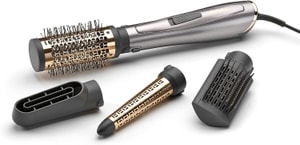
Power: 1000 W • Heat Settings: 2 heat settings • Speed settings: 2 speed settings
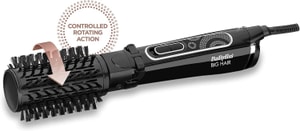
Power: 700 W • Heat Settings: 2 heat settings • Speed settings: 2 speed settings
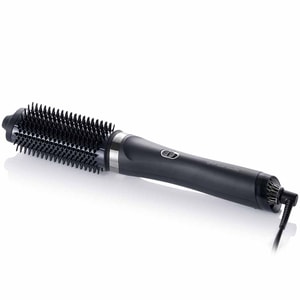
Power: 460 W • Heat Settings: 1 heat setting • Speed settings: 1 speed setting
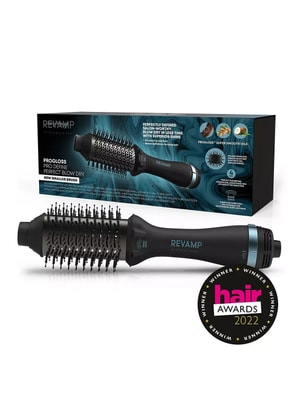
Power: 1000 W • Heat Settings: 3 heat settings • Speed settings: 3 speed settings
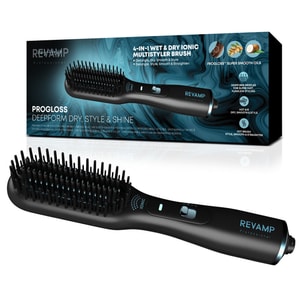
Power: 550 W • Heat Settings: 3 heat settings • Speed settings: 3 speed settings
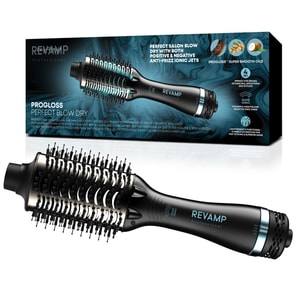
Power: 1200 W • Heat Settings: 3 heat settings • Speed settings: 3 speed settings
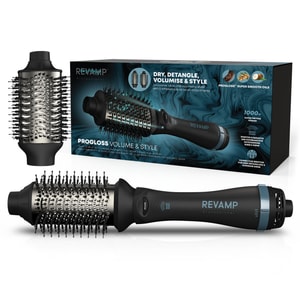
Power: 1000 W • Heat Settings: 3 heat settings • Speed settings: 3 speed settings
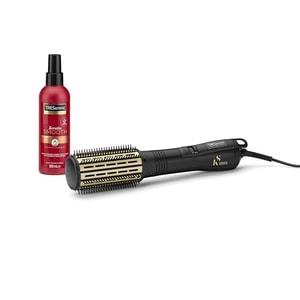
Power: 700 W • Heat Settings: 3 heat settings • Speed settings: 1 speed setting
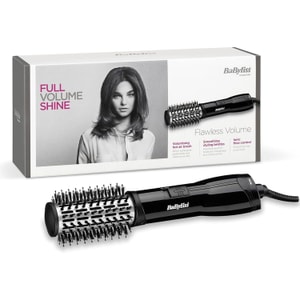
Power: 500 W • Heat Settings: 2 heat settings • Speed settings: 1 speed setting
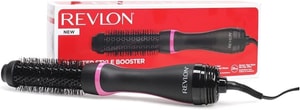
Power: 820 W • Heat Settings: 3 heat settings • Speed settings: 3 speed settings
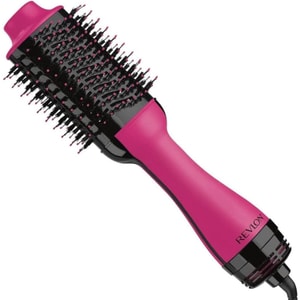
Power: 820 W • Heat Settings: 3 heat settings • Speed settings: 2 speed settings
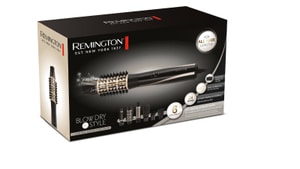
Power: 1200 W • Heat Settings: 2 heat settings • Speed settings: 2 speed settings
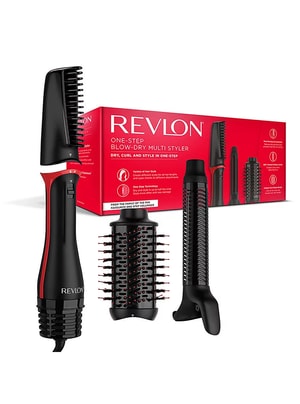
Power: 1100 W • Heat Settings: 4 heat settings (Low/Med/High/Cool) • Speed settings: 2 speed settings
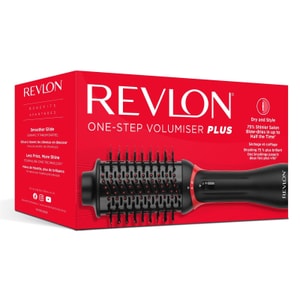
Power: 820 W • Heat Settings: 4 heat settings • Speed settings: 3 speed settings
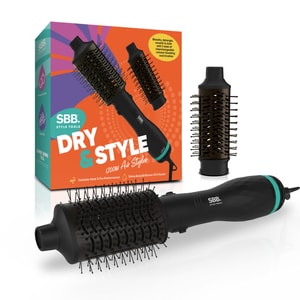
Power: 1200 W • Heat Settings: 3 heat settings • Speed settings: 3 speed settings
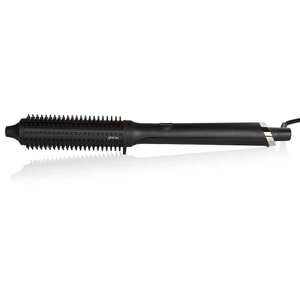
Heat Settings: 1 heat setting • Brush Shape: Round barrel • Corded / cordless: Corded
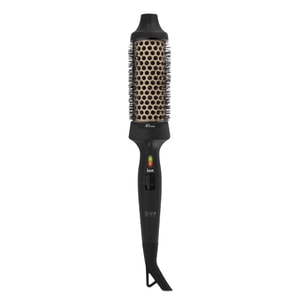
Heat Settings: 1 heat setting • Brush Shape: Round barrel • Corded / cordless: Corded
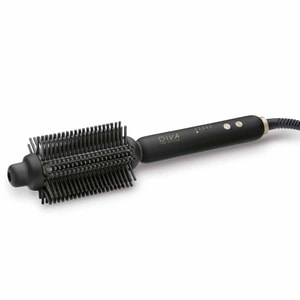
Heat Settings: Variable (110°C-210°C) • Brush Shape: Round Barrel • Corded / cordless: Corded
Hot brushes and air stylers: the quickest route to a fresh blow-dry finish at home
Hot brushes and air stylers sit between a hair dryer and a styling tool. They are designed to smooth, add volume and shape the ends, without needing full round-brush technique. In UK searches you will see terms like hot air brush, blow dry brush, hair dryer brush, volumiser brush, rotating hot air brush and air styler. The best choice depends on whether you want to style damp hair as you dry, or simply smooth and lift hair that is already dry. Read More...
Best for:
- Softer blow-dry volume with less effort than a brush and dryer combo
- Smoothing and shaping ends on medium and longer hair
- Quick styling refreshes that still look polished
Which one suits you?
- Hot air brush or air styler: you want to dry and style damp hair in one session.
- Heated styling brush: you tend to dry first, then smooth and lift between washes.
- Compact or cordless options: you travel, style away from a mirror socket, or want a quick touch-up tool.
This category sits within Hair Styling Tools, alongside tools for prep, curl and finishing.
Understand the two main types: hot air brush vs heated styling brush
A hot air brush (often called an air styler) blows warm air through the brush head. These are the models most people mean when they want a one-step blow-dry brush to dry and style in the same session.
A heated styling brush applies heat through the brush surface rather than airflow. These are usually designed for dry hair, aimed at smoothing, adding lift at the roots, or refining a style between washes.
Some products blend the two ideas, so the simplest check is this: does it blow air, and is it intended for damp hair, or is it mainly a heated brush for dry styling.
Rotating heads, oval brushes and barrel shape: what changes the finish
Rotating hot air brushes can make it easier to create a rounded, bouncy finish, particularly if you struggle with twisting a round brush yourself. The trade-off is that rotating heads can feel bulkier and need more patience in thicker hair.
Oval brush heads are popular for volume and smoothing in one pass. Round barrels can be great for shaping ends and creating a more “rolled” finish, especially on shoulder-length and longer hair.
If you want a uniform wave pattern rather than a blow-dry finish, Hair Wavers are often the more direct route.
What to compare so it actually works for your hair and routine
The best hot brush is not the one with the most marketing terms. It is the one that feels controllable, gives you the finish you want, and helps you avoid repeated heat passes.
Heat and speed settings: control matters more than maximum heat
Look for multiple heat and speed options, plus a cool setting if available. Control lets you start gently and increase only if needed. NHS guidance recommends using the lowest heat and power setting when drying to avoid weakening hair, and it notes that extreme heat from styling tools can weaken hair over time. The same principle applies here. A tool that gives you usable lower settings can be kinder to hair and more comfortable on the scalp.
If you style regularly, aim for consistency: a steady, moderate setting that achieves the finish without you reworking the same section again and again.
Airflow and brush design: why results are not just about wattage
Some listings lean heavily on wattage, but performance is about how effectively the tool moves air and how the brush head directs it through your hair. In plain terms, look for a head that grips hair comfortably, vents that distribute air well, and settings you can adjust as hair dries. A tool that dries efficiently at moderate heat is often more pleasant to use than one that relies on very high heat.
Brush size, bristle type, and hair length
Brush size should match your hair length and how tight you want the bend at the ends. A larger brush head generally suits longer hair and looser movement. A smaller head can be easier for shorter styles and more controlled shaping.
Bristles matter for comfort and tension. Mixed bristles can help grip hair while smoothing. Softer bristles can be gentler for sensitive scalps. If your hair tangles easily, look for a design that detangles without pulling, because tension is what turns a quick style into a frustrating one.
Choose by hair type and the finish you actually want
Fine hair and flat roots
If your hair is fine, volume is usually the goal. An oval hot air brush can help lift roots and smooth lengths without needing high heat. Choose lower settings and build volume gradually. A lighter tool also matters here, because fine-hair styling often involves more time at the roots.
Thick hair and longer drying sessions
Thicker hair usually benefits from stronger airflow and a brush that feels stable in the hands. A hot air brush can still be a time saver, but it often works best when hair is towel-dried first, then styled in manageable sections. Once hair is mostly dry, dropping the heat and refining the finish can reduce frizz and repeated passes.
If your main priority is drying speed first, then styling second, you may prefer to prep with a Hair Dryer and then finish with a hot brush for smoothing and volume.
Curly, wavy, and textured hair
For wavy hair, hot brushes can be great for smoothing and shaping ends while keeping movement. For curlier textures, the goal is often to stretch and smooth rather than create curl. Lower heat, steady tension, and a brush head that does not snag are more important than maximum airflow. If you prefer defined curls or ringlets instead of a blow-dry finish, Hair Curlers are usually the better match.
Practical ownership: safety, storage, and the features you notice daily
Hot brushes get hot enough to burn skin and damage surfaces. Electrical Safety First advises unplugging hot styling tools after use and letting them cool on a heat-resistant surface, and avoiding use near water. NHS burns-prevention advice also highlights storing styling tools safely while they cool, particularly in homes with children. For everyday peace of mind, an auto shut-off feature is worth having.
Also consider the daily comfort factors: a swivel cord, a cable that reaches your mirror comfortably, and a grip that does not feel awkward when you are working at the back of your head. If the tool has a removable filter or easy-clean intake, that can help keep airflow consistent over time.
If you like a sleek finish after styling, Hair Straighteners & Hair Stylers can be useful for quick touch-ups and refining the ends.