
Hair Straighteners & Hair Stylers
- Relevance
- Price: Low - High
- Price: High - Low
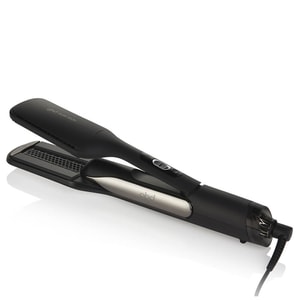
Type of device: Hot Air Styler • Temperature (max): 185 °C • Plate material: Ceramic with Ultra-Gloss Coating
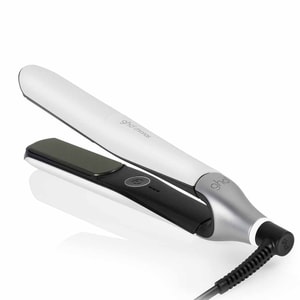
Type of device: Flat iron • Temperature (max): 185 °C • Plate material: Ceramic floating plates (ultra-gloss coating)
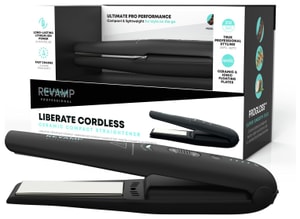
Type of device: Flat iron • Temperature (max): 210 °C • Plate material: Ceramic
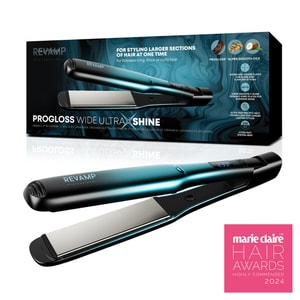
Type of device: Flat iron • Temperature (max): 235 °C • Plate material: Ceramic (ionic, Progloss oils)
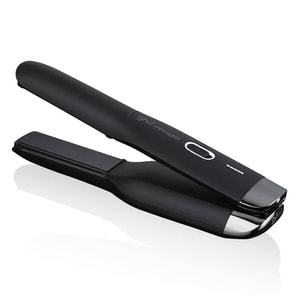
Type of device: Flat iron • Temperature (max): 185 °C • Plate material: Ceramic-coated
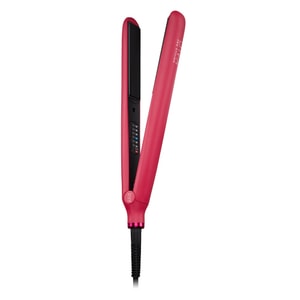
Type of device: Flat iron • Temperature (max): 235 °C • Plate material: Floating ceramic plates infused with Macadamia, Argan Oil & Keratin
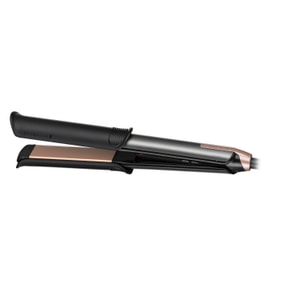
Type of device: Flat iron • Temperature (max): 230 °C • Plate material: Ceramic coated (plates) • Ceramic coated (barrel)
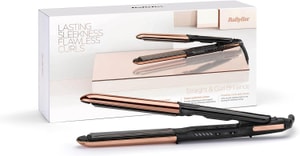
Type of device: Flat iron • Temperature (max): 235 °C • Plate material: True-titanium polished plates
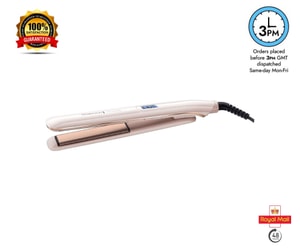
Type of device: Flat iron • Temperature (max): 230 °C • Plate material: Ceramic-coated plates
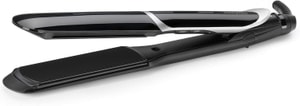
Type of device: Flat iron • Temperature (max): 235 °C • Plate material: Tourmaline-ceramic coated
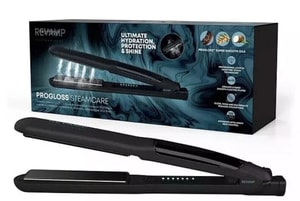
Type of device: Steam straightener • Temperature (max): 230 °C • Plate material: Ceramic (infused with Keratin, Argan and Coconut oils)
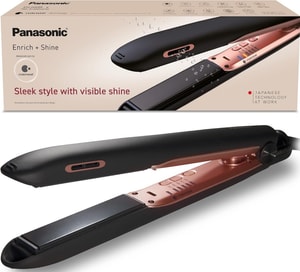
Type of device: Flat iron • Temperature (max): 230 °C • Plate material: Advanced Smooth Ceramic Plate
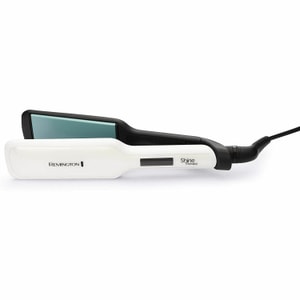
Type of device: Flat iron • Temperature (max): 235 °C • Plate material: Advanced ceramic coated (infused with Moroccan Argan Oil)
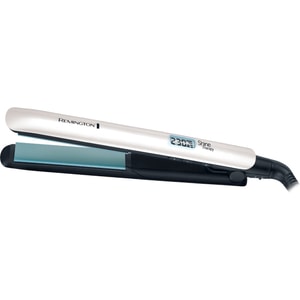
Type of device: Flat iron • Temperature (max): 230 °C • Plate material: Advanced Ceramic coated plates infused with Moroccan Argan Oil

Type of device: Steam straightener • Temperature (max): 230 °C • Plate material: Advanced ceramic coated plates infused with frizz resistant micro conditioners
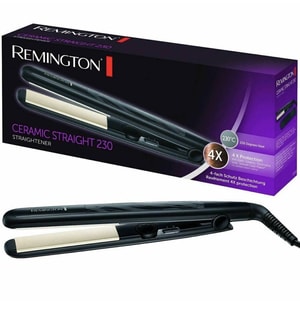
Type of device: Flat iron • Temperature (max): 230 °C • Plate material: Ceramic (anti-static, tourmaline ionic, smooth glide coating)
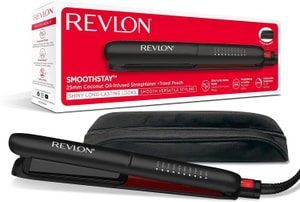
Type of device: Flat iron • Temperature (max): 235 °C • Plate material: Triple-coated ceramic
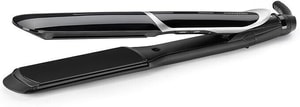
Type of device: Flat iron • Temperature (max): 235 °C • Plate material: Nano-ceramic plates
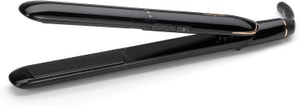
Type of device: Flat iron • Temperature (max): 230 °C • Plate material: Ceramic-coated plates
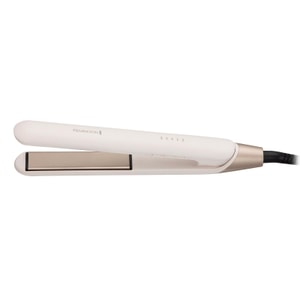
Type of device: Flat iron • Temperature (max): 230 °C • Plate material: Advanced ceramic coated (with shea oil)
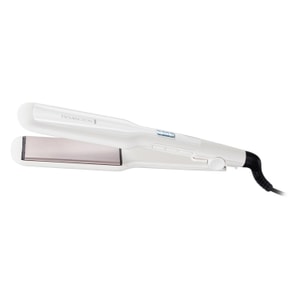
Type of device: Flat iron • Temperature (max): 230 °C • Plate material: Advanced Ceramic Ultra coated
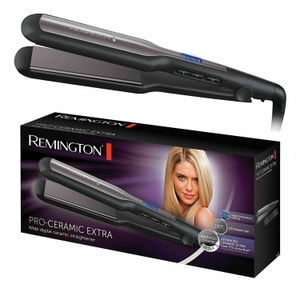
Type of device: Flat iron • Temperature (max): 230 °C • Plate material: Advanced Ceramic Ultra coating
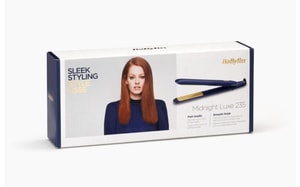
Type of device: Flat iron • Temperature (max): 235 °C • Plate material: Titanium-ceramic
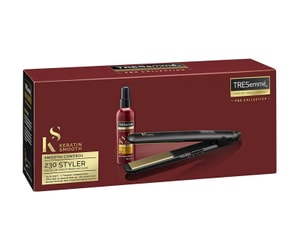
Type of device: Flat iron • Temperature (max): 230 °C • Plate material: Ceramic
Hair straighteners and hair stylers: sleek finishes, softer bends, and easier everyday smoothing
Hair straighteners are no longer just for pin-straight hair. Many people use them to smooth frizz, polish the top layer, add soft bends, or create quick waves with a twist of the wrist. In the UK, shoppers often search by a practical need such as wide plate straighteners for thick hair, mini straighteners for fringes, cordless hair straighteners for travel, a steam straightener for smoother styling, or even a flat iron when they want a classic straightener shape. The best choice is the one that gives you controlled heat, glides without snagging, and fits your normal routine. Read More...
Best for:
- A sleeker look that still feels natural
- Quick smoothing and touch-ups between wash days
- Styling that shifts between straight, bend, and wave without swapping tools
Which one suits you?
- Classic straightener: you mainly want smooth, straight results with minimal fuss.
- Straight and curl styler: you want one tool for straightening and softer waves.
- Wide plate straightener: you have long or thick hair and want to work faster.
- Mini or cordless straightener: you want travel convenience, fringes, or quick touch-ups.
This category sits within Hair Styling Tools, alongside dryers, curlers, wavers and hot brushes.
Pick the type first: classic, wide plate, mini, cordless, steam, or wet-to-dry
Classic straighteners are the everyday choice for smoothing lengths and controlling frizz.
Wide plate straighteners suit thicker or longer hair because they cover more surface area per pass. The main benefit is speed, as long as the plates still feel easy to control at the roots and around the hairline.
Mini straighteners are useful for short hair, fringes, and precision work. They can also be a practical travel option if storage space is tight.
Cordless straighteners are designed for portability and quick styling away from a socket. They tend to be best for touch-ups rather than a full session on long or very thick hair, because battery styling time is finite.
Steam straighteners add moisture as you style. Some people like them for smoothing, but the core decision still comes down to temperature control, plate quality, and whether the tool feels consistent from root to end.
Wet-to-dry straighteners exist, but treat them as a specific product type. Unless a model is explicitly designed for damp hair, most straighteners are best used on fully dry hair for predictable results.
If you want waves and curls more often than straight looks, you may prefer a dedicated tool from Hair Curlers or Hair Wavers for a more repeatable pattern.
What to compare so results look smoother and heat feels controlled
Hair straighteners can look similar on a product list. The differences you feel at home are usually plate design, temperature control, and comfort in the hand.
Plate size, floating plates, and edge shape
Plate width affects speed and control. Wider plates suit long, thick hair, but narrower plates are often easier at the roots and around the face. Floating plates can help maintain even contact with the hair, which can reduce snagging and help avoid repeated passes.
If you want to curl or wave with a straightener, look for rounded plate edges. Squarer edges can create a sharper bend that looks less natural when you are trying to form a wave.
Temperature control: start lower and increase only if needed
Heat is what makes styling last, but it is also what can weaken hair if you rely on extreme temperatures too often. NHS guidance notes that straighteners and curling tongs expose hair to extreme heat and that this can weaken hair over time. The practical approach is simple: choose adjustable temperature, start low, and increase only if your hair is not holding the finish.
If you style regularly, consistency matters more than maximum heat. A tool that gives you a steady, repeatable result at moderate settings can reduce the temptation to go over the same section again and again.
Cord, weight, and everyday comfort
If you straighten hair regularly, comfort features matter. A long swivel cord makes it easier to work around the back of your head. A tool that feels balanced reduces wrist strain and helps you keep sections neat.
Safety features also matter. Auto shut-off is worth prioritising, particularly if styling happens in a busy household. A heat mat or heat-resistant pouch makes cool-down and storage simpler, and helps protect surfaces.
Choose by hair type and your normal routine
Fine hair, coloured hair, and fragile ends
If your hair is fine or colour-treated, prioritise lower temperature options and a tool that glides smoothly. The aim is to avoid repeated passes on the same section. For many people, a smaller plate can feel easier to control close to the scalp and around the hairline, and it can reduce accidental over-styling of delicate ends.
Thick hair, coarse hair, and curly textures
Thicker hair often benefits from wider plates and steady heat delivery, but control still matters. A wide plate tool can speed up the mid-lengths, while the roots and face-framing sections often need precision and a controlled pace. If you want a softer finish rather than pin-straight hair, a rounded-edge styler can help you add bends and waves without harsh creases.
If your main goal is smoothing frizz before you style, starting with a good blow-dry can reduce the time you need to spend on the plates. That is why Hair Dryers sit naturally alongside straighteners in many routines.
Short hair, fringes, and touch-ups
Short hair and fringes often suit narrower or mini plates because you need precision more than speed. Cordless straighteners can also be useful for quick touch-ups, as long as the temperature control is predictable and the plates glide without tugging.
Practical ownership and safer use: keep styling calm and reduce burn risk
Hair straighteners get hot enough to burn skin and damage surfaces. Electrical Safety First advises unplugging straighteners after use and letting them cool on a heat-resistant surface out of reach of children or animals. They can stay hot for a while after switching off, so safe cool-down and storage habits matter.
Avoid using straighteners near water and do not keep using a tool with a damaged cord. If you want a smoother finish with fewer passes, a simple, consistent approach helps: moderate heat, controlled section sizes, and avoiding repeated clamping on the same strand.
If you like volume and movement more than a straight finish, Hot Brushes & Air Stylers can be a softer alternative for everyday styling, especially when you want lift at the roots and a curved end rather than a pressed flat look.