
Hair Clippers
- Relevance
- Price: Low - High
- Price: High - Low
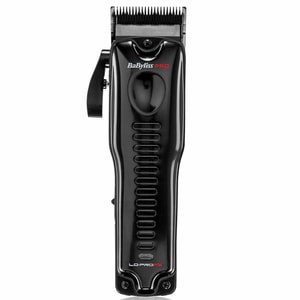
Power type: Corded & cordless • Number of length settings: 5 • Waterproof: No
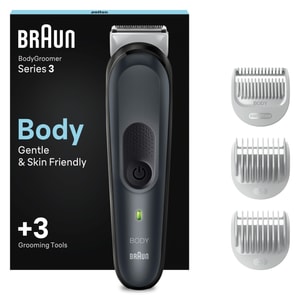
Power type: Corded & cordless • Cutting length range: 0.5-5 mm • Number of length settings: 3
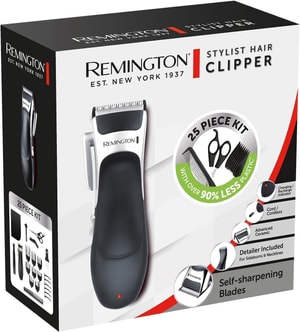
Power type: Corded & cordless • Cutting length range: 0.5-25 mm • Number of length settings: 8
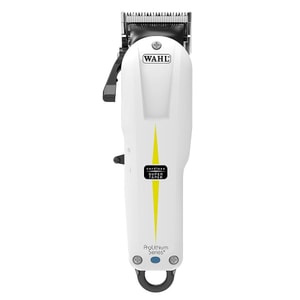
Power type: Corded & cordless • Cutting length range: 1-3.5 mm • Blade type: Precision blade
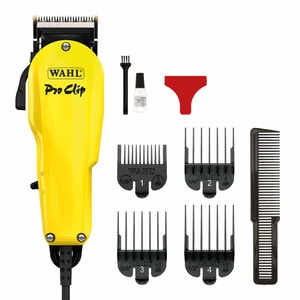
Power type: Corded • Cutting length range: 0.8-2.5 mm • Blade type: Precision blade
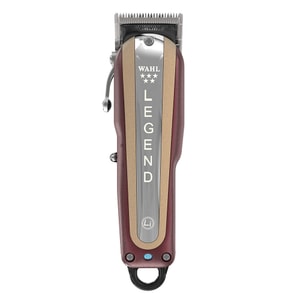
Power type: Corded & cordless • Cutting length range: 0.7-25 mm • Blade type: Wedge Blade
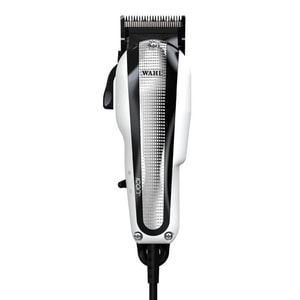
Power type: Corded • Waterproof: No
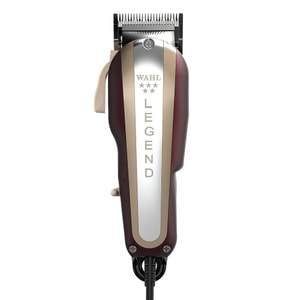
Power type: Corded • Cutting length range: 0.8-3 mm • Blade type: Wedge blade
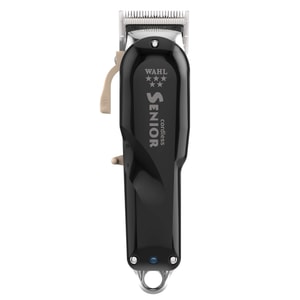
Power type: Corded & cordless • Cutting length range: 1-3.5 mm • Blade type: Precision fade blade
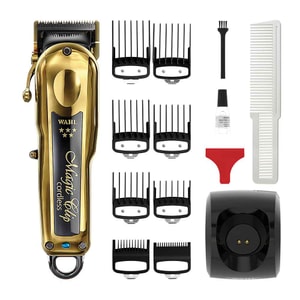
Power type: Corded & cordless • Cutting length range: 0.5-1.2 mm • Blade type: Stagger-tooth (Crunch Blade)
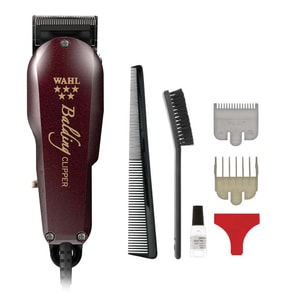
Power type: Corded • Cutting length range: 0.4-0.4 mm • Number of length settings: 1
Hair clippers for home haircuts: start with the cut you maintain
Hair clippers are built for head hair, with wider blades and guard combs that move through sections quickly. Start with your regular cut: an all-over buzz cut, a tidy back and sides, or a fade. That choice tells you whether you mainly need dependable guard lengths or finer blending control. For most households, the best results come from a clipper set that feels controlled in the hand and stays consistent as you work around the ears, neckline, and crown. If you are building your routine within Male Grooming Tools, clippers are the workhorse for haircuts at home. Read More...
Clippers vs trimmers and grooming kits
Clippers are for bulk cutting and even lengths across the scalp. Trimmers are usually better for tight edge work and facial hair control. All-in-one kits can work, but only when attachments lock securely and guards sit firmly without wobble. If you already own a beard tool, a dedicated clipper often makes haircuts easier, while Beard & Stubble Trimmers stay better suited to beard length control and shaping.
Corded, cordless, and corded-cordless
Cordless hair clippers are easier to manoeuvre for self-cuts, especially behind the head and at the nape. Corded clippers provide continuous power, which can feel steadier on thick hair or longer sessions. Corded-cordless models offer flexibility. In practice, a clear battery indicator and a charging routine that fits your habits usually matter more than headline runtime.
Control and finish: taper levers, guards, and UK grades
A clean-looking haircut is about control rather than speed. Secure guards, steady cutting, and small adjustments for blending help you avoid harsh steps between lengths. If you are shopping for fade clippers or barber clippers, prioritise features that make gradual change easy.
The taper lever: blending without constant guard swaps
A taper lever shifts blade position in small steps, making it easier to soften faint lines and refine transitions. It is helpful even for simple cuts, because you can tidy around the ears and sideburns with more precision. For fades, it lets you “nudge” the blend until it looks natural, rather than jumping between guards and hoping the line disappears.
Guard numbers and haircut “grades” in the UK
In the UK, many people describe hair length using clipper grades, such as “grade 2 haircut” or “number 3 all over”. Lower numbers leave hair shorter and higher numbers leave more length. Exact millimetres can vary by brand and blade setting, so it is worth checking the manufacturer’s cutting length chart for the specific model.
As a practical guide:
- Grades 0 to 1: very short finishes
- Grades 2 to 3: classic short lengths for buzz cuts and tidy back and sides
- Grades 4 and above: more coverage left on for softer blends
If you are unsure, start longer and step down gradually.
Choosing by style and hair type: buzz cuts, fades, and thicker growth
Once the style is clear, choose for stability, handling, and how well the clipper suits your hair. A good set should feel predictable at awkward angles and cut cleanly without repeated passes.
Buzz cuts and short all-over cuts
For buzz cuts, consistency is the whole point. Choose the guard sizes you will actually use and a grip that helps you keep pressure even. Even a simple cut looks sharper when the length is uniform and the neckline is tidy. If you usually ask for a “number 2” or “grade 3”, prioritise dependable guards at those lengths over extra accessories you may never reach for.
Fades, tapers, and thicker hair
Fades look best when the transition is gradual. Small adjustments and patient passes usually beat big jumps. A taper lever and guards that do not flex help you blend without overcutting. On thick, coarse, or curly hair, cutting in stages tends to work best: reduce bulk with a longer guard first, then refine. Avoid heavy pressure, because pressing harder can create visible tracks that are difficult to blend out.
Ownership factors: comfort, cleaning, and staying sharp
Long-term satisfaction usually comes down to comfort and upkeep. A set that is easy to hold, easy to clean, and easy to keep organised is far more likely to stay in rotation, especially if more than one person uses it.
Handling, noise, and day-to-day comfort
If you cut your own hair, weight and balance matter. A clipper that feels awkward makes it harder to control angles around the back of the head. Noise can also be a practical factor in shared households, particularly for early-morning trims or children’s haircuts.
Cleaning, blade care, and keeping performance consistent
Hair build-up reduces performance and can make guards drag. A quick brush-out after each cut keeps the blade area clear. Many models are not designed to be rinsed fully, so follow the manufacturer’s cleaning guidance rather than assuming the whole unit is washable. If blade oil is recommended, a small amount occasionally can reduce friction and keep cutting consistent.
Related tools that complement hair clippers
Hair clippers handle head hair quickly and evenly, but they are not designed for every grooming job. Many people pair clippers with Beard & Stubble Trimmers for facial hair length control and neckline shaping, because beard tools are often more precise around the mouth and moustache line. If you prefer a clean-shaven finish, Men’s Electric Shavers are built for close shaving comfort. For small finishing touches in sensitive areas, Nose & Ear Trimmers are the purpose-built option.
If you want a broader view of tool types and what they suit, The Best Trimmers for Precision Grooming is a useful overview of home and professional options and the features that tend to matter in real use.