
Mens Electric Shavers
- Relevance
- Price: Low - High
- Price: High - Low
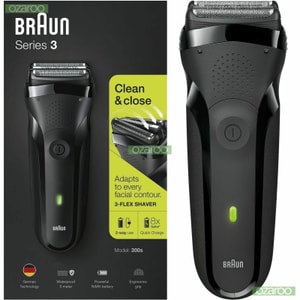
Shaver type: Foil shaver • Wet & dry use: Dry only • Power type: Cordless
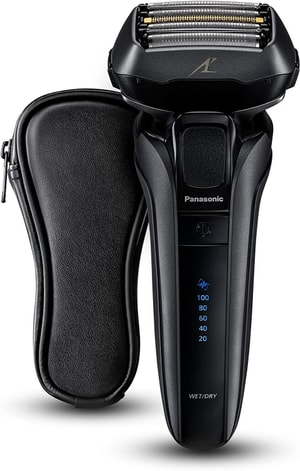
Shaver type: Foil shaver • Wet & dry use: Wet & dry • Power type: Cordless
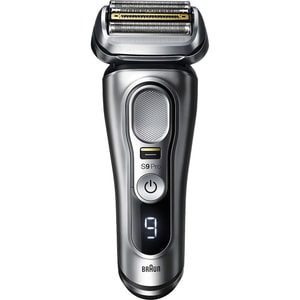
Shaver type: Foil shaver • Wet & dry use: Wet & dry • Power type: Cordless
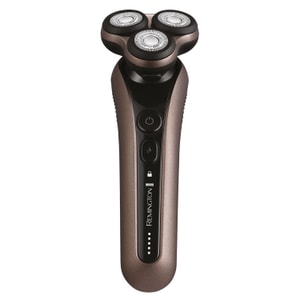
Shaver type: Rotary shaver • Wet & dry use: Wet & dry • Power type: Cordless
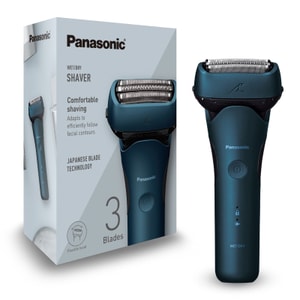
Shaver type: Foil shaver • Wet & dry use: Wet & dry • Power type: Cordless
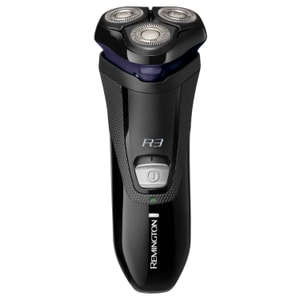
Shaver type: Rotary shaver • Wet & dry use: Dry only • Power type: Corded
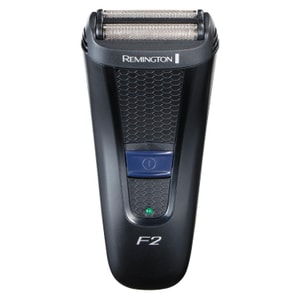
Shaver type: Foil shaver • Wet & dry use: Dry only • Power type: Cordless
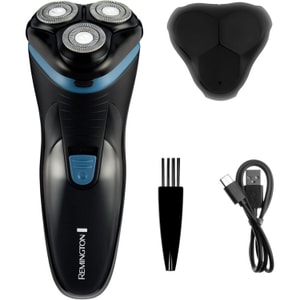
Shaver type: Rotary shaver • Wet & dry use: Dry only • Power type: Cordless
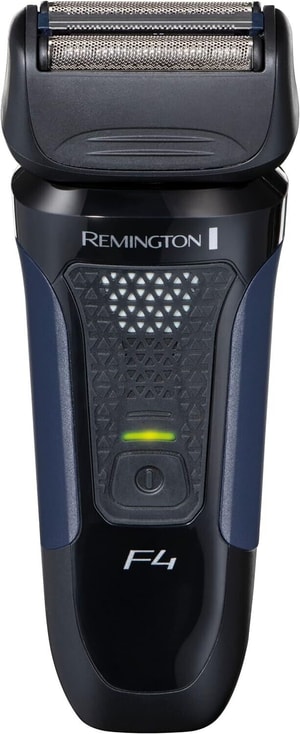
Shaver type: Foil shaver • Wet & dry use: Wet & dry • Power type: Cordless
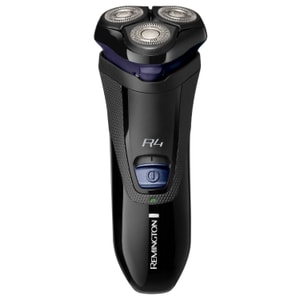
Shaver type: Rotary shaver • Wet & dry use: Dry only • Power type: Cordless
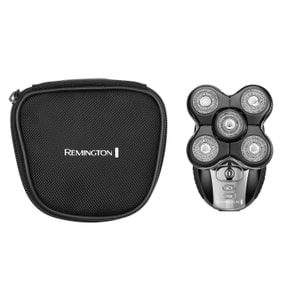
Shaver type: Foil shaver • Wet & dry use: Wet & dry • Power type: Cordless
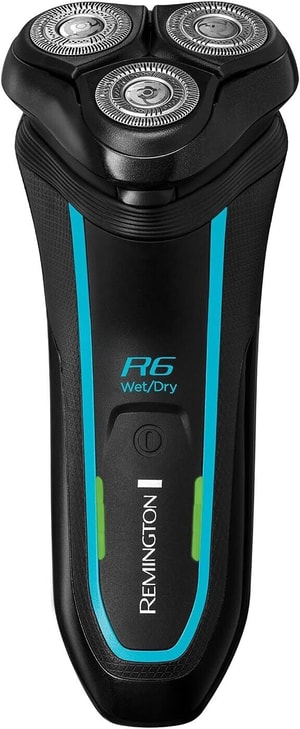
Shaver type: Rotary shaver • Wet & dry use: Wet & dry • Power type: Cordless
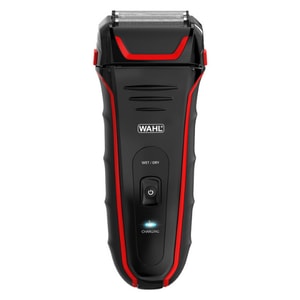
Shaver type: Foil shaver • Wet & dry use: Wet & dry • Power type: Cordless
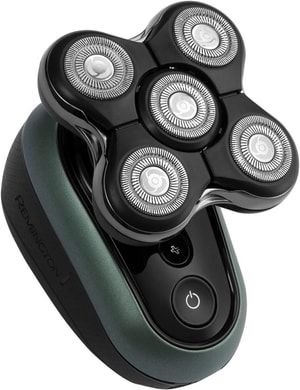
Shaver type: Rotary shaver • Wet & dry use: Wet & dry • Power type: Cordless
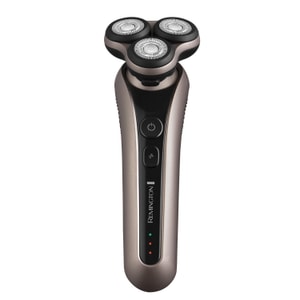
Shaver type: Rotary shaver • Wet & dry use: Wet & dry • Power type: Cordless
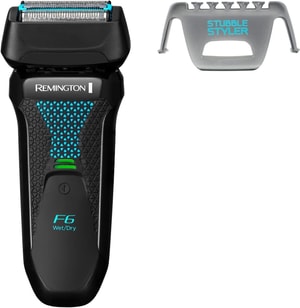
Shaver type: Foil shaver • Wet & dry use: Wet & dry • Power type: Cordless

Shaver type: Rotary shaver • Wet & dry use: Wet & dry • Power type: Cordless
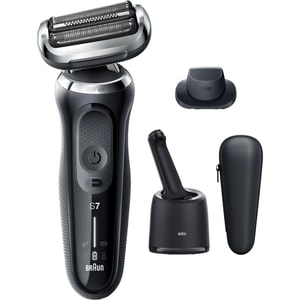
Shaver type: Foil shaver • Wet & dry use: Wet & dry • Power type: Cordless
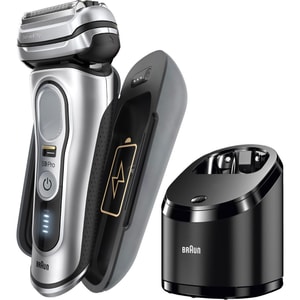
Shaver type: Foil shaver • Wet & dry use: Wet & dry • Power type: Cordless
Men’s electric shavers: a close shave that fits real mornings
Within Male Grooming Tools, a men’s electric shaver is the clean-finish option: quick, consistent, and built for comfortable shaving when you are short on time. It suits daily or near-daily routines, and it can be a practical choice if you want fewer nicks than a blade and less mess than a full wet-razor setup. Read More...
Good results come from matching the shaver type to your beard growth and skin, then choosing features that make the routine easy to repeat.
Foil vs rotary: the choice that changes technique and comfort
Foil and rotary shavers can both deliver a close result, but they suit different movements and face shapes. Decide this first, then compare secondary features.
Foil shavers: straight strokes and precise finishing
Foil shavers use oscillating cutters beneath a thin, perforated foil. They are typically used with straight, controlled strokes and can feel especially precise around sideburn lines and under the nose. If you shave frequently and want a neat, predictable finish, foil can be a strong fit.
Comfort improves when you keep pressure light and avoid overworking the same patch of skin. If closeness drops off, cleaning or replacing the cutting parts is usually more effective than pressing harder.
Rotary shavers: contours and mixed growth patterns
Rotary shavers use circular cutters under round heads designed to follow facial contours. They can feel more forgiving if your hair grows in different directions, particularly along the jawline and chin. Rotary designs are also common for head shaving, where flexible movement helps across the scalp.
Wet and dry shaving: comfort versus speed
Wet and dry capability changes friction and skin feel, so it is worth choosing intentionally rather than treating it as a bonus feature.
Dry shaving for quick routines
Dry shaving is the low-effort option: pick up, shave, and go. It is convenient for quick touch-ups and for routines where you want a clean finish without foam or rinsing.
Wet shaving for sensitive skin and smoother glide
Wet shaving with gel or foam adds slip and can reduce friction, which many people find gentler on sensitive skin, especially on the neck. Wet and dry flexibility lets you go dry when you are in a hurry and wet when you want a calmer session.
Features that matter day to day: fewer passes and cleaner finishing
Pivoting heads and flexible designs help the shaver keep contact under the chin and along the jaw, which usually means fewer passes and less redness. For coarse beards, steady cutting matters because tugging is what makes a shave feel harsh.
A pop-up trimmer is useful for sideburns and quick edging, but it is not for beard length control. If you keep a defined stubble look, Beard & Stubble Trimmers are the better companion for consistent length and line work.
Cleaning and running costs: keep performance where it should be
A shaver that feels brilliant in week one can feel rough later if cleaning and replacement are ignored, so it helps to think beyond the first few shaves.
Rinse-clean convenience vs cleaning stations
Rinse-clean designs suit people who want low-effort maintenance. Cleaning stations can be convenient for cleaning and drying, but factor in cartridge costs and whether you will actually use the station regularly.
Replacement foils and heads: plan ahead
Cutting parts wear over time, which can reduce closeness and increase irritation. As a practical guideline, manufacturers often recommend replacing cutting parts on an interval measured in months rather than years. For example, Braun commonly recommends replacing foil and cutter blocks around every 18 months, while Philips shaving heads are often recommended around every 24 months, depending on the model. Check the guidance for the specific shaver you choose.
Charging and travel: the small details that prevent frustration
If you shave before work or travel often, these are the features that stop small annoyances turning into a habit of skipping the shave.
Battery indicators and quick charge
A clear battery indicator and predictable charging routine can matter more than headline runtime. Quick charge is useful if it reliably gives enough power for a full shave, not just a partial touch-up.
Travel locks, caps, and cases
A travel lock stops the shaver switching on in a wash bag. A cap or case keeps the head clean and reduces the risk of damage. If you travel often, consider whether the charging setup suits your habits, including plug type or USB charging if offered.
Comfort tips that keep skin calm
Keep pressure light and let the cutters do the work. Use short, steady passes instead of scrubbing one spot repeatedly. If irritation is frequent, try wet shaving more often, and reassess whether foil or rotary better matches your growth pattern and contours.
How an electric shaver fits into a wider grooming routine
A simple kit works best when each tool has a clear role. Hair Clippers handle head hair, Nose & Ear Trimmers cover finishing touches safely, and an electric shaver delivers the clean finish. If you maintain facial hair at a set length, Beard & Stubble Trimmers cover that role between shaves.
For a broader overview of grooming tool types, Top Trimmers for Every Need: Home and Professional Models is a useful reference.
Quick buying checklist: shortlist in under a minute
Use this checklist to match features to your routine:
- Type: foil for straight strokes and precision edges, rotary for contours and mixed growth
- Wet and dry: choose it if comfort and sensitive skin matter
- Cleaning: rinse-clean convenience versus a cleaning station you will use
- Replacement parts: check availability and the typical replacement interval
- Finishing: a pop-up trimmer for sideburns, plus the right companion tool for beard length
- Travel: lock, cap or case, and a charging setup that fits your habits
Choose the shaver that fits your cadence and skin, not the one with the longest feature list.
Optional trust signal: add a short “Last updated: [Month YYYY]” line beneath this copy when you publish it.