
Interactive Learning Toys
- Relevance
- Price: Low - High
- Price: High - Low
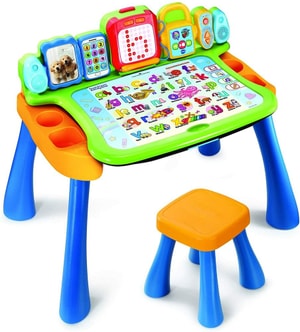
Age Suitability: 3-6 years • Learning Focus: Letters • Phonics • Numbers • Body parts • Animals • Music • Shapes • Colours • Seasons • Classroom • Town • Time • Interactive Toy Type: 4-in-1 desk (activity desk, easel, chalkboard, art station)
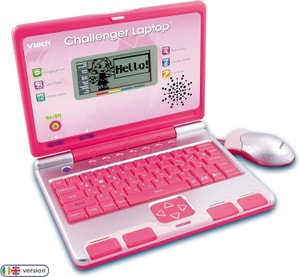
Age Suitability: 4+ years • Learning Focus: English • Maths • Music • Basic French • Interactive Toy Type: Slim laptop with real mouse & QWERTY keyboard
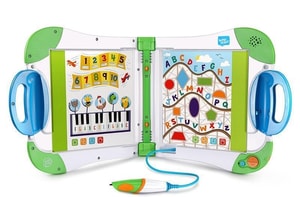
Age Suitability: 2+ years • Learning Focus: Reading • Counting • Problem Solving • Phonics • Vocabulary • STEM • Interactive Toy Type: Interactive Learning System
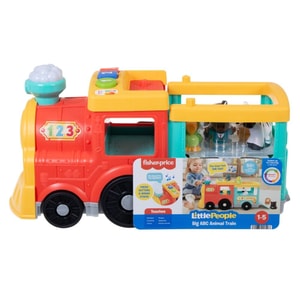
Age Suitability: 1+ years • Learning Focus: Alphabet • Counting • Colours • Shapes • Opposites • Animal sounds • Interactive Toy Type: Push-along toy train with electronic lights, sounds, music and phrases
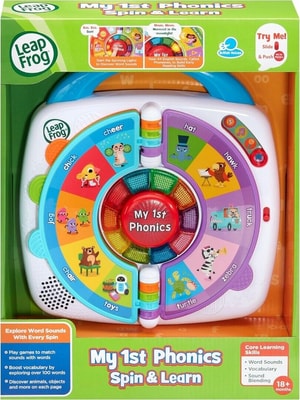
Age Suitability: 18+ months • Learning Focus: Literacy • Interactive Toy Type: Interactive phonics flip-book
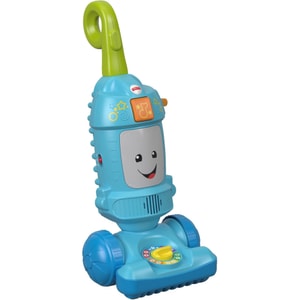
Age Suitability: 12+ months • Learning Focus: Counting • Colours • Shapes • Opposites • Interactive Toy Type: Push-along learning vacuum
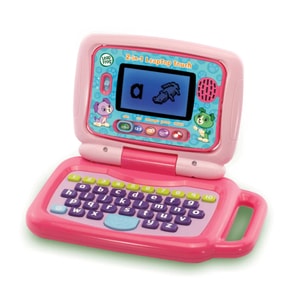
Age Suitability: 2+ years • Number Of Activities: 10 modes of play • Batteries Required: 3 x AA (included)
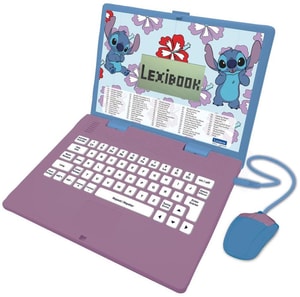
Age Suitability: 4+ years • Learning Focus: Languages • Mathematics • Logic • Music • Interactive Toy Type: Educational laptop
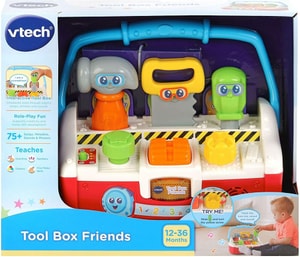
Age Suitability: 12-36 months • Learning Focus: Language Development • Motor Skills • Role Play • Interactive Toy Type: Tool box with removable character tools
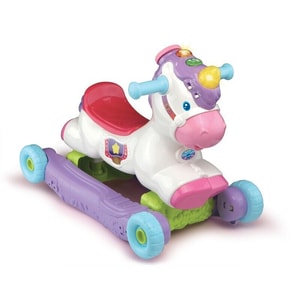
Age Suitability: 18-36 months • Learning Focus: Language Development • Motor Skills • Sensory Development • Interactive Toy Type: Ride-on rocker
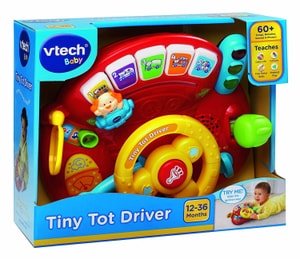
Age Suitability: 12-36 months • Learning Focus: Discovery Exploration • Language Development • Motor Skills • Sensory Development • Interactive Toy Type: Role-play toy (vehicle)
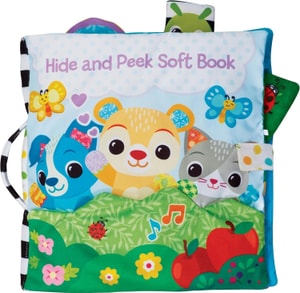
Age Suitability: 6+ months • Learning Focus: Fine Motor Skills • Imagination • Cause and Effect • Interactive Toy Type: 2-in-1 electronic cuddly bear & chunky soft book
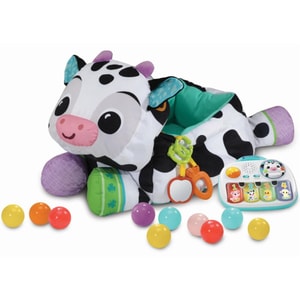
Age Suitability: 9-36 months • Learning Focus: Sensory Development • Motor Skills • Language Development • Music • Interactive Toy Type: Interactive ball pit with detachable electronic piano
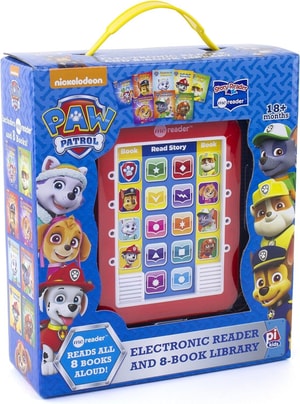
Age Suitability: 18+ months • Learning Focus: Literacy / Language • Interactive Toy Type: Electronic reader with sound-book library
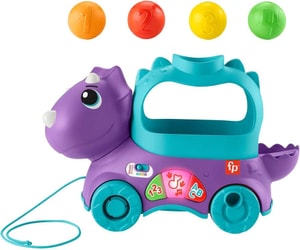
Age Suitability: 12-36 months • Learning Focus: Alphabet • Counting • Colours • Shapes • Fine Motor Skills • Gross Motor Skills • Interactive Toy Type: Interactive dinosaur ball popper pull-toy
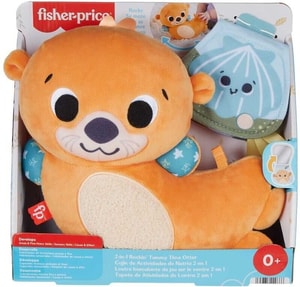
Age Suitability: Birth+ • Learning Focus: Gross motor skills • Cause & effect • Interactive Toy Type: Plush sensory toy with soft book and roly-poly otter
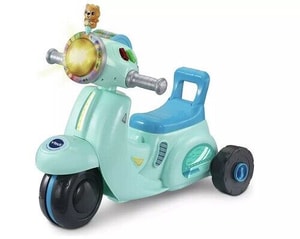
Age Suitability: 12-36 months • Learning Focus: Cause & Effect • Language Development • Motor Skills • Role Play • Interactive Toy Type: 2-in-1 ride-on (trike to balance bike)
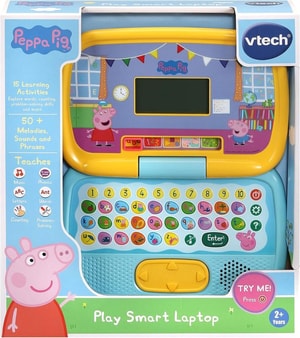
Age Suitability: 2-5 years • Learning Focus: Phonics • Letters • Words • Numbers • Counting • Number order • Matching • Music • Logic • Language skills • Basic maths skills • Problem solving • Interactive Toy Type: Laptop
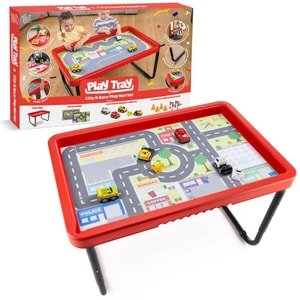
Age Suitability: 3+ years • Learning Focus: Creativity • Imagination • Interactive Toy Type: Multi-Purpose Table
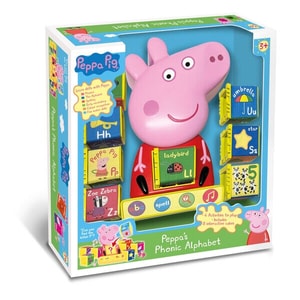
Age Suitability: 3+ years • Learning Focus: Letters • Numbers • Colours • Phonics • Spelling • Speech & language development • Basic problem solving • Fine motor skills • Interactive Toy Type: Interactive play cubes with Peppa Pig cube holder
Interactive learning toys: responsive play that builds early skills
Interactive learning toys are popular because they respond. A button lights up, a character speaks, a page triggers a question, and a toddler learns that their choices make things happen. That cause-and-effect loop is why many people look for interactive learning toys, toddler learning toys, and educational toys that feel playful while still practising early concepts. Read More...
This category includes activity desks and tables, learning laptops, interactive books and readers, and talking toys that introduce first words, letters, counting and simple problem solving. The strongest choices are easy to repeat without fuss: clear controls, quick resets, and activities that stay engaging once the novelty wears off.
Popular types: desks, laptops, talking toys and interactive readers
"Interactive" can mean anything from a light-up button toy to a full activity desk with pages and prompts. It helps to start with the kind of attention your child has right now: short bursts of pressing and listening, or longer sit-down play where they return to the same activities and improve over time. Role-play favourites, such as steering-wheel drivers and sound-and-light household toys, can also work brilliantly because they copy everyday routines.
If you are deciding between interactive toys and simpler classics, Baby & Toddler Toys is a useful overview category. You can then return here once you know whether your child prefers music and movement, page-based activities, or pretend play with sounds.
Activity desks and tables: busy hands, lots of variety
Activity desks and toddler activity tables suit children who like to move between "stations". One area might focus on letters and sounds, another on music, and another on shapes or matching. That variety can be helpful when attention comes in waves, because they can switch activities without abandoning the toy.
These sets can feel like a small play corner, with pages, sliders, spinners, or steering-style controls. They are often a strong fit when you want repeatable play that fills a short window without needing a big set-up.
Learning laptops and tablets: letters, numbers and everyday routines
Learning laptops and toddler learning tablets are popular because they mirror adult routines. They often include alphabet games, number games, simple quizzes, and music modes that reward tapping and exploring. Shoppers also search for terms like kids learning laptop and educational laptop toy when they want something compact for quieter moments.
To choose well, prioritise control feel over "lots of modes". Chunkier buttons, obvious on-off controls, and activities that repeat without perfect timing usually keep frustration low. For older toddlers and preschoolers, options that add phonics sounds and guided questions can stretch play without making it feel like homework.
Interactive books and readers: phonics, stories and replayable prompts
Interactive books and reading systems work well because they keep the comfort of story time, but add feedback. Some use a stylus to trigger sounds and questions from pages, while others use a reader unit with short prompts. Searches like phonics toy, learn to read toy, talking book, and interactive reader are usually about gentle literacy practice in small, repeatable sessions.
They also suit shared play: reading along, repeating new words, and letting a child choose what to tap next supports confidence and attention.
What children practise: language, listening, counting and fine motor skills
The most useful "learning" in interactive toys is repetition with feedback. When a toy asks a question and reacts to an answer, children practise listening, remembering, and trying again. That is why toys that focus on first words, ABC, shapes and colours, and simple number sequences can feel genuinely helpful at this stage.
Many interactive learning toys also build fine motor skills through pressing, sliding, spinning, turning pages, or using a stylus. If you want more screen-free skill building around sorting and matching, Early Learning Toys can be a strong companion category for stacking, shape sorters and first puzzles.
Buying checks that matter day to day: volume, durability, batteries and safety
Interactive toys can become daily background, so practical details matter. Volume control is key. Even a great toy can become tiring if it is loud with no sensible settings, especially during early mornings or wind-down time. Look for clear volume options, a reliable off switch, and activities that vary enough to avoid the same loop repeating endlessly.
Durability matters too, particularly for younger children who explore with enthusiastic handling. If a toy has lots of add-ons, consider whether those pieces are likely to be dropped or lost. For page-based systems and activity desks, simple storage for books or cards can make the toy easier to keep in regular use.
Power is another everyday factor. Rechargeable packs can be convenient, but standard batteries can still be practical if swapping is quick. Think about run time versus charge time, and follow age guidance and small parts warnings.
Keeping play fresh: mixing toy prompts with real-world pretend play
Interactive toys tend to last longer when they spark "next steps" around the room. A learning laptop might inspire a pretend cafe where your child takes orders, while an interactive reader can spark a hunt for letters on book spines or packaging. These small extensions make learning feel natural, because the toy becomes a starting point rather than the whole activity.
If you prefer calmer, tactile play that still supports early skills, Wooden Toys are a strong alternative for chunky puzzles, sorting toys and simple role-play pieces.
If your child loves acting out stories, Playsets & Figures can add characters and settings that give interactive toys a purpose, such as "reading" to a favourite figure or running a pretend shop at a little play counter.
Related categories worth exploring
If you want broader inspiration across ages and interests, Toys & Games is the easiest place to browse, then return to this subcategory once you know whether you want language, numbers, music, or story-led play.
Within the baby and toddler range, balancing interactive toys with simpler classics often works well: choose one or two toys that respond with sounds, lights or prompts, then mix in open-ended toys that let your child lead. That combination tends to keep play varied, while still supporting early skills in a way that feels natural.