
Wooden Toys
- Relevance
- Price: Low - High
- Price: High - Low
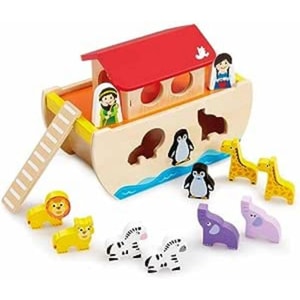
Recommended age range: 12 months+ • Type of wooden toy: Montessori-Style / Educational • Developmental focus: Motor Skills, Cognitive, Imaginative Play
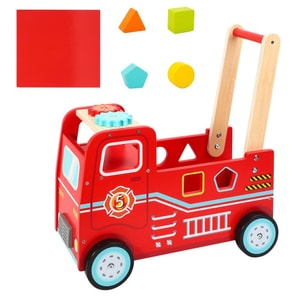
Recommended age range: 12+ months • Type of wooden toy: Push-along toy • Developmental focus: Motor Skills, Imaginative Play
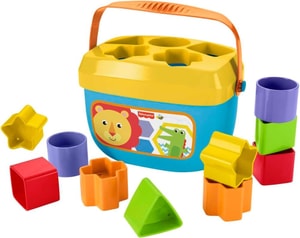
Recommended age range: 6+ months • Type of wooden toy: Montessori-Style / Educational • Developmental focus: Motor Skills, Cognitive
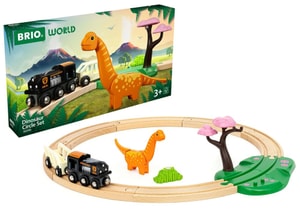
Recommended age range: 3+ years • Type of wooden toy: Train Set • Developmental focus: Motor Skills, Cognitive, Imaginative Play
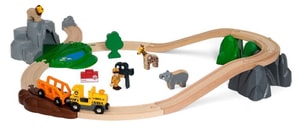
Recommended age range: 3+ years • Type of wooden toy: Railway Set • Developmental focus: Motor Skills, Cognitive, Imaginative Play
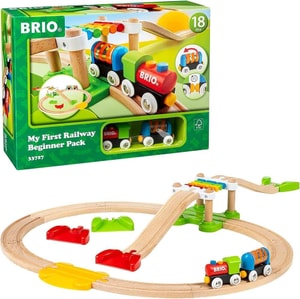
Recommended age range: 18+ months • Type of wooden toy: Railway set • Developmental focus: Motor Skills, Cognitive
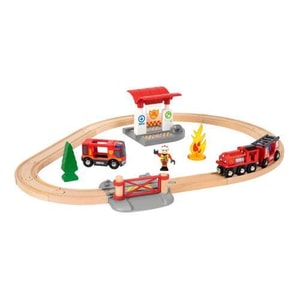
Recommended age range: 3+ years • Type of wooden toy: Railway set • Developmental focus: Motor Skills, Cognitive, Imaginative Play
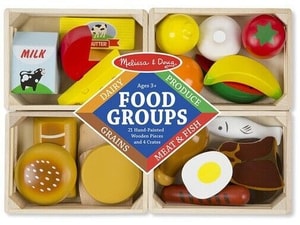
Recommended age range: 2+ years • Type of wooden toy: Pretend Play Sets • Developmental focus: Imaginative Play
Wooden toys: calm, tactile play that grows with them
Wooden toys are often chosen for the way they feel and the way they invite play. They are sturdy in small hands, satisfying to stack, and simple enough that children can return to them daily without a big set-up. That is why searches like wooden toys for toddlers, wooden Montessori toys, wooden learning toys, wooden blocks, and wooden puzzles are so common when people want dependable favourites. Read More...
This category includes classic building and sorting toys, wooden train sets, and wooden role play pieces such as wooden play food. If you are browsing across this stage more broadly, Baby & Toddler Toys is a useful starting point before you narrow down to wooden favourites.
Why wooden toys work: open-ended play and repeatable skills
A good wooden toy rarely has one correct way to use it. Blocks can be a tower today and a road tomorrow, and a train set can be rebuilt into a new layout in minutes. That open-ended quality supports imagination, but it also supports early skills like balancing, matching, sorting, and hand-eye coordination, because children practise the same movements in slightly different ways each time.
Wooden toys also suit repetition. Children often enjoy repeating a small action until they master it, such as posting a shape, fitting a puzzle piece, or building a taller tower than yesterday. The progress is easy to see, which builds confidence.
Popular wooden toy types: blocks, sorters, puzzles, trains and pretend play
Wooden toys cover a wide range, so it helps to begin with the play pattern you want to encourage. Some toys suit quiet, focused problem solving, while others support storytelling and routines. Some keep toddlers moving, which can be useful when they want to explore the room while they play.
Building and sorting: blocks, stackers and wooden shape sorters
Wooden blocks are a favourite because they are flexible. Early play might be stacking and knocking down, then it becomes bridges, houses, and small scenes as toddlers gain control. If you are shopping for wooden blocks for toddlers, chunkier pieces are often easier to grip and feel more stable.
A wooden shape sorter adds a clear challenge. Children learn through trial and error as they work out which piece fits where, practising early problem solving. Toys that reset easily, for example by tipping out the shapes and starting again, tend to stay in regular use.
Puzzles and matching: wooden puzzles for toddlers and simple board games
Chunky wooden puzzles and peg puzzles suit children who like a clear goal and a quick win. They can support focus and pattern recognition, and they fit neatly into short play sessions. Choosing recognisable pictures and solid pieces often helps children feel successful sooner, which keeps them coming back.
Matching boards and simple “fit the piece” games work well for toddlers who enjoy sorting and categorising. The learning comes from repetition rather than instructions, so children can practise independently and build confidence.
Wooden train sets: track building plus storytelling
Wooden train sets combine building with storytelling. Laying track, adding a bridge, and deciding where the train stops becomes a satisfying routine, then children naturally invent journeys, deliveries and “station” stories. They work well for solo focus and shared play, because one person can build while another runs the train.
If a child already has a set, it is worth checking how new pieces will fit in. The easiest play happens when pieces connect smoothly and layouts can be rebuilt without frustration.
Pretend play and movement: wooden play food, push-alongs and ride-ons
Role play sets work well in wood because they feel sturdy and realistic. Wooden play food encourages language as children copy routines such as cooking, serving and tidying, and it also supports fine motor control through picking up and organising pieces.
If your child loves setting up scenes, Playsets & Figures can add characters and backdrops that make pretend play feel richer. For more active toddlers, a push-along or ride-on wooden toy can support coordination and confidence, especially when the wheels roll smoothly and the toy feels stable.
Choosing well: age stage, safety checks and everyday care
For younger children, larger pieces and simpler actions tend to work best. For older toddlers, more complex sets can be brilliant, as long as play does not depend on perfect set-up every time. It is also worth picturing where the toy will live between play sessions, because toys that store easily tend to be used more often.
Always check the recommended age and any small parts warnings, particularly for under-threes. Look for smooth edges, secure joins, and finishes described as child-safe. For everyday care, many wooden toys are best wiped with a lightly damp cloth rather than soaked, and simple storage helps keep sets complete. If you want more guided skill-building alongside wooden play, Early Learning Toys is a useful companion category for first problem-solving favourites.
Blending wooden with responsive toys: keeping play varied
Wooden toys are excellent for calm, open-ended play, but some children also love toys that talk back, sing, or ask a question. A balanced mix can work well: a few wooden classics for imagination and problem solving, plus one responsive toy for language or counting.
If you want those prompt-led options, Interactive Learning Toys is a natural next step. Blending the two styles often keeps play varied without needing lots of toys.
Related categories worth exploring
If you are building a small collection, choose one toy for building or sorting, one for pretend routines, and one for movement, then add gradually as preferences become clearer. This approach keeps toys feeling fresh, because each one supports a different kind of play.
For broader inspiration across ages and interests, Toys & Games brings the full range together, then you can return to the wooden favourites that suit your child’s current stage.