
Dolls
- Relevance
- Price: Low - High
- Price: High - Low
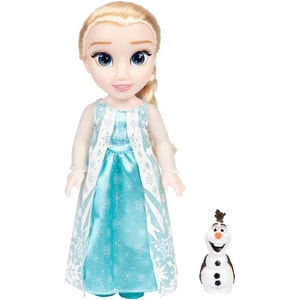
Product Type: Doll playset • Doll height (mm): 355 mm • Recommended Age: 3+ years
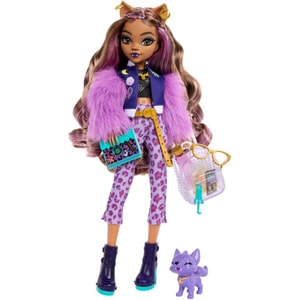
Product Type: Doll playset • Doll height (mm): 323.8 mm • Recommended Age: 4+ years
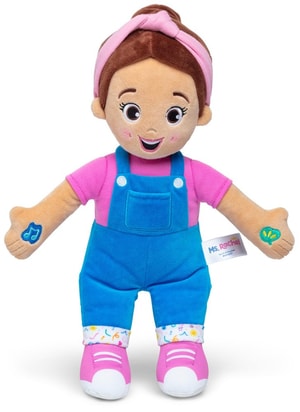
Product Type: Singing doll • Doll height (mm): 304.8 mm • Recommended Age: 6+ months
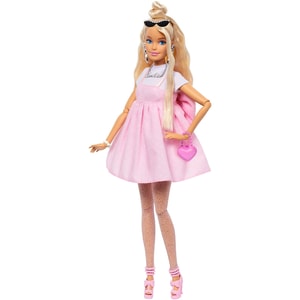
Product Type: Fashion doll • Doll height (mm): 325 mm • Recommended Age: 4+ years
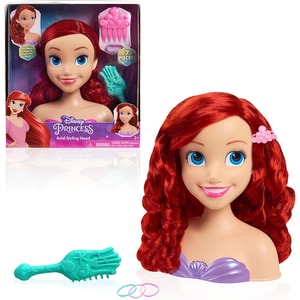
Product Type: Styling head • Doll height (mm): 203.2 mm • Recommended Age: 3+ years
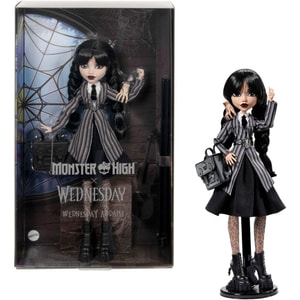
Product Type: Fashion doll • Doll height (mm): 330 mm • Recommended Age: 5+ years
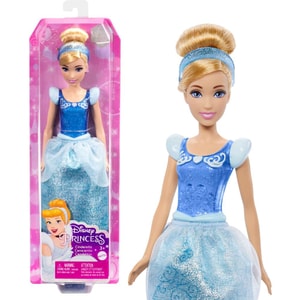
Product Type: Fashion doll • Doll height (mm): 270 mm • Recommended Age: 3+ years
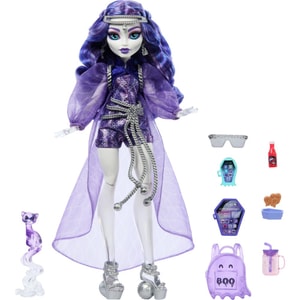
Product Type: Fashion doll • Doll height (mm): 320 mm • Recommended Age: 4+ years
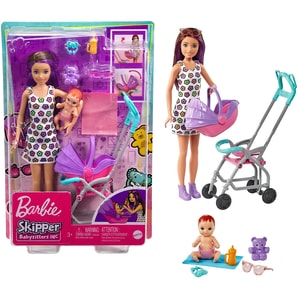
Product Type: Doll playset • Doll height (mm): 325 mm • Recommended Age: 3+ years
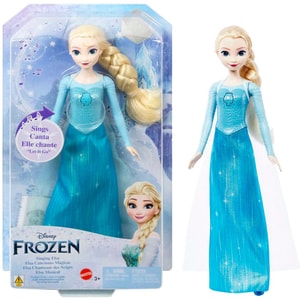
Product Type: Singing doll • Doll height (mm): 325 mm • Recommended Age: 3+ years
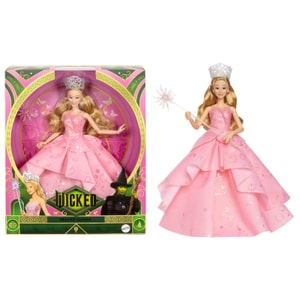
Product Type: Fashion doll • Doll height (mm): 320 mm • Recommended Age: 6+ years
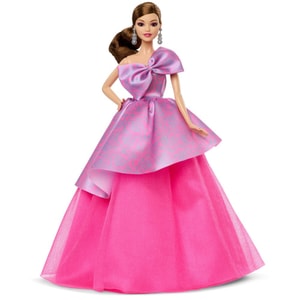
Product Type: Fashion doll • Doll height (mm): 330 mm • Recommended Age: 4+ years
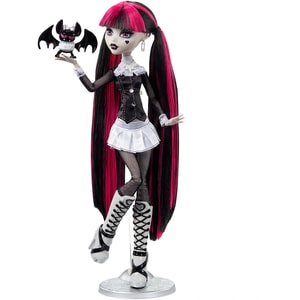
Product Type: Collector doll • Doll height (mm): 267 mm • Recommended Age: 6+ years
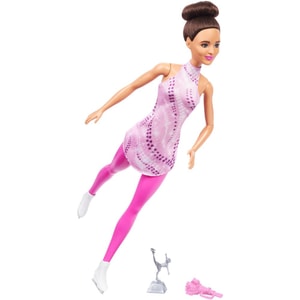
Product Type: Fashion doll • Doll height (mm): 300 mm • Recommended Age: 3+ years
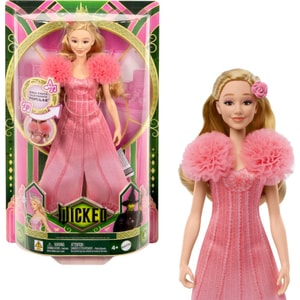
Product Type: Singing doll • Doll height (mm): 300 mm • Recommended Age: 4+ years
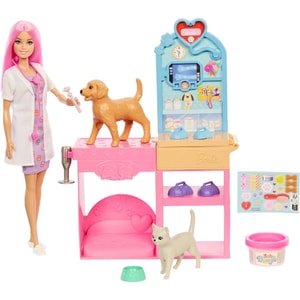
Product Type: Doll playset • Doll height (mm): 285.7 mm • Recommended Age: 4+ years
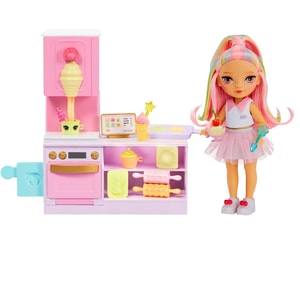
Product Type: Doll playset • Doll height (mm): 140 mm • Recommended Age: 4+ years
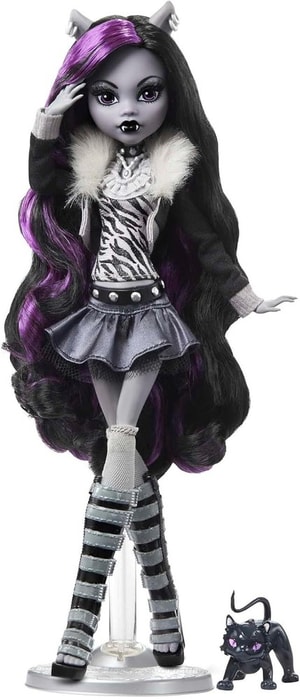
Product Type: Collector doll • Doll height (mm): 267 mm • Recommended Age: 6+ years
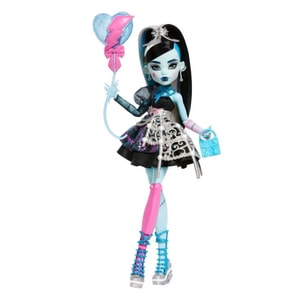
Product Type: Fashion doll • Doll height (mm): 290 mm • Recommended Age: 4+ years
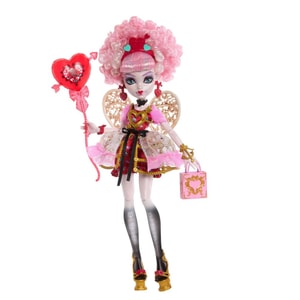
Product Type: Fashion doll • Doll height (mm): 280 mm • Recommended Age: 4+ years
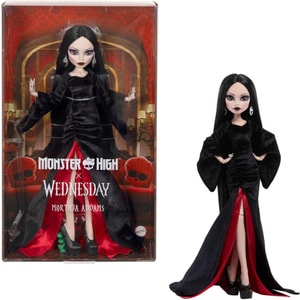
Product Type: Collector doll • Doll height (mm): 279 mm • Recommended Age: 6+ years
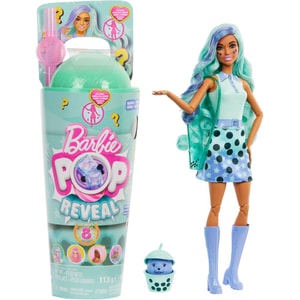
Product Type: Fashion doll • Doll height (mm): 267 mm • Recommended Age: 3+ years
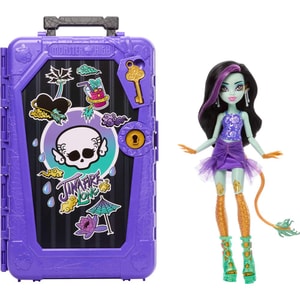
Product Type: Doll playset • Doll height (mm): 320 mm • Recommended Age: 4+ years
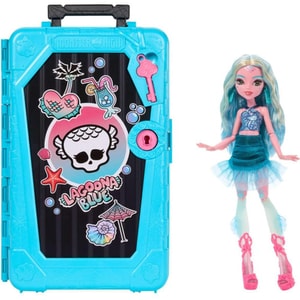
Product Type: Doll playset • Doll height (mm): 320 mm • Recommended Age: 4+ years
Dolls: story-led play that grows with their imagination
A doll is rarely just a toy. It becomes a character, a companion, and a way for children to practise stories they have seen or invent new ones entirely. One day it is a best friend for tea parties and school runs, the next it is a singer on stage, a superhero, or the “baby” who needs feeding and bedtime routines. The best dolls are the ones that match how a child naturally plays: styling and dressing, caring and cuddling, acting out scenes, or collecting characters they already love. Read More...
In Toys & Games, dolls sit in a category where the play can grow over time. A new outfit, a pet, or a small accessory can refresh the story without needing a brand new main doll every time. Choosing well is mostly about matching the doll type to the child’s age and interests, then keeping accessories manageable so play stays smooth.
Choose the doll style first: fashion, baby, or collector favourites
Most buying decisions become easier once you pick the core style of play. Fashion dolls suit outfit changes and character scenes. Baby dolls suit nurturing routines. Collector dolls suit detail, display, and specific fandom choices.
Fashion dolls: styling, outfits, and character play
Fashion dolls work best when a child enjoys dressing, brushing hair, and creating new scenarios. This is where brand and character interest can be a reliable shortcut, because children often ask for what they already recognise: Barbie dolls, Monster High dolls, Rainbow High dolls, L.O.L. Surprise dolls, Disney dolls, and Disney Princess dolls. If the theme is right, the doll tends to get played with repeatedly, not just admired on day one.
When choosing fashion dolls, think about the extras that make play feel richer. Outfit changes, shoes, bags, and pets often matter more than complicated gimmicks, because they support storytelling and make the doll feel like a real character with a day-to-day life.
Baby dolls: calmer play built around caring routines
Baby dolls suit children who like copying everyday routines: feeding, napping, bath time, and bedtime. A soft-bodied baby doll often feels more cuddly and comforting, while a firmer body can suit play that includes sitting in a pram or high chair. If you are shopping for a “baby doll with accessories”, focus on a few meaningful items that support the routine, rather than a large bundle that becomes fiddly.
For younger children, comfort and simplicity usually win. A friendly expression, a size that is easy to carry, and fewer small accessories tends to keep the play calm and consistent.
Collector dolls and special editions: detail, display, and exact matches
Collector dolls are typically bought for presentation as much as play. This is where hair styling, outfit detail, packaging, and franchise tie-ins matter more. If you are buying a collector doll, prioritise the exact character and edition. These purchases are usually about getting the right one, not just choosing any doll in a similar style.
If the doll is intended to stay in the box or be displayed, look for strong finishing and a “complete” look, such as a stand or well-designed outfit that does not rely on extra purchases to feel finished.
Match the doll to the age and stage: keep play enjoyable, not frustrating
A doll that fits a child’s stage gets used. A doll that is too delicate, too complex, or too fiddly often becomes a look-only toy, even if the child loves it at first glance.
Younger children: durability, easy handling, and fewer small parts
For younger children, look for dolls that are easy to hold and sturdy enough for enthusiastic play. Softer materials, simpler clothing fastenings, and fewer tiny accessories usually make play smoother. Small parts can also be a practical issue: if a set includes many tiny shoes, clips, or accessories, they can quickly become lost or become a constant “find the missing piece” problem.
If you are choosing for early pretend play, Baby & Toddler Toys can also be worth exploring for age-appropriate options that prioritise simple, satisfying play patterns and safe design.
School-age play: more accessories, more stories, and more customisation
As children grow, accessories become part of the fun. Outfit changes, pets, themed items, and small scene props can deepen role play and keep the doll feeling new. This is where compatibility starts to matter, because children notice quickly when shoes do not fit, coats do not fasten, or accessories feel awkward to use.
If the child enjoys building bigger scenes rather than focusing on one character, Playsets & Figures can complement dolls well, because it supports the same imaginative storytelling with settings, vehicles, and characters that build a broader world.
Practical checks that prevent regret: size, hair, articulation, and sturdiness
Small practical details often decide whether a doll becomes a favourite or ends up in a drawer.
Size and scale: the detail that keeps clothes and accessories working
Dolls can look similar online but differ in height and proportions. That affects clothes, shoes, and fitted accessories, especially across different brands. If the child already owns a doll they love, matching size is one of the best ways to ensure new outfits and accessories feel like they belong.
If you are buying a “best friend” doll for two-doll play, similar height often makes play smoother, because accessories can be shared rather than kept separate.
Hair and styling: rooted hair versus moulded hair
If brushing and styling is part of the appeal, hair quality matters. Rooted hair can be brushed and restyled, while moulded hair is simpler and more durable. For children who love brushing, choose dolls designed for it and encourage gentle care, because easier brushing usually means the doll stays looking good for longer.
If you want minimum maintenance, a doll with simpler hair or a style that does not tangle easily can be a calmer choice for everyday play.
Articulation and durability: poseability without fuss
Poseable dolls can be more expressive for play, but more joints can also mean more points of wear. If the doll is mainly for everyday play, a balance of poseability and sturdiness usually works best. If it is more of a display or collector piece, articulation and detailing may matter more than absolute durability.
Build the world around the doll: outfits, prams, and small scene pieces
A doll becomes a “world” when there are a few meaningful extras. Doll clothes and themed outfits can turn one doll into multiple characters. A doll pram or pushchair can add active play and purpose, especially for children who like taking their doll “out”. Small scene accessories, such as bags, pets, or themed sets, can refresh play without replacing the main doll.
If you want to extend play without buying a brand new main doll, Dolls & Accessories is the natural next step because it covers outfits, prams, and the add-ons that make play feel richer.
Quick checklist: shortlist dolls with confidence
- Choose the type: fashion dolls for styling and scenes, baby dolls for caring routines, collector dolls for detail and display
- Match the stage: simple and sturdy for younger children, more accessories for school-age play
- Check scale and compatibility: especially if you are buying clothes or shoes
- Decide what matters most: hair styling, poseability, or comfort for cuddles
- Add value over time: a few good accessories can refresh play without replacing the main doll