
50 Inch Smart TVs

A 50 inch smart TV is the sweet-spot screen for most UK living rooms, sized to fill the view from a sofa around two metres back without dwarfing the room. Use this set to weigh up 4K LED, QLED and Mini LED choices from the brands UK households recognise.
- Relevance
- Price: Low - High
- Price: High - Low
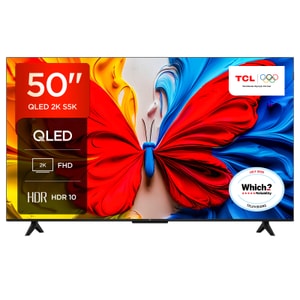
Screen Size: 50 inch • Resolution: Full HD (1920 x 1080) • Panel type: QLED
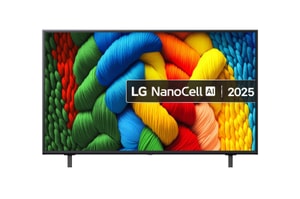
Screen Size: 50 inch • Resolution: 4K Ultra HD (3840 x 2160) • Panel type: LED
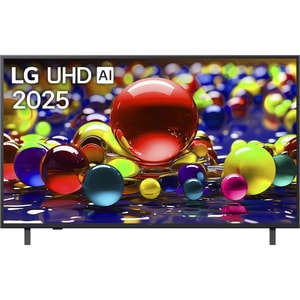
Screen Size: 50 inch • Resolution: 4K Ultra HD (3840 x 2160) • Panel type: LED
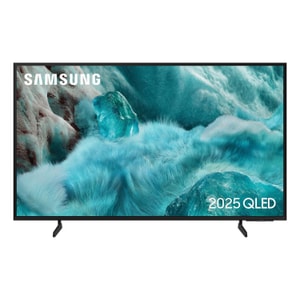
Screen Size: 50 inch • Resolution: 4K Ultra HD (3840 x 2160) • Panel type: QLED
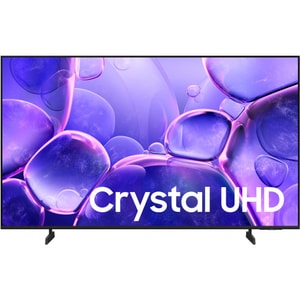
Screen Size: 50 inch • Resolution: 4K Ultra HD (3840 x 2160) • Panel type: LED
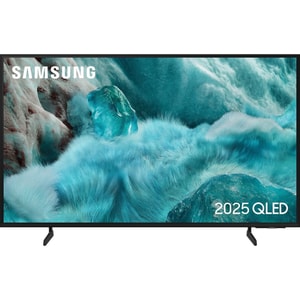
Screen Size: 50 inch • Resolution: 4K Ultra HD (3840 x 2160) • Panel type: QLED
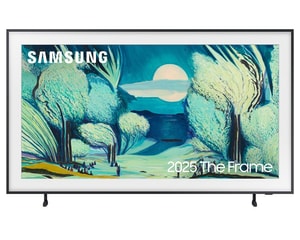
Screen Size: 50 inch • Resolution: 4K Ultra HD (3840 x 2160) • Panel type: QLED
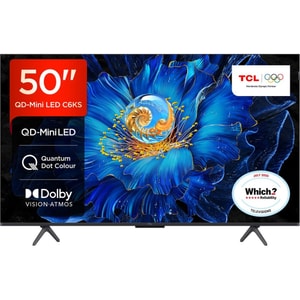
Screen Size: 50 inch • Resolution: 4K Ultra HD (3840 x 2160) • Panel type: Mini LED
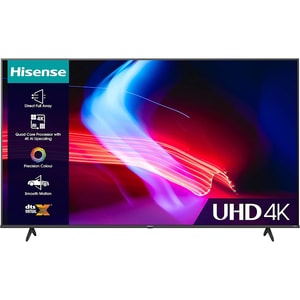
Screen Size: 50 inch • Resolution: 4K Ultra HD (3840 x 2160) • Panel type: LED
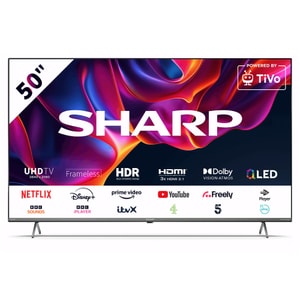
Screen Size: 50 inch • Resolution: 4K Ultra HD (3840 x 2160) • Panel type: QLED
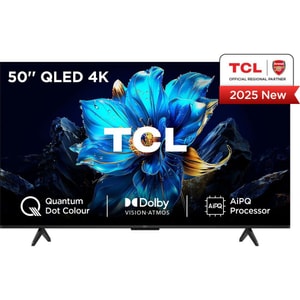
Screen Size: 50 inch • Resolution: 4K Ultra HD (3840 x 2160) • Panel type: QLED
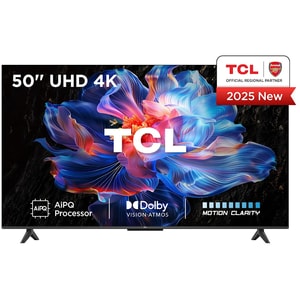
Screen Size: 50 inch • Resolution: 4K Ultra HD (3840 x 2160) • Panel type: LED
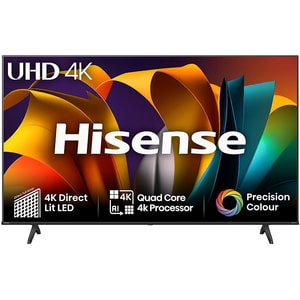
Screen Size: 50 inch • Resolution: 4K Ultra HD (3840 x 2160) • Panel type: LED
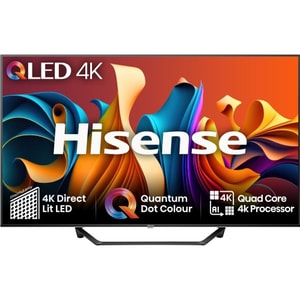
Screen Size: 50 inch • Resolution: 4K Ultra HD (3840 x 2160) • Panel type: QLED
What does a 50 inch smart TV actually give you?
A 50 inch screen sits in the middle of the mainstream size ladder, big enough for sport and films to feel cinematic, small enough to suit a flat or a smaller lounge. Almost every model at this size is now 4K Ultra HD (3840 x 2160), which is the spec to anchor your shortlist around. Full HD 50 inch sets still appear at the very bottom of the market, but you'll get sharper streaming and longer usable life from 4K. Read More...
For viewing distance, around two to two and a half metres from the screen is the comfortable zone. Closer than that and a 4K panel still holds up; further back and you'd feel the benefit of stepping up to 55 inches.
LED, QLED, Mini LED or QNED, which panel earns its keep?
Standard LED LCDs are the value baseline. Picture quality has come a long way, and for daytime telly, news and Freeview viewing they're plenty. If most of your watching is well-lit, an LED 50 inch smart TV from Hisense, TCL, Samsung, LG, Toshiba or Panasonic does the job without overspending.
QLED adds a quantum-dot layer that pushes colour volume harder, especially in bright rooms. A 50 inch QLED TV tends to look punchier on sport, animation and HDR streaming than a same-priced LED. Samsung, Hisense and TCL dominate this tier, with LG's QNED range using a similar quantum + nanocell approach.
Mini LED is the next jump up. Thousands of tiny backlight zones mean deeper blacks and brighter highlights without the price of OLED. If you watch a lot of films in a darkened room, a 50 inch Mini LED TV from TCL, Hisense or Samsung's Neo QLED range is the upgrade most people actually feel.
Will it cope with PS5, Xbox and 4K sport?
For console gaming and Premier League football, two specs matter more than the marketing: HDMI 2.1 and refresh rate. Most 50 inch smart TVs run at 60 Hz, which is fine for streaming and standard broadcast. A handful step up to 120 Hz or 144 Hz, which is what unlocks 4K/120 from a PS5 or Xbox Series X. Check the spec sheet for HDMI 2.1, VRR and ALLM on at least one port if you game seriously.
For sport, look at motion handling and brightness rather than refresh rate alone. A bright QLED or Mini LED panel pulls more detail out of a sunlit pitch than a dim LED.
Which smart platform suits how you watch?
The operating system shapes daily life with the TV more than any spec. Samsung uses Tizen, LG uses webOS, Hisense splits between VIDAA and Google TV, TCL uses Google TV or Fire TV, and Toshiba leans on Fire TV or VIDAA. All of them carry iPlayer, ITVX, All 4, My5, Netflix, Prime Video and YouTube. Differences show up in how fast the home screen feels, voice assistants (Alexa, Google), and casting (Chromecast or AirPlay).
Freeview Play is the UK glue that ties live channels and catch-up into one guide, and it's standard across the brands stocked. If you want to control everything by voice or pull TV audio into a smart speaker setup, double-check the assistant on the model you're considering.
Sound, ports and the boring stuff that matters
Slim TVs make slim sound. Even the better 50 inch smart TVs benefit from a soundbar, and an HDMI port with eARC is what lets a single cable carry Dolby Atmos and lossless audio to it. Three HDMI inputs is the practical minimum (console, soundbar, set-top box), with four worth chasing if you've a games library or a PC hooked up.
For wall-mounting, the common VESA patterns at this size are 200x200 and 300x300. Confirm the exact pattern on the model you choose so the bracket matches first time.
Frequently Asked Questions
Not for most UK rooms. The rule of thumb is a viewing distance of around 1.5 to 2.5 times the screen's diagonal in metres, which puts a 50 inch 4K TV comfortable from roughly 1.6 metres back. Because 4K resolution holds up close, you can sit nearer than you could with old HD sets without seeing pixels.
The screen measures around 127 cm corner to corner. Total width including bezel is typically 111 to 113 cm, so any unit or alcove of 115 cm and up should accommodate one. Always check the model's listed dimensions before committing to a tight space.
4K is a resolution, every modern 50 inch smart TV worth buying has it. QLED is an LCD with quantum dots layered in for richer colour, especially in bright light. Mini LED is a backlight upgrade with hundreds or thousands of dimming zones for deeper contrast. Move up the ladder if you watch a lot of HDR films; stick with 4K LED if you mostly stream daytime telly.
Almost all UK-spec models from Samsung, LG, Hisense, TCL, Toshiba, Panasonic and Sharp ship with Freeview Play, which combines live channels with iPlayer, ITVX, All 4 and My5 in one guide. If a set is sold cheap as a "world model" or imported, Freeview Play may be missing, so check the listing.
If you own a PS5, Xbox Series X or a 40-series GeForce GPU, yes. HDMI 2.1 is what carries 4K at 120 Hz, plus VRR and ALLM for tear-free, low-lag gaming. For everyday streaming and Freeview, HDMI 2.0 is fine, so don't overpay for 2.1 ports you'll never plug into.
HDR10 and HLG are the universal baseline and every model in this size carries them. Dolby Vision and HDR10+ are dynamic formats that adjust scene by scene; Dolby Vision is broader on streaming services, HDR10+ shows up on Samsung and Panasonic. The format only helps if the panel is bright enough to use it, which is where QLED and Mini LED earn their badge.
Probably, but check two numbers: the total width of the TV (most are 111 to 113 cm) and the spacing between the feet, which varies by brand. Samsung and Hisense often use widely spaced feet that need a longer surface; TCL and LG more frequently use a central pedestal that suits narrower units.
A bit. UK 50 inch smart TVs typically sit between E and G on the current scale. The difference between rungs over a year of average viewing usually translates to a few pounds, not a lot, but Mini LED and very bright QLED models tend to land lower on the scale. If you watch a lot, factor it in alongside picture quality.