
Air Purifiers
- Relevance
- Price: Low - High
- Price: High - Low
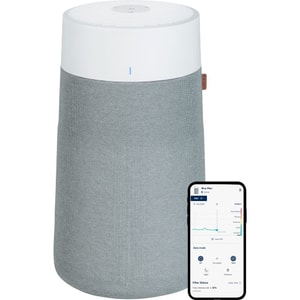
Type: Air purifier • CADR (smoke): 239 m³/h • Suitable for room size up to: 48 m²
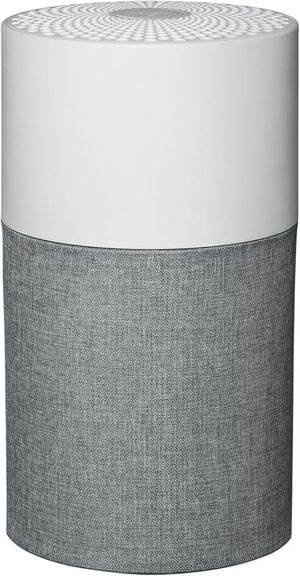
Type: Air purifier • CADR (smoke): 207.25 m³/h • Suitable for room size up to: 38 m²
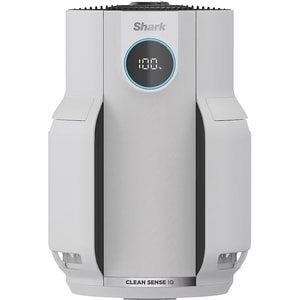
Type: Air Purifier • CADR (smoke): 147 m³/h • Suitable for room size up to: 60 m²
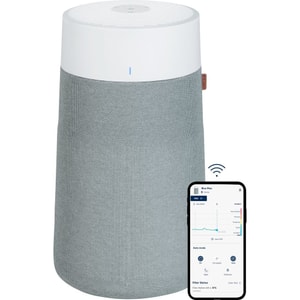
Type: Air purifier • CADR (smoke): 510 m³/h • Suitable for room size up to: 103 m²
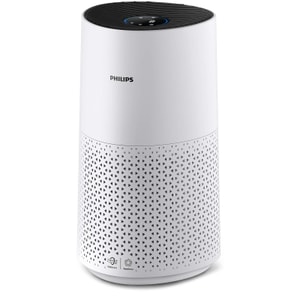
Type: Air Purifier • CADR (smoke): 300 m³/h • Suitable for room size up to: 78 m²
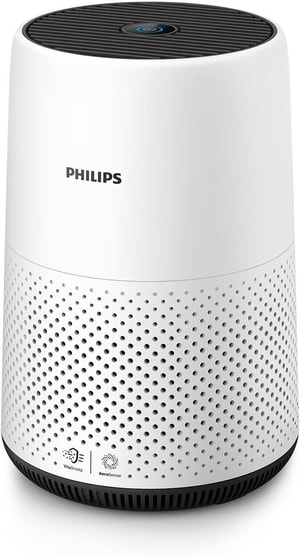
Type: Air purifier • CADR (smoke): 190 m³/h • Suitable for room size up to: 49 m²
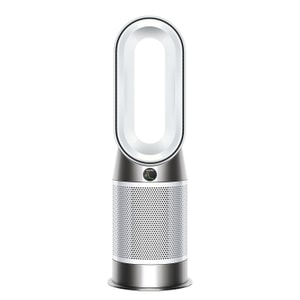
Type: Hot and Cool Purifier • Suitable for room size up to: 81 m³ • Noise Level: 63 dB
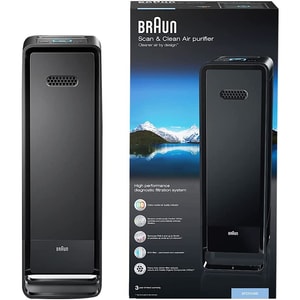
Type: Air Purifier • CADR (smoke): 315 m³/h • Suitable for room size up to: 129 m²
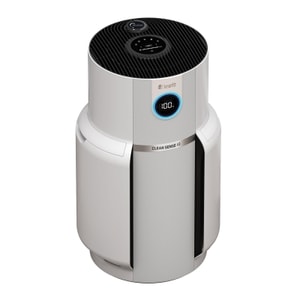
Type: Air Purifier • CADR (smoke): 346 m³/h • Suitable for room size up to: 130 m²
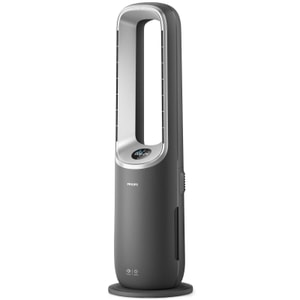
Type: Air purifier + Cooling fan + Heater • CADR (smoke): 270 m³/h • Suitable for room size up to: 70 m²
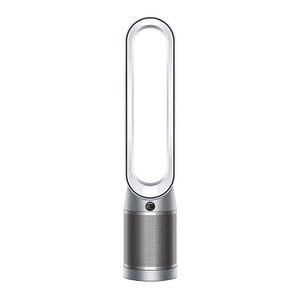
Type: Air purifier + Fan • CADR (smoke): 161 m³/h • Suitable for room size up to: 27 m²
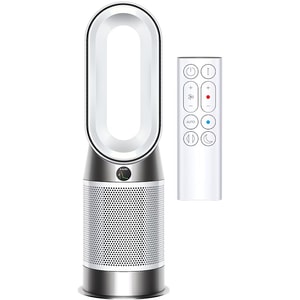
Type: Purifier + Fan + Heater • CADR (smoke): 92 m³/h • Suitable for room size up to: 27 m²
Enhance Your Indoor Air Quality with the Perfect Air Purifier
In today's world, maintaining a clean and healthy indoor environment has become more important than ever. Air purifiers play a crucial role in improving the air quality within our homes, filtering out pollutants, allergens, and odours that can affect our health and wellbeing. At PricePop, we understand the significance of choosing the right air purifier to suit your specific needs. This comprehensive guide will delve into the intricacies of air purifiers, answering potential questions you may have and helping you make an informed decision. Read More...
Understanding the Importance of Air Purifiers
Indoor air can often be more polluted than the air outside, especially in urban environments. Factors such as dust, pollen, pet dander, mould spores, and volatile organic compounds (VOCs) from household products contribute to poor air quality. For individuals with allergies, asthma, or other respiratory conditions, these pollutants can exacerbate symptoms and reduce quality of life. Air purifiers work by removing these contaminants, providing cleaner, fresher air.
Types of Air Purifiers
A common question buyers have is: What type of air purifier is best for my needs? Understanding the different technologies available is key to making the right choice.
HEPA Filters (High-Efficiency Particulate Air)
HEPA filters are renowned for their effectiveness, removing at least 99.97% of airborne particles as small as 0.3 microns. This includes common allergens like dust mites, pollen, and mould spores. If you suffer from allergies or asthma, an air purifier with a true HEPA filter is highly recommended. It's important to ensure the purifier uses a genuine HEPA filter rather than a "HEPA-type" or "HEPA-like" filter, which may not meet the same standards.
Activated Carbon Filters
These filters are excellent for absorbing odours, gases, and VOCs from the air. If you're dealing with unpleasant smells from cooking, pets, or smoke, an air purifier with an activated carbon filter can make a significant difference. It's also beneficial for those sensitive to chemical fumes from cleaning products or paints.
UV-C Light Purifiers
Ultraviolet germicidal irradiation (UVGI) uses UV-C light to destroy bacteria, viruses, and other microorganisms. While effective for sterilising the air, it's crucial to choose models that do not produce ozone, as ozone can be harmful to health. UV-C purifiers are ideal for those concerned about airborne germs, particularly in households with vulnerable individuals.
Ionisers
Ionisers emit negative ions that attach to airborne particles, causing them to fall out of the air or be trapped on a charged plate within the purifier. While they can reduce particulates, some ionisers may produce ozone as a by-product. If considering an ioniser, look for models that are certified ozone-free.
Key Considerations When Choosing an Air Purifier
Selecting the right air purifier involves evaluating several factors to ensure it meets your specific requirements.
Room Size and Coverage
One of the first considerations is: Will the air purifier be effective in my space? Manufacturers specify the maximum room size their purifiers can handle, usually in square metres. Additionally, the Clean Air Delivery Rate (CADR) indicates how quickly the purifier can clean the air in a given space. Higher CADR values mean faster purification. Ensure the model you choose matches or exceeds the size of your room for optimal performance.
Filter Replacement and Maintenance
Maintenance is a critical aspect. How often will I need to replace the filters, and how much will it cost? HEPA filters typically last between six to twelve months, while activated carbon filters may need replacing every three to six months, depending on usage and air quality. Replacement costs vary, so consider this ongoing expense when making your decision. Models with filter replacement indicators are helpful, reminding you when it's time for a change to maintain efficiency.
Noise Level
If you plan to use the air purifier in a bedroom or quiet space, you might wonder: How loud is the air purifier? Noise levels are measured in decibels (dB). Purifiers operating at or below 50 dB are generally considered quiet and suitable for nighttime use. Some models feature a sleep mode that reduces fan speed and noise, ensuring a peaceful environment while you rest.
Energy Efficiency
Given that air purifiers often run continuously, energy consumption is a valid concern. Will the air purifier significantly increase my electricity bill? Look for models with energy-efficient designs or those with an Energy Star certification, indicating they meet strict efficiency guidelines. Energy-saving modes can further reduce consumption, making the appliance more economical to operate.
Air Quality Sensors and Auto Mode
Modern air purifiers often include smart features. Can the air purifier adjust itself based on air quality? Units with built-in sensors detect pollutant levels and automatically adjust their operation to maintain optimal air quality. Real-time air quality displays keep you informed, and auto mode ensures the purifier works efficiently without manual intervention.
Smart Features and Connectivity
For tech-savvy users, the question arises: Can I control the air purifier remotely? Many contemporary models offer Wi-Fi connectivity, allowing you to operate the purifier via a smartphone app. Integration with virtual assistants like Amazon Alexa or Google Assistant enables voice control, adding convenience and flexibility to your air treatment routine.
Design and Aesthetics
Since the air purifier will be a part of your living space, you might ask: Will it fit with my home décor? Manufacturers offer a variety of designs, from sleek and modern to understated and traditional. Consider the size and portability as well - compact models are easier to place and move around if needed.
Addressing Specific Health Concerns
Your personal health needs greatly influence your choice. Which air purifier is best for allergies or asthma? For allergy sufferers or those with asthma, a purifier with a true HEPA filter is essential. Some models have received certification from organisations like the British Allergy Foundation, indicating they are effective at removing allergens.
As a pet owner, how can I reduce pet dander and odours? Air purifiers with both HEPA and activated carbon filters are effective at capturing pet hair, dander, and neutralising odours, creating a more comfortable environment for both you and your pets.
I'm sensitive to chemical fumes. What should I look for? If you have sensitivities to VOCs or chemical pollutants, prioritise air purifiers with substantial activated carbon filters or additional technologies designed to target these substances.
Ozone Emission Concerns
Health-conscious buyers often ask: Does the air purifier emit ozone? Ozone can be harmful when inhaled, so it's important to choose purifiers that do not produce ozone or are certified as safe. Avoid ozone generators marketed as air purifiers, as they can pose health risks.
Integration with Other Air Treatment Appliances
To enhance your indoor environment, consider how the air purifier will work alongside other appliances. Can I use the air purifier with my Fans, Heaters & Air Treatment devices? Yes, air purifiers complement these appliances. For instance, during the colder months, using a heater can lead to dry air. An air purifier can help maintain air quality while the heater provides warmth. Similarly, combining an air purifier with a dehumidifier can significantly improve indoor air by removing pollutants and controlling humidity levels, which can inhibit mould growth.
Maintenance and Ease of Use
How easy is it to maintain the air purifier? User-friendly models have simple controls and easy access to filters for replacement or cleaning. Regular maintenance is essential to keep the purifier functioning efficiently.
Brand Reputation and Customer Support
When investing in an appliance, it's wise to consider: Which brands are reliable? Established brands with positive customer reviews often provide better quality products and customer service. They may also offer longer warranties, giving you peace of mind. At PricePop, we feature a range of trusted brands to help you find an air purifier that meets your expectations.
Cost and Budget Considerations
A practical question is: How much should I spend on an air purifier? Prices vary widely based on features, capacity, and brand. While it's tempting to opt for the least expensive option, consider the long-term benefits of investing in a quality purifier. Factor in the cost of replacement filters and energy consumption when evaluating overall value.
Environmental Impact
Eco-conscious buyers might wonder: Are there environmentally friendly air purifiers? Yes, some models are designed with sustainable materials and focus on energy efficiency. Choosing such a purifier reduces your environmental footprint and can lead to energy savings over time.
Making an Informed Decision with PricePop
At PricePop, we aim to simplify your shopping experience. Our platform allows you to compare prices and features across a wide range of air purifiers, ensuring you find the best value. We provide detailed product information and expert insights to assist you in selecting the right appliance. Choosing the right air purifier involves considering various factors, from the type of filtration and room size to specific health concerns and additional features. By understanding your unique needs and the options available, you can select an air purifier that effectively improves your indoor air quality, enhancing comfort and contributing to a healthier home environment.
Remember, an air purifier is an investment in your wellbeing. Integrating it with other Fans, Heating & Air Treatment appliances like heaters and dehumidifiers can further optimise your indoor climate. Whether you're aiming to reduce allergens, eliminate odours, or create a cleaner living space, the right air purifier can make a significant difference. Explore our extensive range of air purifiers at PricePop, where quality meets affordability. Let us help you find the perfect appliance to create a comfortable and healthy home for you and your family.