
Fans, Heating & Air Treatment
Comfort upgrades do not need to blow the budget. Compare prices on fans, heaters, dehumidifiers and air purifiers and avoid paying extra for the same appliance.
How to choose fans, heating and air treatment appliances for year-round comfort
Home comfort usually comes down to three things: temperature, humidity, and the quality of the air in the room. A practical shortlist starts with the problem you want to fix, because a heater will not remove damp, and an air purifier will not warm a room. This guide uses common UK buying terms, from “oil filled radiator” and “ceramic fan heater” to “desiccant dehumidifier for laundry” and “HEPA air purifier for bedroom”. Read More...
Start with the problem you are solving: too cold, too damp, stale air, or summer airflow
If a room feels cold, you are usually shopping in Heaters & Radiators. If you are dealing with condensation, musty smells, or clothes that will not dry indoors, Dehumidifiers are often the more direct fix because they remove moisture from the air. If your goal is to reduce airborne particles and odours, Air Purifiers are the relevant category.
Fans sit slightly differently. A tower fan, desk fan, or pedestal fan can improve comfort in warm weather by moving air, but it does not lower the room temperature in the way a portable air conditioner would.
Heaters & Radiators: choose a heater type that matches quick warmth or background comfort
Most shoppers start with “portable heater” and then narrow by how the heat is delivered.
- ceramic fan heater: fast heat for short bursts, useful for small rooms because it warms the air quickly.
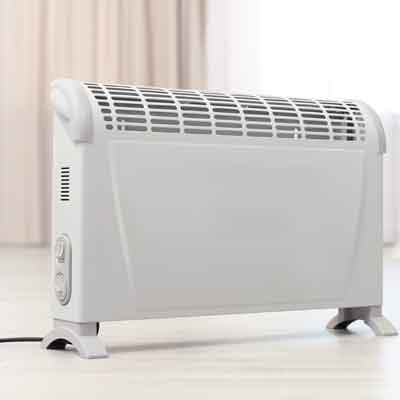
- convector heater: steadier background warmth, often chosen when you want heat without a strong blast of air.
- oil filled radiator: consistent warmth that lingers after switch-off, often preferred for bedrooms because it does not rely on a fan.
For bathrooms, “bathroom heater” searches are common. The key is suitability for bathroom zones and moisture, so always follow the manufacturer’s installation guidance.
Value is usually about how you use it. If you only need occasional top-up heat, a simpler heater can be fine. If you rely on it daily, controls and safety features matter more than extra modes.
Heater controls and safe use: thermostat, tip-over protection, and sensible placement
Portable heating is an area where safe use is also the sensible choice. A thermostat helps maintain a set temperature rather than running flat out. Timers reduce the risk of leaving the heater on longer than intended.
Look for overheat protection and a tip-over switch on portable models. Place heaters on a stable, level surface and keep them well away from curtains, bedding and furniture. Avoid drying clothes directly on, or very close to, a heater. It increases fire risk and can restrict airflow.
If you need to warm a room where clothes are drying, warm the room safely and use a dehumidifier to manage moisture, rather than using the heater as a drying rail.
Dehumidifiers: compressor vs desiccant, and what “12L” or “20L” usually means
A lot of buyers start with “12L dehumidifier” or “20L dehumidifier”. That usually refers to extraction rate, measured as litres removed per day. It is useful, but it should be matched to room size and moisture level.
Technology choice often matters more:
- compressor dehumidifiers tend to suit warmer, centrally heated rooms.
- desiccant dehumidifiers often perform better in cooler areas such as utility rooms, conservatories, and cold corners of the home.
This is why “dehumidifier for condensation” and “dehumidifier for drying clothes” searches often lead to different models depending on where the unit will run.
Also check the everyday details: tank size, a laundry mode if offered, and a continuous drain option if you want overnight use without emptying a tank. If noise matters, treat “quiet dehumidifier” as a key requirement and compare sound levels on lower settings.
Laundry drying and condensation: use a humidistat and avoid over-drying
A dehumidifier removes moisture, so it can reduce condensation. It can also make the air feel too dry if you set the target too low or run it constantly. Prioritise a built-in humidistat (target humidity control) so the unit cycles on and off and maintains a stable level.
For indoor drying, place the dehumidifier in the same room as the airer and keep airflow clear around the unit. If the room is very cold, a desiccant model is often more suitable because compressor models can be less effective at lower temperatures. Humidity control also works best alongside basic ventilation habits, because moisture problems are often a mix of humidity and limited airflow.
Air Purifiers: HEPA, activated carbon, CADR and choosing the right size for your room
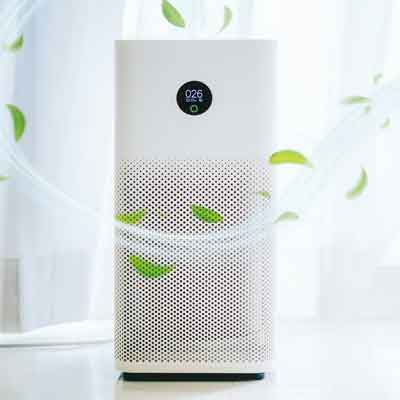
Common searches include “air purifier for allergies”, “air purifier for pets”, “air purifier for smoke”, and “quiet air purifier for bedroom”. The useful way to shop is to map those needs to filtration and room size.
A HEPA filter is designed to capture fine airborne particles such as dust and pollen. An activated carbon filter is typically used for odours and some gases. Pre-filters capture larger particles and can extend the life of the main filter, which matters because filter replacement is part of the long-term cost.
Sizing matters because purification speed depends on airflow. Where provided, CADR (Clean Air Delivery Rate) indicates how quickly the unit can deliver cleaned air. Higher CADR generally means faster cleaning for a given room size. For bedrooms, prioritise noise levels and a practical night setting over maximum speed.
Fans and multi-function units: what they do well and what to check before you buy
Fans are often bought for immediate comfort in warm weather. A tower fan is popular where floor space is limited, while a pedestal fan can suit larger rooms where you want adjustable height and direction.
Some products combine functions, such as a purifier plus fan plus heater. These can reduce clutter, but check the trade-offs: combined units may be louder at the airflow needed for larger rooms, and heater output may be lower than a dedicated portable heater. Decide which function is essential and treat the rest as a bonus.
Make improvements stick: connect air quality to Laundry and Floorcare routines
Comfort appliances work best when the routine supports them. If damp is driven by indoor clothes drying, Laundry habits and dehumidifier use should be planned together, particularly in winter. If you are buying an air purifier because of dust or pet hair, it pairs well with Floorcare, because regular vacuuming and clean filters reduce the amount of airborne debris the purifier has to handle.
Start with the category that matches the real problem, then refine by room size, noise, and the controls you will actually use every week.