
Appliances
Spend smarter on home appliances. PricePop price comparison helps you compare prices across retailers and brands, so your budget goes further.
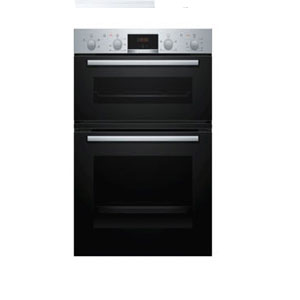
Choosing the right home appliances for your household
Upgrading appliances is simplest when you start with what will actually change day-to-day life: the space you have, how you cook and clean, and how often each machine is used. This guide is designed to help you make confident choices across home appliances without getting lost in marketing labels or feature lists. Read More...
Start with space and installation: measurements, access, and freestanding vs integrated
Installation is the first filter because it removes options that will never fit.
- Freestanding models suit most homes and are usually simpler to install, replace and service.
- Integrated (built-in) models sit behind cabinetry for a seamless finish, but they rely on precise measurements and practical access for maintenance.
Measure the usable height, width and depth where the appliance will sit, then allow for door swing, ventilation gaps, and the extra depth needed for hoses and plugs. If the appliance is going into a flat or upstairs room, also check the route from the entrance to the installation point, including tight corners and stair turns.
Choose the department that matches the job you need done
A useful way to narrow choice is to start with the task you are improving, then compare like for like within that area:
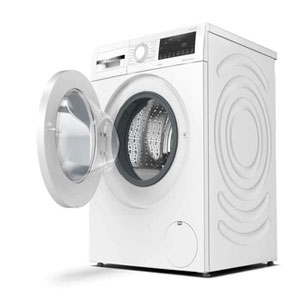
- Laundry: washing, drying, and one-footprint washer dryer options for smaller homes.
- Cooking: ovens, hobs, cookers, microwaves and cooker hoods, plus choices between gas, electric and induction.
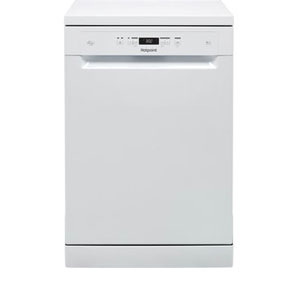
- Dishwashers: integrated and freestanding formats, with programme types that suit everyday mixed loads.
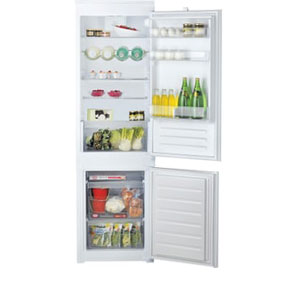
- Fridges and Freezers: size, internal layout, and temperature stability for your weekly shop.
- Small Kitchen Appliances: everyday helpers that save time, from kettles and toasters to coffee machines, air fryers and mixers.
- Floorcare: vacuums, carpet cleaners and hard-floor tools, where handling and storage can matter as much as raw power.
- Fans, Heating & Air Treatment: comfort appliances chosen by room size, noise level and the type of heat or airflow you prefer.
Price and value: cheap upfront versus cheaper to run
Many shoppers search for cheaper models first, but good value usually means balancing upfront cost with running costs and the time you will spend using the appliance.
- If you run an appliance most days, running costs and efficiency can matter more than a small difference in purchase price.
- If you only use an appliance occasionally, a cheaper option can be sensible, provided it still meets the basics on size, safety and usability.
Where an energy label is available, use it to compare similar products in the same category and size. For dryers in particular, the technology choice can make a meaningful difference to long-term costs and cycle time. Heat pump models are typically cheaper to run, while vented models are often cheaper upfront, with condenser models sitting between for many households.
Capacity and layout: the decisions that affect convenience every week
Capacity is not just a spec. It changes how often you run cycles and how easy it is to handle bulkier loads.
- In Laundry, choose a drum size you will comfortably fill most weeks, and remember washer dryers typically dry less than they wash.
- In Fridges and Freezers, layout is often more important than headline litres. Consider where tall bottles, wide trays and bulk items will go, and whether the door swing suits your kitchen.
- In Dishwashers, the most practical test is whether your everyday plates, pans and glasses fit without awkward stacking. If you use larger cookware, rack height adjustment can be more valuable than niche programmes.
Features worth paying for, and what to treat as optional
A short list of genuinely useful features tends to beat a long list of rarely used modes.
- In Laundry, a reliable quick wash, clear temperature control, and sensible programmes you will use weekly are usually more valuable than novelty cycles.
- In Dishwashers, sensor-led options and drying settings can be useful if you want consistent results with less pre-rinsing.
- In Fridges and Freezers, No Frost can reduce manual maintenance, but only you can judge whether it is worth paying extra for your routine.
- In Cooking, the best setup depends on how you cook. Some households value induction for speed and easier cleaning, others prefer gas control, and many like electric ovens for consistent heat.
You will also see branded terms such as AI, steam care or auto dosing. Treat these as prompts to confirm the underlying feature in the specification list, because names vary between ranges.
Reliability, repairs and aftercare: protect the home appliances you pay for
Appliances are long-term purchases, so it is worth thinking beyond day one.
- Usability matters: clear controls and a layout that suits your space can prevent regret.
- Maintenance matters: easy-to-access filters, drawers and seals make it more likely you will keep performance stable.
- Service access matters: integrated installs can look great, but they can be less forgiving if access is tight.
If you have a choice between similar models, pick the one that is easier to live with and easier to maintain, not the one with the longest feature list.
Build a joined-up home: entertainment and personal care also matter
If you are upgrading the living room as well as the kitchen, explore TV & Audio for televisions, sound bars and speakers. Looking for personal care appliances such as hair styling tools and male grooming tools? Browse Health & Beauty Electricals for shavers and hair tools.
This approach keeps your shortlist focused: choose the full department first, confirm fit and capacity, then compare value using the features you will actually use.