
Cooking Appliances
Upgrade your kitchen without overspending. Compare prices on ovens, hobs, cookers, microwaves and cooker hoods, and pay less with cheaper deals.

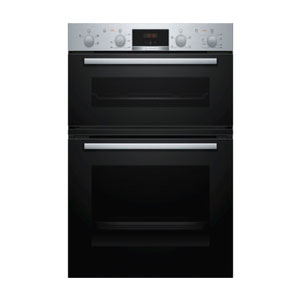
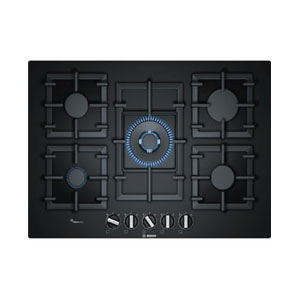
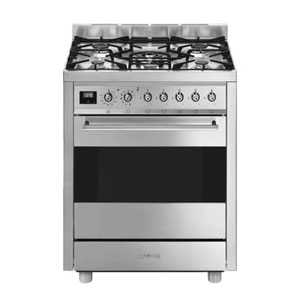
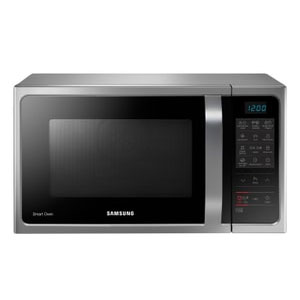
Cooking appliances: choose the right setup for your kitchen and your cooking style
Cooking upgrades go best when you narrow options in the same order you will feel them at home: fit and installation first, then the appliance type, then the features you will use every week. This guide covers the main choices across ovens, hobs, cookers, microwaves and ventilation, plus the long-tail searches shoppers often use such as “single oven”, “induction hob”, “dual fuel cooker” and “built-in microwave”. Read More...
Choose what you are building around: Ovens and Hobs, Cookers, or Microwaves
Most kitchens fall into one of these approaches:
- Separate Ovens and Hobs: common in fitted kitchens where you want the oven at a comfortable height and a clear worktop line.
- Cookers: an all-in-one replacement that combines oven and hob in one footprint.
- Microwaves alongside a smaller oven: useful when space is limited, or you want faster weeknight cooking.
If you are replacing an existing appliance, confirm width and connection type early. A standard built-in oven is often 60 cm wide, while cookers and range cookers are commonly wider.
Ovens: what “single oven”, “double oven” and “built-under” mean in practice
Long-tail searches here include “built-in single oven”, “double oven”, and “built-under double oven”. The right choice depends on how you cook:
- A single oven suits most homes and is straightforward for everyday roasting and baking.
- A double oven can be handy if you regularly need a grill and an oven at the same time, or you cook multiple dishes together.
If cleaning effort matters, look for pyrolytic self-cleaning or catalytic liners. If you batch cook or bake often, consistent temperature control and a stable shelf system usually matter more than niche programmes.
Hobs: induction hob, gas hob and ceramic hob, plus zone and burner layouts
Many shoppers start with technology terms such as “induction hob”, “gas hob” or “ceramic hob”, then refine by layout, for example “4 zone induction hob” or “5 burner gas hob”.
- Induction can feel very responsive and is efficient because heat is generated in the pan. You will need compatible cookware, which you can usually check with a magnet.
- Gas offers visible flame control and works with any pan, but it benefits from good ventilation and needs more cleaning around burners.
- Ceramic is a smooth, wipe-clean surface, but it can feel less immediate than induction when you change temperature.
If you cook with large pans, check zone spacing and whether there is a larger zone for wok or stockpot use.
Cookers: electric cookers, dual fuel cookers and the size question
Cookers are often searched by fuel and width, for example “electric cookers”, “dual fuel cookers”, “60 cm cooker” and “90 cm range cooker”.
- Electric cookers can be a practical choice for consistent oven performance.
- Dual fuel cookers pair an electric oven with a gas hob, which suits cooks who prefer gas control on top.
- Range cookers add extra cavities and hob space, but they require room planning and are a bigger commitment.
Before buying, measure the gap, check door clearance, and confirm whether the model needs a dedicated electrical supply or a gas connection.
Microwaves: solo, combination and built-in microwave options
Microwave searches tend to include “combination microwave”, “built-in microwave”, “integrated microwave” and “microwave with grill”.
- A solo microwave covers reheating and defrosting with simple controls.
- A combination microwave adds grill and oven-style functions, which can be useful in smaller kitchens or for flexible cooking.
If you want a seamless look, built-in models need the correct cabinet niche and ventilation allowance. If you are matching finishes, “black microwaves” usually refers to a dark door and fascia designed to sit alongside black or dark steel cooking appliances.
Cooker Hoods: ducted vs recirculating, and why width matters
Ventilation is often overlooked, but it affects comfort, odours and grease build-up. Cooker hood searches commonly include “chimney cooker hood”, “integrated cooker hood”, “ducted extractor” and “recirculating cooker hood”.
- Ducted extraction vents air outside and can be effective when you have a suitable route.
- Recirculating models filter and return air to the room, which can work when ducting is not possible, but filters need regular replacement.
As a rule of thumb, match hood width to the hob where possible, often 60 cm or 90 cm, and consider noise if your kitchen is open-plan.
Fit, safety and everyday value: the checks that prevent regret
A few checks avoid most costly surprises:
- Confirm cabinet cut-outs, handle clearance and door swing for built-in appliances.
- Check the electrical requirements for induction hobs and larger ovens before purchase.
- For gas hobs and dual fuel cookers, use a Gas Safe registered engineer.
For better value, prioritise the features you will use weekly, such as easy-to-clean surfaces, clear controls, and ventilation that suits your room, rather than paying for rarely used modes.
Complete the kitchen: storage, cleaning and quick everyday upgrades
Cooking decisions often link to the rest of the kitchen:
- Dishwashers can make everyday cooking feel easier by reducing the clear-up.
- Fridges & Freezers shape how you store ingredients, batch cook and manage weekly shops.
- Small Kitchen Appliances can deliver quick wins like air fryers, coffee machines and food prep tools if you want a noticeable upgrade without changing the main appliances.