
Black Microwaves

A black microwave pulls a kitchen together when your hob, oven or kettle already lean dark. The choice splits across solo, grill and combination models, freestanding or built-in, in matte and gloss black or black stainless steel, with wattages and capacities to match how you actually cook.

- Relevance
- Price: Low - High
- Price: High - Low
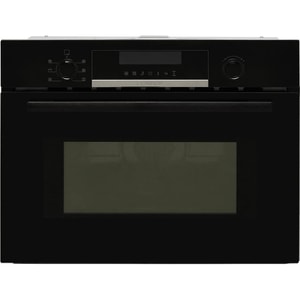
Combination Microwave • Capacity: 44 L • Power: 900 W
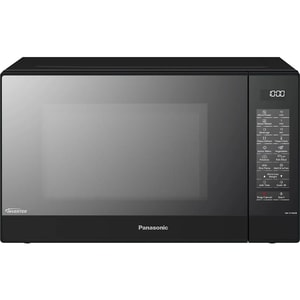
Solo Microwave • Capacity: 32 L • Power: 1000 W
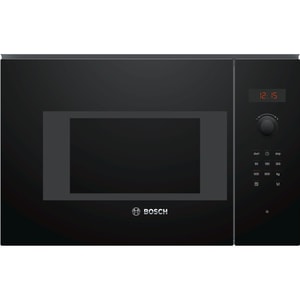
Solo Microwave • Capacity: 20 L • Power: 800 W
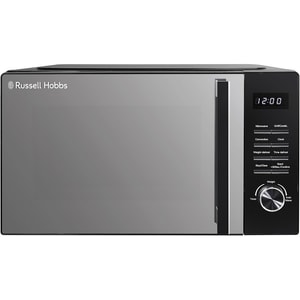
Type: Combination • Capacity: 23 L • Microwave Power: 900 W
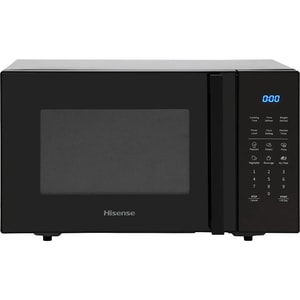
Type: Solo • Capacity: 25 L • Microwave Power: 900 W
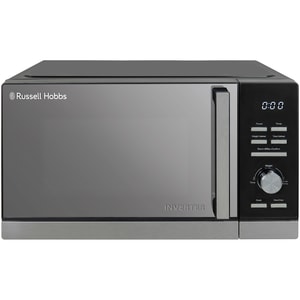
Type: Solo • Capacity: 25 L • Microwave Power: 900 W
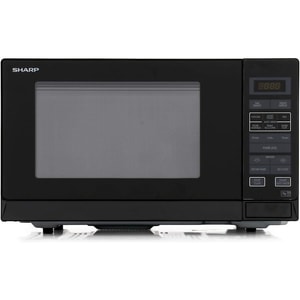
Type: Solo • Capacity: 25 L • Microwave Power: 900 W
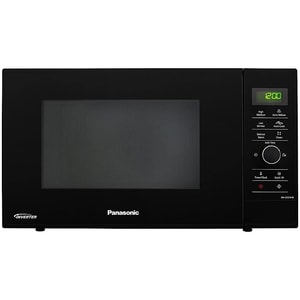
Solo Microwave • Capacity: 23 L • Power: 1000 W
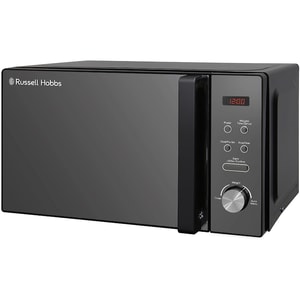
Type: Solo • Capacity: 20 L • Microwave Power: 800 W
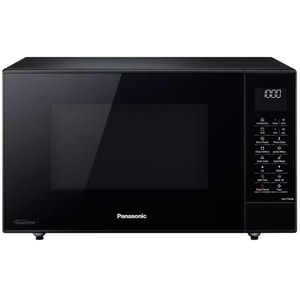
Combination Microwave • Capacity: 27 L • Power: 1000 W
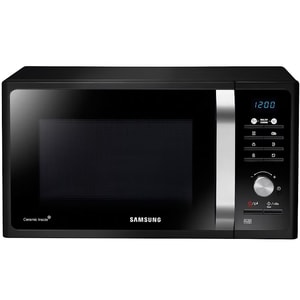
Solo Microwave • Capacity: 23 L • Power: 800 W
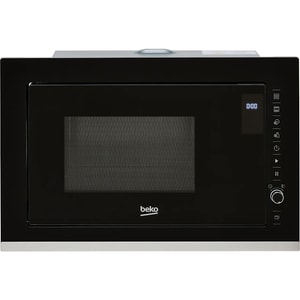
Solo Microwave with grill • Capacity: 25 L • Power: 900 W
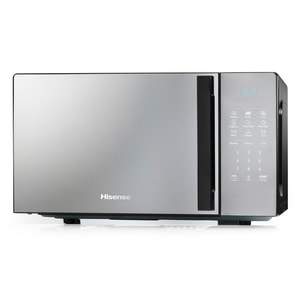
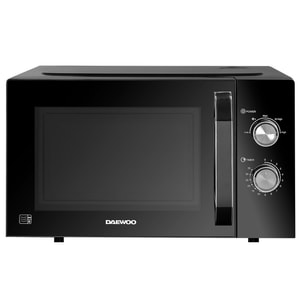
Type: Solo • Capacity: 23 L • Microwave Power: 800 W
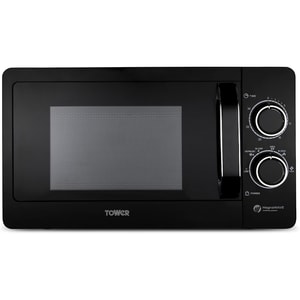
Solo Microwave • Capacity: 20 L • Power: 800 W
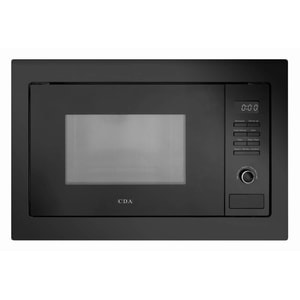
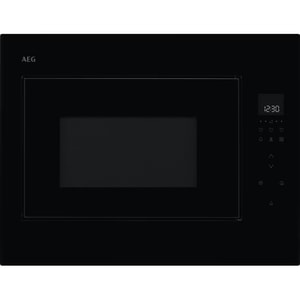
Type: Solo With Grill • Capacity: 26 L • Microwave Power: 900 W
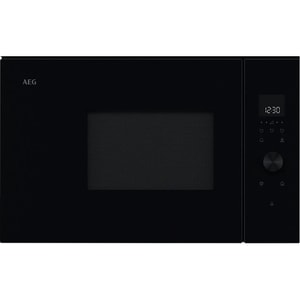
Type: Solo • Capacity: 17 L • Microwave Power: 800 W
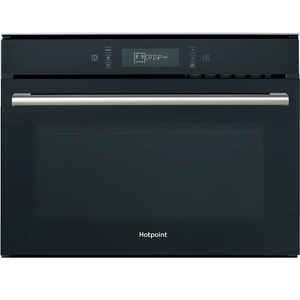
Combination Microwave • Capacity: 40 L • Power: 900 W
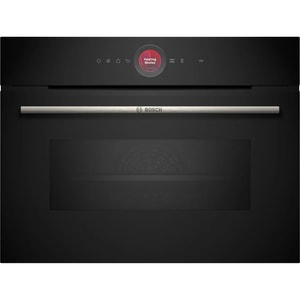
Type: Combination • Capacity: 45 L • Microwave Power: 900 W
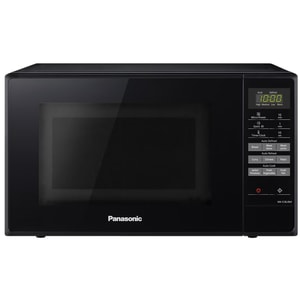
Type: Solo • Capacity: 20 L • Microwave Power: 800 W
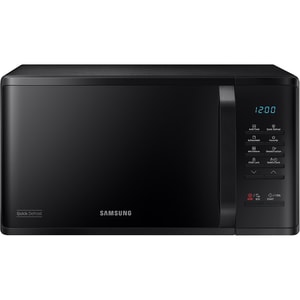
Type: Solo • Capacity: 23 L • Microwave Power: 800 W
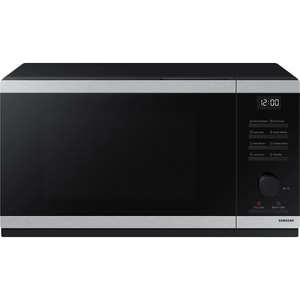
Type: Solo • Capacity: 23 L • Microwave Power: 800 W
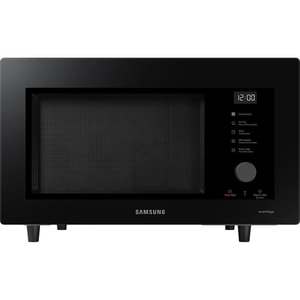
Type: Combination • Capacity: 32 L • Microwave Power: 900 W
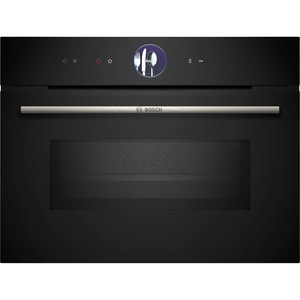
Type: Combination • Capacity: 45 L • Microwave Power: 900 W
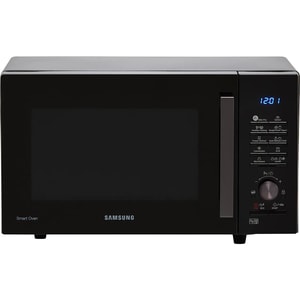
Type: Combination • Capacity: 28 L • Microwave Power: 900 W
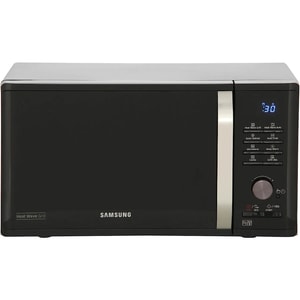
Type: Solo With Grill • Capacity: 23 L • Microwave Power: 800 W
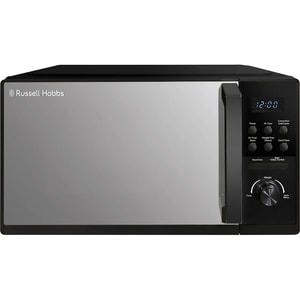
Type: Combination • Capacity: 25 L • Microwave Power: 900 W
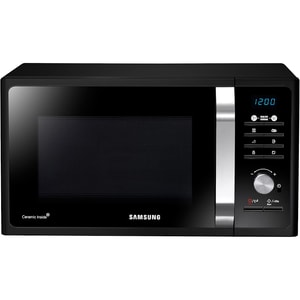
Type: Solo • Capacity: 23 L • Microwave Power: 800 W
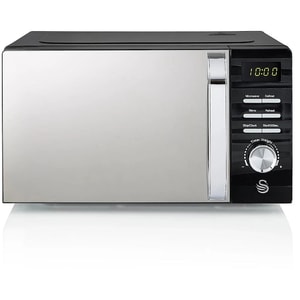
Type: Solo • Capacity: 20 L • Microwave Power: 700 W
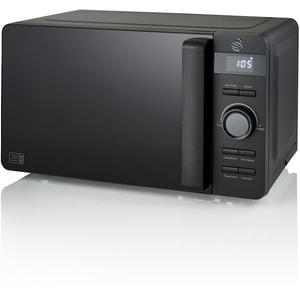
Type: Solo • Capacity: 20 L • Microwave Power: 800 W
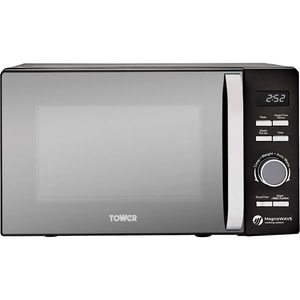
Type: Solo • Capacity: 20 L • Microwave Power: 800 W
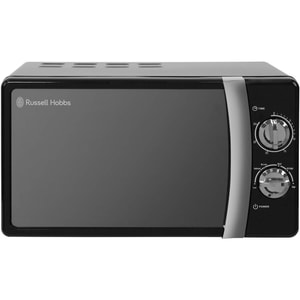
Type: Solo • Capacity: 17 L • Microwave Power: 700 W
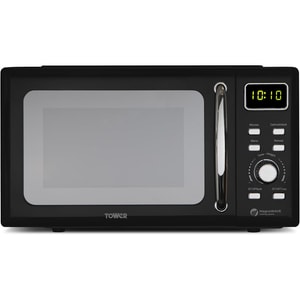
Type: Solo • Capacity: 20 L • Microwave Power: 800 W
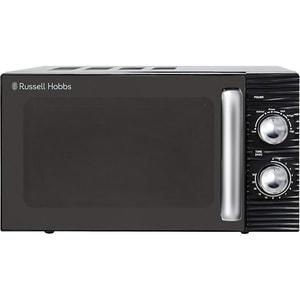
Type: Solo • Capacity: 17 L • Microwave Power: 700 W
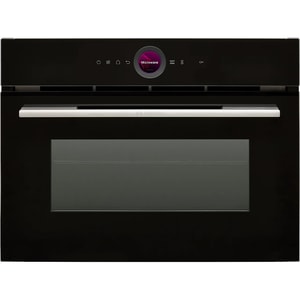
Type: Combination • Capacity: 36 L • Microwave Power: 1000 W
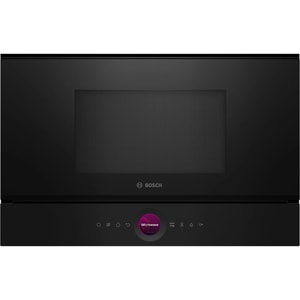
Type: Solo • Capacity: 21 L • Microwave Power: 900 W
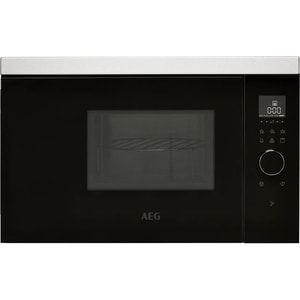
Type: Solo With Grill • Capacity: 17 L • Microwave Power: 800 W
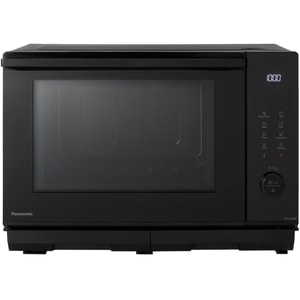
Type: Combination • Capacity: 27 L • Microwave Power: 1000 W
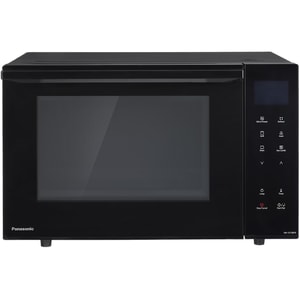
Type: Combination • Capacity: 23 L • Microwave Power: 1000 W
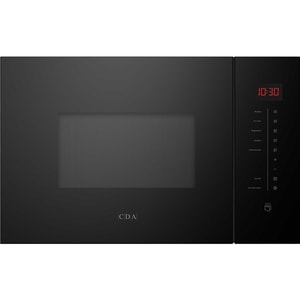
Type: Solo With Grill • Capacity: 25 L • Microwave Power: 900 W
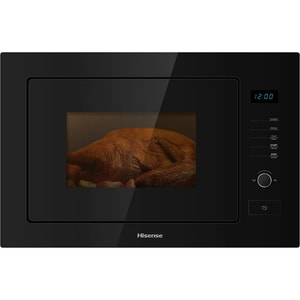
Type: Solo With Grill • Capacity: 25 L • Microwave Power: 900 W
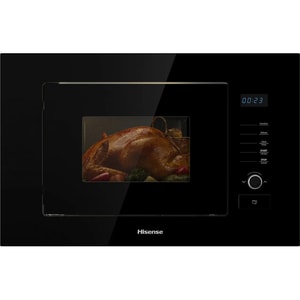
Type: Solo • Capacity: 20 L • Microwave Power: 800 W
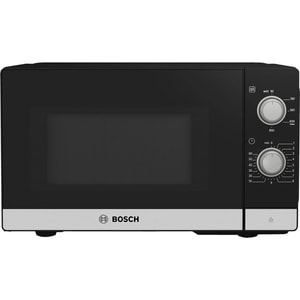
Type: Solo • Capacity: 20 L • Microwave Power: 800 W
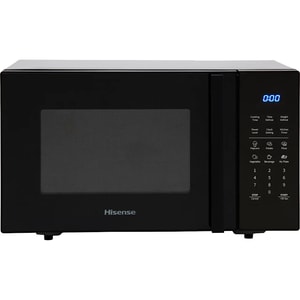
Type: Solo • Capacity: 23 L • Microwave Power: 800 W
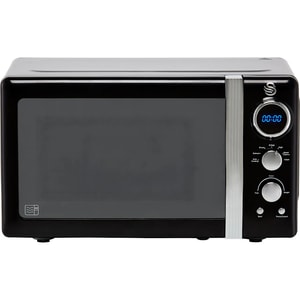
Solo Microwave • Capacity: 20 L • Power: 800 W
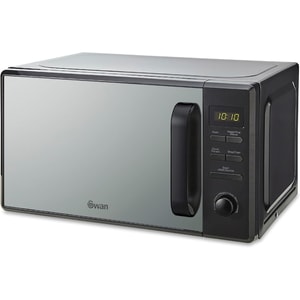
Solo Microwave • Capacity: 20 L • Power: 800 W
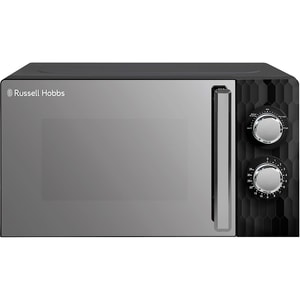
Solo Microwave • Capacity: 17 L • Power: 700 W
Which black microwave actually fits how you cook?
Most shoppers come in thinking they need more power than they do. A solo black microwave handles 90% of kitchen jobs: reheating, defrosting, melting, steaming veg, warming porridge or soup. Add a grill model and you can brown a toastie, crisp a gratin top or finish a jacket potato without firing up the main oven. A black combination microwave goes further, baking and roasting with a convection fan, which earns its keep in smaller kitchens or second homes where a full oven would be overkill. Read More...
Solo, grill or combination, where's the cut-off?
If you mainly reheat and defrost, a solo model in 800 W or 900 W is plenty and saves you paying for features you won't touch. If you cook for a family and want to brown toppings, the grill option is the sensible step up. Treat combination models as a true second oven: they're worth the spend if your main oven is small, slow to preheat or already booked solid on a Sunday.
Built-in or freestanding, which suits your kitchen?
A black integrated microwave slots flush with your units for a calm, joined-up look, and pairs especially well with a matching oven. You'll need to confirm cut-out dimensions, ventilation clearances and whether a trim kit ships in the box or sells separately. A freestanding black microwave is faster to set up: leave airflow around the sides and rear, keep the top clear, and you're sorted. A small black microwave is the right call for tight worktops, studio flats and caravans.
How much power and capacity do you actually need?
Wattage drives speed and evenness. 700 W suits compact models and gentler reheating, 800 W is the everyday workhorse, 900 W shaves real time off family-size portions, and 1000 W is where combination models tend to live. Capacity should track your usual dishes more than your household size: 17 to 20 L is fine for ready meals and mugs, 23 to 25 L swallows a dinner plate without clipping the corners, and 28 L and up takes casserole dishes and roasting trays. Check the usable internal space, not just the litre figure. A black flatbed microwave loses the central spindle, so you can use wider, squarer dishes and wipe the base clean in seconds. Turntable models are more common and tend to cost less.
Features that earn their place
Sensor cooking adjusts time and power based on steam and weight, which takes the guesswork out of rice, jacket potatoes and frozen ready meals. Inverter technology holds steadier low power, so chocolate doesn't seize, fish doesn't rubberise, and rice doesn't dry out at the edges. Auto defrost by weight beats a timed defrost every time. A child lock matters in busy households. Look at the interior too: enamel wipes clean easily, while stainless steel linings hold up better to long-term scrubbing. Removable turntables, splash covers and a clear interior light all save you minutes every week.
Matte, gloss or black stainless steel?
Matte black microwave finishes hide fingerprints and read modern, which is why they sit so well next to dark hobs and handleless kitchens. Gloss black photographs beautifully but shows every smudge, so it suits shoppers who don't mind a quick daily wipe. Black stainless steel sits between the two, with a brushed metallic tone that lines up neatly with matching ovens and hobs. Brands you'll typically see include Samsung, Bosch, Panasonic, Russell Hobbs, Hisense, AEG, Swan, Tower, CDA, Beko, Sharp, Hotpoint and Daewoo, so matching a black microwave to existing appliances is rarely the hard part.
A quick pre-purchase check
Before clicking through, match the model code to the retailer's listing and the product box, confirm external dimensions and door swing (side-hinged or drop-down changes how it lives on a worktop), and verify wattage and litres against your usual portions. Check whether a trim kit, crisp plate or low rack is included or sold separately. Most freestanding models run on a standard 13 A plug, but built-in installs sometimes need a dedicated supply, so read the manual before you commit.
Frequently Asked Questions
Matte black hides fingerprints and light splashes, so it forgives a busy kitchen. Gloss black looks sharper when polished but shows marks faster, so it suits shoppers who don't mind a quick wipe most days. Black stainless steel sits between the two and pairs well with matching ovens and hobs.
If you mainly reheat, defrost and steam, a solo model is plenty. Add a grill if you want to brown toasties, crisp gratin tops or finish jacket potatoes. Choose a combination model if you want a true second oven that can bake and roast with a convection fan, especially handy for smaller kitchens.
700 W handles light reheating and smaller portions. 800 W is the everyday standard and suits most households. 900 W moves family-size dishes faster and more evenly. 1000 W typically appears on combination models and earns its place when you batch-cook or reheat large casseroles.
Flatbed models give you the full base width, so wider dishes and rectangular containers fit without clipping, and there's no spindle to clean around. Turntable models are more common and usually cheaper. If you regularly use large plates or square Pyrex, a flatbed pays back the difference quickly.
Match litres to the dishes you reach for most. 17 to 20 L works for ready meals, mugs and singles. 23 to 25 L fits a standard dinner plate and most casserole bowls. 28 L and up takes roasting trays and family-size dishes. Always check the usable interior, since door hinges and controls can eat into the litre figure.
Most integrated models are designed for 60 cm wide housings, but height and depth vary by brand. Check the cut-out dimensions in the product manual, leave the ventilation clearances the manufacturer specifies, and confirm whether a trim kit is included or bought separately. Door style (side-hinged or drop-down) also affects how the appliance opens day to day.
If you cook fish, melt chocolate, reheat rice or warm leftovers regularly, yes. Inverter technology delivers steadier low power so gentle foods don't toughen at the edges. Sensor cooking adjusts time and power automatically, which removes the guesswork from rice, baked potatoes and frozen meals.
Wipe spills as they happen, use a soft microfibre cloth on the exterior, and avoid abrasive sprays that can dull a matte finish or scratch gloss. Inside, descale steam splashes, clean the door seal monthly, and lift the turntable out to wash it properly rather than wiping around it.