
Panasonic Microwaves

Panasonic builds microwaves across three jobs: quick reheating in a solo, browning and baking in a combination, and a grill option for crisping. Capacity runs from a single-serve 20L to a family 34L. Compare specs, finishes and live UK prices side by side.

- Relevance
- Price: Low - High
- Price: High - Low
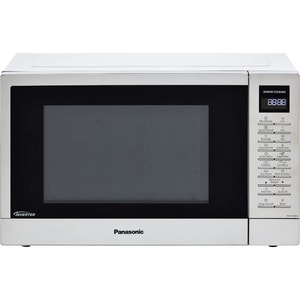
Solo Microwave • Capacity: 32 L • Power: 1000 W
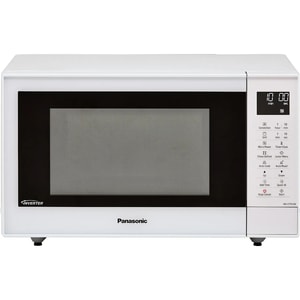
Combination Microwave • Capacity: 27 L • Power: 1000 W
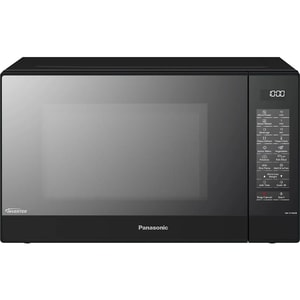
Solo Microwave • Capacity: 32 L • Power: 1000 W
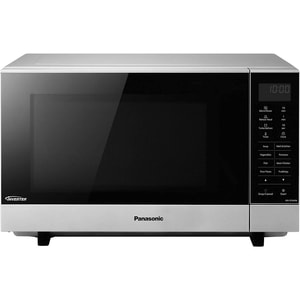
Type: Solo • Capacity: 27 L • Microwave Power: 1000 W
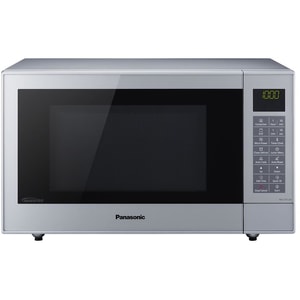
Combination Microwave • Capacity: 27 L • Power: 1000 W
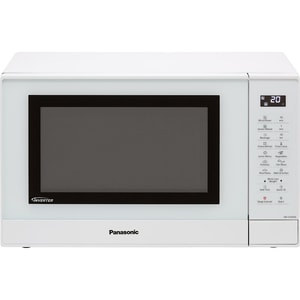
Solo Microwave • Capacity: 32 L • Power: 1000 W
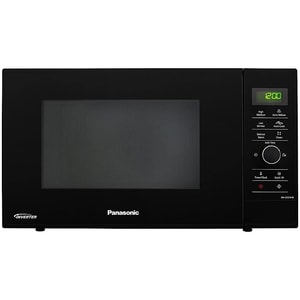
Solo Microwave • Capacity: 23 L • Power: 1000 W
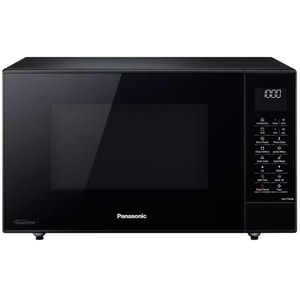
Combination Microwave • Capacity: 27 L • Power: 1000 W
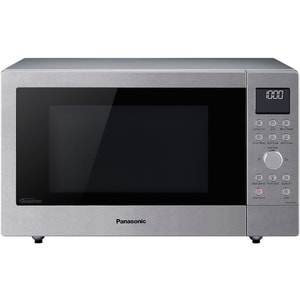
Type: Combination • Capacity: 27 L • Microwave Power: 1000 W
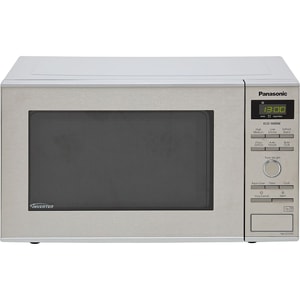
Solo Microwave • Capacity: 23 L • Power: 1000 W
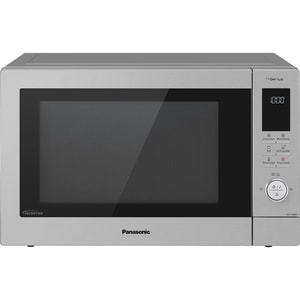
Type: Combination • Capacity: 34 L • Microwave Power: 1000 W
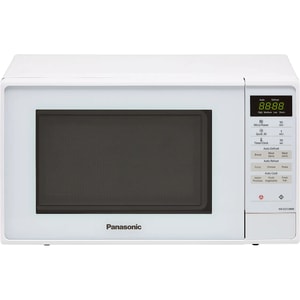
Type: Solo • Capacity: 20 L • Microwave Power: 800 W
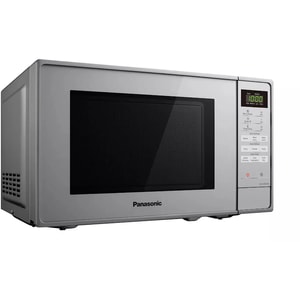
Type: Solo • Capacity: 20 L • Microwave Power: 800 W
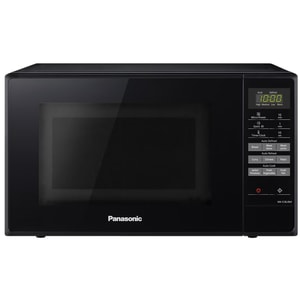
Type: Solo • Capacity: 20 L • Microwave Power: 800 W
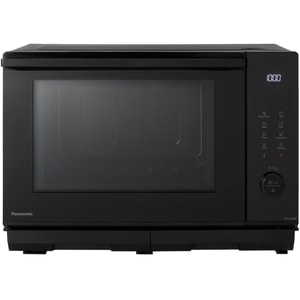
Type: Combination • Capacity: 27 L • Microwave Power: 1000 W
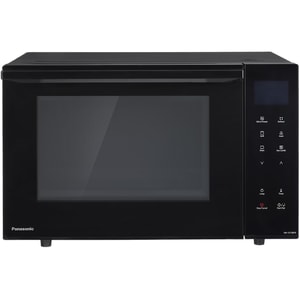
Type: Combination • Capacity: 23 L • Microwave Power: 1000 W
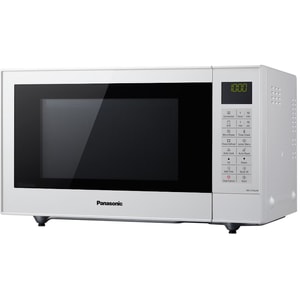
Type: Combination • Capacity: 27 L • Microwave Power: 1000 W
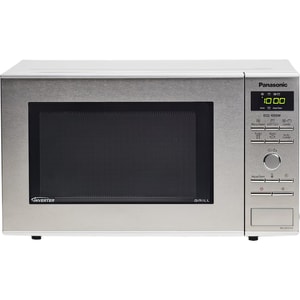
Type: Solo With Grill • Capacity: 23 L • Microwave Power: 1000 W
Solo, combination or grill: which Panasonic suits you?
A solo Panasonic microwave does one thing well, reheating and defrosting at speed, and it's the cheapest way into the brand. A combination model adds convection and grill elements, so it can roast a chicken, brown a lasagne or finish a tray bake without firing up the main oven. The grill-only solo sits between the two: faster crisping than a plain solo, none of the convection complexity. If a microwave is your second cooker in a small kitchen or a studio flat, combination earns its keep. If it's a partner to a full oven, solo usually wins on price and footprint. Read More...
What capacity actually fits your kitchen and your dinner?
Capacity in litres tells you two things: how much worktop the microwave eats, and what fits on the turntable. A 20L Panasonic handles a dinner plate and a mug, suits one or two people, and slides into tight worktop runs. 23L is the everyday compromise: room for a standard dinner plate with sauce splash clearance. 27L is the sweet spot for families, taking a 31cm Pyrex or a casserole dish. 32L and 34L are aimed at batch cooking, large roasting trays and combination duty, where convection needs space to circulate.
800W or 1000W: does the wattage gap matter?
Microwave power decides reheating time and how evenly food cooks. 800W is fine for a solo aimed at single portions and reheats. 1000W shaves time off bigger plates and is the standard for combination models, where the microwave function works alongside the grill or convection. If you cook from frozen often, or you're feeding a household, 1000W is worth paying for. For a flat with a kettle and a toaster, 800W is plenty.
Black, white, silver or stainless: which finish lasts?
Panasonic's freestanding range comes in black, white, silver and stainless steel. Stainless steel and silver hide fingerprints less well than a powder-coated black or white but read more premium next to a built-in oven. White suits a Shaker or country kitchen and shows steam stains less. Black is forgiving on splashes but warms a small kitchen visually. Match the microwave to the kettle and toaster, not the cabinets, since small appliances live on the worktop and read as a set.
Features worth paying more for
Inverter power delivery (smoother defrost, less rubbery edges), a flatbed cavity (more usable space, easier to clean than a turntable), genius sensor cooking (auto-adjusts time by steam), and a child lock are the four upgrades that earn the spend. A combination Panasonic with inverter and flatbed will cost more than a basic solo, but it replaces a second oven for everyday weeknight cooking.
Frequently Asked Questions
If a microwave doubles as your secondary oven, yes. Combination models add convection and a grill, so they brown, bake and crisp, not just reheat. If you already have a full oven and only need fast reheating and defrosting, a solo costs less and runs simpler.
A turntable rotates the dish under a fixed energy point. A flatbed has no rotating plate and uses a moving antenna underneath, so any size or shape of dish fits, the cavity is easier to wipe out, and rectangular trays don't get stuck. Flatbed cavities tend to sit on inverter-equipped models.
20L suits one or two people and small worktops. 23L handles a standard dinner plate comfortably. 27L is the family default and fits most casserole dishes. 32L and above suit batch cooking, large trays and combination duty where convection needs room to circulate.
For single portions, ready meals and drinks, no. For frozen joints, batch reheats and family-sized plates, yes, you'll notice the gap. 1000W is the standard on combination models for a reason: the higher output keeps cook times realistic when the microwave is doing more than warming a mug.
Only if the manufacturer's ventilation clearances are met on every side, usually around 10cm at the rear and sides and more above. A freestanding model isn't designed for a flush built-in trim kit. If you want a clean cabinet fit, choose a built-in microwave instead, not a freestanding one shoehorned in.
For defrosting and delicate reheats it does. A standard microwave pulses full power on and off to simulate lower settings, which can leave edges cooked and centres frozen. Inverter delivery holds a steady lower power, so fish, chocolate and leftovers come out more evenly.
Treated normally, eight to ten years is reasonable. The magnetron is the part that eventually fails. Keeping the cavity clean, not running the microwave empty, and using microwave-safe dishes all extend its life. Combination models have more components, so they're worth a manufacturer warranty check at purchase.
Black hides splashes but shows steam streaks and dust. White shows splashes but hides steam. Stainless steel and silver feel premium but mark with fingerprints around the handle. Practicality follows your cleaning habit more than the colour.