
900W Microwaves

900W is the sweet spot for everyday reheating, defrosting and proper cooking, faster than 700W or 800W without jumping to a full oven replacement. The choice comes down to type (solo, grill or combination), how it sits in your kitchen, and the capacity that matches what you actually cook.

- Relevance
- Price: Low - High
- Price: High - Low
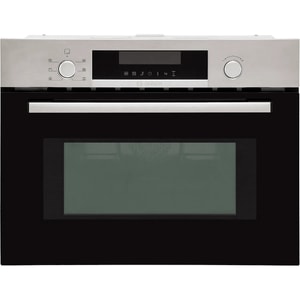
Combination Microwave • Capacity: 44 L • Power: 900 W
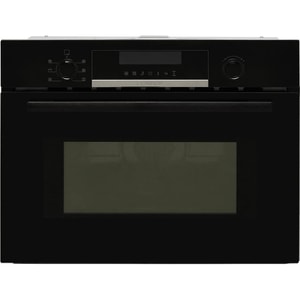
Combination Microwave • Capacity: 44 L • Power: 900 W
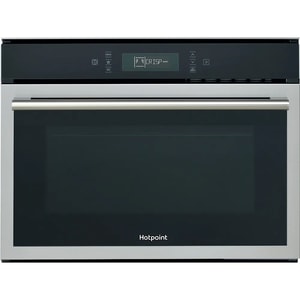
Combination Microwave • Capacity: 40 L • Power: 900 W
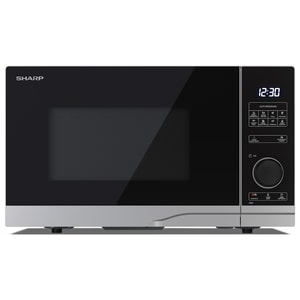
Type: Solo • Capacity: 25 L • Microwave Power: 900 W
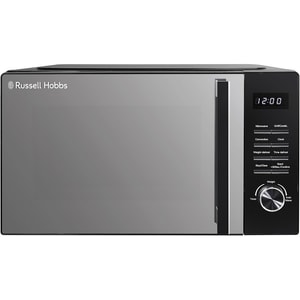
Type: Combination • Capacity: 23 L • Microwave Power: 900 W
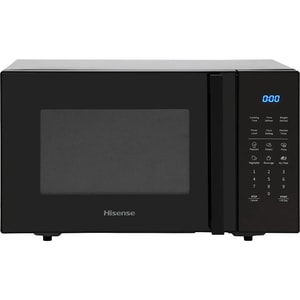
Type: Solo • Capacity: 25 L • Microwave Power: 900 W
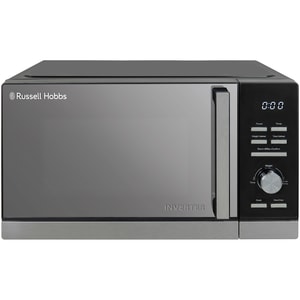
Type: Solo • Capacity: 25 L • Microwave Power: 900 W
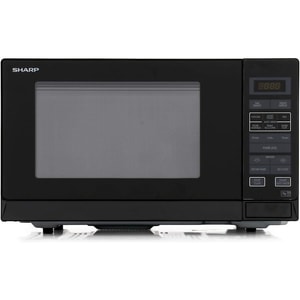
Type: Solo • Capacity: 25 L • Microwave Power: 900 W
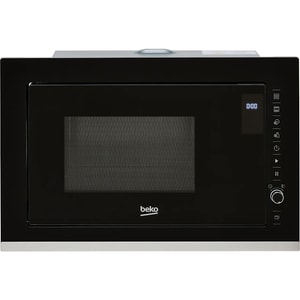
Solo Microwave with grill • Capacity: 25 L • Power: 900 W
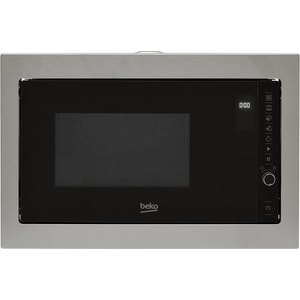
Solo Microwave with grill • Capacity: 25 L • Power: 900 W
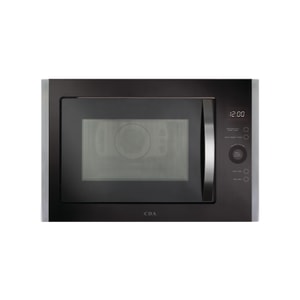
Type: Combination • Capacity: 25 L • Microwave Power: 900 W
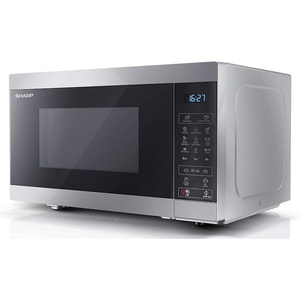
Type: Solo With Grill • Capacity: 28 L • Microwave Power: 900 W
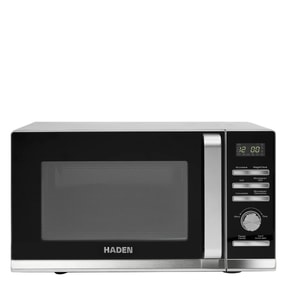
Type: Combination • Capacity: 25 L • Microwave Power: 900 W
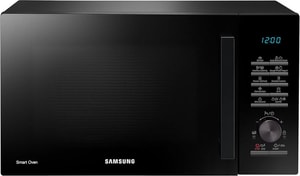
Type: Combination • Capacity: 28 L • Microwave Power: 900 W
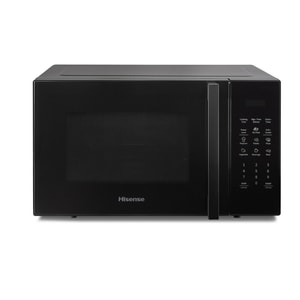
Type: Solo With Grill • Capacity: 29 L • Microwave Power: 900 W
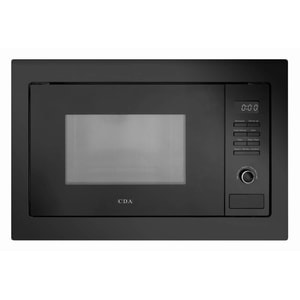
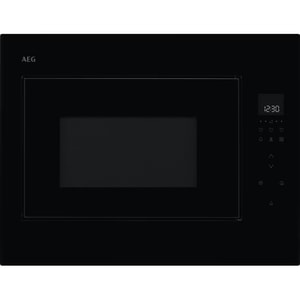
Type: Solo With Grill • Capacity: 26 L • Microwave Power: 900 W
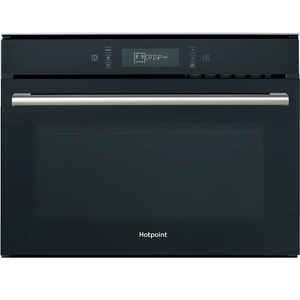
Combination Microwave • Capacity: 40 L • Power: 900 W
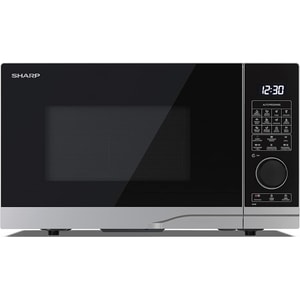
Type: Combination • Capacity: 28 L • Microwave Power: 900 W
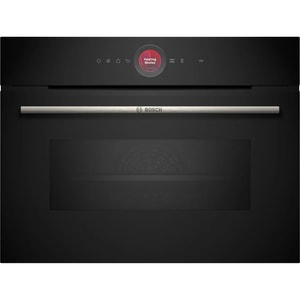
Type: Combination • Capacity: 45 L • Microwave Power: 900 W
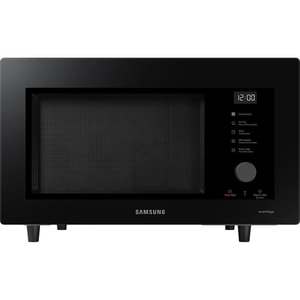
Type: Combination • Capacity: 32 L • Microwave Power: 900 W
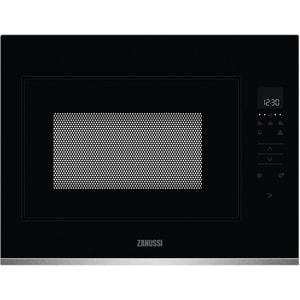
Type: Solo • Capacity: 26 L • Microwave Power: 900 W
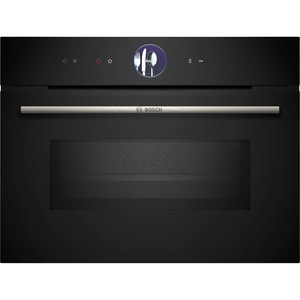
Type: Combination • Capacity: 45 L • Microwave Power: 900 W
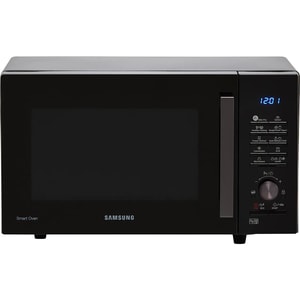
Type: Combination • Capacity: 28 L • Microwave Power: 900 W
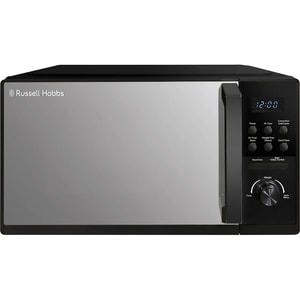
Type: Combination • Capacity: 25 L • Microwave Power: 900 W
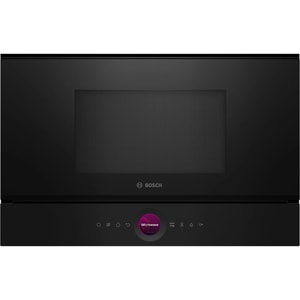
Type: Solo • Capacity: 21 L • Microwave Power: 900 W
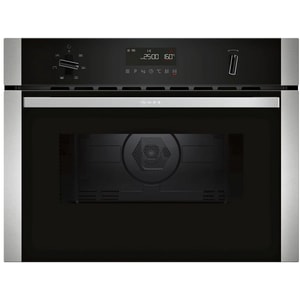
Type: Combination • Capacity: 44 L • Microwave Power: 900 W
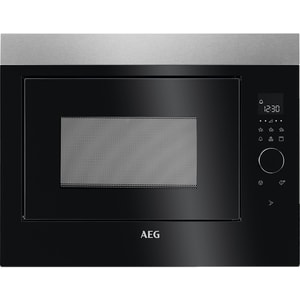
Type: Solo With Grill • Capacity: 26 L • Microwave Power: 900 W
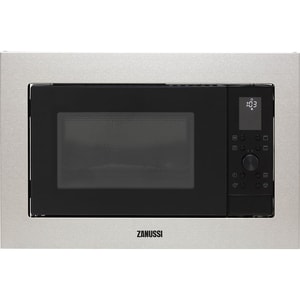
Type: Solo With Grill • Capacity: 25 L • Microwave Power: 900 W
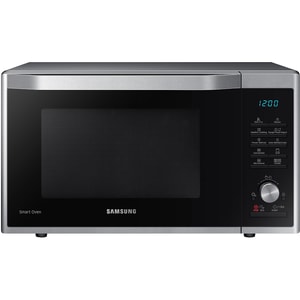
Type: Combination • Capacity: 32 L • Microwave Power: 900 W
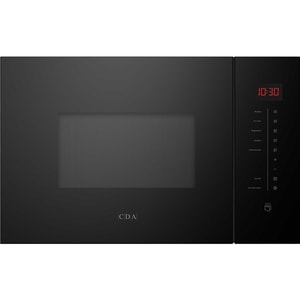
Type: Solo With Grill • Capacity: 25 L • Microwave Power: 900 W
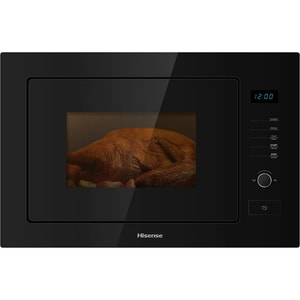
Type: Solo With Grill • Capacity: 25 L • Microwave Power: 900 W
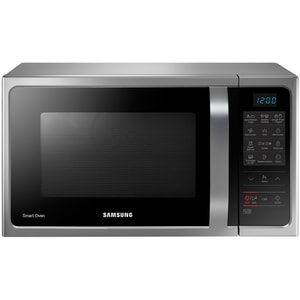
Type: Combination • Capacity: 28 L • Microwave Power: 900 W
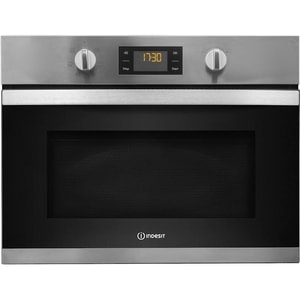
Type: Solo With Grill • Capacity: 40 L • Microwave Power: 900 W
Not fixed on 900 W? See all microwave deals and current prices across sizes, brands and features.
Solo, grill or combination, which 900W type fits your cooking?
A solo 900W microwave handles the daily jobs: reheating leftovers, softening butter, defrosting mince, steaming a bowl of veg. If that's the brief, you don't need to spend more. Read More...
Add a grill and you get crisping and browning on top of the microwave function, useful for cheese on toast, jacket potatoes with a finished skin, sausages when the oven's already busy. It's the most popular pick for a reason.
A combination 900W microwave layers in convection heat, so it can roast, bake and brown like a small second oven. Worth it if you cook for a family, batch on weekends, or want a built-in unit doing real work rather than just warming.
How much capacity do you actually need?
Capacity is measured in litres and tracks the size of the turntable cavity, not the footprint. A 20–23L cavity is fine for mugs, single plates and small bowls. Most households land at 25L, the deepest cluster of 900W stock and the size that fits a dinner plate without scraping the walls.
Step up to 28–32L if you regularly reheat a casserole dish or use a combination microwave for actual baking. The 40–45L bracket is built-in territory, sized to take a roasting tin and double as a secondary oven.
Will it fit where you want to put it?
Always check three numbers before you buy: external width, depth (including the hinge clearance when the door's open) and height with the feet. Freestanding 900W models need air gaps around the vents, usually 10–15cm to the sides and rear, so the spec sheet's "minimum installation clearance" matters more than the raw dimensions. Built-in units are sold to fit standard 60cm kitchen housing, but the cut-out tolerance varies by brand, so match the manufacturer's housing diagram before you commit.
Built-in or freestanding, what's the real difference?
Freestanding is the simpler buy. Plug in, sit it on a worktop or shelf, done. You can take it with you when you move, and replacement is a swap rather than a fitter visit.
Built-in 900W microwaves are designed to integrate with a run of cabinetry, usually at eye level above a single oven. They cost more up front, often need a trim kit (sometimes sold separately, sometimes included, always worth checking the listing), and the install is a job for someone confident with kitchen units. The payoff is worktop space back and a cleaner kitchen line.
Which finish wears best in a real kitchen?
Black hides tea splashes and fingerprints better than stainless steel but shows dust. Stainless steel looks sharp next to a matching oven and hob, but smudges. Silver sits between the two, more forgiving than steel, less stark than black. Two-tone black and stainless steel finishes are a sensible middle ground if your existing appliances don't all match.
Which brands are worth knowing in 900W?
At the budget end, Russell Hobbs, Hisense, Beko and Haden cover the basics with digital controls and grill functions where you'd expect them. Sharp and Samsung sit in the mid-range with strong solo, grill and combination options, including larger 28–32L combination units that punch above their price. CDA, Zanussi and Indesit lean into built-in and integrated kitchens. AEG, Bosch, Neff and Hotpoint anchor the premium end, with built-in combination 900W microwaves designed to match wider appliance suites, often at 44–45L for serious cooking. Match the brand to the install slot and the cooking job, not the badge.
Frequently Asked Questions
Yes for the vast majority of households. 900W reheats a plate in roughly two thirds of the time of a 700W unit and handles defrosting evenly without cooking the edges. You'd only need more if you regularly batch-cook or use the microwave as a primary oven, in which case combination models with convection do the heavy lifting rather than raw wattage.
A solo only microwaves. A solo with grill adds a heating element on top so you can brown and crisp. A combination adds convection heat as well, which means it can bake and roast like a small oven. Power stays at 900W across all three, what changes is what else the cavity can do.
Yes, roughly proportionally. 900W is about 28% more power than 700W, so a two-minute reheat on 700W lands closer to 90 seconds at 900W. The bigger gain is even cooking, the higher wattage struggles less with cold spots in dense food like lasagne or pasta bakes.
For a household of four cooking real meals, 25L is the practical floor and 28–32L is more comfortable, especially in a combination microwave used for roasting trays or casseroles. 40–45L makes sense if it's replacing a second oven and you're installing it built-in.
Freestanding is cheaper, portable and easier to replace. Built-in costs more, requires a matching housing aperture and often a trim kit, but frees up worktop and looks integrated. Renters and short-term homes lean freestanding, owners doing a kitchen lean built-in.
No. Most do, but solo 900W microwaves without a grill are common at the entry level and in some premium built-in solo units. Check the spec line, "solo," "solo with grill," or "combination," before you decide.
Yes. 900W refers to cooking output, not draw from the wall. Total power consumption sits closer to 1,300–1,500W, well within a standard 13A UK socket. You don't need a dedicated circuit, but don't share the socket with another high-draw appliance like a kettle on the same extension lead.
Turntables are the standard and tend to cook more evenly for round and bowl-shaped food. Flatbed cavities give you more usable space for rectangular dishes and are easier to wipe out. If you regularly heat oven trays or large rectangular containers, flatbed is worth the premium, otherwise a turntable is fine.