
White Microwaves

A white microwave keeps a kitchen looking clean and uncluttered, whether it sits on a worktop, slots beside a kettle or lives on an open shelf. Solo, grill and combination models in 17 to 32 litre capacities and 700 to 1000 W power give a route to suit reheating, family cooking or proper baking.

- Relevance
- Price: Low - High
- Price: High - Low
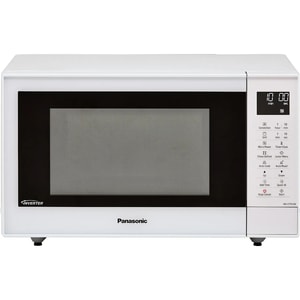
Combination Microwave • Capacity: 27 L • Power: 1000 W
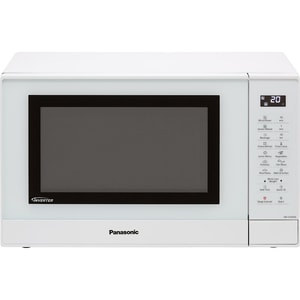
Solo Microwave • Capacity: 32 L • Power: 1000 W
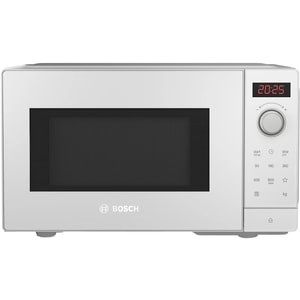
Solo Microwave • Capacity: 20 L • Power: 800 W
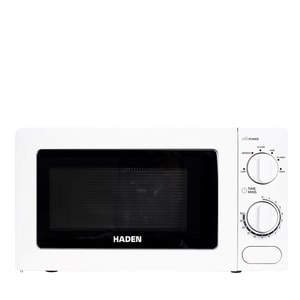
Type: Solo • Capacity: 17 L • Microwave Power: 700 W
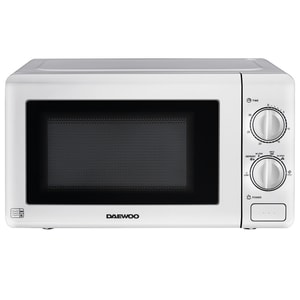
Type: Solo • Capacity: 20 L • Microwave Power: 800 W
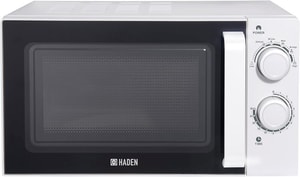
Type: Solo • Capacity: 20 L • Microwave Power: 700 W
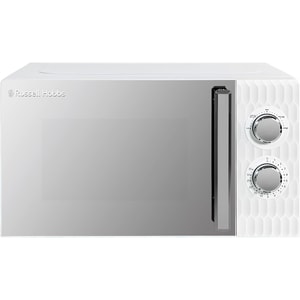
Solo Microwave • Capacity: 17 L • Power: 700 W
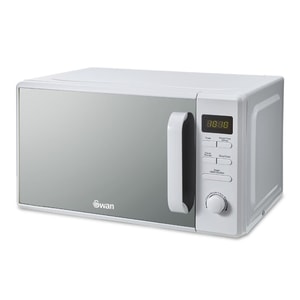
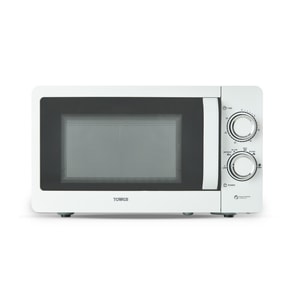
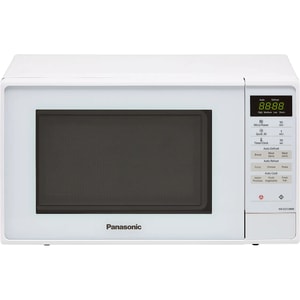
Type: Solo • Capacity: 20 L • Microwave Power: 800 W
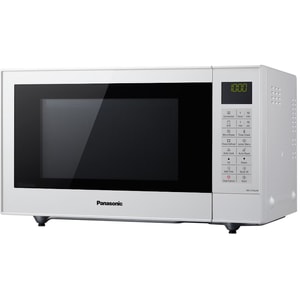
Type: Combination • Capacity: 27 L • Microwave Power: 1000 W
How much microwave do you actually need?
Most kitchens are choosing between three things. A solo microwave reheats, defrosts and steams, which covers the majority of weeknight cooking. A model with a grill adds a top element so cheese on toast, finishing pasta bakes and crisping skin become possible without the main oven. A combination microwave brings a convection fan into play, so you can roast a small chicken, bake a tray of potatoes or refresh pastry. White finishes turn up across all three formats, so the decision is about cooking habits first and look second. Read More...
If the microwave is doing a lot of heavy lifting, combination earns its space. If it's a backup for the oven and a fast lane for leftovers, solo is the sensible buy.
What size suits your kitchen and your dinner plates?
Capacity is measured in litres, but the number that matters is whether your largest dinner plate fits and turns freely. A 17 litre white microwave is genuinely compact, fine for one or two people and tight worktops. A 20 litre model is the everyday standard and handles bowls, mugs and most plates without complaint. Step up to 23 to 27 litres for family portions and bigger casserole dishes, and 32 litres for serious batch cooking or a combination unit doing oven duty.
Measure width, depth and door swing on the worktop before buying. Most makers ask for a few centimetres of clearance at the sides, top and rear so the vents can breathe, and pulling a hot dish out into a tight gap is no fun.
Does wattage really change how it cooks?
Power tells you how quickly food heats. 700 W is gentle and fine for one-bowl reheats and defrosting. An 800 W white microwave is the popular middle ground and matches most ready-meal instructions on the box. 1000 W shaves time off bigger plates and is the typical rating for combination models because the grill and fan share the workload. Lower wattage isn't a flaw, it just means slightly longer times. What matters more for even results is whether the model uses inverter power, which delivers steady heat instead of pulsing on and off, and whether it has a sensor that adjusts time based on steam.
Worth paying more for a flatbed?
A white flatbed microwave drops the central turntable and spindle. Square containers and wide dishes fit better, the cavity is easier to wipe down, and many flatbeds are designed to spread energy more evenly across the base. If you reheat a lot of takeaway containers or batch-cook in rectangular tubs, it's a real upgrade. If you mostly heat round bowls and mugs, a turntable does the job and tends to cost less.
Which brands are worth knowing?
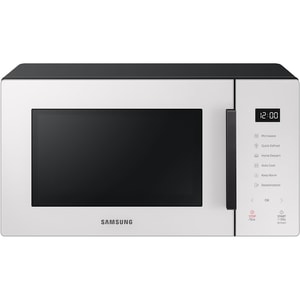
Panasonic is the volume name in white microwaves, with solo and combination models that lean on inverter cooking and sensor presets. Bosch builds simple, well-finished solo units that wear well in a busy kitchen. Samsung's Bespoke Cotta White brings a softer, almost matte finish that suits country-style and Scandi-leaning kitchens. Russell Hobbs and Swan sit at the friendly end of the price line for compact reheaters, while Tower, Daewoo and Haden cover budget and design-led options. Brands you'll typically see vary with stock, but those names cover most shopping baskets.
Common buyer regrets to avoid
Buying too small to save space, then finding a dinner plate won't turn. Choosing a low wattage and adding a minute to every meal. Forgetting that grills mean metal-safe trim and that combinations need real ventilation room. Picking a glossy white that shows fingerprints when a matt or textured white would have hidden them. None of these are dealbreakers, they're just easier to get right before you buy than after.
Frequently Asked Questions
For day-to-day reheating, defrosting and cooking veg, 800 W is plenty and matches most ready-meal instructions. If you regularly heat two big dinner plates at once or a deep casserole, a 1000 W model will get you there a minute or two faster. Wattage controls speed, not capability, so a lower-powered unit just takes a touch longer.
Solo only does microwave cooking, so it reheats, defrosts and steams. A grill adds a top heating element for browning cheese, toasting and crisping. A combination microwave adds a convection fan so it behaves like a small oven, capable of roasting and baking. Combination units cost more and need more ventilation space but can replace a second oven for some homes.
In most cases yes, but it's worth checking your plate against the cavity dimensions in the spec sheet. A 20 L unit comfortably handles a standard 26 to 27 cm dinner plate. If you use 28 cm or larger plates, or you reheat in oval pyrex, step up to 23 to 27 L for breathing room.
Modern white finishes are usually a baked enamel or a stable plastic that resists yellowing if kept out of direct sunlight and wiped clean of grease and steam. The interior lining is the bigger maintenance question. Enamel wipes easily, ceramic shrugs off baked-on food, and stainless steel handles heavy use without staining.
Standard microwaves pulse full power on and off to mimic lower settings. An inverter delivers a constant lower power, which is gentler on delicate jobs like melting chocolate, softening butter and reheating rice without drying the edges. If you cook from frozen often, it makes a noticeable difference.
Yes, as long as you leave the manufacturer's stated clearance at the top, sides and rear. Vents need air to move, and the top of the cabinet can warm up over long cooking sessions. Pull-down doors on combination models also need vertical space to open fully, so check that before sliding it into a tight nook.
If you cook in rectangular containers, batch-prep in oblong tubs, or share the microwave with a household that hates lifting out a heavy turntable, yes. Flatbeds also tend to be faster to wipe clean. For users who mostly reheat in round bowls and mugs, a turntable model does the same job for less.
A 17 litre white compact microwave is the smallest sensible option and fits where a bigger appliance won't. A 20 L model adds a useful margin for bowls and pasta dishes without taking much more worktop. Measure depth carefully, including the door at full open angle, because that's where compact kitchens get caught out.