
Integrated Microwaves

Buying an integrated microwave usually means matching a specific housing cutout, deciding between solo, grill or combination, and choosing a finish that sits cleanly next to your oven. The brands you'll typically see include Bosch, Neff, AEG and Hotpoint, with capacities from compact 17 L through to 45 L combination units.

- Relevance
- Price: Low - High
- Price: High - Low
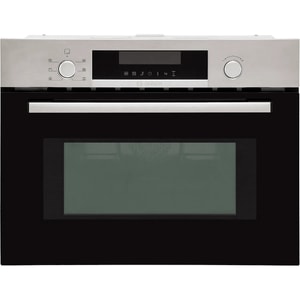
Combination Microwave • Capacity: 44 L • Power: 900 W
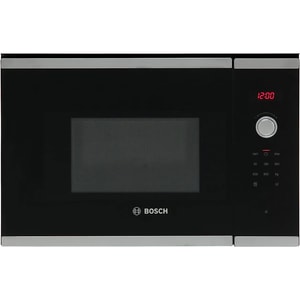
Solo Microwave • Capacity: 20 L • Power: 800 W
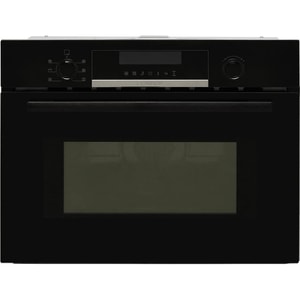
Combination Microwave • Capacity: 44 L • Power: 900 W
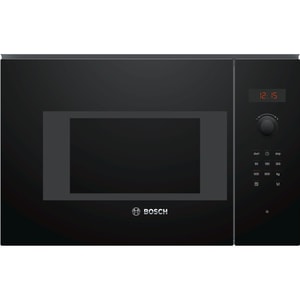
Solo Microwave • Capacity: 20 L • Power: 800 W
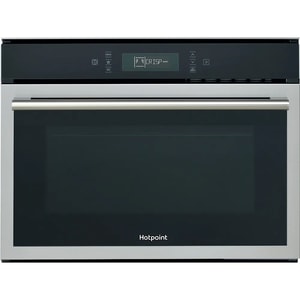
Combination Microwave • Capacity: 40 L • Power: 900 W
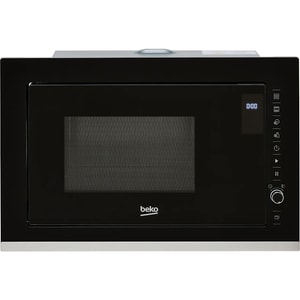
Solo Microwave with grill • Capacity: 25 L • Power: 900 W
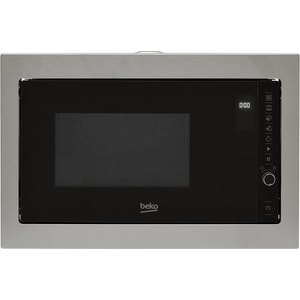
Solo Microwave with grill • Capacity: 25 L • Power: 900 W
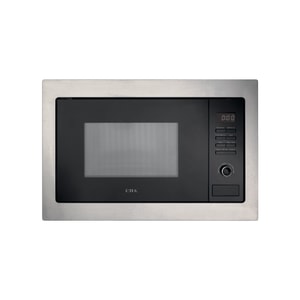
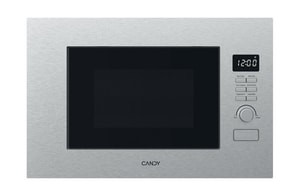
Type: Combination • Capacity: 20 L • Microwave Power: 700 W
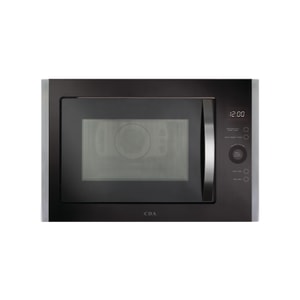
Type: Combination • Capacity: 25 L • Microwave Power: 900 W
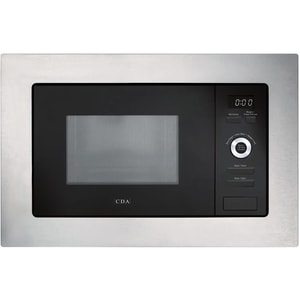
Type: Solo • Capacity: 17 L • Microwave Power: 700 W
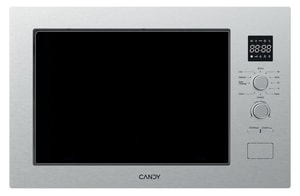
Type: Solo With Grill • Capacity: 25 L • Microwave Power: 800 W
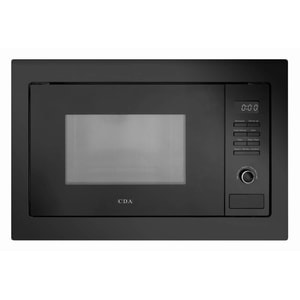
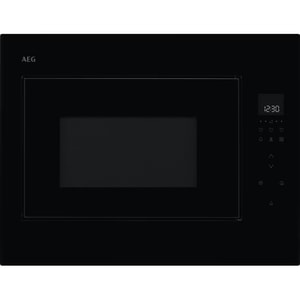
Type: Solo With Grill • Capacity: 26 L • Microwave Power: 900 W
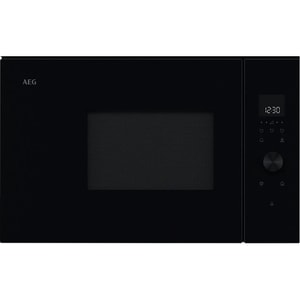
Type: Solo • Capacity: 17 L • Microwave Power: 800 W
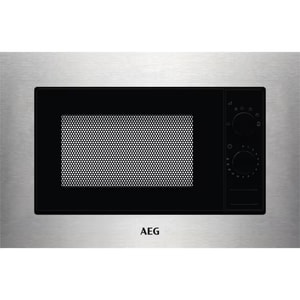
Type: Solo • Capacity: 17 L • Microwave Power: 700 W
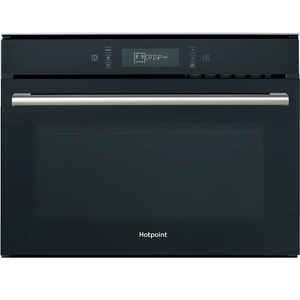
Combination Microwave • Capacity: 40 L • Power: 900 W
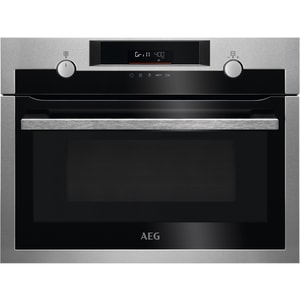
Type: Solo With Grill • Capacity: 42 L • Microwave Power: 1000 W
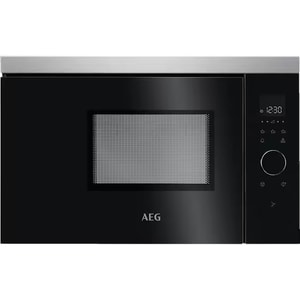
Type: Solo • Capacity: 17 L • Microwave Power: 800 W
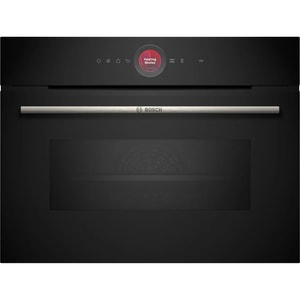
Type: Combination • Capacity: 45 L • Microwave Power: 900 W
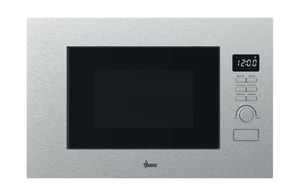
Type: Solo With Grill • Capacity: 20 L • Microwave Power: 700 W
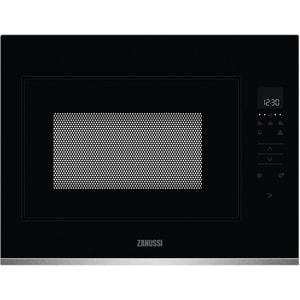
Type: Solo • Capacity: 26 L • Microwave Power: 900 W
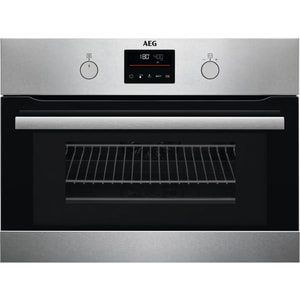
Type: Combination • Capacity: 43 L • Microwave Power: 1000 W
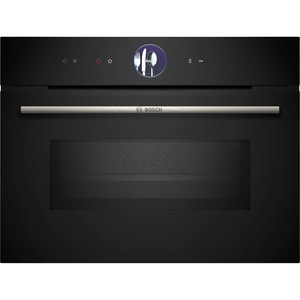
Type: Combination • Capacity: 45 L • Microwave Power: 900 W
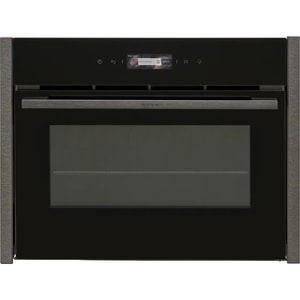
Type: Solo With Grill • Capacity: 36 L • Microwave Power: 1000 W
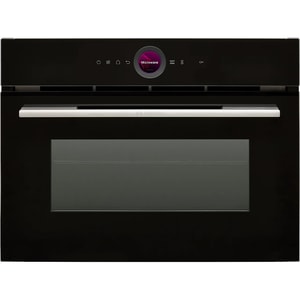
Type: Combination • Capacity: 36 L • Microwave Power: 1000 W
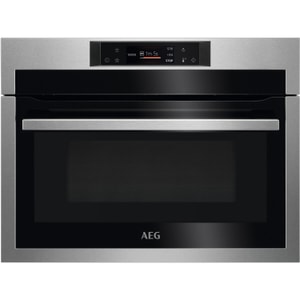
Type: Combination • Capacity: 43 L • Microwave Power: 1000 W
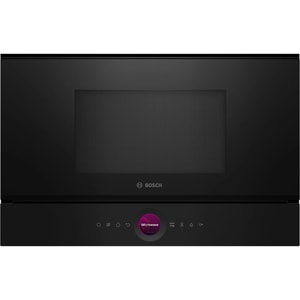
Type: Solo • Capacity: 21 L • Microwave Power: 900 W
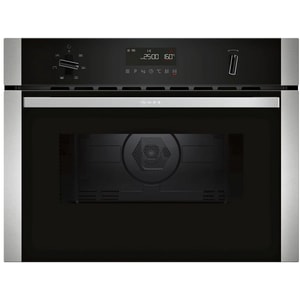
Type: Combination • Capacity: 44 L • Microwave Power: 900 W
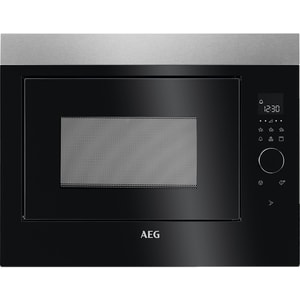
Type: Solo With Grill • Capacity: 26 L • Microwave Power: 900 W
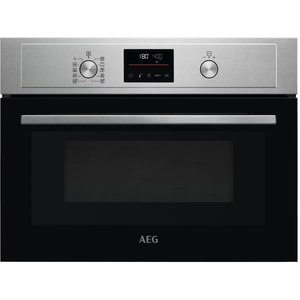
Type: Combination • Capacity: 43 L • Microwave Power: 1000 W
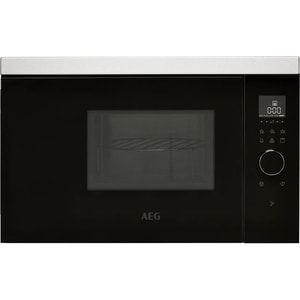
Type: Solo With Grill • Capacity: 17 L • Microwave Power: 800 W
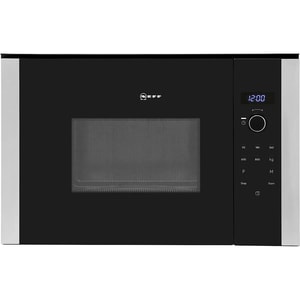
Type: Solo • Capacity: 20 L • Microwave Power: 800 W
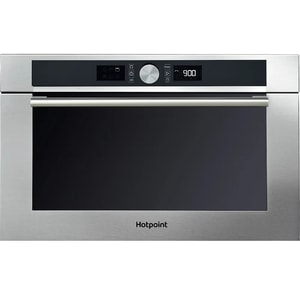
Type: Solo With Grill • Capacity: 31 L • Microwave Power: 1000 W
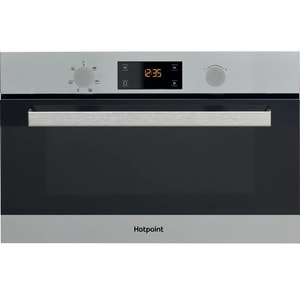
Type: Solo With Grill • Capacity: 31 L • Microwave Power: 1000 W
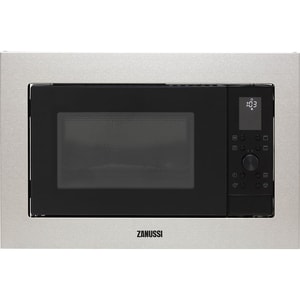
Type: Solo With Grill • Capacity: 25 L • Microwave Power: 900 W
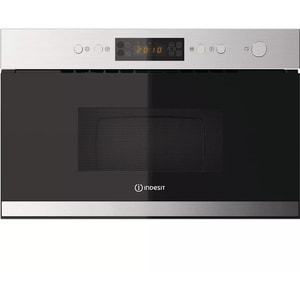
Type: Solo With Grill • Capacity: 22 L • Microwave Power: 750 W
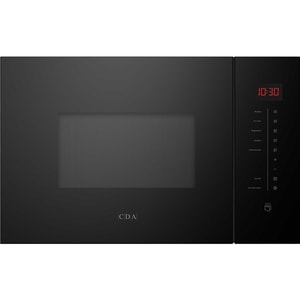
Type: Solo With Grill • Capacity: 25 L • Microwave Power: 900 W
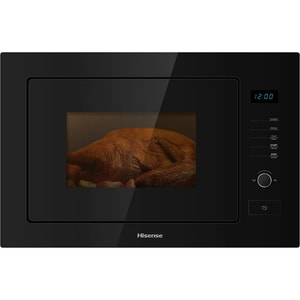
Type: Solo With Grill • Capacity: 25 L • Microwave Power: 900 W
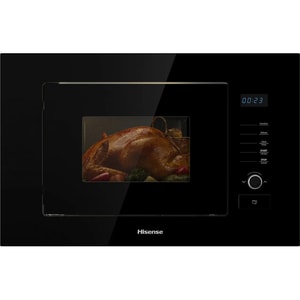
Type: Solo • Capacity: 20 L • Microwave Power: 800 W
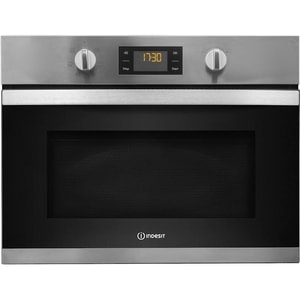
Type: Solo With Grill • Capacity: 40 L • Microwave Power: 900 W
Solo, grill or combination, which one earns its place?
A solo built-in microwave does the basics very well: defrost, reheat, soften butter, melt chocolate. If you already have a good oven and grill, that may be all you need, and the price tag stays sensible. Read More...
Add a grill and you can brown the top of a lasagne, crisp bacon, or finish a jacket potato without firing up a full oven. It's the choice most people regret not making, especially in smaller kitchens where the microwave does double duty.
A combination microwave goes further again, pairing microwave power with proper convection heat. You can roast a small chicken, bake, or use it as a fast second oven when the main one is full at Christmas. You pay more, you give up a little internal capacity to the heating element, and the controls take a few sessions to learn. For households that cook from scratch or have a single oven, it's often worth it.
How big a cavity do you actually need?
Capacity is measured in litres of usable space inside, not the size of the hole in your kitchen unit. Think about the largest dish you reheat regularly. A 17 to 20 L cavity comfortably holds a dinner plate and most ready meals, and suits a tall housing or a small kitchen. A 25 to 26 L cavity is the sweet spot for families, fitting a Pyrex casserole or a roasting dish with the turntable still spinning. Combination models tend to run larger, often 40 to 45 L, because the convection function rewards the extra space.
What does the wattage actually change?
Microwave power, usually 700 W to 1000 W, governs how fast and how evenly food heats. 800 W is a sensible baseline; the packet times on most ready meals are written for it. 900 W to 1000 W shaves time off bigger reheats and is useful if you cook from frozen often. 700 W to 750 W will still do the job, just slower, and is fine for occasional use.
Will it fit, and will it sit flush with your oven?
Integrated microwaves are designed to drop into a kitchen unit or tall housing, so the trim, hinge side and front depth all matter as much as the cavity. Measure the housing aperture height, width and depth, then check the appliance fits with the door fully open. If the microwave is going above or below a single oven, match the brand and series where you can; you'll get a tidier fascia, similar control logic, and a colour that actually matches in daylight.
Finish and how it ages
Stainless steel hides fingerprints less well than it photographs, but it pairs with almost any oven. Black is forgiving day to day and disappears into dark cabinetry. Mixed black and stainless trims split the difference and tend to date more slowly than glossy alternatives.
Frequently Asked Questions
If your oven is small, in heavy use, or you cook for a household of four or more, yes. A combination model gives you a true second oven with grill and convection, useful for sides while the main oven runs the roast. If you mostly reheat and defrost, a solo or grill model will do the job for less.
Measure the housing aperture in three dimensions: height, width and depth. Compare those numbers to the appliance's installation dimensions, not the cavity capacity. Leave the manufacturer's specified ventilation gap, and check that the door clears any adjacent handles when fully open.
A solo microwave heats with microwaves only. A solo with grill adds a top heating element so you can brown and crisp food. The grill turns sandwiches, jacket potatoes and gratins from edible to actually appealing, and it's usually a small step up in price.
Visually, yes, especially if the units sit in the same tall housing. Bosch, Neff and AEG ranges have fascias designed to sit alongside their own ovens, with similar handles, displays and trim depths. Functionally, any brand will cook the same food, but a mismatched fascia is the kind of thing you stop noticing only after a year.
800 W is the standard most ready-meal instructions are written for, so it's a safe baseline. 900 W to 1000 W is faster and reheats more evenly, particularly for larger portions or food straight from the freezer. Below 750 W, expect longer cycles.
Manufacturers specify ventilation gaps top, sides and rear, typically a few centimetres, to stop heat building up in the cabinet. Skipping the gap shortens the appliance's life and can void the warranty. The installation manual is the source of truth.
Most plug-in models can be slid into a prepared housing and connected to a standard 13 A socket inside the cupboard. Hard-wired or higher-power combination units, and any unit replacing a hard-wired oven socket, should be installed by a qualified electrician.
A well-installed unit from a mainstream brand should run cleanly for seven to ten years. Lifespan drops if the vents are blocked, the door is slammed, or metal items get into the cavity. Wiping the interior weekly and replacing worn turntable rollers extends it.