
Induction Hobs
Induction hobs heat the pan, not the surface, so they boil faster, wipe clean and waste less energy than gas or ceramic. The right one comes down to width, zones and the kind of cookware you already own. Use the filters to narrow by brand, size and price.
- Relevance
- Price: Low - High
- Price: High - Low
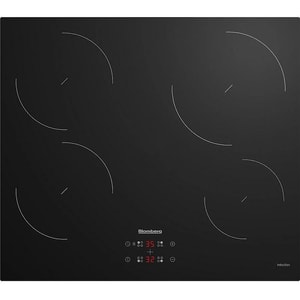
Hob Type: Induction hob • Burners/Zones: 4 Zones • Controls: Touch Control
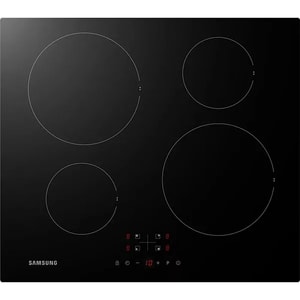
Hob Type: Induction hob • Burners/Zones: 4 Zones • Controls: Touch
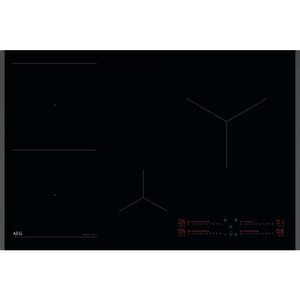
Hob Type: Induction hob • Burners/Zones: 4 Zones • Controls: Touch slider
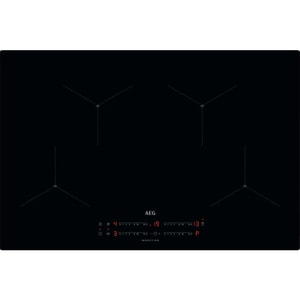
Hob Type: Induction hob • Burners/Zones: 4 Zones • Controls: Touch control
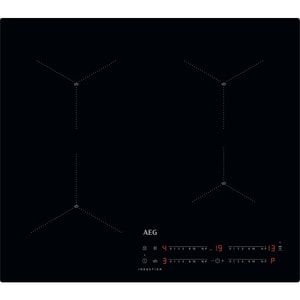
Hob Type: Induction hob • Burners/Zones: 4 Zones • Controls: Touch control
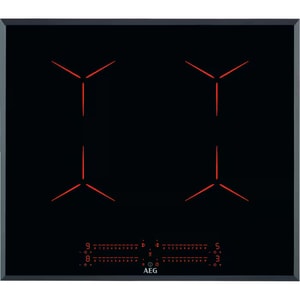
Hob Type: Induction hob • Burners/Zones: 4 Zones • Controls: Touch slider
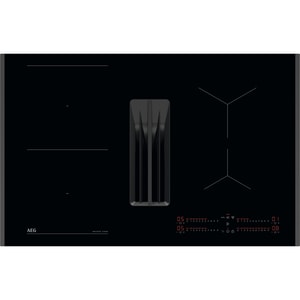
Hob Type: Induction hob • Burners/Zones: 4 Zones • Controls: Touch control
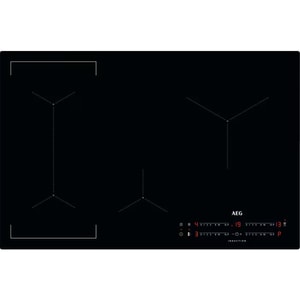
Hob Type: Induction hob • Burners/Zones: 4 Zones • Controls: Touch slider
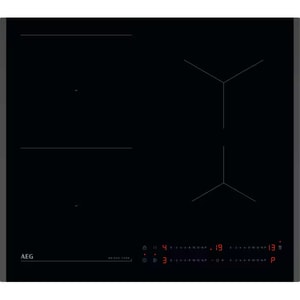
Hob Type: Induction hob • Burners/Zones: 4 Zones • Controls: Touch control
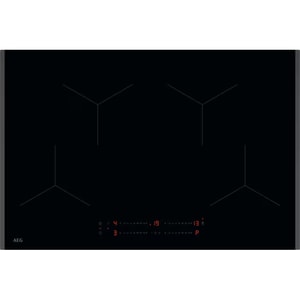
Hob Type: Induction hob • Burners/Zones: 4 Zones • Controls: Touch control
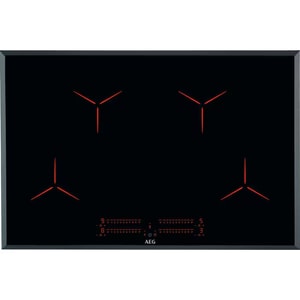
Hob Type: Induction hob • Burners/Zones: 4 Zones • Controls: Touch slider
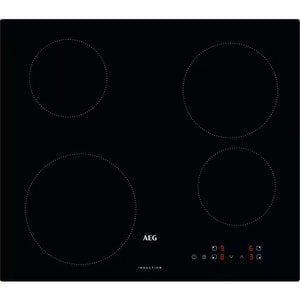
Hob Type: Induction hob • Burners/Zones: 4 Zones • Controls: Touch control
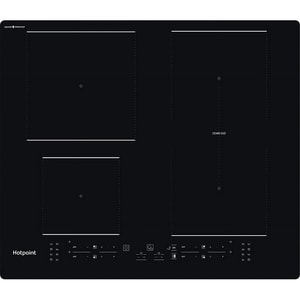
Hob Type: Induction hob • Burners/Zones: 4 Zones • Controls: Touch control
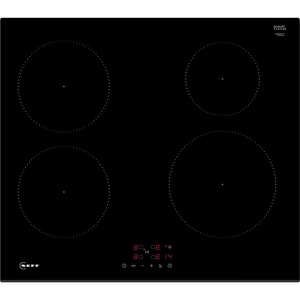
Hob Type: Induction hob • Burners/Zones: 4 Zones • Controls: Touch control
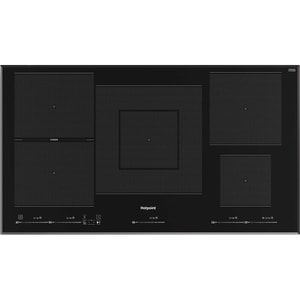
Hob Type: Induction hob • Burners/Zones: 5 Zones • Controls: Touch control
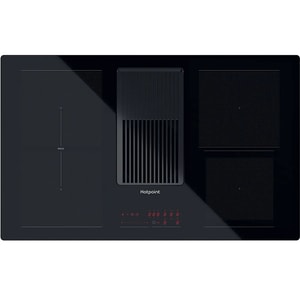
Hob Type: Induction hob • Burners/Zones: 4 Zones • Controls: Touch control
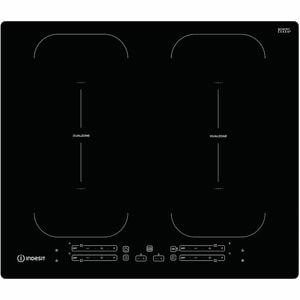
Hob Type: Induction hob • Burners/Zones: 4 Zones • Controls: Touch control
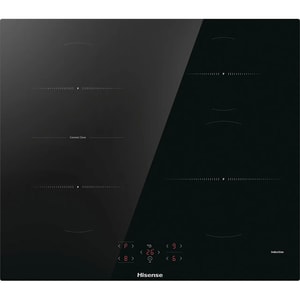
Hob Type: Induction hob • Burners/Zones: 4 Zones • Controls: Touch control
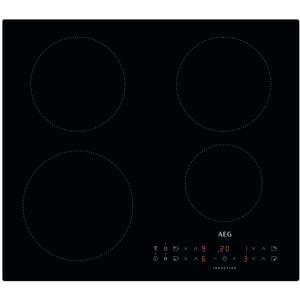
Hob Type: Induction hob • Burners/Zones: 4 Zones • Controls: Touch control
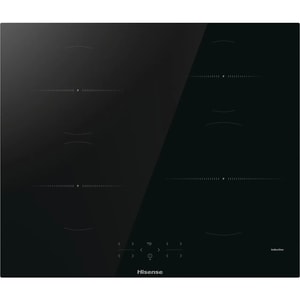
Hob Type: Induction hob • Burners/Zones: 4 Zones • Controls: Touch control
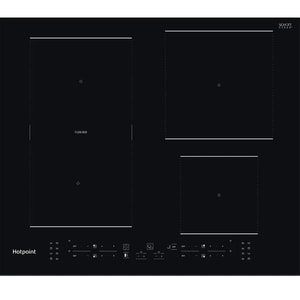
Hob Type: Induction hob • Burners/Zones: 4 Zones • Controls: Touch control
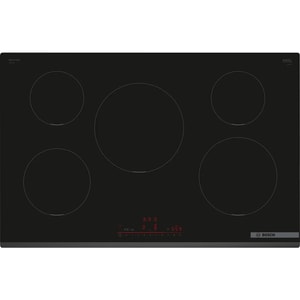
Hob Type: Induction hob • Burners/Zones: 5 Zones • Controls: Touch control
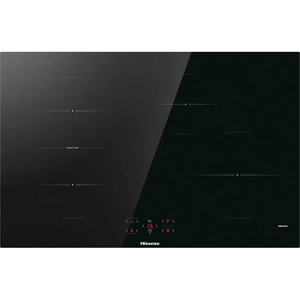
Hob Type: Induction hob • Burners/Zones: 4 Zones • Controls: Touch control
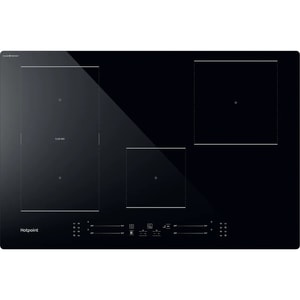
Hob Type: Induction hob • Burners/Zones: 4 Zones • Controls: Touch control
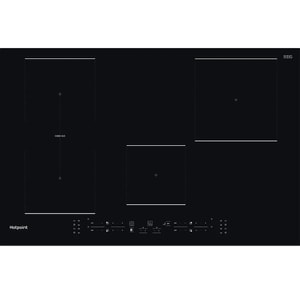
Hob Type: Induction hob • Burners/Zones: 4 Zones • Controls: Touch control
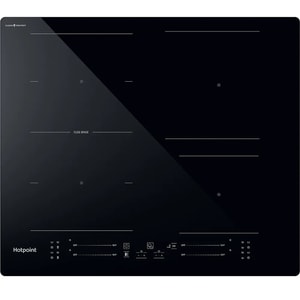
Hob Type: Induction hob • Burners/Zones: 4 Zones • Controls: Touch control
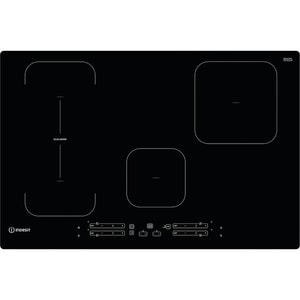
Hob Type: Induction hob • Burners/Zones: 4 Zones • Controls: Touch control
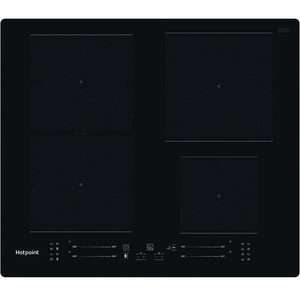
Hob Type: Induction hob • Burners/Zones: 4 Zones • Controls: Touch control
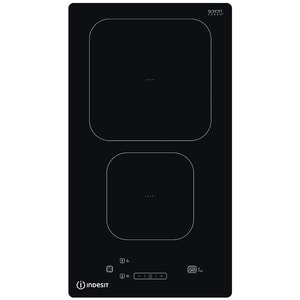
Hob Type: Induction hob • Burners/Zones: 2 Zones • Controls: Touch control
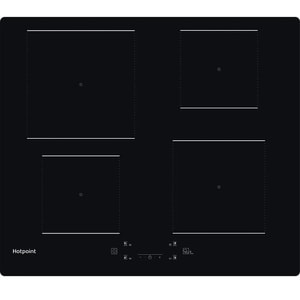
Hob Type: Induction hob • Burners/Zones: 4 Zones • Controls: Touch control
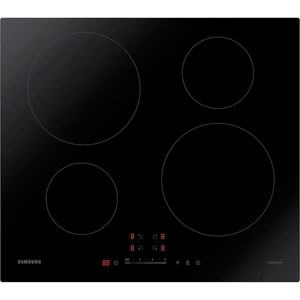
Hob Type: Induction hob • Burners/Zones: 4 Zones • Controls: Touch slider
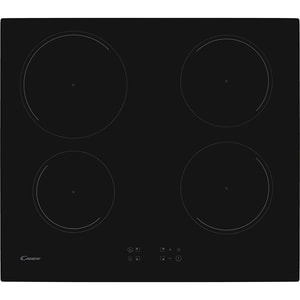
Hob Type: Induction hob • Burners/Zones: 4 Zones • Controls: Touch control
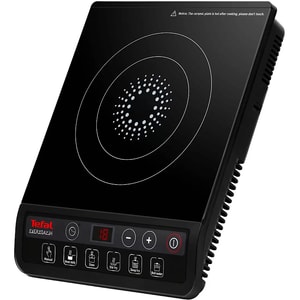
Hob Type: Induction hob • Burners/Zones: 1 Zones • Controls: Touch control
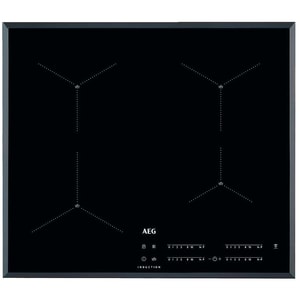
Hob Type: Induction hob • Burners/Zones: 4 Zones • Controls: Touch control
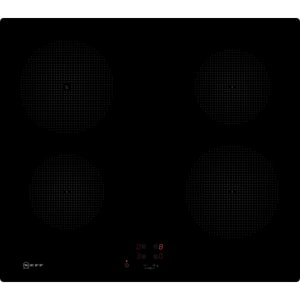
Hob Type: Induction hob • Burners/Zones: 4 Zones • Controls: Touch control
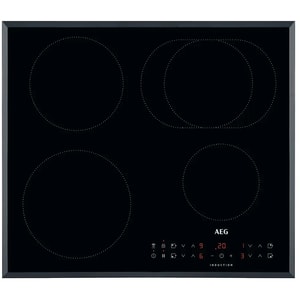
Hob Type: Induction hob • Burners/Zones: 4 Zones • Controls: Touch control
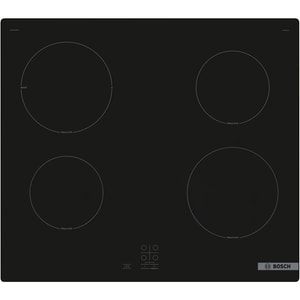
Hob Type: Induction hob • Burners/Zones: 4 Zones • Controls: Touch control
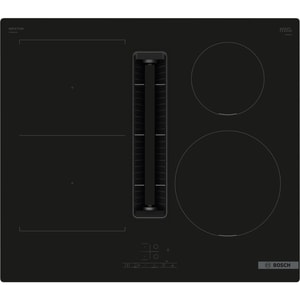
Hob Type: Induction hob • Burners/Zones: 4 Zones • Controls: Touch control
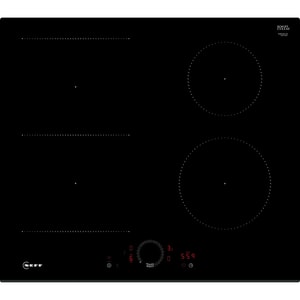
Hob Type: Induction hob • Burners/Zones: 4 Zones • Controls: Touch control
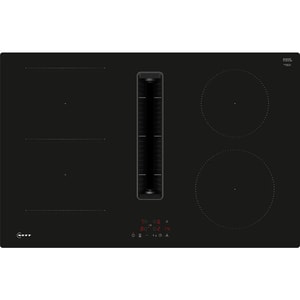
Hob Type: Induction hob • Burners/Zones: 4 Zones • Controls: Touch control
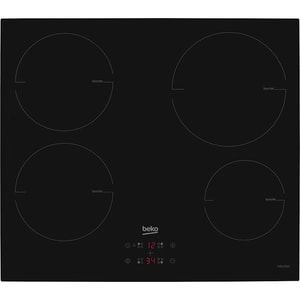
Hob Type: Induction hob • Burners/Zones: 4 Zones • Controls: Touch control
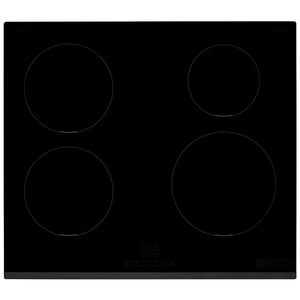
Hob Type: Induction hob • Burners/Zones: 4 Zones • Controls: Touch control
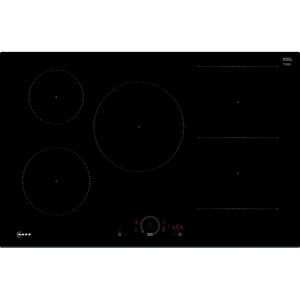
Hob Type: Induction hob • Burners/Zones: 5 Zones • Controls: Touch control
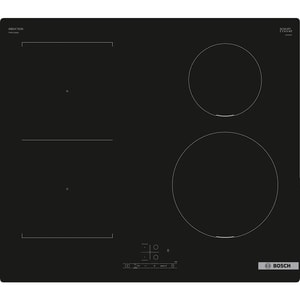
Hob Type: Induction hob • Burners/Zones: 4 Zones • Controls: Touch control
What size induction hob fits your kitchen?
The standard cut-out is 60cm and that's where most four-zone hobs land, suiting flats and average kitchens. Step up to 75cm or 80cm if you cook two big pans side by side without juggling, and 90cm gives a fifth zone or a long flex area for griddles and roasting tins. Compact 30cm domino-style and small portable units suit utility rooms, campervans and second-kitchen setups, but they won't replace a main hob for family cooking. Read More...
Measure the worktop cut-out and the cabinet depth before you shop. A hob that's a few millimetres wider than the gap means new worktop work, which is rarely worth it for a slightly bigger surface.
How many zones do you actually need?
Two-zone hobs cover one-pan cooking and tight spaces. Four zones is the everyday answer for most households, and the layout matters as much as the count, because pans crowd each other on cheaper grids. Five-zone and flex-zone hobs pair into one long bridge area, which is the practical advantage if you use oven trays, fish kettles or two pans of different sizes at once.
Are touch controls worth it over knobs?
Every hob in this category uses touch control, with some stepping up to a slider for finer power adjustment. Touch sliders feel closer to a dial: drag for low simmer, tap for boost. If you want physical knobs, you're looking at a different format altogether (knob-controlled hobs sit on a separate set), so factor that in before you commit.
Do you need an extractor built into the hob?
Venting hobs and downdraft extractors pull steam down through the surface instead of up to a hood, which frees the wall above and suits island installs. They cost more, need ducting or a recirculation kit, and the install is more involved. If you already have a working hood or your hob sits against a wall, a standard induction hob is the simpler buy.
Will your existing pans work?
Induction needs ferrous cookware. Hold a fridge magnet to the base of a pan: if it sticks firmly, it'll work. Cast iron and most stainless steel are fine. Aluminium, copper and old ceramic-base pans usually aren't, unless they're labelled induction-ready. Budget for a couple of replacements if your set is a mix.
Induction versus ceramic and gas, in plain terms
Ceramic hobs heat a coil under glass, which then heats the pan, so they're slower to respond and slower to cool. Induction creates a magnetic field that heats the pan directly, which means faster boil times, instant power changes and a cooler glass surface around the pan. Against gas, induction wins on cleaning, child safety and energy use, while gas still wins on visible flame control and works in a power cut. Running cost favours induction in most UK homes given current electricity and gas tariffs.
Install, power and the practical bits
Most full-size induction hobs need a dedicated 30A or 32A circuit wired by a qualified electrician, not a 13A plug. Smaller portable and single-zone units run from a standard socket. Check the appliance's connected load before you book the fitter, and confirm the worktop material can take the cut-out without chipping at the edge (composite and solid surface are fine, laminate needs a sealed edge).
Frequently Asked Questions
A well-installed induction hob from a mainstream brand should give ten to fifteen years of normal use. The induction coils themselves rarely fail. What tends to go is the touch control board, usually after liquid spills bake into the seams. Wipe spills as they happen and the hob will outlast most kitchens.
Only if they're ferrous. The magnet test is the quick check: stick a fridge magnet to the base, and if it holds firmly the pan is induction-compatible. Stainless steel labelled "induction" and any cast iron will work. Pure aluminium, copper and most old non-stick pans won't, so plan to replace a few favourites.
A 60cm four-zone hob is the standard fit and works in most galley and apartment kitchens. If you genuinely cook for one or two and worktop space is tight, a two-zone domino around 30cm frees a chunk of prep space, but you'll feel the limit at Christmas.
It is if you have an island or open-plan layout where a hood would block sightlines, or if you want to keep the wall behind the hob clear. For a standard against-the-wall install with a working hood already in place, the cost premium and more involved fitting rarely pay back.
Most full-width hobs need a dedicated 30A or 32A circuit and hardwiring by a qualified electrician. They will not run reliably from a 13A plug socket. Single-zone portable and some smaller domino units are the exception and plug into a standard socket.
Wait until the surface has cooled, wipe loose debris with a damp cloth, then use a dedicated hob cream and a non-scratch pad for stuck-on residue. Sugar spills are the one exception: scrape those off with a glass scraper while the surface is still warm, because cooled sugar pits the glass.
Four fixed zones are sized for specific pan diameters. A flex-zone bridges two zones into one long area that recognises pan size and position, which means oven trays, griddles and odd-shaped pans get even heat across the base. If you regularly use a fish kettle or a big roasting pan on the hob, flex earns its keep.
Five-zone hobs usually mean an 80cm or 90cm width and a central zone for kettles, milk pans or a wok. If you regularly run four pans plus something on the side, the fifth zone removes the constant shuffle. For most weeknight cooking, four zones is enough.