
Neff Induction Hobs
Neff induction hobs are built around responsive heat, clean glass design and controls that suit how people actually cook. Whether you want a tidy 60 cm four-zone for a standard cut-out or an 80 cm layout with FlexInduction for big pans, this guide covers what matters before you commit.
- Relevance
- Price: Low - High
- Price: High - Low
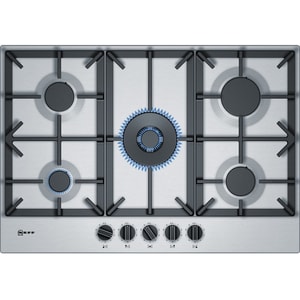
Hob Type: Gas hob • Burners/Zones: 5 Burners • Controls: Sword Knobs
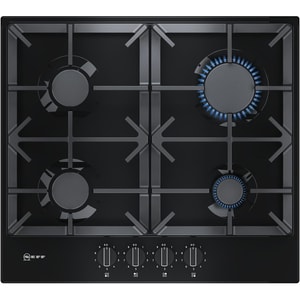
Hob Type: Gas hob • Burners/Zones: 4 Burners • Controls: Rotary knobs
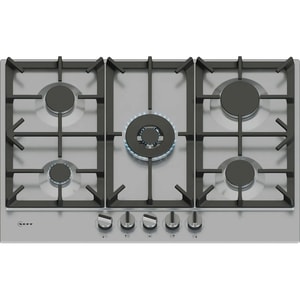
Hob Type: Gas hob • Burners/Zones: 5 Burners • Controls: Rotary knobs
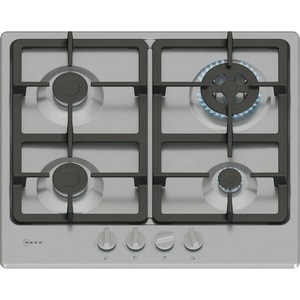
Hob Type: Gas hob • Burners/Zones: 4 Burners • Controls: Rotary knobs
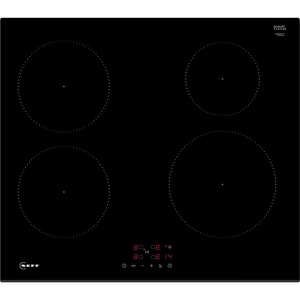
Hob Type: Induction hob • Burners/Zones: 4 Zones • Controls: Touch control
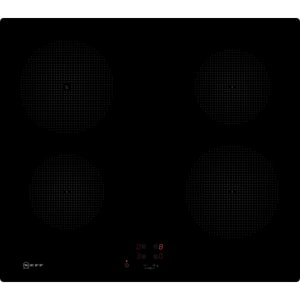
Hob Type: Induction hob • Burners/Zones: 4 Zones • Controls: Touch control
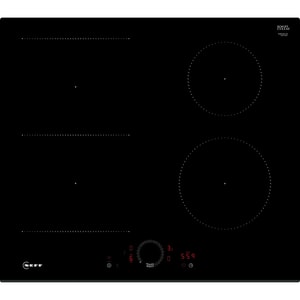
Hob Type: Induction hob • Burners/Zones: 4 Zones • Controls: Touch control
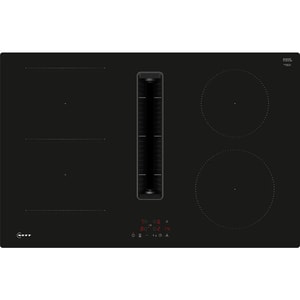
Hob Type: Induction hob • Burners/Zones: 4 Zones • Controls: Touch control
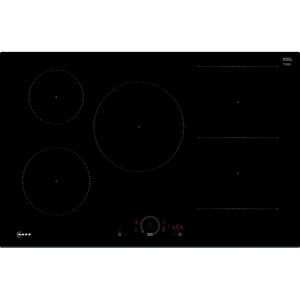
Hob Type: Induction hob • Burners/Zones: 5 Zones • Controls: Touch control
Which size suits your worktop and how you cook?
A 60 cm four-zone hob drops into the standard 560 by 490 mm cut-out and suits the way most UK households cook: two pans on the front, two on the back, occasional roasting tray. It is the easiest swap if you are replacing an existing hob without altering the worktop. Read More...
An 80 cm hob gives noticeably more elbow room. You can run three pans across the front, leave space behind for a saucepan, and most 80 cm Neff models include a FlexInduction strip wide enough for a griddle or oval roaster. Worth it if you batch cook, host often, or have always felt cramped.
Measure cut-out, depth and the cabinet below before you decide. An 80 cm hob needs an 80 cm cabinet beneath, not a squeezed 60.
How the N30, N50 and N70 ranges actually differ
Neff sorts induction hobs into ranges. N30 is the entry point: clean glass, dependable touch control, standard zones, a sensible pick for a second home or a straightforward kitchen.
N50 adds more zone flexibility, longer power steps and tidier finishing. The jump from N30 to N50 mostly buys you better control resolution and a more polished feel day to day.
N70 is where FlexInduction, brighter displays, more refined boosts and Home Connect tend to appear. If you cook with griddles, oval pans or want app-based timers, N70 is the realistic floor.
Don't pay for an N70 if you cook two pans of pasta a week. Don't settle for an N30 if your weeknight involves a griddle, a wok pan and a stockpot at once.
Worth paying more for FlexInduction?
FlexInduction lets you bridge two zones into one larger heating area. The hob detects where the pan sits and only heats that footprint, so a long griddle or oval casserole gets even heat without cold patches.
If you regularly use rectangular grill plates, fish kettles, or two saucepans you want to slide between, FlexInduction earns its premium. If you only ever cook with round pans of similar size, four standard zones will serve you fine and free up budget for a better extractor.
Touch slider or TwistPad: which control suits real cooking?
Touch sliders are flat, easy to clean and quick to learn. Drag a finger across the strip to set power, tap to confirm. Glass stays uncluttered. The trade-off: wet or floury fingers can mis-trigger the strip.
TwistPad, on selected ranges, is a removable magnetic dial. Place it on the glass, twist for power, lift it off to clean. Tactile feedback suits cooks who prefer a physical control without the bulk of traditional knobs. Both styles offer fine power steps; the question is whether you want flat glass or a dial.
Power, wiring and what an electrician needs to know
Most full-size Neff induction hobs are hardwired on a dedicated 32 A cooker circuit. A few compact models run on 13 A but share power across zones and cap PowerBoost. If your kitchen has only a 13 A spur and you cook with several pans at once, plan for a circuit upgrade.
Cut-out template, side and rear clearances, and the cooling airflow path inside the cabinet all sit in the Neff manual. Treat them as non-negotiable. If you are fitting above a single oven, double-check both appliances' clearance figures, since heat stacking and blocked vents are the most common install regrets.
Pans, cleaning and the small things that matter
Induction needs ferrous pans. The fridge-magnet test still works: if a magnet sticks firmly to the base, the pan will heat. Heavy, flat multi-ply stainless and cast iron give the steadiest heat and the quietest operation. Lightweight pans buzz and skip across the glass.
Schott Ceran glass cleans easily once cool. Wipe with warm soapy water and a soft cloth, use a non-abrasive cream cleaner for cooked-on residue, and a glass scraper held shallow for stubborn marks. Never wipe a hot hob with a cold damp cloth.
Frequently Asked Questions
Only pans with a ferrous base. The quick test: hold a fridge magnet to the underside, and if it grips firmly, the pan is induction-ready. Stainless multi-ply and cast iron perform best. Pure aluminium, copper, and most older non-stick pans without an induction-rated base will not heat.
If you cook with griddles, fish kettles, oval roasters, or want to slide pans without losing heat, yes. If you only use round saucepans of similar size, four conventional zones cover almost every situation and let you put the budget into a better extractor or oven instead.
N30 is the entry tier with clean controls and dependable performance. N50 adds finer control and a more refined finish. N70 brings FlexInduction, smarter boosts, brighter displays and Home Connect. Pick the tier whose features you will actually use weekly, not the one that looks most impressive in a brochure.
Some compact models are designed for 13 A, but they share total power across the zones and cap PowerBoost. For a renter or a low-use kitchen this can be enough. For a household that cooks multiple pans at once, a hardwired 32 A circuit is the sensible long-term setup. Always have an electrician confirm the supply.
A faint buzz or fan whisper is normal at high power, especially with lighter pans. The fan keeps the electronics cool and runs for a few minutes after you switch off. Heavier flat-based pans and stepping down from PowerBoost once water has boiled keeps things calmer.
Wipe with warm soapy water once the surface is cool. Use a non-abrasive cream cleaner for cooked-on residue and a proper glass scraper at a shallow angle for anything stubborn. Avoid abrasive pads and bleach-based sprays, both of which dull the glass over time.
Not always. Each oven and hob lists clearance and ventilation requirements, and not every pairing leaves enough space for the hob's cooling airflow. Check both manuals before buying, especially if the oven is older or from a different brand. A blocked vent is the most common cause of premature hob failure.
Decide on width, zone count and control style first, then compare like-for-like across retailers. Live-price comparison cuts the work, since the same Neff model often varies by fifty to a hundred pounds depending on stockist, delivery date and any installation extras.