
Dual Fuel Cookers
Dual fuel pairs a gas hob with an electric oven, so you get fast flame control for searing and stir-frying alongside steadier, fan-driven baking. Widths run from 60cm freestanding cookers that drop into a standard gap up to 90cm, 100cm and 110cm range cookers for bigger kitchens.
- Relevance
- Price: Low - High
- Price: High - Low
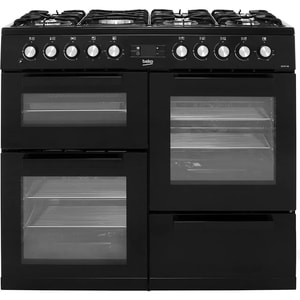
Range cooker • Fuel: Dual • Hob: Gas, 7 Burners
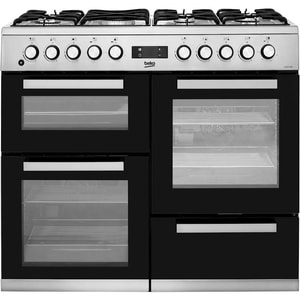
Range cooker • Fuel: Dual • Hob: Gas, 7 Burners
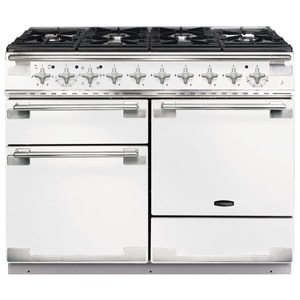
Type: Range cooker • Fuel: Dual Fuel • Hob: Gas, 6 Burners
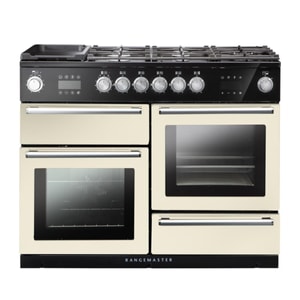
Type: Range cooker • Fuel: Dual Fuel • Hob: Gas, 7 Burners
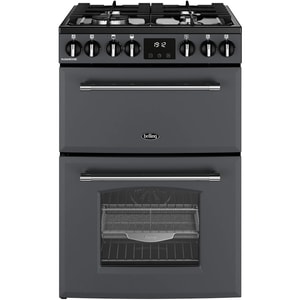
Type: Double oven cooker • Fuel: Dual Fuel • Hob: Gas, 4 Burners
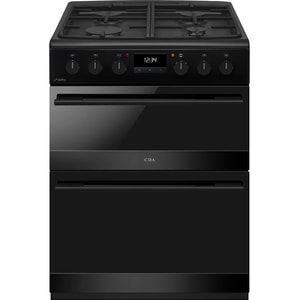
Type: Double oven cooker • Fuel: Dual Fuel • Hob: Gas, 4 Burners
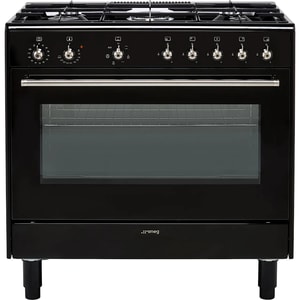
Type: Single oven cooker • Fuel: Dual Fuel • Hob: Gas, 5 Burners
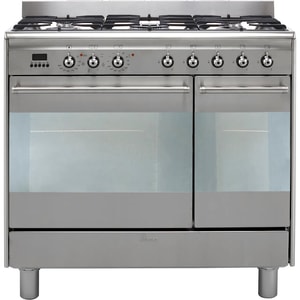
Type: Double oven cooker • Fuel: Dual Fuel • Hob: Gas, 5 Burners
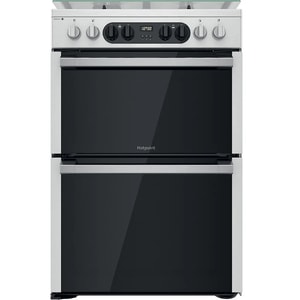
Type: Double oven cooker • Fuel: Dual Fuel • Hob: Gas, 4 Burners
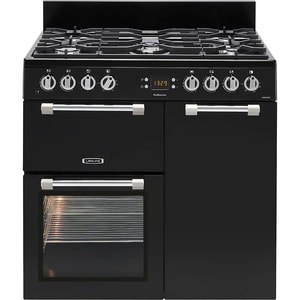
Type: Range cooker • Fuel: Dual Fuel • Hob: Gas, 5 Zones
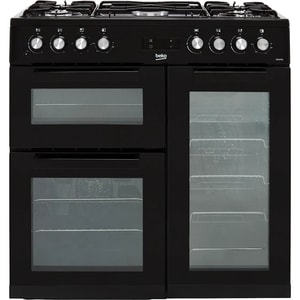
Type: Range cooker • Fuel: Dual Fuel • Hob: Gas, 5 Burners
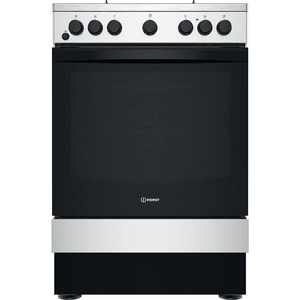
Type: Single oven cooker • Fuel: Dual Fuel • Hob: Gas, 4 Burners
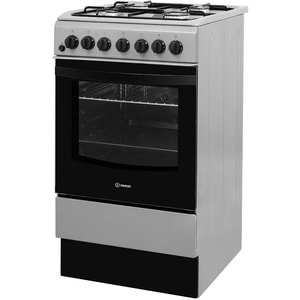
Type: Single oven cooker • Fuel: Dual Fuel • Hob: Gas, 4 Burners
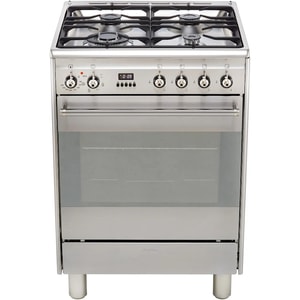
Type: Single oven cooker • Fuel: Dual Fuel • Hob: Gas, 4 Burners
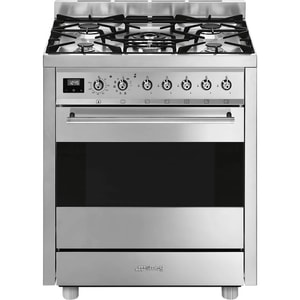
Type: Single oven cooker • Fuel: Dual Fuel • Hob: Gas, 5 Zones
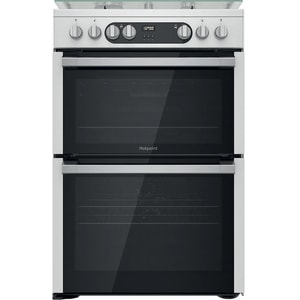
Type: Double oven cooker • Fuel: Dual Fuel • Hob: Gas, 4 Burners
How dual fuel actually works, and who it suits
Dual fuel means a gas hob on top with an electric oven below. You're combining the responsiveness gas cooks tend to prefer (instant heat, visible flame, easy to drop to a simmer) with the even, fan-circulated baking electric ovens are known for. Some shoppers search for a "dual gas cooker" by mistake; the actual setup is gas hob plus electric oven, not gas in both places. Read More...
It's a sensible pick if you cook a lot from the hob, wok, sear, reduce sauces, but you also bake, roast and want predictable oven temperatures.
Which width fits your kitchen and your cooking
Width is the single biggest decision and it's set by two things: the gap your old cooker left behind, and how many people you cook for. 60cm slots into a standard cooker space without joinery work. 90cm and wider usually means rethinking the run of units, but you gain a second cavity and a more capable hob. Measure the gap, then decide from cooking habits.
Will a 60cm cooker do the job?
A 60cm freestanding dual fuel cooker drops into a standard cooker gap between units, so it's the path of least resistance when replacing an old freestanding cooker. You'll typically get a four-burner gas hob and either a single tall oven or a main oven plus a separate grill cavity. Plenty for a couple or a smaller family doing weekday cooking.
When 90cm or wider earns its place
Step up to a 90cm dual fuel range cooker and you'll usually find a five-burner hob with a high-output wok burner, plus a tall main oven and a second cavity that doubles as a grill or smaller oven. Useful if you regularly cook for guests or run multiple trays at once.
100cm and 110cm range cookers add a sixth or seventh burner, often a griddle or simmer plate, and two genuinely full-size cavities side by side. That's the territory for households who entertain, batch-cook or want a Sunday roast and pudding running at different temperatures simultaneously.
Single oven or double oven, what changes in practice
A single-oven dual fuel cooker gives you one large cavity, which is great for big roasts and trays of pizza but limits you to one temperature at a time. A double oven cooker splits the space: a smaller top oven (often a grill) heats up fast for weeknight cooking, and the main oven handles bigger jobs.
If you bake and roast in parallel, double oven wins. If you mostly cook one main thing and want maximum cavity space, go single.
The hob and oven features worth paying more for
A wok burner at the front of the hob makes a real difference for stir-fries and big pans, and cast-iron pan supports stay put when you slide a heavy casserole across. Flame safety devices that cut the gas if a flame goes out are standard now, but worth confirming.
In the oven, fan or multifunction modes give you even bakes; a base-heat or pizza setting helps crisp pastry. For cleaning, catalytic liners absorb splashes during normal cooking, hydrolytic uses steam for a quick refresh, and pyrolytic burns residue off at high heat for the deepest clean. Pyrolytic costs more but means almost no scrubbing.
Installation, gas, electrics and ventilation
Dual fuel sits at the awkward intersection of two trades, gas and electrical, and most install surprises come from underestimating one or the other. Before you order, check three things: who'll do the gas connection, what your kitchen's electric supply can carry, and whether you have extraction that matches the appliance width. Get those right and the rest is straightforward.
Gas Safe and the electric supply
Any gas connection must be made by a Gas Safe registered engineer, and that's not optional. The electric oven side is where people get caught out: many dual fuel cookers, especially 90cm and wider ranges, need a hardwired cooker circuit (often 32A) rather than a 13A plug. Check the rating against your existing supply before you order.
LPG, hoods and clearance
If you're on bottled gas rather than mains, look for a model that ships with an LPG conversion kit or supports one. Pair the cooker with a hood at least the same width as the appliance (90cm hood for a 90cm cooker, 100cm for 100cm) and follow the manufacturer's clearance to walls and overhead units.
Frequently Asked Questions
No. Dual fuel means a gas hob with an electric oven. A "dual gas" cooker would have gas in both, which is rare in the UK. If you want gas in the oven too, you're looking for a gas cooker or gas range cooker, not dual fuel.
Often, but not always. Many 60cm dual fuel cookers need a dedicated cooker circuit (typically 32A) rather than the 13A socket that powered an all-gas cooker. Check the new model's electrical rating against your existing supply, and budget for an electrician if you don't already have a cooker outlet.
Usually yes. Most brands either ship an LPG conversion kit in the box or sell one as an accessory, and a Gas Safe engineer swaps the jets and adjusts the regulator. Always confirm LPG compatibility on the product spec before ordering.
For most families, comfortably. A 90cm dual fuel range cooker gives you a five-burner hob plus two cavities, so you can run the turkey in the main oven, sides in the second cavity, and have all four hob rings going for gravy, sprouts and potatoes. Step up to 100cm or 110cm only if you're regularly cooking for ten-plus.
Catalytic liners are special panels in the oven walls that absorb fat splashes during normal cooking above 200°C, so you don't see a build-up. Hydrolytic uses steam to soften residue for an easier wipe-down. Pyrolytic runs a very high-heat cycle that turns spills to ash you brush out, the most thorough, with the highest energy use per cycle.
Match or beat the cooker width: 60cm hood for a 60cm cooker, 90cm for a 90cm range, 100cm for 100cm, 110cm for 110cm. Extraction rate matters too, look for around 10 air changes per hour for the kitchen volume, and prefer ducted to recirculating where the layout allows.
Depends how you cook. Two cavities let you bake and roast at different temperatures at the same time, which suits family cooking and Sunday lunch. A single big oven gives you more usable space for a turkey, large roasting tin or multiple trays of pizza. Pick on cooking habits, not assumed prestige.
Ten to fifteen years is realistic with normal use. Hob ignition modules and oven fan motors are the most common failures, both replaceable by an engineer. Door seals and hinges go next; keep the door clean and don't lean on it when open. Buying a brand with strong UK parts availability matters more than the headline spec.