
Freestanding Cookers
A freestanding cooker is the swap-in option for most UK kitchens, slotting between worktops with the hob and oven in one unit. Compare electric, gas and dual fuel models across 50cm, 55cm, 60cm and 90cm widths, with brands you'll typically see including Hotpoint, Indesit, Hisense, AEG, Beko, Smeg, Leisure and Stoves.
- Relevance
- Price: Low - High
- Price: High - Low
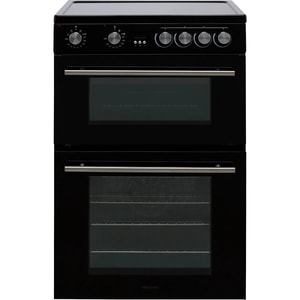
Double oven cooker • Fuel: Electric • Hob: Ceramic, 4 Zones
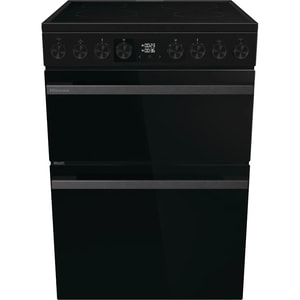
Double oven cooker • Fuel: Electric • Hob: Ceramic, 4 Zones
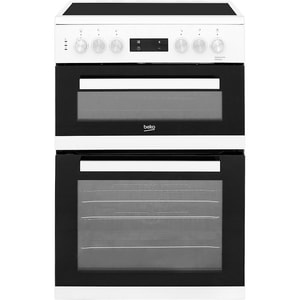
Double oven cooker • Fuel: Electric • Hob: Ceramic, 4 Zones
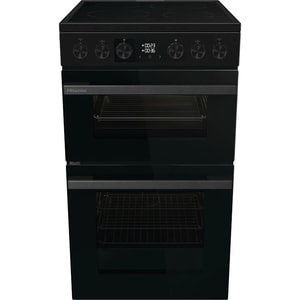
Double oven cooker • Fuel: Electric • Hob: Ceramic, 4 Zones
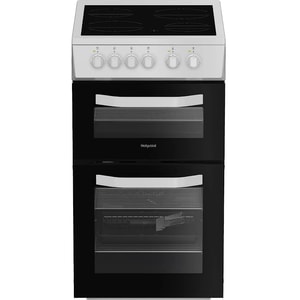
Double oven cooker • Fuel: Electric • Hob: Ceramic, 4 Zones
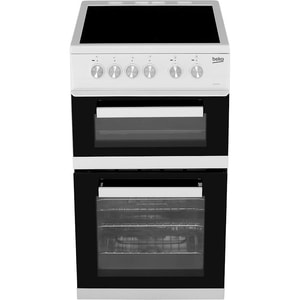
Double oven cooker • Fuel: Electric • Hob: Ceramic, 4 Zones
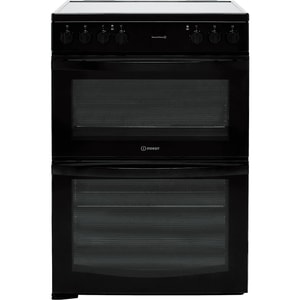
Double oven cooker • Fuel: Electric • Hob: Ceramic, 4 Zones
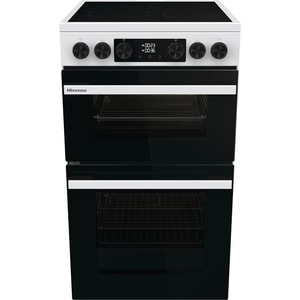
Double oven cooker • Fuel: Electric • Hob: Ceramic, 4 Zones
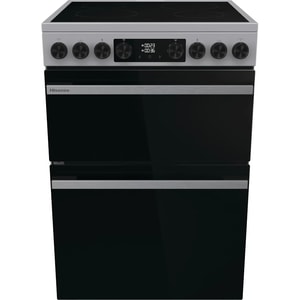
Double oven cooker • Fuel: Electric • Hob: Ceramic, 4 Zones
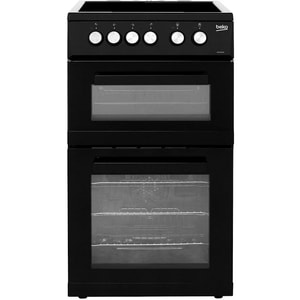
Double oven cooker • Fuel: Electric • Hob: Ceramic, 4 Zones
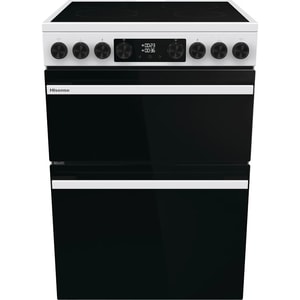
Double oven cooker • Fuel: Electric • Hob: Ceramic, 4 Zones
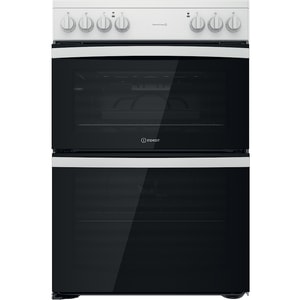
Double oven cooker • Fuel: Electric • Hob: Ceramic, 4 Zones
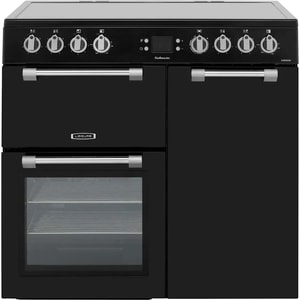
Type: Double oven cooker • Fuel: Electric • Hob: Ceramic, 5 Zones
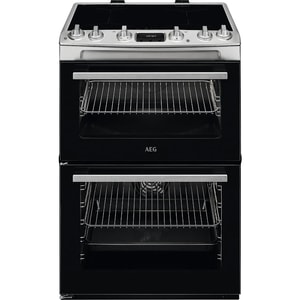
Type: Double oven cooker • Fuel: Electric • Hob: Induction, 4 Zones
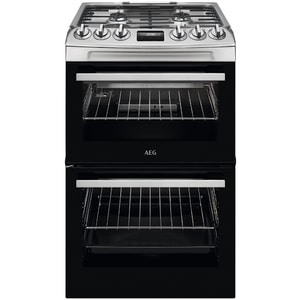
Type: Double oven cooker • Fuel: Gas • Hob: Gas, 4 Burners
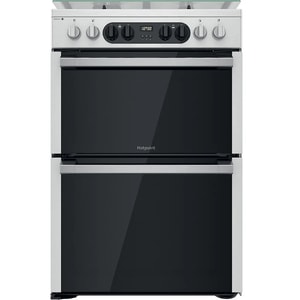
Type: Double oven cooker • Fuel: Dual Fuel • Hob: Gas, 4 Burners
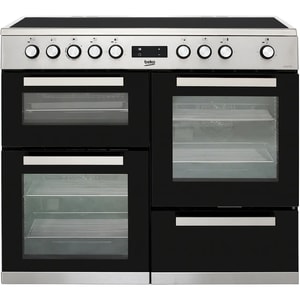
Type: Range cooker • Fuel: Electric • Hob: Ceramic, 5 Zones
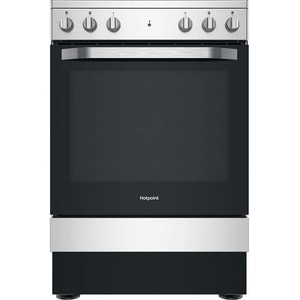
Type: Single oven cooker • Fuel: Electric • Hob: Ceramic, 4 Zones
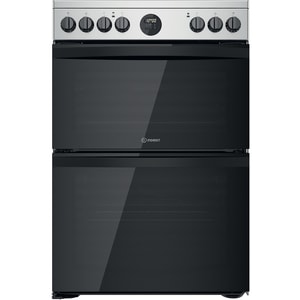
Type: Double oven cooker • Fuel: Electric • Hob: Ceramic, 4 Zones
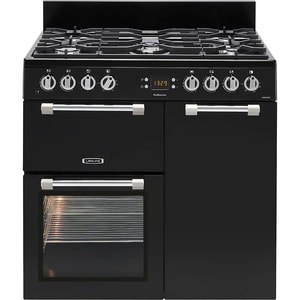
Type: Range cooker • Fuel: Dual Fuel • Hob: Gas, 5 Zones
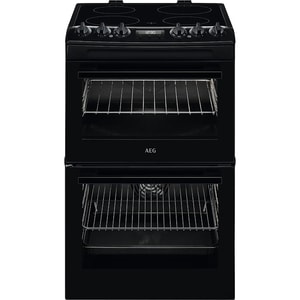
Type: Double oven cooker • Fuel: Electric • Hob: Ceramic, 4 Zones
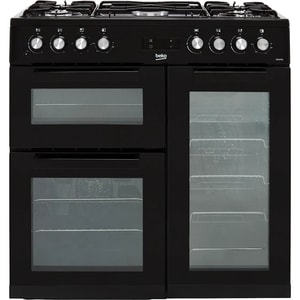
Type: Range cooker • Fuel: Dual Fuel • Hob: Gas, 5 Burners
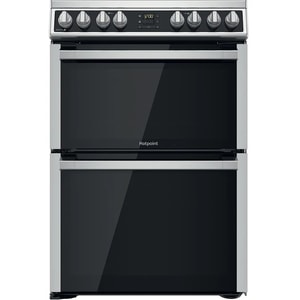
Type: Double oven cooker • Fuel: Electric • Hob: Ceramic, 4 Zones
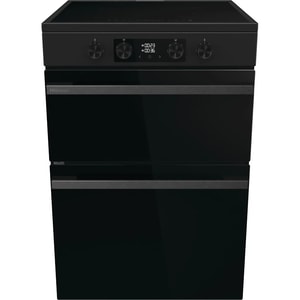
Type: Double oven cooker • Fuel: Electric • Hob: Induction, 4 Zones
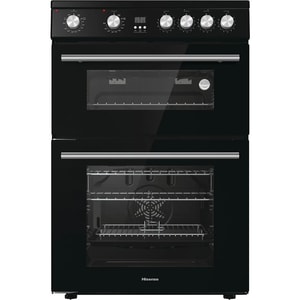
Type: Double oven cooker • Fuel: Electric • Hob: Induction, 4 Zones
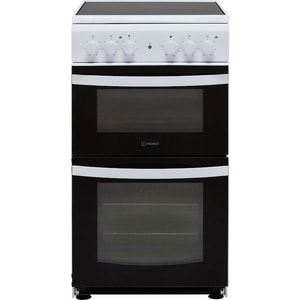
Type: Double oven cooker • Fuel: Electric • Hob: Ceramic, 4 Zones
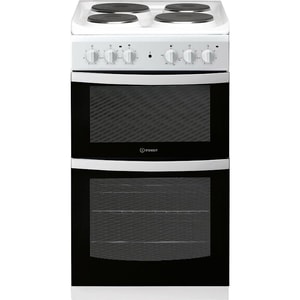
Type: Double oven cooker • Fuel: Electric • Hob: Solid Plate, 4 Zones
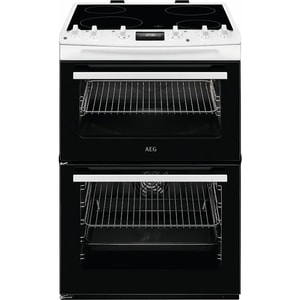
Type: Double oven cooker • Fuel: Electric • Hob: Ceramic, 4 Zones
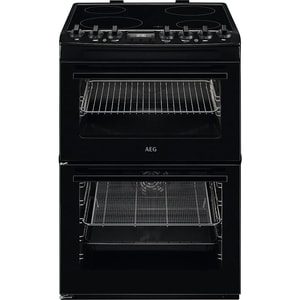
Type: Double oven cooker • Fuel: Electric • Hob: Ceramic, 4 Zones
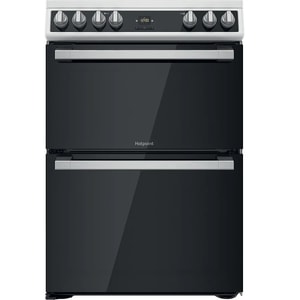
Type: Double oven cooker • Fuel: Electric • Hob: Ceramic, 4 Zones
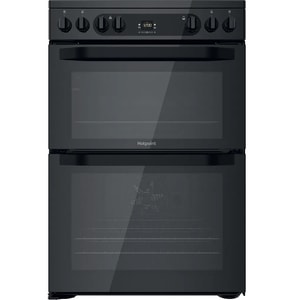
Type: Double oven cooker • Fuel: Electric • Hob: Ceramic, 4 Zones
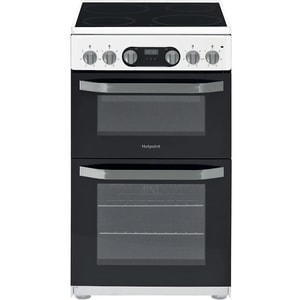
Type: Double oven cooker • Fuel: Electric • Hob: Ceramic, 4 Zones
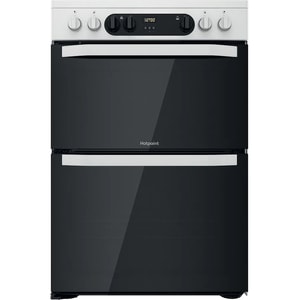
Type: Double oven cooker • Fuel: Electric • Hob: Ceramic, 4 Zones
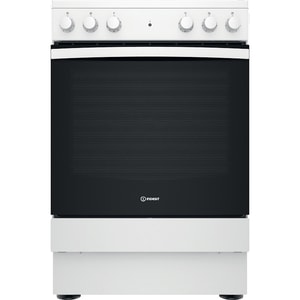
Type: Single oven cooker • Fuel: Electric • Hob: Ceramic, 4 Zones
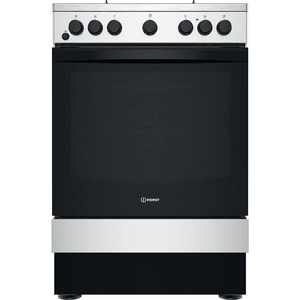
Type: Single oven cooker • Fuel: Dual Fuel • Hob: Gas, 4 Burners
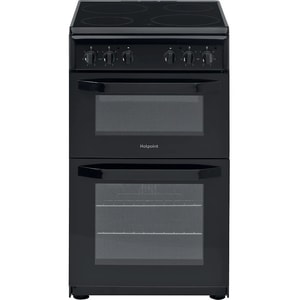
Type: Double oven cooker • Fuel: Electric • Hob: Ceramic, 4 Zones
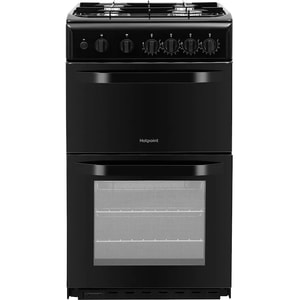
Type: Double oven cooker • Fuel: Gas • Hob: Gas, 4 Burners
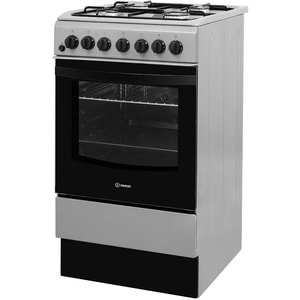
Type: Single oven cooker • Fuel: Dual Fuel • Hob: Gas, 4 Burners
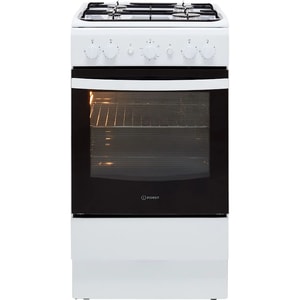
Type: Single oven cooker • Fuel: Gas • Hob: Gas, 4 Burners
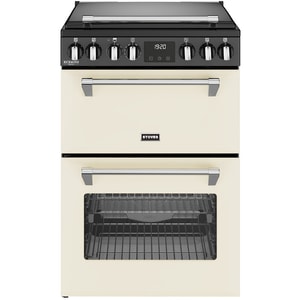
Double oven cooker • Fuel: Electric • Hob: Induction, 4 Zones
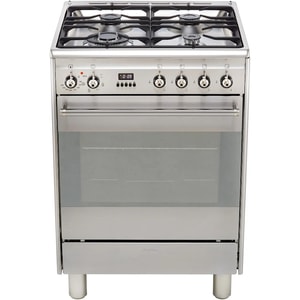
Type: Single oven cooker • Fuel: Dual Fuel • Hob: Gas, 4 Burners
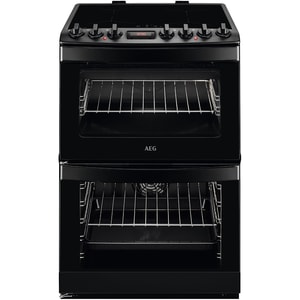
Type: Double oven cooker • Fuel: Electric • Hob: Induction, 4 Zones
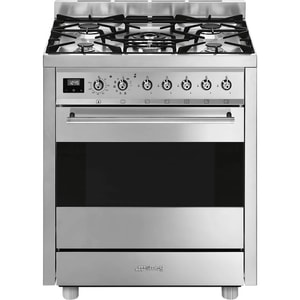
Type: Single oven cooker • Fuel: Dual Fuel • Hob: Gas, 5 Zones
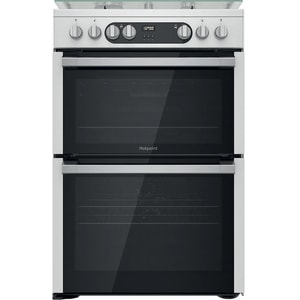
Type: Double oven cooker • Fuel: Dual Fuel • Hob: Gas, 4 Burners
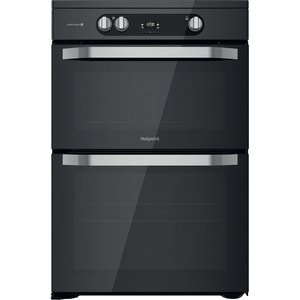
Type: Double oven cooker • Fuel: Electric • Hob: Induction, 4 Zones
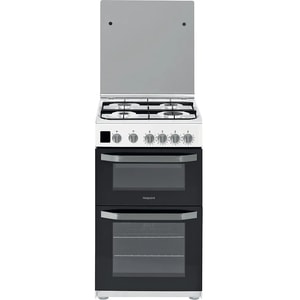
Type: Double oven cooker • Fuel: Gas • Hob: Gas, 4 Burners
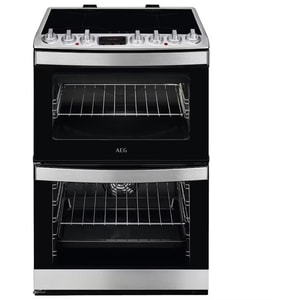
Type: Double oven cooker • Fuel: Electric • Hob: Induction, 4 Zones
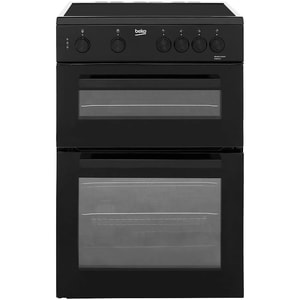
Type: Double oven cooker • Fuel: Electric • Hob: Ceramic, 4 Zones
Which width actually fits your kitchen?
The standard slot in most UK kitchens is 60cm, which is why the bulk of double oven cookers land at that width. If you're working with a galley layout or a smaller flat, 50cm and 55cm models squeeze in without sacrificing a double cavity. Step up to 90cm or 100cm and you're into range-cooker territory: more shelves, a wider hob, often five zones or burners, and a heavier install. Measure the gap including the worktop overhang and check the rear clearance for gas or electrical connection before you commit to a width. Read More...
Electric, gas or dual fuel?
Electric is the easiest install if you've already got a 32-amp cooker circuit, and most ceramic and induction models sit here. Gas suits cooks who want a flame on the hob and don't mind a single-fuel oven. Dual fuel splits the difference: gas burners for responsiveness, an electric fan oven for even bakes. If your home is on mains gas and you cook curries, stir fries or anything where flame control matters, dual fuel is usually the upgrade worth making.
Worth paying more for induction?
Ceramic hobs cover the budget and mid tiers, and they're fine for everyday cooking. Induction is faster, more controllable and safer around children because the surface only heats under the pan, but you'll need induction-compatible cookware (a magnet sticks to the base) and the price step is real. If you cook daily and value boil times, induction earns its keep. If the cooker is a rental fit-out or a second home, ceramic is the sensible call.
Single oven, double oven or range?
Double oven cookers dominate this format for a reason: a smaller top cavity doubles as a grill or quick oven, the main cavity handles the roast. Single oven models are cheaper and lighter on energy when you're cooking for one or two. Range cookers at 90cm and 100cm give you two full cavities and a wider hob, which matters at Christmas and for batch cooks. Think about how often you actually run two ovens at once before you pay for the bigger footprint.
Finish, cleaning and the small stuff
Black, white and stainless steel are the volume finishes, with stainless steel and inox hiding fingerprints best on textured panels and white reading cleaner in older kitchens. For cleaning, catalytic liners absorb grease splatter at temperature and are the most common assist on this format; hydrolytic uses steam to soften residue; pyrolytic burns it off at high heat but is rarer at this price point. Look for fan-assisted main cavities, a programmable timer if you batch-cook, and a removable inner door glass if you hate scrubbing baked-on splash.
A note on energy and running costs
Energy labels for cookers cover the oven cavity, with most stocked units sitting at A. The bigger running-cost lever is hob choice: induction is the most efficient, ceramic next, gas behind on efficiency but often cheaper per unit of energy depending on tariffs. If you're replacing an old freestanding model, a modern A-rated cavity with a fan will use noticeably less electricity for the same roast.
Frequently Asked Questions
Yes, 60cm is the UK standard cabinet width, so a 60cm freestanding cooker drops into the gap between two 60cm units. Allow a couple of millimetres of side clearance for sliding it in, check the worktop height matches the cooker's rear panel, and confirm whether the model needs a small rear gap for cable or hose routing.
A gas cooker uses gas for both the hob and the oven. A dual fuel cooker pairs a gas hob with an electric oven, usually fan-assisted, which gives more even heat and better baking results. Dual fuel needs both a gas connection and a 13-amp or higher electrical supply, depending on the model.
Most full-size 60cm electric double oven cookers are hard-wired into a dedicated 32-amp cooker circuit, not a 13-amp plug. Some smaller or single-cavity models can run from a 13-amp plug, which the manufacturer will state in the spec sheet. If you're swapping like-for-like, your existing connection is usually fine; if you're moving from gas to electric, factor in an electrician.
If you cook daily and want faster boil times, precise simmer control and a hob that wipes clean, induction is the upgrade. If you mostly reheat, fry occasionally, and already own pans that aren't induction-ready, a ceramic hob covers the same job for less and avoids the cookware swap.
Catalytic liners absorb grease into a coated panel during cooking and stay-clean by burning off splatter at higher temperatures. Hydrolytic uses water and a short cycle to loosen residue you then wipe away. Catalytic is more common on freestanding cookers; hydrolytic is gentler but needs a wipe-down to finish.
Yes, that's the point of freestanding. The unit is a standalone box with its own side panels, so you can pull it out, disconnect the hose or cable, and take it with you. Always have a Gas Safe engineer disconnect and reconnect a gas model.
A double oven gives you a smaller top cavity that heats faster and doubles as a grill, plus a main fan oven for the roast. For most UK households cooking more than one dish at once, that flexibility is worth the small price step over a single-cavity model.
Range cookers are wider, typically 90cm or 100cm, with two full-size cavities and a five-zone or five-burner hob. A standard freestanding cooker is 50cm to 60cm wide. If your kitchen has the slot and you cook for a crowd, a range earns its width; otherwise a 60cm double oven covers most needs.
They show fingerprints more than white or black on flat panels, but most stainless and inox cookers now use textured or anti-fingerprint coatings on the door. A microfibre cloth and a kitchen-safe stainless cleaner keeps them sharp; avoid abrasive pads which scratch the grain.