
Fridges and Freezers
Same appliance, different price tag. Compare prices on fridge-freezers, fridges and freezers across retailers and pay less.
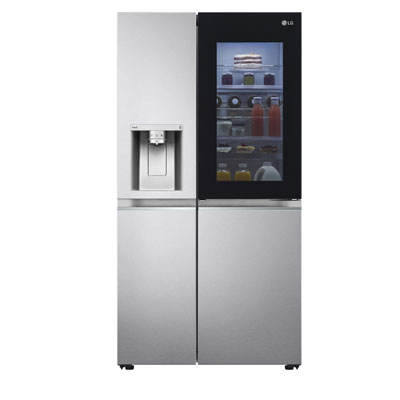
Fridges & Freezers: choose cold storage that fits your kitchen and how you shop
A fridge or freezer runs all day, every day, so the best choice is the one that fits your space and matches how you store food. Start by choosing the right format, then narrow by installation type, fridge-to-freezer split, and the features that reduce day-to-day hassle. This guide includes the buying terms UK shoppers often use, such as “fridge freezer”, “integrated fridge freezer”, “frost free fridge freezer”, “American fridge freezer”, and “undercounter fridge”. Read More...
Pick the format first: Fridge Freezers, Fridges, Freezers, or American Fridge Freezers
Different kitchens need different layouts:
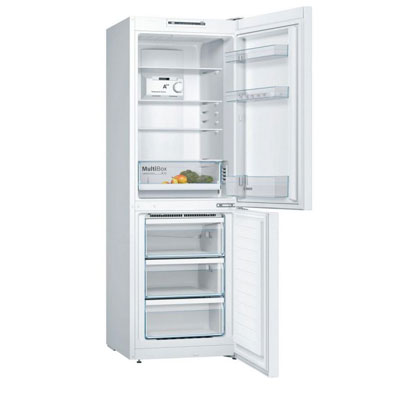
- Fridge Freezers are the all-in-one option for most homes.
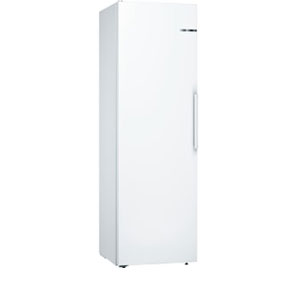
- Fridges suit households that want a dedicated larder fridge or tall fridge for fresh food.
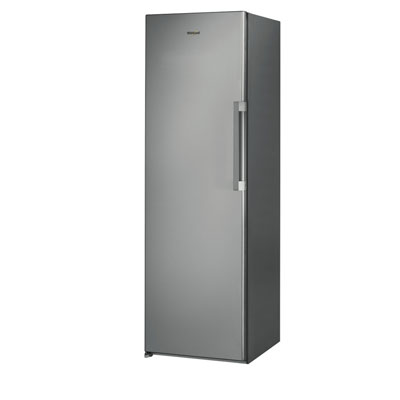
- Freezers work well for bulk buying, batch cooking, or adding a chest freezer or upright freezer in a utility room.
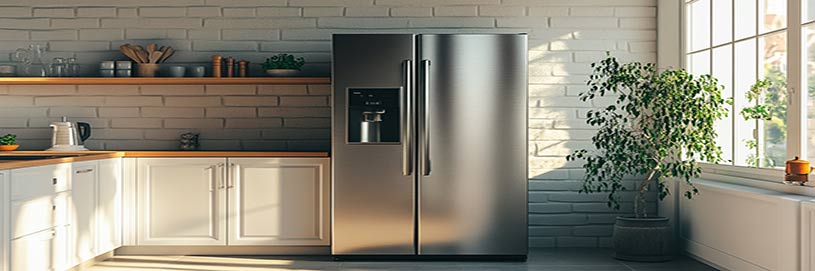
- American Fridge Freezers suit larger kitchens, often with side-by-side or French door layouts and space for chilled water and ice.
Freestanding or integrated: the measurement checks that stop expensive mistakes
Installation type is a hard constraint:
- Freestanding models are designed to sit as standalone appliances and usually give the widest choice of sizes and finishes.
- Integrated (built-in) models sit behind a cabinet door for a seamless fitted look, but the cabinet niche, door clearance and ventilation gaps must be correct.
Measure height, width and depth at the installation point, then account for door swing and drawers. If you are buying an integrated fridge freezer, check whether your kitchen uses a fixed hinge or sliding hinge system.
Fridge freezer split: choosing 60/40, 70/30, or 50/50 for your weekly shop
Split ratios are one of the most common long-tail searches because they describe how storage is divided:
- 60/40 is a common “more fresh than frozen” balance.
- 70/30 suits households that cook with fresh ingredients and use less frozen storage.
- 50/50 is useful if you keep a similar amount of fresh and frozen food.
If you rely heavily on frozen food, consider whether a separate freezer gives you more flexibility than simply choosing a larger freezer compartment.
Frost free and No Frost: what they change in real use
A “frost free fridge freezer” is popular because it reduces ice build-up and the need for manual defrosting. Look for Frost free or No Frost descriptions on the freezer section (or both compartments on some models). Less ice build-up usually means drawers slide more easily and you keep more usable freezer volume over time.
If you are choosing a standalone freezer, “frost free freezer” is worth prioritising if you want minimal maintenance, especially for upright models with multiple drawers.
Space and layout: undercounter fridges, slimline options, and larder-style storage
Kitchen layout often matters as much as capacity:
- An undercounter fridge can suit flats, smaller kitchens, or drinks storage.
- Slimline fridge freezer models can help where the kitchen walkway is tight.
- Larder fridge and tall fridge styles suit households that buy lots of fresh produce and prefer shelves over freezer drawers.
- If you are placing a freezer in a garage or outbuilding, check the stated operating temperature range in the specification.
Before you decide, think about how you actually store food: tall bottles, large trays, pizza boxes, and bulk veg. Internal layout can matter more than a small difference in litres.
Water and ice dispensers: plumbed versus non-plumbed
“Fridge freezer with water dispenser” and “ice dispenser fridge freezer” are common searches, especially for American styles. If you want a dispenser, decide how you will supply water:
- Plumbed models connect to a mains water feed.
- Non-plumbed models typically use a refillable tank.
Also check width and door clearance. Dispenser models are often larger, and you need enough room to open doors fully to access shelves and freezer drawers.
Noise and energy labels: the details you notice after day one
If the kitchen is open-plan, “quiet fridge freezer” searches are a clue that noise can matter. Compare the noise figure in dB, especially if you use the kitchen late in the evening.
For running costs, use the energy label to compare like for like. In the UK, labels use an A to G scale, and the kWh figure helps you compare energy use between similar sizes.
Link your kitchen choices: Cooking, Dishwashers, and Small Kitchen Appliances
Cold storage is part of a wider kitchen setup. If you are upgrading multiple areas, it can help to plan them together:
- Cooking choices affect how you store ingredients, leftovers, and batch-cooked meals.
- Dishwashers can make everyday cooking feel easier by reducing the clear-up.
- Small Kitchen Appliances can add quick wins such as air fryers, blenders, and coffee machines without changing your main appliances.
Start with the format that fits your kitchen, confirm installation type, then use split, defrosting features and layout to choose a model you will enjoy using every day.