
Undercounter Fridges
An undercounter fridge sits beneath a standard worktop, freeing floor space without losing chilled storage. This set covers freestanding and integrated models in white, silver, black and grey, from brands you'll typically see here including Liebherr, Bosch, Hotpoint and Indesit. Filter by capacity, colour, noise or price.
- Relevance
- Price: Low - High
- Price: High - Low
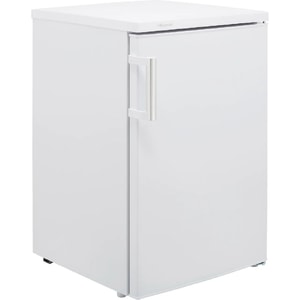
Freestanding under-counter fridge • Capacity (net): 133 L
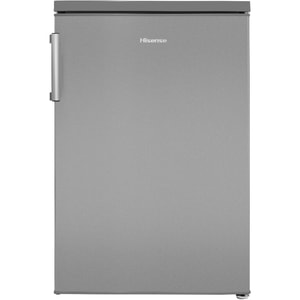
Freestanding under-counter fridge • Capacity (net): 133 L
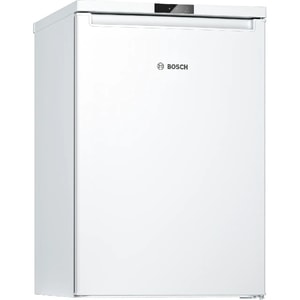
Fridge type: Freestanding under-counter • Installation type: Freestanding • Capacity (net): 134 L
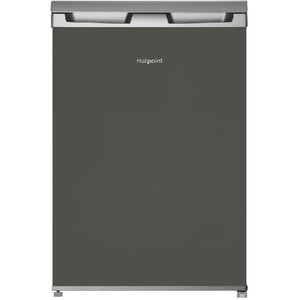
Fridge type: Freestanding under-counter • Installation type: Freestanding • Capacity (net): 128 L
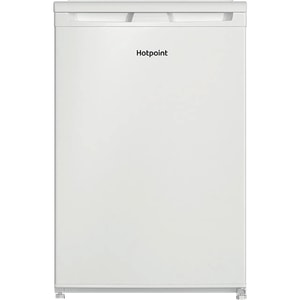
Fridge type: Freestanding under-counter • Installation type: Freestanding • Capacity (net): 114 L
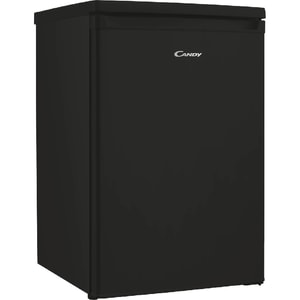
Fridge type: Freestanding under-counter • Installation type: Freestanding • Capacity (net): 127 L
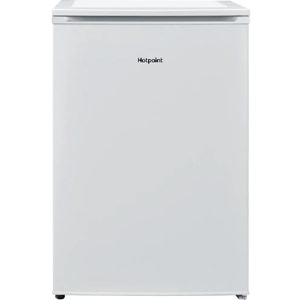
Freestanding under-counter fridge • Capacity (net): 135 L
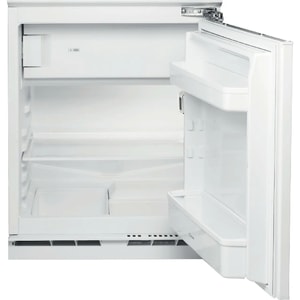
Fridge type: Integrated under-counter • Installation type: Integrated • Capacity (net): 108 L
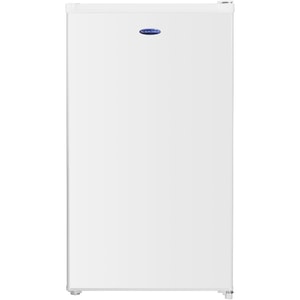
Fridge type: Freestanding under-counter • Installation type: Freestanding • Capacity (net): 88 L
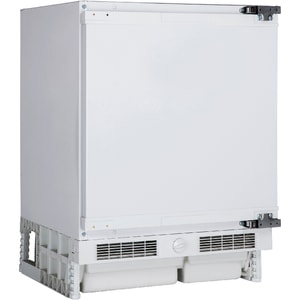
Fridge type: Integrated under-counter • Installation type: Integrated • Capacity (net): 110 L
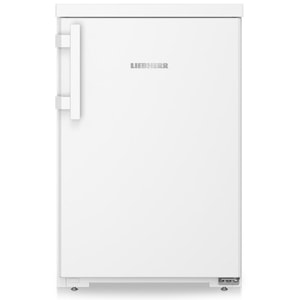
Fridge type: Freestanding under-counter • Installation type: Freestanding • Capacity (net): 97 L
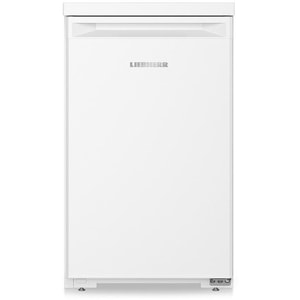
Fridge type: Freestanding under-counter • Installation type: Freestanding • Capacity (net): 85 L
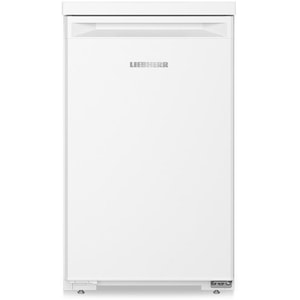
Fridge type: Freestanding under-counter • Installation type: Freestanding • Capacity (net): 111 L
Fridge type: Freestanding under-counter • Installation type: Freestanding • Capacity (net): 111 L
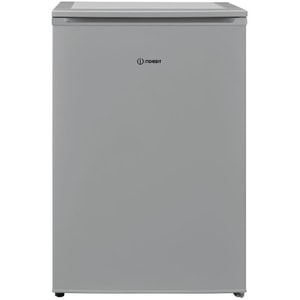
Fridge type: Freestanding under-counter • Installation type: Freestanding • Capacity (net): 122 L
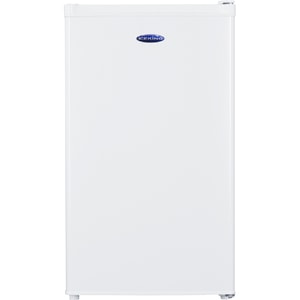
Fridge type: Freestanding under-counter • Installation type: Freestanding • Capacity (net): 70 L
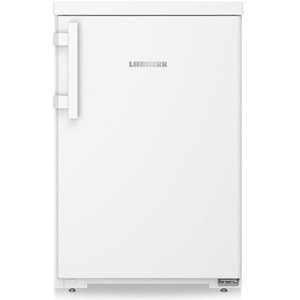
Fridge type: Freestanding under-counter • Installation type: Freestanding • Capacity (net): 111 L
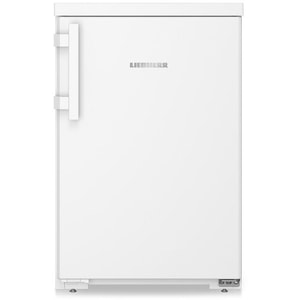
Fridge type: Freestanding under-counter • Installation type: Freestanding • Capacity (net): 125 L
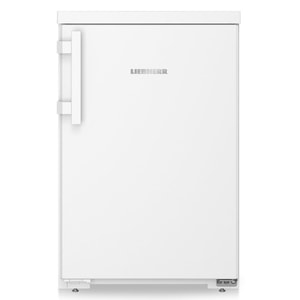
Fridge type: Freestanding under-counter • Installation type: Freestanding • Capacity (net): 126 L
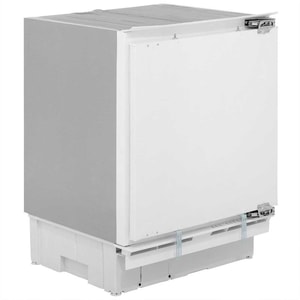
Fridge type: Integrated under-counter • Installation type: Integrated • Capacity (net): 144 L
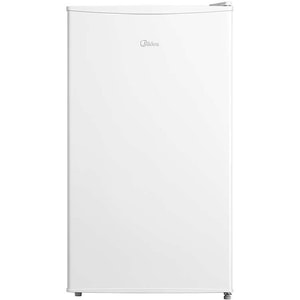
Fridge type: Freestanding under-counter • Installation type: Freestanding • Capacity (net): 93 L
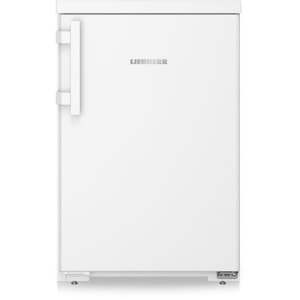
Fridge type: Freestanding under-counter • Installation type: Freestanding • Capacity (net): 126 L
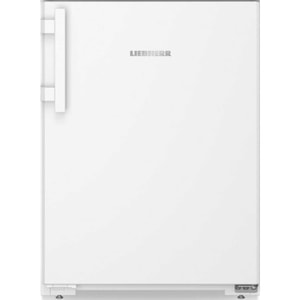
Fridge type: Freestanding under-counter • Installation type: Freestanding • Capacity (net): 141 L
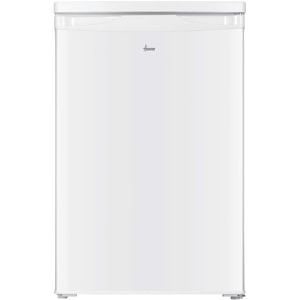
Fridge type: Freestanding under-counter • Installation type: Freestanding • Capacity (net): 127 L
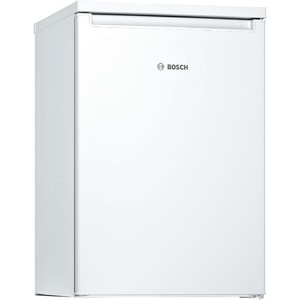
Fridge type: Freestanding under-counter • Installation type: Freestanding • Capacity (net): 106 L
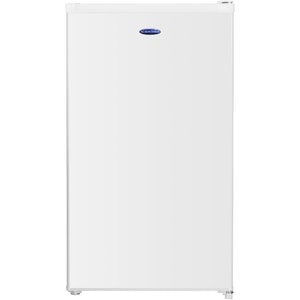
Fridge type: Freestanding under-counter • Installation type: Freestanding • Capacity (net): 88 L
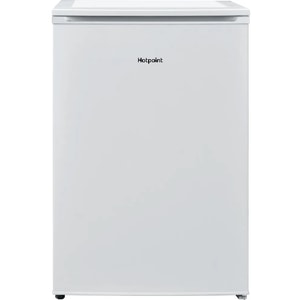
Fridge type: Freestanding under-counter • Installation type: Freestanding • Capacity (net): 105 L
Fridge type: Freestanding under-counter • Installation type: Freestanding • Capacity (net): 134 L
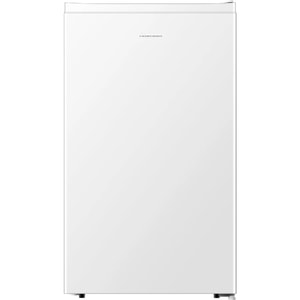
Fridge type: Freestanding under-counter • Installation type: Freestanding • Capacity (net): 92 L
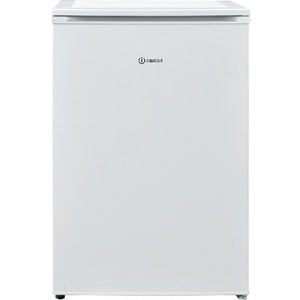
Freestanding under-counter fridge • Capacity (net): 122 L
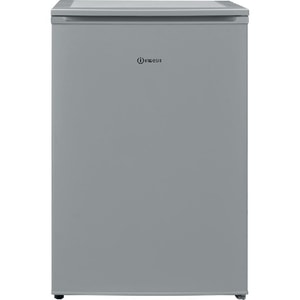
Freestanding under-counter fridge • Capacity (net): 105 L
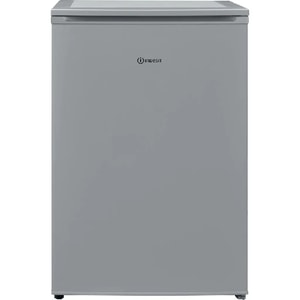
Freestanding under-counter fridge • Capacity (net): 135 L
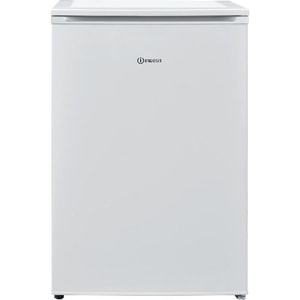
Freestanding under-counter fridge • Capacity (net): 135 L
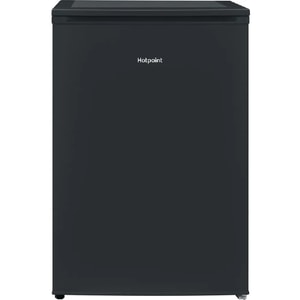
Freestanding under-counter fridge • Capacity (net): 135 L
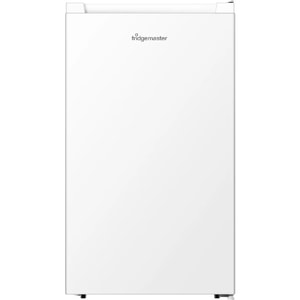
Fridge type: Freestanding under-counter • Installation type: Freestanding • Capacity (net): 75 L
Not found the right undercounter fridge yet? Compare all fridges to check prices and deals today.
How to choose an undercounter fridge
The decision splits four ways: where it goes, how it installs, how big it needs to be, and how loud you can live with. Get those right and the rest is finish and brand. Read More...
Start with the gap, not the fridge
Measure first. UK worktops sit at around 90 cm, so undercounter cabinets are built for an 82 to 88 cm niche, with widths of 55 to 60 cm and depths of around 55 cm. Leave a couple of centimetres at the back for the condenser and a few millimetres of clearance at the sides so the door can swing without catching the cabinetry. If the gap is shallower than a standard cabinet, integrated may be the only option that lines up flush with the run.
Freestanding or integrated>
Freestanding is the simpler buy. You slide it into the gap, plug it in, and replace it the same way years later. The carcass shows, so the finish matters. Integrated sits behind a cupboard door fixed to the front of the fridge, so the kitchen reads as one continuous run. It costs more, the door panel has to match the rest of the cabinetry, and swapping it later means matching dimensions exactly. Use the Installation type filter to split the grid in one click.
Capacity, by who's actually using it
Stock on this set runs from compact cabinets around 70 L up to roughly 145 L. Two practical bands cover most kitchens. A 70 to 100 L cabinet suits one or two people, a utility room, a home office or a garden annexe. It will hold a few days of fresh food, milk and a couple of bottles, not a full weekly shop. A 105 to 145 L cabinet is the sweet spot if this is your only fridge for a couple or a small family, with room for a tray of meat, a few tall bottles and a salad drawer. If you'll do a big weekly shop and freeze a lot, an undercounter fridge probably isn't the right format on its own.
Larder or ice box
A larder undercounter fridge has no freezer compartment, so the whole cabinet is chilled with full-width shelves and a crisper drawer. A model with an ice box trades a slice of fridge space for a small frozen compartment, useful for ice cubes, a bag of peas, a couple of ready meals. If you already have a separate freezer, go larder for the extra usable space. If this is your only cold storage, the ice box earns its keep.
Colour and finish
White is the default and the volume choice on this set, fine against most cabinetry and chrome handles. Silver reads as stainless and lifts a darker run. Black suits matt or graphite kitchens and hides marks better than gloss white. Grey is the rarer middle ground. Filter by Colour if the finish is doing visual work in the room rather than hiding behind a panel.
Noise and where the fridge sits
If the fridge will live in an open-plan kitchen or near a sofa, the dB rating matters more than the spec sheet suggests. Anything in the mid-30s dB is genuinely quiet, you'll hear the room before you hear the fridge. Low 40s dB is fine in a closed kitchen or utility room but starts to register in a quiet living space. Sort the grid by Noise (max) to put the quieter cabinets at the top.
Brands and what to expect
Brands you'll typically see on this set include Liebherr, Bosch, Hotpoint, Indesit, Hisense, Iceking, Fridgemaster, Candy, Hoover and Midea. Liebherr and Bosch sit at the premium end, with the longest warranties and the lowest noise figures. Hotpoint and Indesit are the volume mid-market with broad spares networks. Iceking, Fridgemaster, Hisense, Candy, Hoover and Midea cover the value end. Use the Brand filter to narrow down once you've fixed your size and finish.
Sale timing
Headline drops on undercounter fridges tend to cluster around Black Friday, Boxing Day and the January sales, with smaller dips around Amazon Prime Day. If you're not in a rush, sort by Best Deals or Price: Low - High and watch the grid through one of those windows.
Frequently Asked Questions
UK undercounter fridges are built for an 82 to 88 cm niche under a standard 90 cm worktop, with widths of 55 to 60 cm and depths around 55 cm. Measure the height, width and depth of the gap, then leave a couple of centimetres at the back for the condenser. Check the spec sheet for the model you like before you commit.
Freestanding is easier to install, cheaper to replace and the right call if the cabinetry isn't built around a fridge door panel. Integrated sits behind a matching cupboard door so the run reads as one continuous line. If you're remodelling, integrated. If you're slotting into an existing gap, freestanding almost always wins.
A larder undercounter fridge gives you full chilled capacity end to end, with shelves and a crisper drawer. A model with an ice box trades a slice of fridge space for a small frozen compartment. Pick larder if you already own a separate freezer. Pick ice box if this is your only cold storage.
For most couples, yes. A 70 to 100 L cabinet handles a few days of fresh food, milk, bottles and a salad drawer. If you tend to do one big weekly shop or batch cook, look at the 105 to 145 L band instead.
For an open-plan kitchen or a flat where the fridge sits near living space, aim for a dB rating in the mid-30s. The low 40s is fine in a closed kitchen or a utility room, but you'll notice it in a quiet room. Sort by Noise (max) on the grid to put the quieter cabinets first.
On most freestanding undercounter fridges, yes. A reversible door lets you hinge it left or right depending on which way the fridge sits next to a cabinet, an oven or a wall. Check the product page for the specific model, integrated cabinets are usually fixed to the cupboard door so it's not always relevant.
Only if the manual confirms it. Most undercounter fridges are rated for indoor kitchen temperatures, and a cold garage in winter can stop the compressor cycling correctly, which spoils food. Look for a climate class rating that covers cooler ambient temperatures before you commit.
An undercounter fridge is built to slot under a 90 cm worktop, with capacities from around 70 L up to 145 L and a full door. A mini fridge is smaller, usually freestanding on a worktop or in a bedroom, and isn't designed to be the main fridge in a kitchen. If you want it to do a weekly shop, you want undercounter.