
Integrated Fridge Freezers
Integrated fridge freezers tuck behind a furniture door so the kitchen run stays unbroken. The decisions that matter are split (70/30, 60/40 or 50/50), No Frost versus Low Frost, fridge-to-freezer balance for how you actually shop, and getting the 178 cm housing and hinges right.
- Relevance
- Price: Low - High
- Price: High - Low
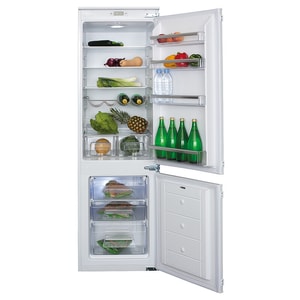
Installation Type: Built-in • Total capacity: 242 L • Split: 70/30
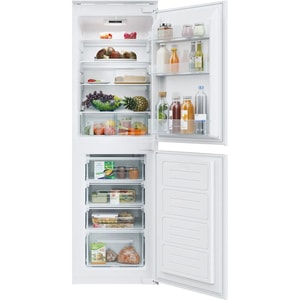
Installation Type: Built-in • Total capacity: 233 L • Split: 50/50
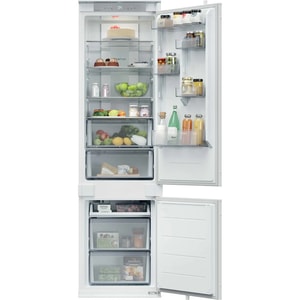
Installation Type: Built-in • Total capacity: 284 L • Split: 70/30
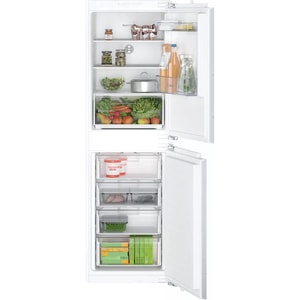
Installation Type: Built-in • Total capacity: 249 L • Split: 50/50
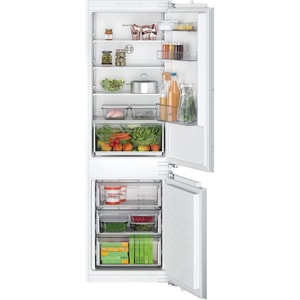
Installation Type: Built-in • Total capacity: 260 L • Split: 60/40
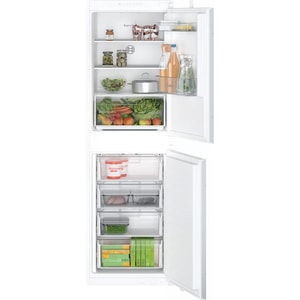
Installation Type: Built-in • Total capacity: 249 L • Split: 50/50
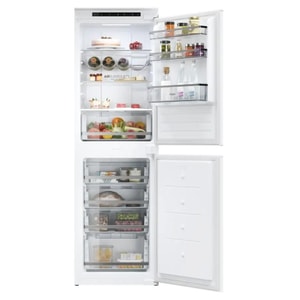
Installation Type: Built-in • Total capacity: 242 L • Split: 50/50
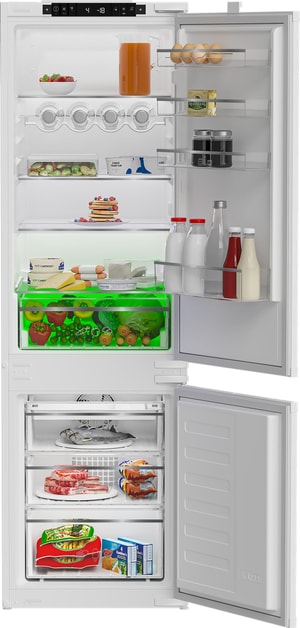
Installation Type: Built-in • Total capacity: 262 L • Split: 70/30
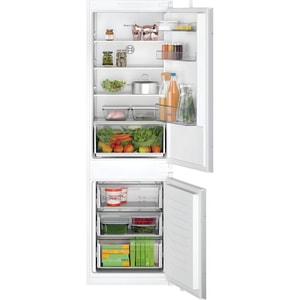
Installation Type: Built-in • Total capacity: 260 L • Split: 60/40
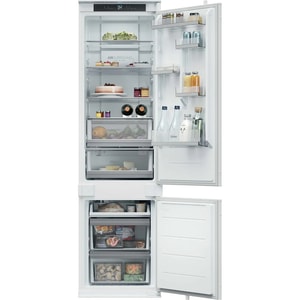
Installation Type: Built-in • Total capacity: 284 L • Split: 70/30
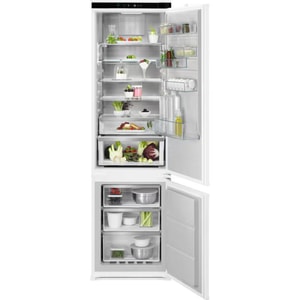
Installation Type: Built-in • Total capacity: 269 L • Split: 70/30
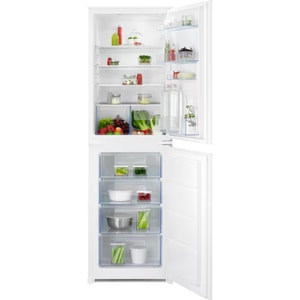
Installation Type: Built-in • Total capacity: 267 L • Split: 50/50
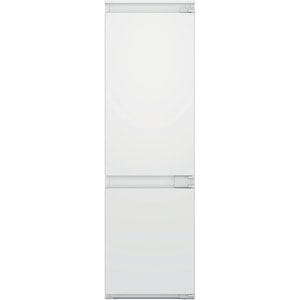
Installation Type: Built-in • Total capacity: 273 L • Split: 70/30
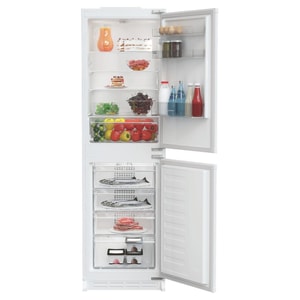
Installation Type: Built-in • Total capacity: 254 L • Split: 50/50
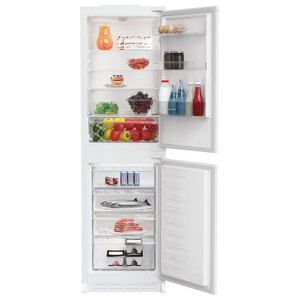
Installation Type: Built-in • Total capacity: 265 L • Split: 50/50
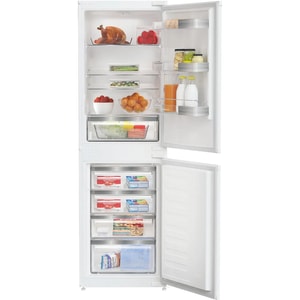
Installation Type: Built-in • Total capacity: 254 L • Split: 50/50
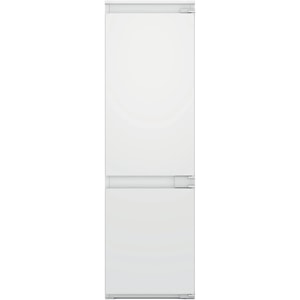
Installation Type: Built-in • Total capacity: 268 L • Split: 70/30
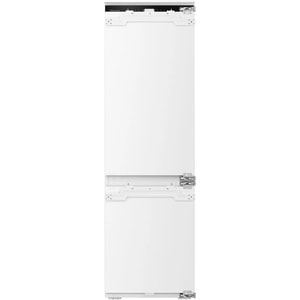
Installation Type: Built-in • Total capacity: 252 L • Split: 60/40
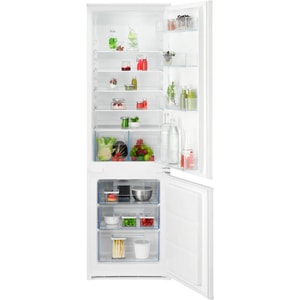
Installation Type: Built-in • Total capacity: 271 L • Split: 70/30
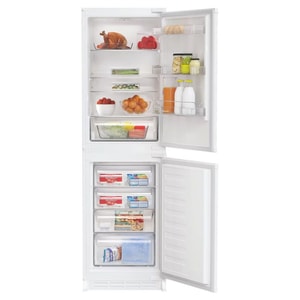
Installation Type: Built-in • Total capacity: 265 L • Split: 50/50
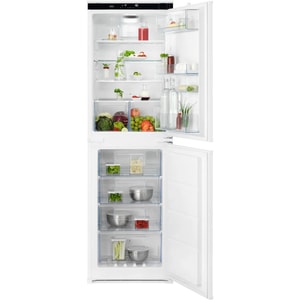
Installation Type: Built-in • Total capacity: 242 L • Split: 50/50
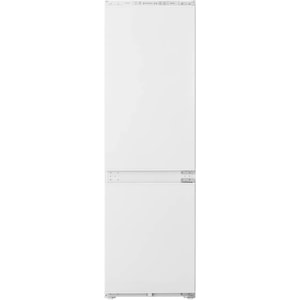
Installation Type: Built-in • Total capacity: 246 L • Split: 70/30
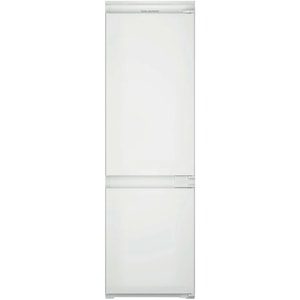
Installation Type: Built-in • Total capacity: 250 L • Split: 70/30
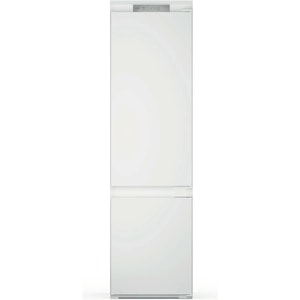
Installation Type: Built-in • Total capacity: 280 L • Split: 70/30
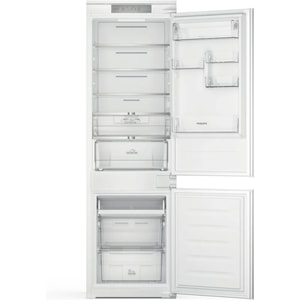
Installation Type: Built-in • Total capacity: 250 L • Split: 70/30
Installation Type: Built-in • Total capacity: 230 L • Split: 50/50
Installation Type: Built-in • Total capacity: 192 L • Split: 50/50
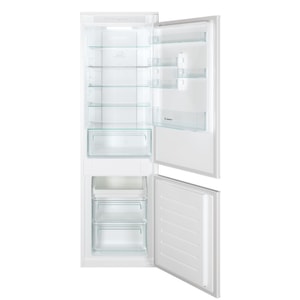
Installation Type: Built-in • Total capacity: 248 L • Split: 70/30
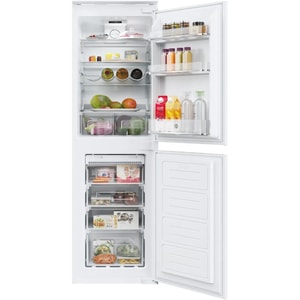
Installation Type: Built-in • Total capacity: 228 L • Split: 50/50
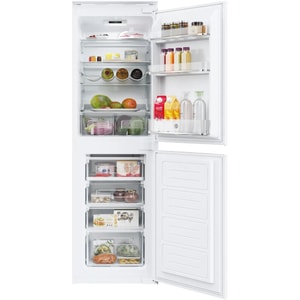
Installation Type: Built-in • Total capacity: 233 L • Split: 50/50
Installation Type: Built-in • Total capacity: 233 L • Split: 50/50
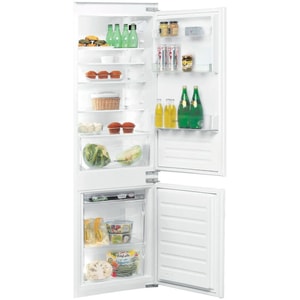
Installation Type: Built-in • Total capacity: 273 L • Split: 70/30
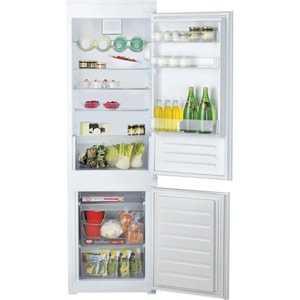
Installation Type: Built-in • Total capacity: 273 L • Split: 70/30
Will an integrated model actually fit your kitchen?
Most integrated fridge freezers in this category are tall built-ins designed for a 177 to 178 cm housing, around 56 cm wide and 55 to 56 cm deep, with the appliance door hidden behind a furniture panel. Before shortlisting anything, measure the niche, confirm the cabinet depth, and check the plinth height. Also map the route from the front door to the kitchen, because tall built-ins are bulky and stair turns trip up more deliveries than the install itself. Read More...
Two hinge systems dominate. Door-on-door (sometimes called fixed hinge) screws the furniture door directly to the appliance door, giving a firm, solid feel and a precise alignment. Sliding hinge attaches the furniture door to a rail, so the cabinet door moves as the appliance door swings, which is gentler on the carcass and easier to align in older kitchens. Pick the system your installer is comfortable with, and confirm reversibility if you've a tight corner.
Which split suits how you shop?
Split is the single biggest usability call. A 70/30 layout puts most of the cabinet at fridge height, which suits households that buy fresh weekly and only really freeze peas, bread and a couple of meals. A 50/50 split gives roughly equal fridge and freezer space, useful for batch-cookers, parents stocking ice lollies and lunchbox food, or anyone who shops monthly. A 60/40 sits between the two and is a sensible default if you genuinely don't know.
Compare usable litres, not gross. Two models with the same headline capacity can differ noticeably once you account for the icebox tray, drawer thickness and door balconies. If you regularly buy 2 L bottles, look for tall door balconies. If you batch-cook, prioritise wide freezer drawers that take a lasagne dish flat.
No Frost, Low Frost or manual defrost?
No Frost circulates dry air through the freezer so ice never builds up on food or walls. You don't defrost it, temperatures stay more even, and frozen food keeps its texture better. Low Frost reduces ice build-up and slows it down rather than eliminating it, so you'll still defrost occasionally but far less often than with manual. Manual or "low frost" boxes are usually cheaper and run quieter, but the trade-off is an annual defrost and a freezer compartment that loses usable space as ice grows.
For an integrated, lean No Frost or Frost Free unless you're committed to a small freezer compartment in a 70/30 and don't mind the once-a-year defrost.
Energy, noise and the things you'll notice daily
Two integrated fridge freezers on the same shelf can differ by a full energy band, and over ten years that's real money. Read the A to G energy label on the exact model rather than relying on brand reputation. Noise is the other quietly important number: built-in housing damps sound, but if your kitchen opens onto a living room, a model in the low-to-mid 30 dB range is noticeably calmer than one in the high 30s or 40s.
Beyond that, look for LED interior lighting that reaches the back, a door alarm so a half-shut salad drawer doesn't warm a full shop, and humidity-controlled crispers if you eat a lot of leaves.
Brands worth knowing in built-in
Brands you'll typically see in integrated include Bosch, AEG, Hotpoint, Indesit, Hoover, Hisense, Haier, Candy, CDA and Blomberg. Bosch and AEG sit at the more premium end, with quieter compressors and tighter tolerances on the door fit. Hotpoint and Indesit dominate the mid-market and are well stocked with 70/30 built-ins at sensible carcass dimensions. Hisense, Hoover, Haier and Candy give you the entry point into integrated without dropping to manual defrost. CDA and Blomberg are worth a look if you want something a step away from the very mainstream brands.
Frequently Asked Questions
Close, but usually a touch less. The cabinet around an integrated steals a few centimetres for ventilation and hinge mechanics, so a 178 cm built-in typically gives slightly less usable litres than a 178 cm freestanding. The trade is a flush kitchen and quieter operation. For most households the difference is small enough not to matter once the fridge is laid out sensibly.
Door-on-door fixes the furniture door straight to the appliance door, so they swing as one unit. It feels solid and aligns cleanly in a square cabinet. Sliding hinge uses a rail so the furniture door slides as the appliance door opens, which is gentler on older or slightly out-of-true carcasses. Both work well when fitted correctly, so let your kitchen and installer guide the choice.
Generally yes. No Frost prevents ice forming inside the freezer, which keeps usable space stable and means no annual defrost. Temperatures stay more even, so frozen food keeps its texture longer. The trade-off is slightly higher running noise and a small price premium, but on a built-in the cabinet damps the noise and the convenience is worth it for most homes.
Often yes, provided your housing matches the standard 177 to 178 cm tall, 56 cm wide niche, and you have the right depth and ventilation gap at the plinth and top. Hinge system needs to match too. If your cabinet was built around a freestanding appliance with no front panel, you may need a carpenter to make a door panel and adjust the carcass.
Around ten years is a reasonable expectation with normal use, longer for premium brands kept clean and well ventilated. Compressor failures and door seal wear are the most common end-of-life issues. Keeping the plinth intake dust-free, wiping the door seals occasionally and not over-packing the cabinet all extend lifespan meaningfully.
It depends on the cooling system. No Frost uses a fan to circulate dry air and prevent ice forming in the first place. Low Frost slows ice formation with better insulation and door seals but still needs occasional defrosting. Manual defrost has none of that, so ice builds up over months and you defrost it yourself once or twice a year.
The current A to G scale is strict, so anything in the C, D or E band is fine for everyday use, and a B-rated built-in is genuinely efficient. Don't anchor too hard on the letter alone: a quieter compressor, better insulation and a sensibly sized cabinet for your household size all matter as much as the rating itself.
Slightly. The appliance is bolted into a cabinet and the furniture door has to come off before an engineer can pull the unit out, which adds time to a callout. Most repairs are still routine. Choose a brand with a known UK service network if minimum-fuss aftercare matters to you.