
60/40 Fridge Freezers
A 60/40 fridge freezer keeps the larger share for fresh food and a useful freezer below, which suits weekly shoppers who batch a few meals rather than stockpile. The split is the easiest way to pick a fridge freezer that matches how you actually eat, not how much you can fit in.
- Relevance
- Price: Low - High
- Price: High - Low
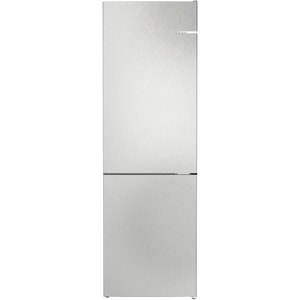
Freestanding fridge freezer • Total capacity: 321 L • Split: 60/40
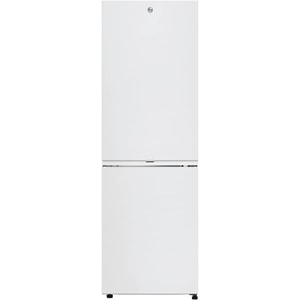
Freestanding fridge freezer • Total capacity: 355 L • Split: 60/40
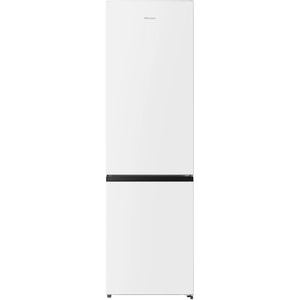
Freestanding fridge freezer • Total capacity: 336 L • Split: 60/40
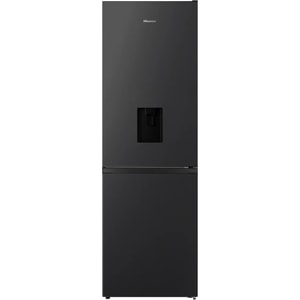
Freestanding fridge freezer • Total capacity: 304 L • Split: 60/40
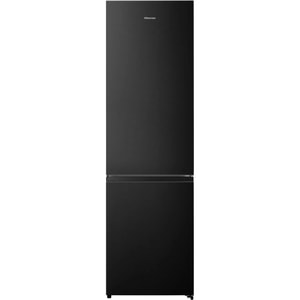
Freestanding fridge freezer • Total capacity: 336 L • Split: 60/40
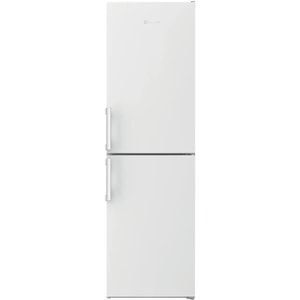
Installation Type: Freestanding • Total capacity: 270 L • Split: 60/40
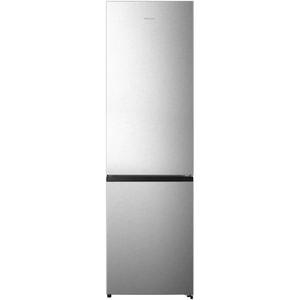
Freestanding fridge freezer • Total capacity: 336 L • Split: 60/40
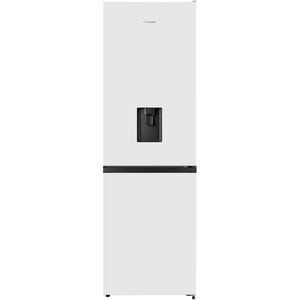
Freestanding fridge freezer • Total capacity: 304 L • Split: 60/40
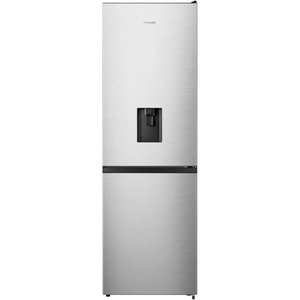
Freestanding fridge freezer • Total capacity: 304 L • Split: 60/40
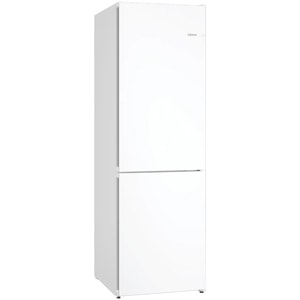
Freestanding fridge freezer • Total capacity: 321 L • Split: 60/40
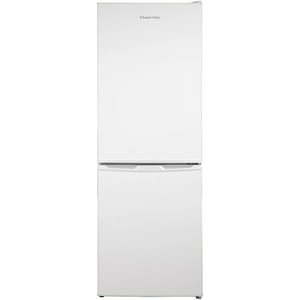
Freestanding fridge freezer • Total capacity: 174 L • Split: 60/40
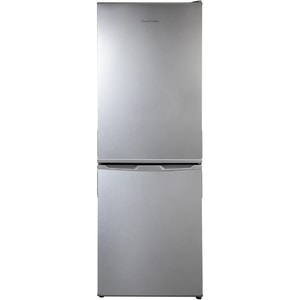
Freestanding fridge freezer • Total capacity: 174 L • Split: 60/40
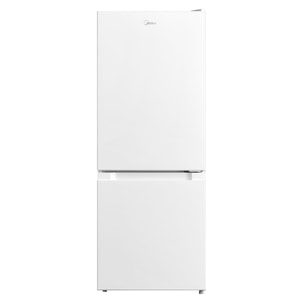
Installation Type: Freestanding • Total capacity: 133 L • Split: 60/40
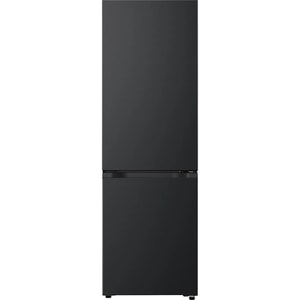
Installation Type: Freestanding • Total capacity: 333 L • Split: 60/40
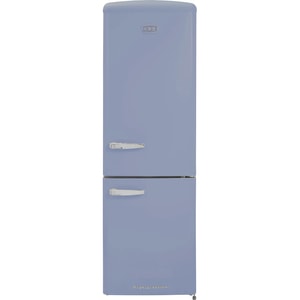
Installation Type: Freestanding • Total capacity: 330 L • Split: 60/40
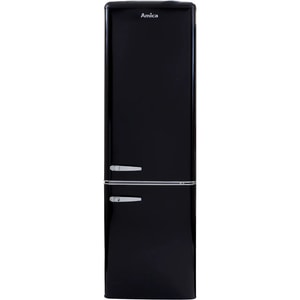
Installation Type: Freestanding • Total capacity: 244 L • Split: 60/40
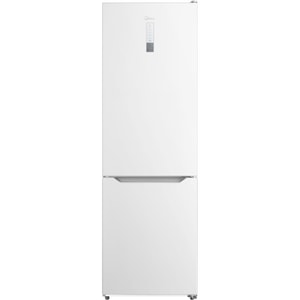
Installation Type: Freestanding • Total capacity: 310 L • Split: 60/40
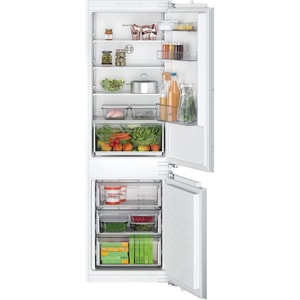
Installation Type: Built-in • Total capacity: 260 L • Split: 60/40
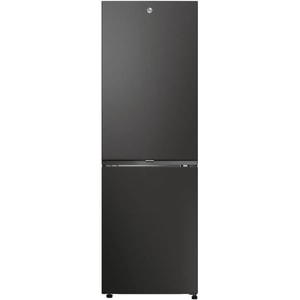
Freestanding fridge freezer • Total capacity: 355 L • Split: 60/40
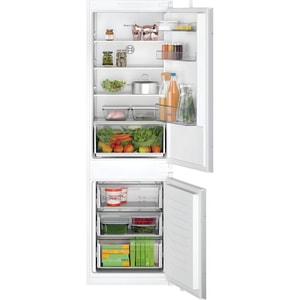
Installation Type: Built-in • Total capacity: 260 L • Split: 60/40
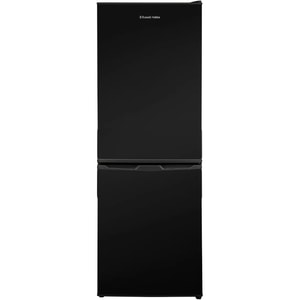
Freestanding fridge freezer • Total capacity: 174 L • Split: 60/40
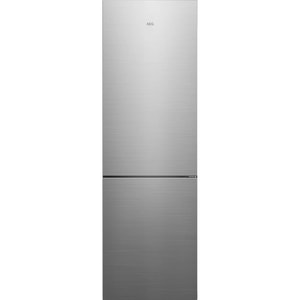
Installation Type: Freestanding • Total capacity: 328 L • Split: 60/40
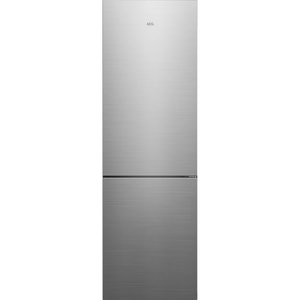
Installation Type: Freestanding • Total capacity: 328 L • Split: 60/40
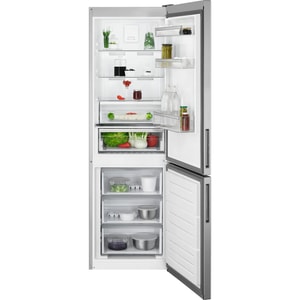
Installation Type: Freestanding • Total capacity: 331 L • Split: 60/40
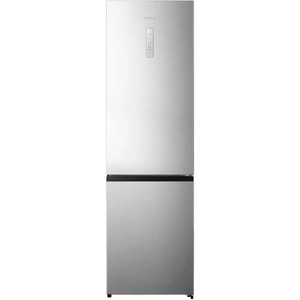
Installation Type: Freestanding • Total capacity: 336 L • Split: 60/40
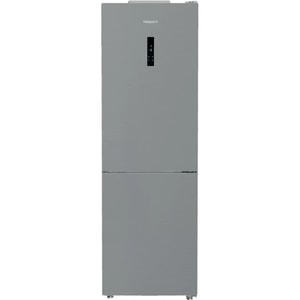
Installation Type: Freestanding • Total capacity: 316 L • Split: 60/40
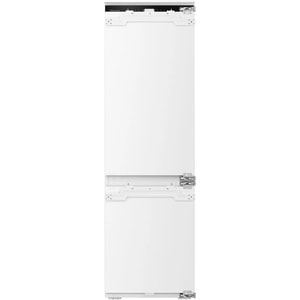
Installation Type: Built-in • Total capacity: 252 L • Split: 60/40
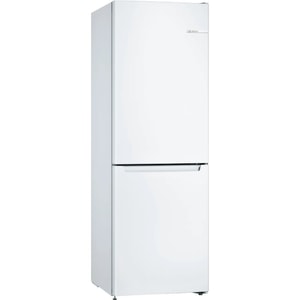
Installation Type: Freestanding • Total capacity: 282 L • Split: 60/40
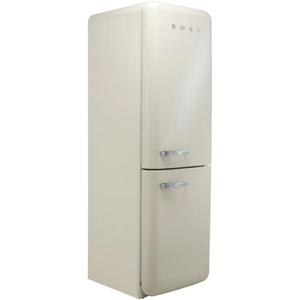
Installation Type: Freestanding • Total capacity: 331 L • Split: 60/40
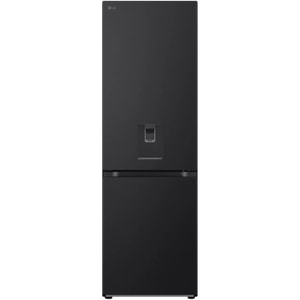
Installation Type: Freestanding • Total capacity: 343 L • Split: 60/40
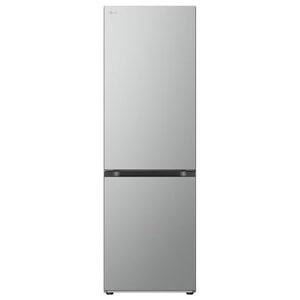
Installation Type: Freestanding • Total capacity: 344 L • Split: 60/40
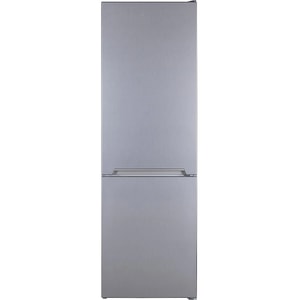
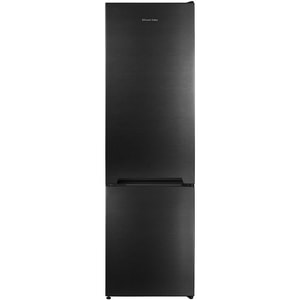
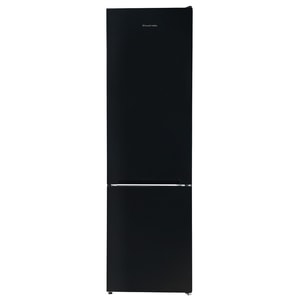
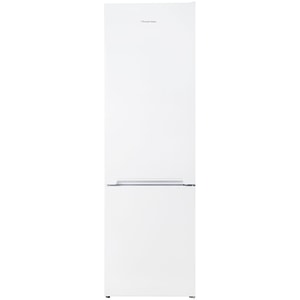
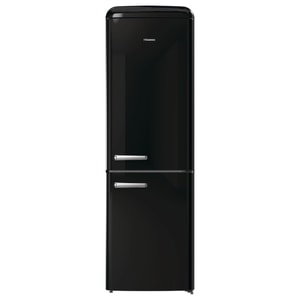
Installation Type: Freestanding • Total capacity: 300 L • Split: 60/40
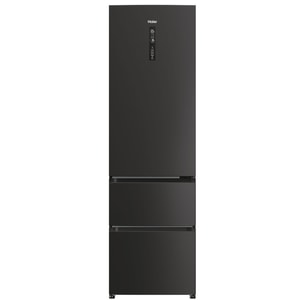
Installation Type: Freestanding • Total capacity: 348 L • Split: 60/40
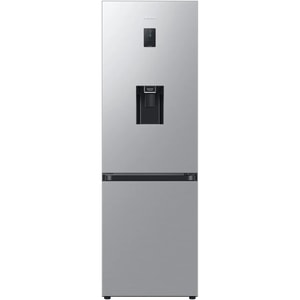
Installation Type: Freestanding • Total capacity: 341 L • Split: 60/40
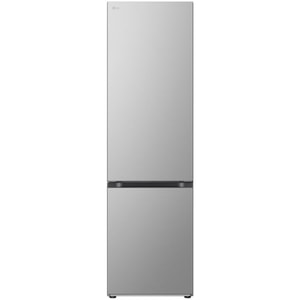
Installation Type: Freestanding • Total capacity: 344 L • Split: 60/40
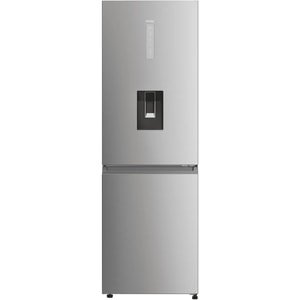
Installation Type: Freestanding • Total capacity: 349 L • Split: 60/40
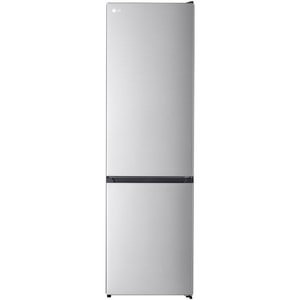
Installation Type: Freestanding • Total capacity: 304 L • Split: 60/40
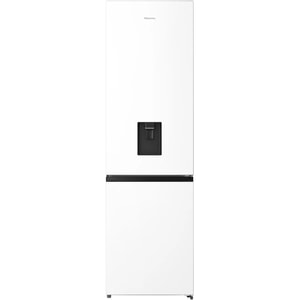
Installation Type: Freestanding • Total capacity: 336 L • Split: 60/40
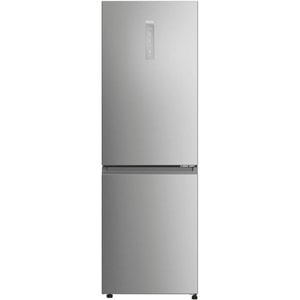
Installation Type: Freestanding • Total capacity: 341 L • Split: 60/40
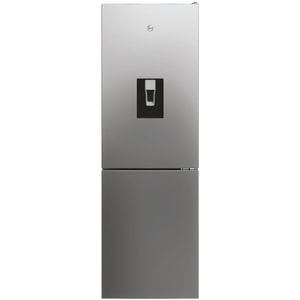
Installation Type: Freestanding • Total capacity: 339 L • Split: 60/40
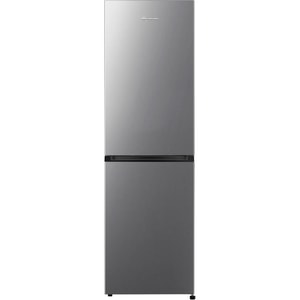
Installation Type: Freestanding • Total capacity: 256 L • Split: 60/40
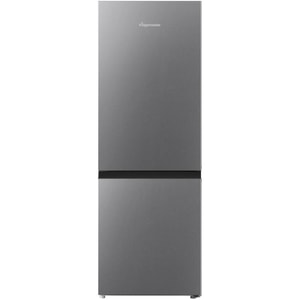
Installation Type: Freestanding • Total capacity: 175 L • Split: 60/40
Is a 60/40 split the right fit for your kitchen?
The 60/40 layout gives roughly 60 percent fridge to 40 percent freezer. If your weekly shop is heavy on fresh produce, dairy and leftovers with a modest stash of frozen pizzas and peas, this split saves you reaching past a half-full freezer to find the salad. Couples and small families tend to land here; bigger batch-cookers usually want a 50/50 or fridge-freezer-bottom American style instead. Read More...
Freestanding, built-in or tall and slim?
Most 60/40s on the market are freestanding, finished to sit between cabinets without a panel. Built-in and integrated options hide behind a cupboard door for a flush kitchen, but they're a smaller pool, so be prepared to compromise on capacity if a seamless run matters more. Tall freestanding 60/40s push useful litres up rather than out, which is the trick when your floor width is fixed.
Worth paying more for an integrated 60/40?
Yes if your kitchen is being designed around handleless cabinetry and a clean elevation matters. No if the cabinet run is already in and a freestanding model in stainless or white will tuck in neatly. Integrated stock is thinner across UK retailers, so plan ahead on lead times.
How much should you actually spend?
Entry pricing on a 60/40 starts in the low couple of hundred and climbs into four figures for retro, premium-finish or larger-capacity models. The honest middle ground for a frost free, sensible-capacity model from a known brand sits in the mid-hundreds. Pay more for No Frost, multi-zone airflow, quieter compressors and proper warranties; pay less if you accept manual defrost and a basic feature set.
Which features actually earn their keep?
Frost Free and No Frost variants remove the worst chore in fridge ownership and stop ice eating into your freezer space. Humidity-controlled crisper drawers genuinely extend the life of leafy veg. Fast cool and fast freeze settings matter more than they sound when you're loading a hot weekly shop. Variable-speed compressors are quieter and steadier on the bill than older single-speed units.
Will it actually fit, and where will the door open?
Measure the alcove width, height and depth, then add ventilation gaps the manual specifies, otherwise the compressor works harder and runs louder. Check left or right hinge, whether reversibility is supported, and that the door swings clear of adjacent walls or handles. The best appliance for the spec sheet is useless if the crisper drawer can't pull all the way out.
How long should a 60/40 fridge freezer last?
Treat a fridge freezer as a 10 to 15 year purchase and the maths on features changes. Spending more on a variable-speed compressor, a stronger warranty and a known-quantity brand pays back over the lifetime of the appliance, because the running cost and the repair-or-replace decision both arrive years later. The cheapest option on day one is rarely the cheapest by year five.
Frequently Asked Questions
It depends on how you eat. A 60/40 wins if fresh food drives your weekly shop, because you get more usable shelf and drawer space at eye level. A 50/50 makes more sense if you batch cook, freeze in bulk or buy frozen heavily. Neither is universally better; match the split to your routine.
No. Most modern 60/40s are frost free or No Frost in the freezer compartment, but some budget and compact models still use manual defrost. Check the specification line; phrases like Frost Free, No Frost or Total No Frost confirm you won't be chipping ice out twice a year.
A small household typically does well around 250 to 300 litres total. Couples and average families are comfortable in the 300 to 360 litre band. Anything above that starts encroaching on American-style territory and assumes you genuinely fill it; empty volume costs more to cool.
Yes, though the integrated pool is narrower than freestanding. Look for built-in and fully integrated specifications, sliding hinge fittings rather than fixed panels, and dimensions that match standard UK tall housing units (typically around 1770mm).
Freestanding sits in a gap with finished sides and a visible door. Built-in slots into a housing unit with ventilation routed through a plinth and a cabinet door fixed to the appliance. Built-in costs more, looks cleaner, and limits you to a tighter dimensional spec.
If the kitchen is the room you cook and live in, the styling premium is genuinely earned by daily enjoyment. If it's a utility space, you're paying for a curve and a colour you'll rarely see. Specs usually trail equivalent-priced modern units, so go in eyes open.
Stainless steel and stainless steel effect hide everyday marks well but pick up fingerprints near handles. Matte black is forgiving on dust but shows water spots. White is the easiest to keep looking new and the cheapest to replace if styles move on. Gloss finishes of any colour need wiping down most often.
Around 35 dB is genuinely quiet, comparable to a soft library hum and unobtrusive in an open-plan room. 38 to 42 dB is fine in a closed kitchen but you'll notice it from a sofa. Variable-speed compressors run quieter on average than the headline number suggests.