
Black Fridge Freezers
Black fridge freezers earn their keep when the kitchen is built around dark cabinets, stainless hobs or a moodier scheme. Most options are freestanding, with 50/50, 60/40 and 70/30 splits, plus no frost and frost free cooling. Matte black, gloss and one retro silhouette are all in the mix.
- Relevance
- Price: Low - High
- Price: High - Low
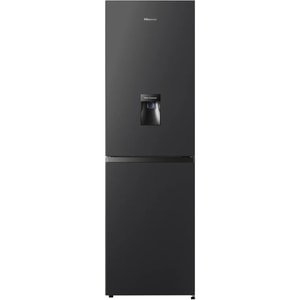
Freestanding fridge freezer • Total capacity: 256 L • Split: 50/50
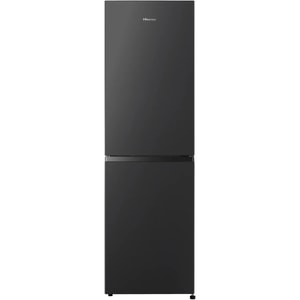
Freestanding fridge freezer • Total capacity: 256 L • Split: 50/50
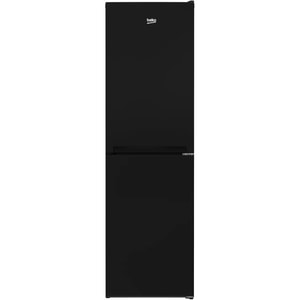
Freestanding fridge freezer • Total capacity: 270 L • Split: 50/50
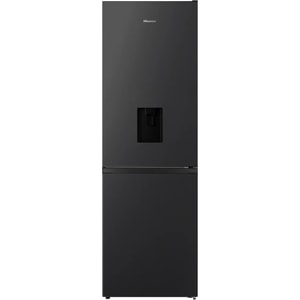
Freestanding fridge freezer • Total capacity: 304 L • Split: 60/40
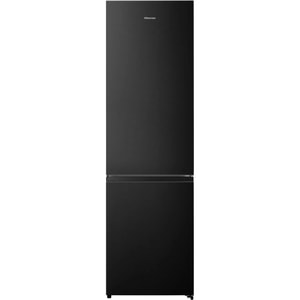
Freestanding fridge freezer • Total capacity: 336 L • Split: 60/40
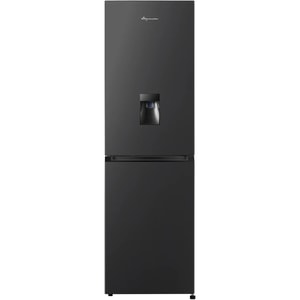
Freestanding fridge freezer • Total capacity: 256 L • Split: 50/50
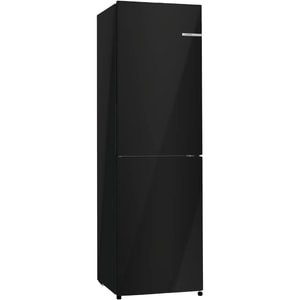
Freestanding fridge freezer • Total capacity: 255 L • Split: 50/50
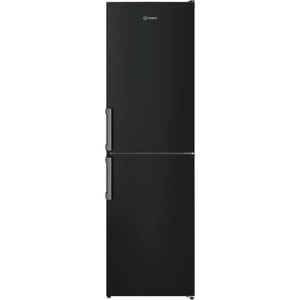
Freestanding fridge freezer • Total capacity: 287 L • Split: 50/50
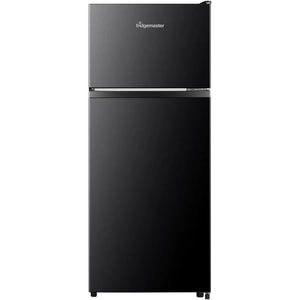
Freestanding fridge freezer • Total capacity: 124 L • Split: 80/20
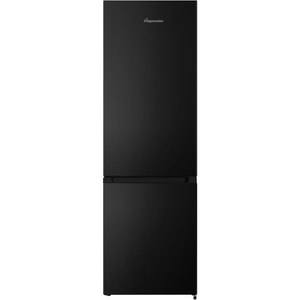
Freestanding fridge freezer • Total capacity: 269 L • Split: 70/30
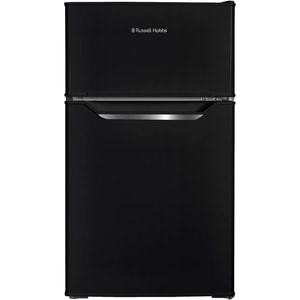
Freestanding fridge freezer • Total capacity: 85 L • Split: 70/30
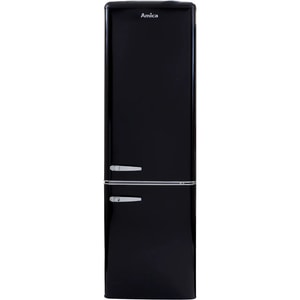
Installation Type: Freestanding • Total capacity: 244 L • Split: 60/40
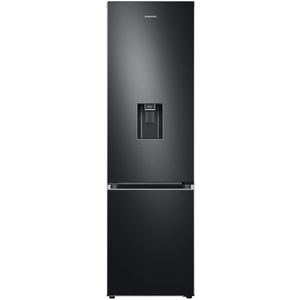
Installation Type: Freestanding • Total capacity: 386 L • Split: 70/30
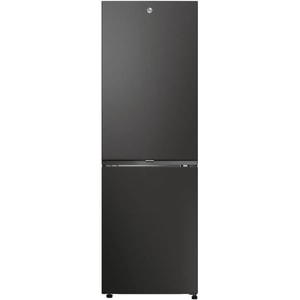
Freestanding fridge freezer • Total capacity: 355 L • Split: 60/40
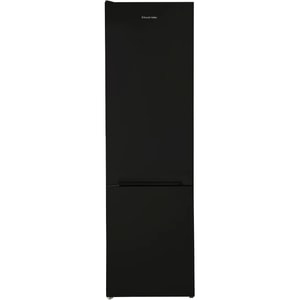
Freestanding fridge freezer • Total capacity: 288 L • Split: 70/30
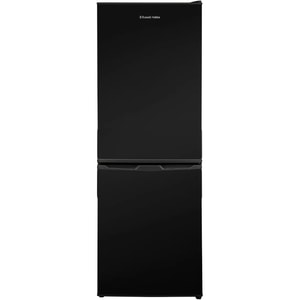
Freestanding fridge freezer • Total capacity: 174 L • Split: 60/40
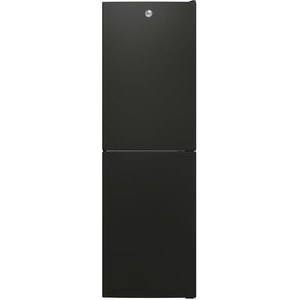
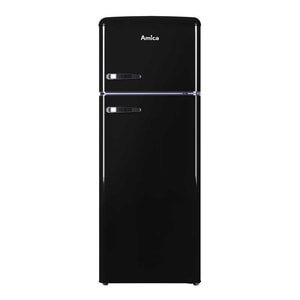
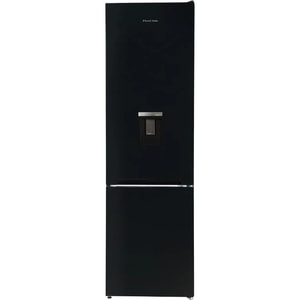
Freestanding fridge freezer • Total capacity: 279 L • Split: 70/30
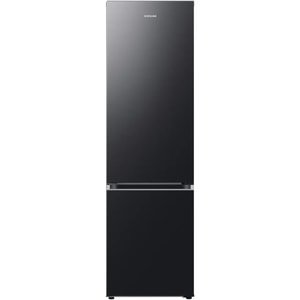
Installation Type: Freestanding • Total capacity: 387 L • Split: 70/30
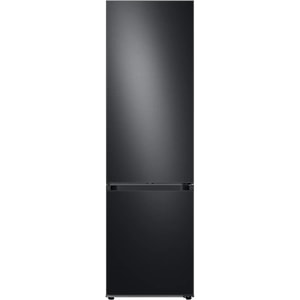
Installation Type: Freestanding • Total capacity: 387 L • Split: 70/30
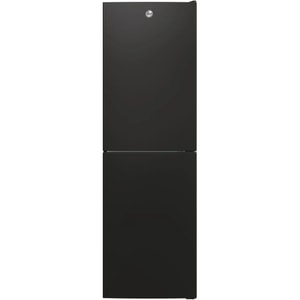
Installation Type: Freestanding • Total capacity: 252 L • Split: 50/50
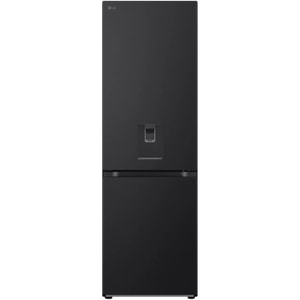
Installation Type: Freestanding • Total capacity: 343 L • Split: 60/40
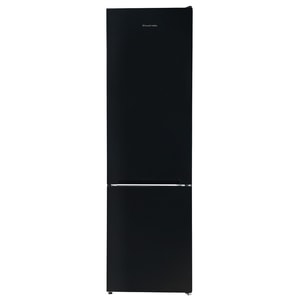
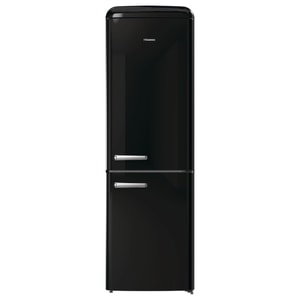
Installation Type: Freestanding • Total capacity: 300 L • Split: 60/40
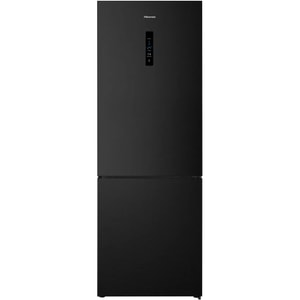
Installation Type: Freestanding • Total capacity: 495 L • Split: 70/30
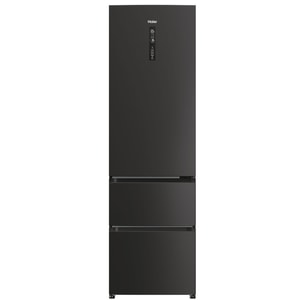
Installation Type: Freestanding • Total capacity: 348 L • Split: 60/40
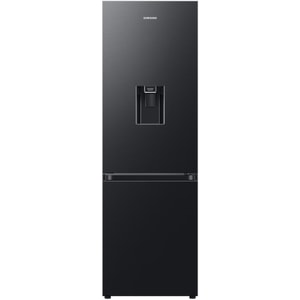
Installation Type: Freestanding • Total capacity: 341 L • Split: 70/30
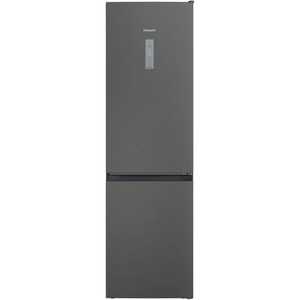
Freestanding fridge freezer • Total capacity: 367 L • Split: 70/30
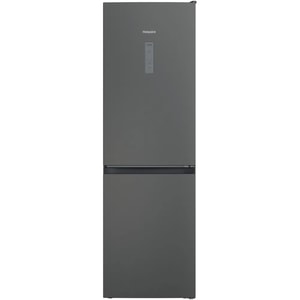
Freestanding fridge freezer • Total capacity: 335 L • Split: 60/40
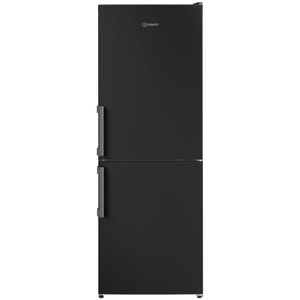
Freestanding fridge freezer • Total capacity: 229 L • Split: 50/50
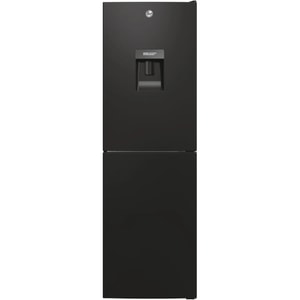
Freestanding fridge freezer • Total capacity: 246 L • Split: 50/50
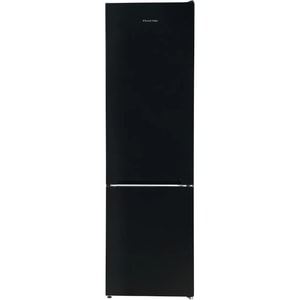
Freestanding fridge freezer • Total capacity: 279 L • Split: 70/30
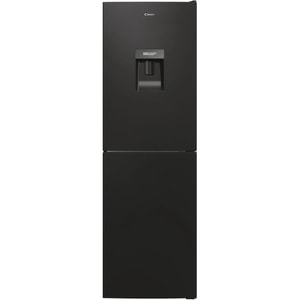
Freestanding fridge freezer • Total capacity: 252 L • Split: 50/50
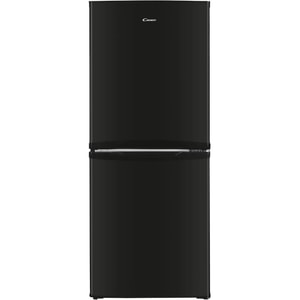
Freestanding fridge freezer • Total capacity: 185 L • Split: 50/50
Which split suits how you actually shop?
The split between fridge and freezer is the decision that shapes weekly life more than badge or finish. A 70/30 layout puts fresh food first, useful if you cook from scratch, batch salads or run a household that gets through milk and produce fast. A 60/40 split is the all-rounder when freezer use is regular but not heavy. A 50/50 suits homes that batch-cook, freeze leftovers in volume or rely on frozen veg and ready meals. Eight-twenty splits exist for kitchens where freezer space is the priority and fresh storage is minimal. Read More...
How much black fridge freezer should you actually buy?
Capacity decides whether the door shuts on a Sunday shop or whether you're rearranging shelves on a Wednesday. Couples and one-person households often land between roughly 250 and 300 litres total. A family of four typically wants 300 litres and up, with usable freezer space close to 100 litres so trays and pizza boxes fit flat.
Worth paying for the larger 495-litre tier?
Larger units pay off if you bulk-buy, host often or want full-width shelves for trays. They take more floor space and use slightly more energy, so only size up if the headroom is genuinely useful, not just reassuring.
Will it actually fit the space you've measured?
Black freestanding units typically run 54 to 60 cm wide, around 60 to 65 cm deep, and 145 to 200 cm tall depending on whether you want compact or full-height. Measure the recess at its narrowest point, allow ventilation clearance at the back and top, and confirm the door can swing fully without catching a wall or worktop overhang. If the unit needs to come up a flight of stairs, check the carton dimensions, not just the appliance.
Slimline, undercounter or full height?
Slimline at roughly 54 to 55 cm wide is the answer for galley kitchens and flat extensions. Undercounter combis tuck under a 90 cm worktop and are best treated as a second fridge freezer, not a primary one for a family. Full-height freestanding is the default for most UK kitchens.
Matte, gloss or retro, and which holds up?
Finish is mostly a styling call, but it changes the maintenance you'll do. Matte black hides fingerprints and softens the visual weight of a tall appliance, which helps in smaller rooms. Gloss and brushed black look sharper next to dark cabinetry but show smudges quicker. A retro silhouette with rounded shoulders and chrome detailing reads as a feature piece rather than a built-in, so plan it as the kitchen's focal point.
frost free, no frost, or do you not mind defrosting?
Frost free and no frost models circulate cold air to stop ice forming, so you don't lose a Saturday morning to defrosting. Manual or low frost units are usually cheaper to buy and a touch quieter, with the trade-off that frozen food can frost over and you'll defrost once or twice a year. If you're filling the freezer week to week, frost free pays back fast.
How quiet is quiet enough?
Noise ratings in this category sit roughly between 34 and 41 dB. Anything at or below 38 dB is genuinely quiet in an open-plan kitchen-diner. Above 40 dB the compressor cycle becomes noticeable when the room is otherwise still.
Which brands are worth knowing?
Hisense, Samsung and LG cover the modern matte and gloss looks, with strong cooling tech at the upper end. Hotpoint, Beko, Bosch and Indesit are the dependable mid-market choice. Hoover, Candy, Russell Hobbs and Fridgemaster sit at the value end and are worth a look if budget is tight or it's a rental kitchen. Haier offers a retro option for kitchens that want a statement curve.
How energy efficient are modern black fridge freezers?
Energy use is the running cost you'll feel for the next decade, so it deserves more attention than the sticker price. The current A to G label was rebalanced in 2021, which means a B or C today is genuinely efficient and an A is exceptional, not the bare minimum it used to be. Larger capacities and water or ice dispensers nudge consumption up, while LED interior lighting, inverter compressors and dual cooling systems pull it back down. If you're choosing between two similar models, the kWh per year figure on the label is a more reliable guide than the headline rating letter, because it accounts for the unit's actual size and features.
Frequently Asked Questions
Less than gloss. Matte and brushed finishes diffuse light and forgive everyday smudges, especially around the handle area. A microfibre cloth and warm soapy water is enough; avoid abrasive cleaners that dull the coating.
It can be, if the rest of the room is light. A tall black unit anchors a pale scheme rather than crowding it. In a fully dark kitchen the appliance disappears, which is fine if you want a streamlined wall but less interesting if you wanted it as a feature.
Pick by how you eat. Heavy freezer users (batch cooks, frozen veg, ice cream households) get more from a 50/50. Mixed households suit 60/40. Fresh-first cooks who shop little and often want a 70/30 so the fridge holds a full week's produce.
Usually yes. Skipping the annual defrost is a real time saving, and food keeps better when temperatures don't fluctuate. Manual defrost still has a place if budget is the priority or the unit is a back-up freezer in a garage.
Yes, though they're more common on American-style side-by-side units than on tall freestanding 50/50 or 70/30 layouts. Plumbed dispensers need a cold-water feed nearby; non-plumbed tank versions trade convenience for refill effort but sit anywhere with a power socket.
Only undercounter sizes do. A standard UK worktop sits at about 90 cm, and full-height fridge freezers run well past that. If the unit needs to slide under a counter, look specifically at undercounter combis around 85 cm tall.
A little, particularly on top of the cabinet and along the door seal. It's a five-second wipe and not a reason to avoid the colour. Matte finishes show dust less than gloss.
Most freestanding models have reversible doors, which means the hinges can be swapped from right to left so the door opens away from a wall, worktop or walkway. Check the spec sheet for "reversible door" before buying, particularly if the unit is going into a corner or beside a tall larder cupboard. Reversing the hinges is usually a 20-minute job for an installer, and some retailers will do it as part of delivery if you ask in advance.