
Laundry Appliances
Compare Laundry appliances in one place to find cheap deals without the hassle.
Browse Washing machines, Tumble dryers and Washer dryers, then sort by price to spot the cheapest options and pay less.
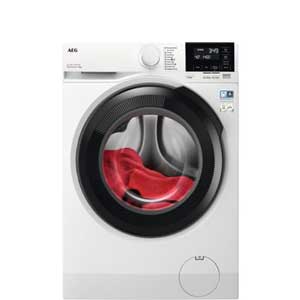
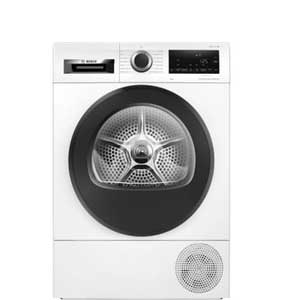
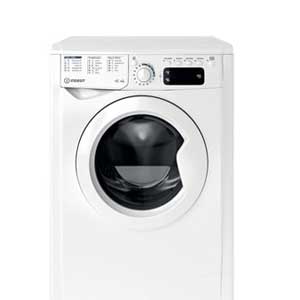
Plan your laundry setup around space, routine and running costs
Laundry appliances are easiest to shop for when you start with how your home works: where the machine will sit, how often you wash, and whether you usually air-dry or rely on a dryer. This page brings together the key decisions across washing machines, tumble dryers and washer dryers, so you can choose a setup that feels practical now and still makes sense in winter, busy weeks, and larger loads. Read More...
Decide whether you need two appliances or one footprint
Most households land in one of three patterns:
1) Washing machine plus air-drying: ideal if you have indoor or outdoor drying space and you want maximum choice on wash size and programmes.
2) Washing machine plus tumble dryer: best if you dry frequently and want predictable results, because each appliance is optimised for its job.
3) Washer dryer (a washing machine with dryer): a space-saving route when you only have room for one machine. It can be a smart compromise, but it helps to plan around the lower drying capacity.
Check installation early: freestanding and integrated are not interchangeable
Installation is a hard constraint, so it should be your first filter.
- Freestanding models suit most kitchens and utility rooms and are usually simpler to install and service.
- Integrated models (often called built-in) sit behind a cabinet door for a seamless look, but they depend on accurate cabinet measurements, door hinge compatibility, and enough depth for hoses and a plug.
Before you commit, measure height, width and depth, then add clearance for doors, skirting boards and pipework. For integrated models, also confirm that the cabinet run allows access for maintenance.
Choose capacity based on your weekly basket, not a marketing number
Capacity matters because it affects how many cycles you run and how well bulky items rinse and spin.
- 7 kg can suit smaller households and lighter weekly loads.
- 8 kg to 9 kg is a common sweet spot for mixed loads, towels and the odd bedding cycle.
- 10 kg and above suits larger households, sports kit, and frequent bedding loads.
For dryers, capacity is also about airflow. Bedding and towels usually dry more evenly when the drum is not packed tight.
For washer dryers, remember you are choosing two capacities: wash capacity and drying capacity.
Understand dryer types: what is cheaper to run and what tends to finish faster
If you are shopping for tumble dryers, the dryer type drives both running cost and cycle time.
- Heat pump dryers are typically the cheapest to run and often gentler on fabrics, but programmes can take longer.
- Condenser dryers collect moisture as water in a tank or via a drain hose and usually offer flexible placement.
- Vented dryers expel moist air through a hose to outside and are often cheaper upfront, but placement depends on a vent route and running costs are commonly higher than heat pump models.
If you want the best value, decide whether you are optimising for lower running costs, faster turnaround, or the cheapest upfront price.
Energy labels: use the right figures for how you actually do laundry
Energy labels are most useful when you compare similar appliances in similar sizes.
- With washing machines, compare within a similar capacity range.
- With tumble dryers, compare models within the same dryer type.
- With washer dryers, focus on the figures that match your routine because labels split wash-only and wash-and-dry performance.
If you rarely dry clothes, a cheaper model can be sensible. If you dry most loads, efficiency differences can add up over time.
Features worth paying attention to because they save time or re-washing
A short list of features usually delivers most of the benefit:
- Quick wash cycles for lightly soiled items and busy weeks.
- Load sensing to adjust water and time for smaller loads.
- Higher spin options to remove more water before drying.
- Sensor drying to reduce over-drying and wasted electricity.
- Anti-crease functions if you cannot unload immediately.
- Child lock if you have young children at home.
You will also see named features in product titles, such as AI, steam care and auto dosing. Use these as prompts to check the specification list, because the same idea is often branded differently across ranges.
A few buying checks that prevent expensive mistakes
- Confirm whether you need freestanding or integrated before you get attached to a model.
- Think about your largest regular load, not the average load, when choosing capacity.
- If you plan to dry frequently, choose tumble dryer type first, then compare models.
- If you choose a washer dryer, plan for smaller drying loads and realistic programme times.
- If noise matters, check the spin noise figure for washing machines and consider when you will run cycles.