
Heat Pump Tumble Dryers
Heat pump tumble dryers run cooler than vented or standard condenser models, which is gentler on fabrics and lighter on the meter. Choose by drum capacity, energy class, noise level and whether you want freestanding or integrated, then match the programme set to the laundry you actually do.
- Relevance
- Price: Low - High
- Price: High - Low
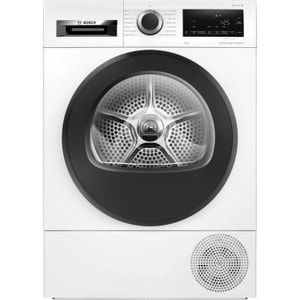
Heat Pump • Drying Capacity: 9 kg • Energy rating: A++
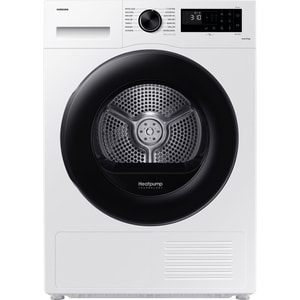
Heat Pump • Drying Capacity: 8 kg • Energy rating: A++
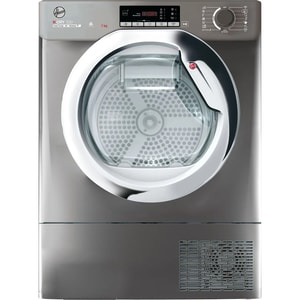
Heat Pump • Drying Capacity: 7 kg • Energy rating: A+
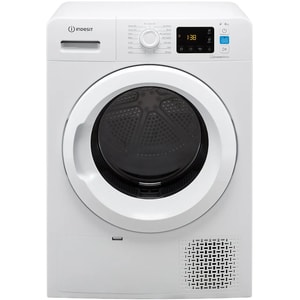
Heat Pump • Drying Capacity: 8 kg • Energy rating: A++
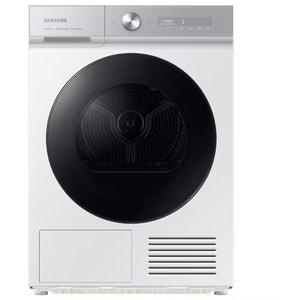
Heat Pump • Drying Capacity: 9 kg • Energy rating: A+++
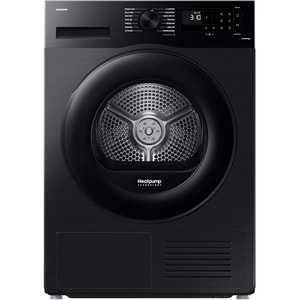
Heat Pump • Drying Capacity: 8 kg • Energy rating: A++
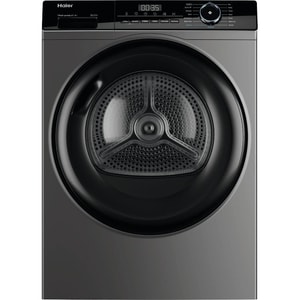
Heat Pump • Drying Capacity: 10 kg • Energy rating: A++
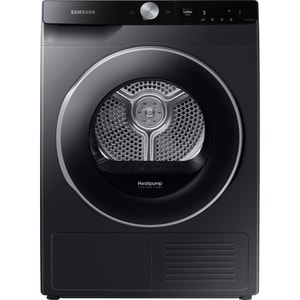
Heat Pump • Drying Capacity: 9 kg • Energy rating: A+++
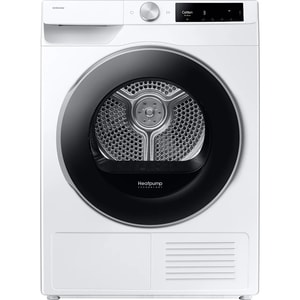
Heat Pump • Drying Capacity: 9 kg • Energy rating: A+++
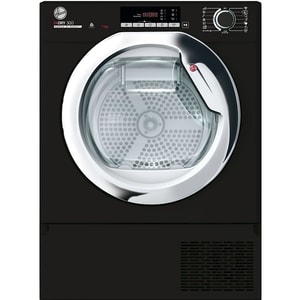
Heat Pump • Drying Capacity: 7 kg • Energy rating: A+
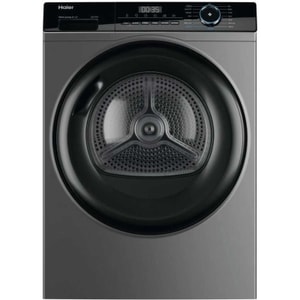
Heat Pump • Drying Capacity: 9 kg • Energy rating: A++
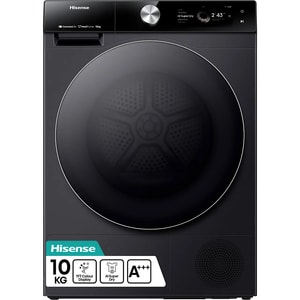
Type: Heat Pump • Drying Capacity: 10 kg • Energy Efficiency Class: A+++
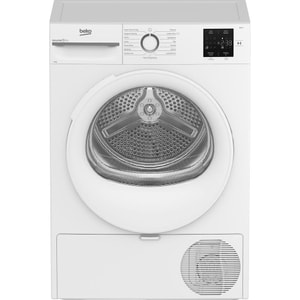
Type: Heat Pump • Drying Capacity: 8 kg • Energy Efficiency Class: A+
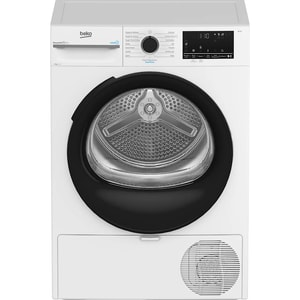
Type: Heat Pump • Drying Capacity: 8 kg • Energy Efficiency Class: A++
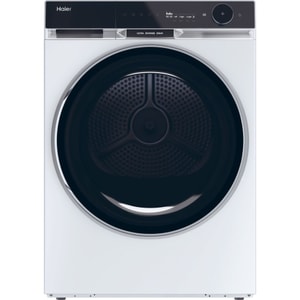
Type: Heat pump • Drying Capacity: 9 kg • Energy Efficiency Class: A+++
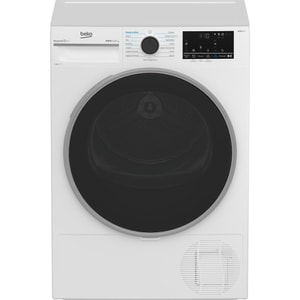
Type: Heat Pump • Drying Capacity: 8 kg • Energy Efficiency Class: A++
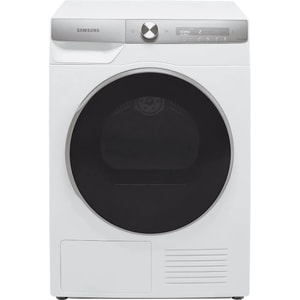
Type: Heat Pump • Drying Capacity: 9 kg • Energy Efficiency Class: A+++
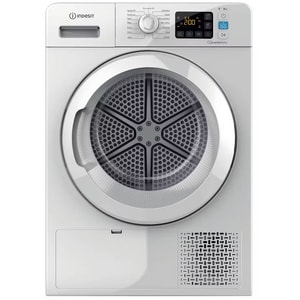
Type: Heat Pump • Drying Capacity: 8 kg • Energy Efficiency Class: A+++
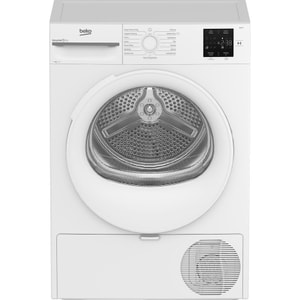
Type: Heat Pump • Drying Capacity: 7 kg • Energy Efficiency Class: A+
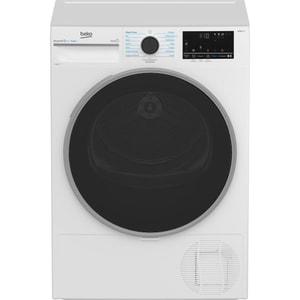
Type: Heat Pump • Drying Capacity: 8 kg • Energy Efficiency Class: A++
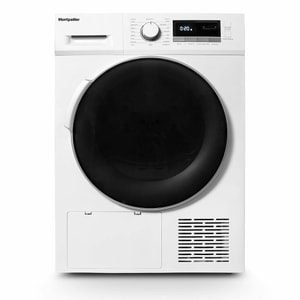
Type: Heat Pump • Drying Capacity: 8 kg • Energy Efficiency Class: A++
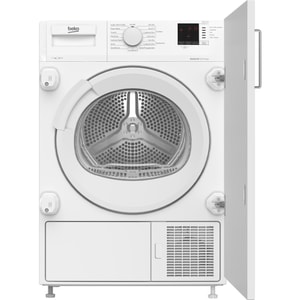
Type: Heat Pump • Drying Capacity: 8 kg • Energy Efficiency Class: A++
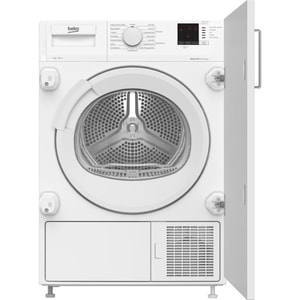
Type: Heat Pump • Drying Capacity: 7 kg • Energy Efficiency Class: A++
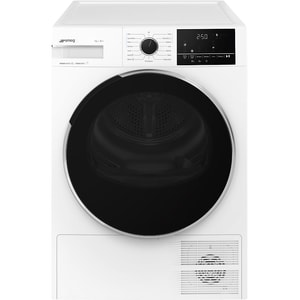
Type: Heat Pump • Drying Capacity: 9 kg • Energy Efficiency Class: A++
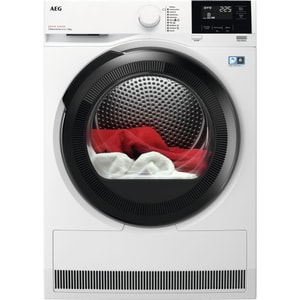
Type: Heat Pump • Drying Capacity: 8 kg • Energy Efficiency Class: A++
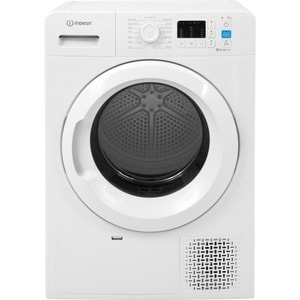
Type: Heat Pump • Drying Capacity: 7 kg • Energy Efficiency Class: A+
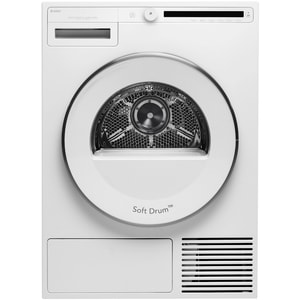
Type: Heat Pump • Drying Capacity: 8 kg • Energy Efficiency Class: A++
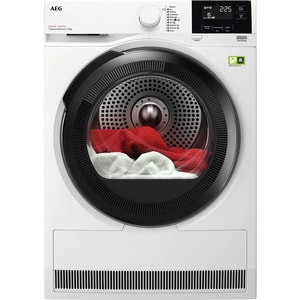
Type: Heat Pump • Drying Capacity: 9 kg • Energy Efficiency Class: A+++
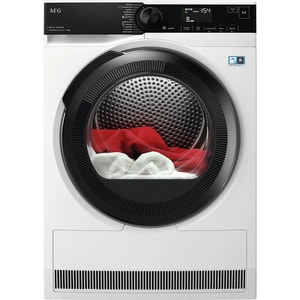
Type: Heat Pump • Drying Capacity: 9 kg • Energy Efficiency Class: A++
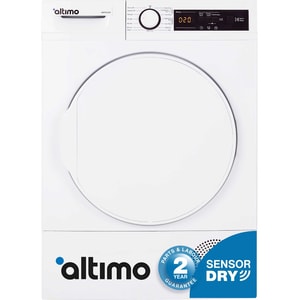
Type: Heat Pump • Drying Capacity: 9 kg • Energy Efficiency Class: A++
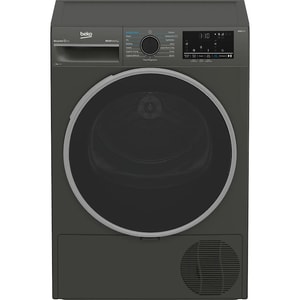
Type: Heat Pump • Drying Capacity: 9 kg • Energy Efficiency Class: A++
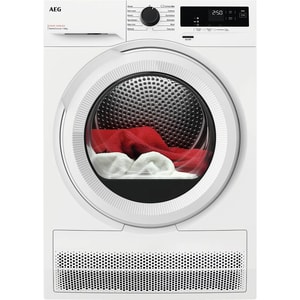
Type: Heat Pump • Drying Capacity: 8 kg • Energy Efficiency Class: A++
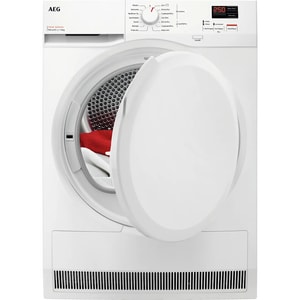
Type: Heat Pump • Drying Capacity: 8 kg • Energy Efficiency Class: A++
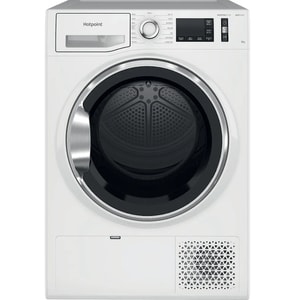
Type: Heat Pump • Drying Capacity: 8 kg • Energy Efficiency Class: A++
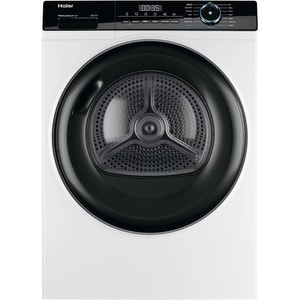
Type: Heat Pump • Drying Capacity: 8 kg • Energy Efficiency Class: A++
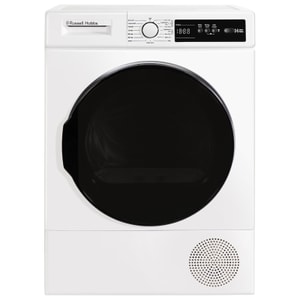
Type: Heat Pump • Drying Capacity: 9 kg • Energy Efficiency Class: A
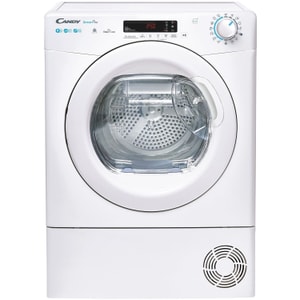
Type: Heat Pump • Drying Capacity: 9 kg • Energy Efficiency Class: A++
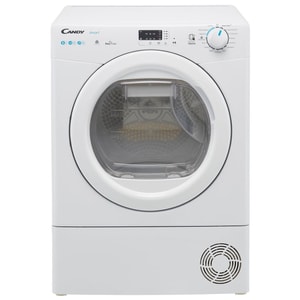
Type: Heat Pump • Drying Capacity: 8 kg • Energy Efficiency Class: A++
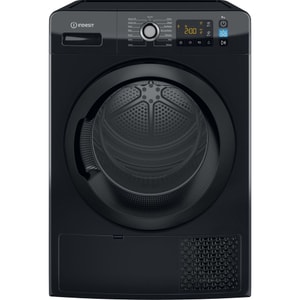
Heat Pump • Drying Capacity: 9 kg • Energy rating: A++
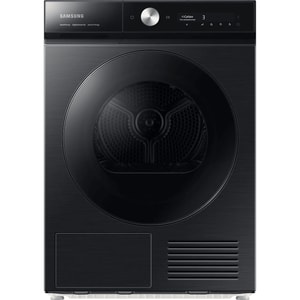
Heat Pump • Drying Capacity: 9 kg • Energy rating: A+++
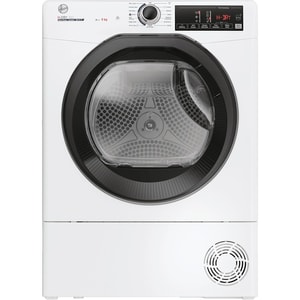
Type: Heat Pump • Drying Capacity: 9 kg • Energy Efficiency Class: A+++
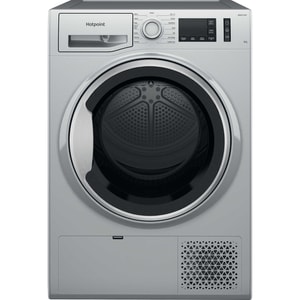
Heat Pump • Drying Capacity: 8 kg • Energy rating: A++
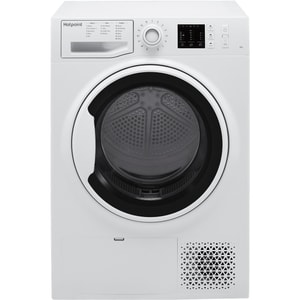
Type: Heat Pump • Drying Capacity: 8 kg • Energy Efficiency Class: A+
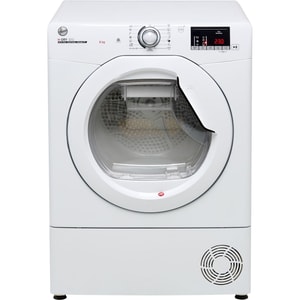
Type: Heat Pump • Drying Capacity: 8 kg • Energy Efficiency Class: A++
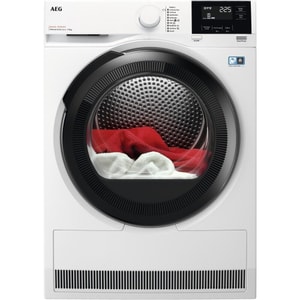
Type: Heat Pump • Drying Capacity: 9 kg • Energy Efficiency Class: A++
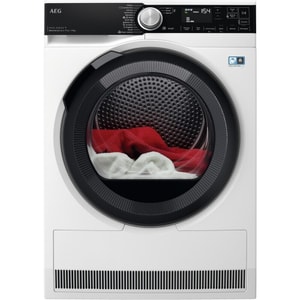
Type: Heat Pump • Drying Capacity: 9 kg • Energy Efficiency Class: A+++
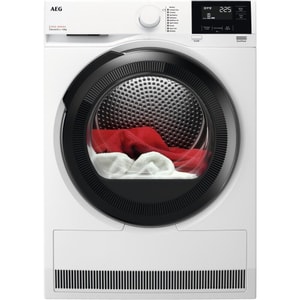
Type: Heat Pump • Drying Capacity: 8 kg • Energy Efficiency Class: A++
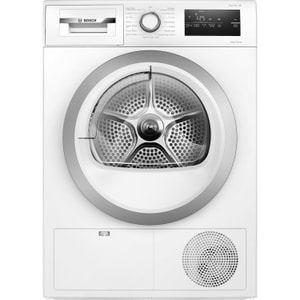
Type: Heat Pump • Drying Capacity: 8 kg • Energy Efficiency Class: A++
How a heat pump dryer actually works
A heat pump tumble dryer recycles warm air through a closed loop instead of venting it outside. That lower drying temperature is the reason these machines protect elastics, sportswear and wool blends better than a hot vented or standard condenser dryer, and it's why running costs come out lower over the life of the appliance. Read More...
The trade-off is time. Cycles run longer than a vented model, so they suit households that batch laundry rather than rush single loads. If you spin at 1400 to 1600 rpm in the wash, you'll claw most of that time back.
What capacity should you actually buy?
Drum capacity drives almost every other decision. A 7 kg or 8 kg drum suits one to three people and a fortnightly bedding wash. A 9 kg heat pump tumble dryer handles a family load with a duvet cover thrown in. A 10 kg drum earns its space if you regularly dry king-size bedding, towels for a busy household, or sports kit for a team.
Don't size up "just in case." A drum that's chronically half full wastes energy on every cycle, and the sensor has less moisture to read accurately.
Freestanding or integrated?
Freestanding is the bigger pool by a wide margin and gives you the full run of brands, finishes and capacities. An integrated heat pump tumble dryer slots behind a kitchen door for a flush, seamless look, but the choice is narrower and you'll need to confirm the recess width, height, hinge side and the ventilation path before you commit.
Energy class, noise and the running-cost question
A+++ is the rating to look for if monthly running costs matter most, with A++ as the realistic mainstream tier. Pair the rating with the cycle length and the typical load you'll run, because a high rating on a machine that's always over-stuffed won't deliver the savings on the label.
Noise sits between roughly 61 and 67 dB(A) across heat pump models. If the dryer lives in an open-plan kitchen or shares a wall with a bedroom, push for the lower end of that range.
Heat pump vs condenser vs vented
A condenser dryer collects moisture in a tank without needing a wall vent, like a heat pump model, but runs hotter and uses more energy per cycle. A vented dryer pushes warm, damp air outside through a hose, which means quicker cycles but a permanent install decision and a hole through the wall.
Pick heat pump for lower bills and gentler drying, condenser if upfront price matters more than running cost and you don't have an external wall, and vented only if speed beats every other factor and the install is straightforward.
Features that earn their keep
Sensor drying is non-negotiable: moisture probes stop the cycle at iron dry, cupboard dry or extra dry, so nothing over-bakes. Reverse tumble alternates drum direction and stops sheets and trouser legs knotting. An auto-clean condenser keeps airflow efficient without you fishing the heat exchanger out yourself. Wi-Fi and app control matter most when the dryer lives in a garage or utility and you want an end-of-cycle alert from the sofa.
Specialist programmes (allergen, wool, delicates, sportswear) are useful if you actually own those fabrics. Skip the ones you'll never touch.
Frequently Asked Questions
Heat pump models are designed for normal indoor room temperatures, typically 5°C to 35°C. In an unheated garage during winter, performance drops and very cold conditions can stop the cycle altogether. If the only spot is a garage, check the manufacturer's minimum ambient temperature and consider a frost-protected utility room instead.
Lower drying temperatures need more time to pull moisture out of fabrics. A typical cottons cycle can run two to three hours against an hour or so for a vented machine. The pay-off is gentler treatment of clothes and noticeably less energy per kilo of laundry, which is why heat pump models dominate the higher energy classes.
If you want a flush, fitted-kitchen look and you're prepared to measure the recess, the hinge clearance and the ventilation gap carefully, yes. If you can put a freestanding model in a utility, you'll have more brands, more capacities and more colour choices to work with, often at a lower price for the same drying performance.
Most heat pump tumble dryers ship with a drain hose or a port for one. Connect it to a sink standpipe or washing-machine waste, keep the run free of kinks, and the condensate drains away on its own. It's the easiest quality-of-life upgrade if the dryer sits next to a washer with available waste.
A 9 kg drum is the safe middle ground: it handles a typical mixed wash plus duvet covers without cramming. Step up to 10 kg if you regularly dry king-size bedding, heavy towels or sports kit alongside everyday loads. A 7 kg or 8 kg drum will cope, but you'll run more cycles per week and pay for it in time.
Generally yes. Lower drying temperatures and sensor-controlled stop points reduce the heat shock that causes shrinkage in wool and damages elastics in sportswear. Use the dedicated wool or delicates programme, follow the care label, and pull synthetics out a touch early if you want to be extra cautious.
Most sit between 61 and 67 dB(A) on the energy label, which is similar to a quiet conversation up to a busy office. The compressor is the noisiest component and runs in cycles, so the noise isn't constant. If the dryer lives near a living space or bedroom, aim for the lower end of that band.
Yes, almost always. Sensor drying measures moisture in the drum and stops at iron dry, cupboard dry or extra dry, so you avoid over-drying that wastes energy and hardens fibres. Time dry has its place for tiny top-up loads, but for everything else, sensor is the setting that protects clothes and bills.