
Black Tumble Dryers
A black tumble dryer keeps the utility room looking pulled-together while doing the unglamorous job of getting laundry dry on schedule. Heat pump models lean on efficiency, condensers keep installation simple, and capacities from 7kg to 10kg cover everything from a flat to a busy family wash.
- Relevance
- Price: Low - High
- Price: High - Low
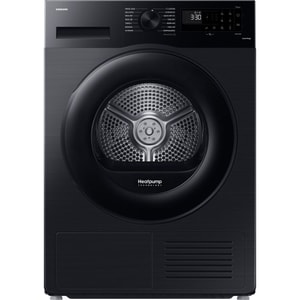
Heat Pump • Drying Capacity: 9 kg • Energy rating: A++
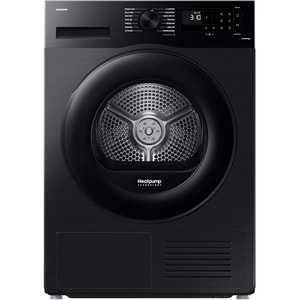
Heat Pump • Drying Capacity: 8 kg • Energy rating: A++
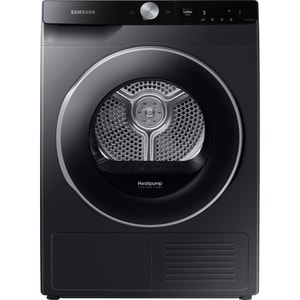
Heat Pump • Drying Capacity: 9 kg • Energy rating: A+++
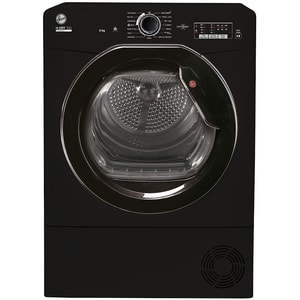
Condenser • Drying Capacity: 8 kg • Energy rating: B
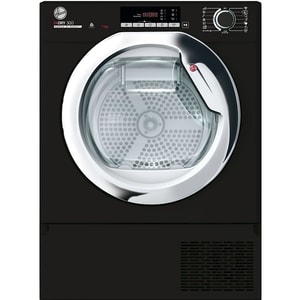
Heat Pump • Drying Capacity: 7 kg • Energy rating: A+
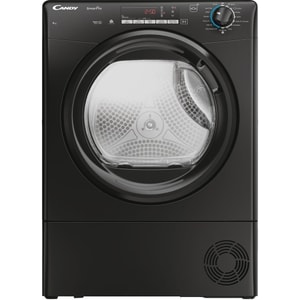
Condenser • Drying Capacity: 9 kg • Energy rating: B
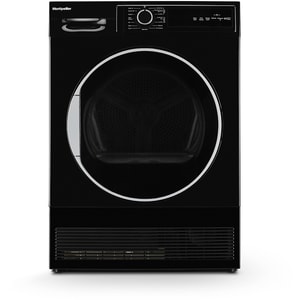
Condenser • Drying Capacity: 8 kg • Energy rating: B
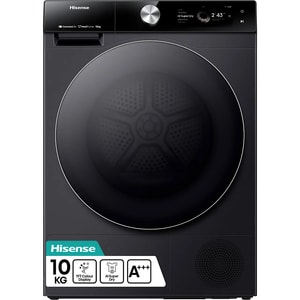
Type: Heat Pump • Drying Capacity: 10 kg • Energy Efficiency Class: A+++
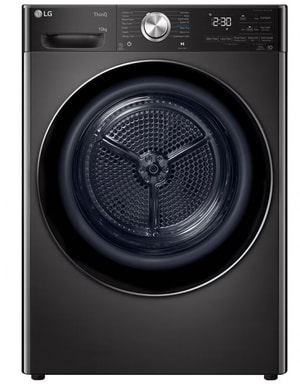
Type: Heat Pump • Drying Capacity: 10 kg • Energy Efficiency Class: A+++
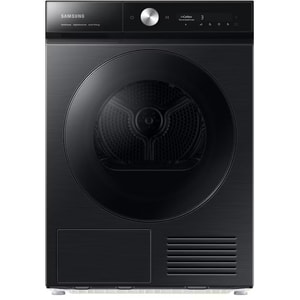
Type: Heat Pump • Drying Capacity: 9 kg • Energy Efficiency Class: A+++
Type: Heat Pump • Drying Capacity: 9 kg • Energy Efficiency Class: A+++
Type: Heat Pump • Drying Capacity: 9 kg • Energy Efficiency Class: A+++
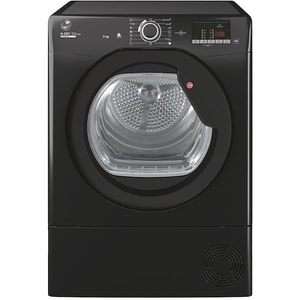
Type: Condenser • Drying Capacity: 9 kg • Energy Efficiency Class: B
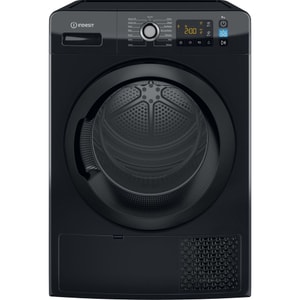
Heat Pump • Drying Capacity: 9 kg • Energy rating: A++
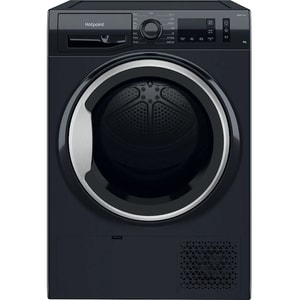
Heat Pump • Drying Capacity: 8 kg • Energy rating: A++
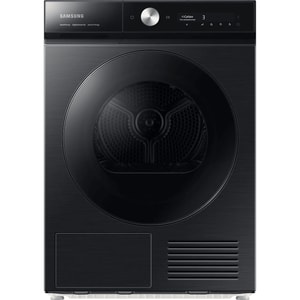
Heat Pump • Drying Capacity: 9 kg • Energy rating: A+++
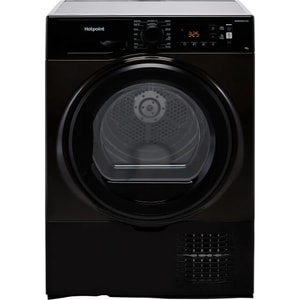
Condenser • Drying Capacity: 9 kg • Energy rating: B
How to choose the right black tumble dryer
Black appliances earn their keep when the rest of the kitchen or utility leans dark, graphite or stainless. The bigger decision sits underneath the finish: which drying technology suits your home, how much you'll actually load each week, and what the room can take in terms of plumbing, ventilation and ambient temperature. Get those three right and the colour is the easy part. Read More...
Heat pump or condenser, which suits your home?
A black heat pump tumble dryer recycles warm air at lower temperatures, so running costs come down significantly compared with older designs. Cycles run longer and the room needs to stay broadly within the manufacturer's ambient range, often around 10 to 35°C, so unheated garages can struggle in winter. Heat pumps are the strong default for households drying several loads a week.
A black condenser tumble dryer collects moisture in a tank you empty, or plumbs to a drain. Cycles are quicker and the machine is less fussy about room temperature, which makes it a sensible pick for cooler utility rooms or anyone who'd rather not wait. Running costs are higher than a heat pump, though, so think about how often you'll use it.
What capacity actually fits your laundry routine?
A 7kg or 8kg drum is enough for one or two people and the odd bedding wash. 9kg is the sweet spot for most family households and the most common size you'll see in black, with enough room for a king duvet cover without cramming. 10kg suits larger households, sports kits and anyone who runs heavy weekly bedding cycles. Underfilling a big drum is fine, overloading a small one isn't, so size up if you're between two.
Which brands are worth knowing in black?
Brands you'll typically see include Samsung, Hotpoint, Hoover, Candy, LG, Indesit, Hisense and Montpellier. Samsung leans into heat pump models with higher A+++ ratings and Wi-Fi connectivity for remote start and cycle alerts. Hotpoint and Indesit offer dependable mid-range heat pumps with sensor drying as standard. Hoover and Candy cover the more affordable condenser end without giving up reverse tumble. LG and Hisense bring quieter heat pump options worth a look if the dryer sits near a living space.
Installation, noise and the practical bits
Measure depth including the plug and any drain hose so the door can swing fully open, and confirm the door hinges on the right side for your room. Stacking on a washer is workable with the manufacturer's stacking kit if footprints match. Noise figures sit roughly between 60 and 69 dB(A) on drying, so anything in the low 60s is noticeably quieter through a wall. Sensor drying is near-universal and worth holding out for, as is reverse tumble for sheets and duvet covers.
Frequently Asked Questions
Over a couple of years of regular use, yes for most households. A heat pump runs cooler and uses meaningfully less electricity per cycle, which closes the upfront gap fairly quickly if you dry several loads a week. If you only run the dryer occasionally or the utility room is cold, a condenser can make more sense.
Within the model's ambient range, generally yes, but performance drops in winter. Heat pumps are designed for typical indoor temperatures, often quoted as 10 to 35°C. In a sub-10°C garage, cycles run longer and may not finish properly. Check the manual for the exact range before committing.
Roughly the level of an animated conversation in the next room. Anything in the low 60s is noticeably quieter and worth paying for if the dryer sits near a kitchen-diner or open-plan space. Spin and cool-down phases are usually quieter than the main cycle.
Comfortably, yes. 9kg gives bedding room to tumble and separate, which dries it more evenly and reduces the laundry-sausage effect. For a super king or two duvets in one go, a 10kg drum gives more breathing space and a flatter finish.
Sensor drying measures moisture inside the drum and stops at the level you choose, like iron-dry or cupboard-dry. Timed drying just runs for a set number of minutes regardless. Sensor cycles save energy and protect fabrics, especially on mixed loads where timing is hard to estimate.
No, but it helps. The default is a tank inside the machine that you empty after each cycle. Most condenser models also include a drain hose that can be routed to a standpipe or sink waste, which means you never have to think about emptying. Worth checking the back-panel layout against your plumbing.
Often, with the dryer brand's universal stacking kit. Both footprints need to match within the kit's range, doors need to clear when open, and the anti-slip pads supplied in the kit have to seat fully. Don't improvise without a kit, the vibration on a spin cycle will walk an unsecured dryer off the top.