
Tumble Dryers
- Relevance
- Price: Low - High
- Price: High - Low
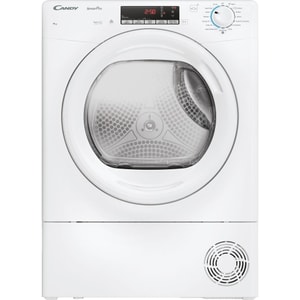
Type: Condenser • Drying Capacity: 9 kg • Energy Efficiency Class: B
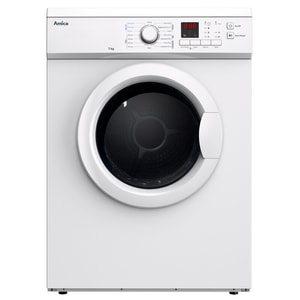
Type: Vented • Drying Capacity: 7 kg • Energy Efficiency Class: C
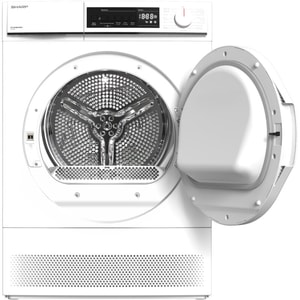
Type: Condenser • Drying Capacity: 8 kg • Energy Efficiency Class: B
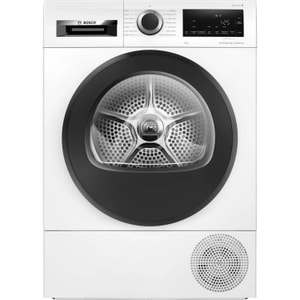
Type: Heat Pump • Drying Capacity: 9 kg • Energy Efficiency Class: A++
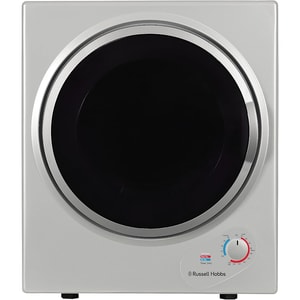
Type: Vented • Drying Capacity: 2.5 kg • Energy Efficiency Class: C
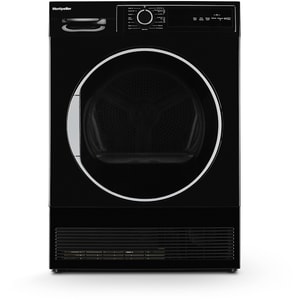
Type: Condenser • Drying Capacity: 8 kg • Energy Efficiency Class: B
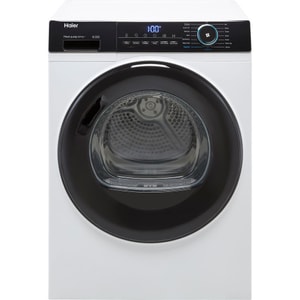
Type: Heat Pump • Drying Capacity: 10 kg • Energy Efficiency Class: A++
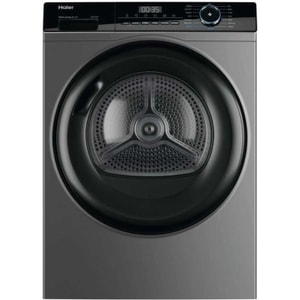
Type: Heat Pump • Drying Capacity: 9 kg • Energy Efficiency Class: A++
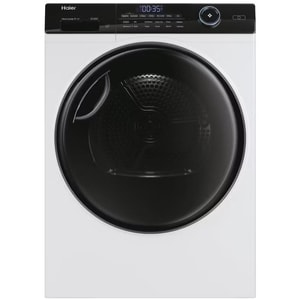
Type: Heat Pump • Drying Capacity: 9 kg • Energy Efficiency Class: A++
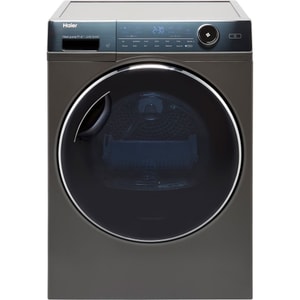
Type: Heat Pump • Drying Capacity: 9 kg • Energy Efficiency Class: A+++
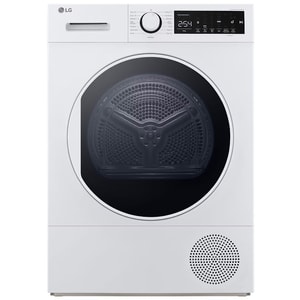
Type: Heat Pump • Drying Capacity: 8 kg • Energy Efficiency Class: A++
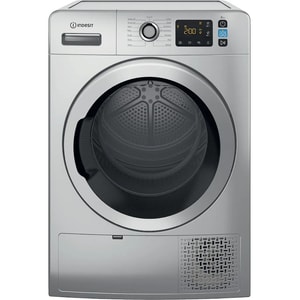
Type: Heat Pump • Drying Capacity: 8 kg • Energy Efficiency Class: A++
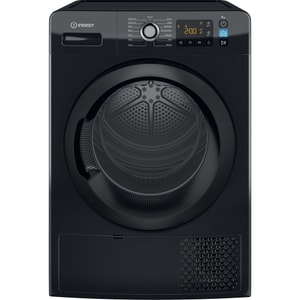
Type: Heat pump • Drying Capacity: 9 kg • Energy Efficiency Class: A++
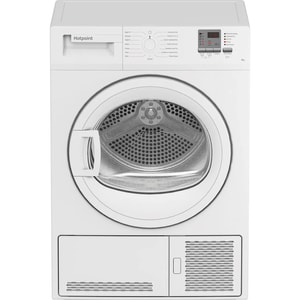
Type: Condenser • Drying Capacity: 8 kg • Energy Efficiency Class: B
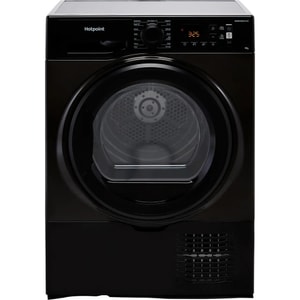
Type: Condenser • Drying Capacity: 9 kg • Energy Efficiency Class: B
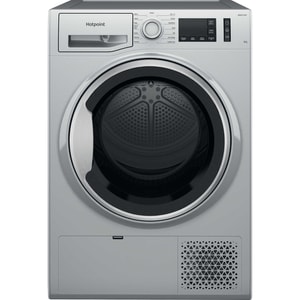
Type: Heat Pump • Drying Capacity: 8 kg • Energy Efficiency Class: A++
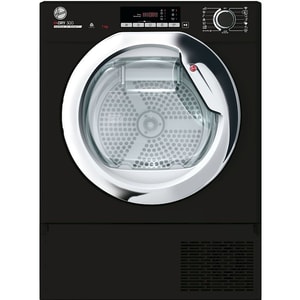
Type: Heat Pump • Drying Capacity: 7 kg • Energy Efficiency Class: A+
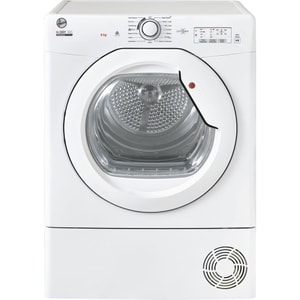
Type: Condenser • Drying Capacity: 8 kg • Energy Efficiency Class: B
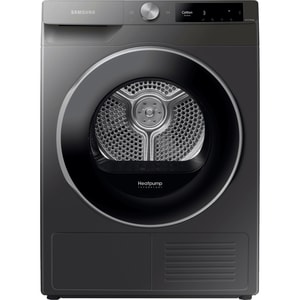
Type: Heat Pump • Drying Capacity: 9 kg • Energy Efficiency Class: A+++
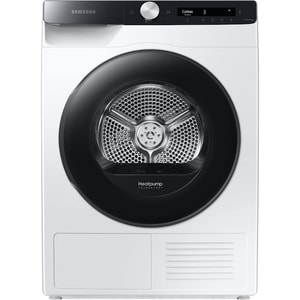
Type: Heat Pump • Drying Capacity: 9 kg • Energy Efficiency Class: A+++
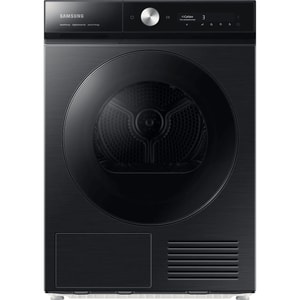
Type: Heat Pump • Drying Capacity: 9 kg • Energy Efficiency Class: A+++
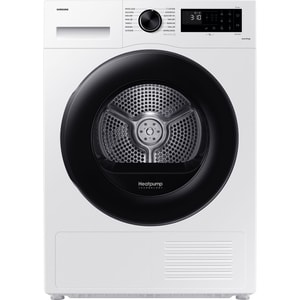
Type: Heat Pump • Drying Capacity: 8 kg • Energy Efficiency Class: A++
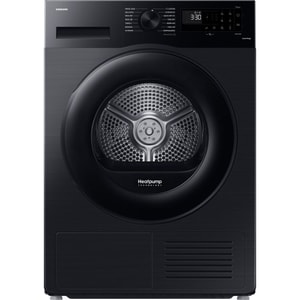
Type: Heat Pump • Drying Capacity: 9 kg • Energy Efficiency Class: A++
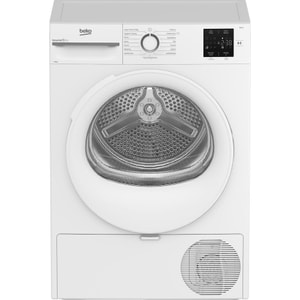
Type: Heat Pump • Drying Capacity: 10 kg • Energy Efficiency Class: A++
Choose a tumble dryer by deciding where moisture goes and what you want to optimise
A tumble dryer is often bought for predictability: clothes dry when you need them, even when the weather is poor. The key to choosing well is to decide what you are optimising for, because upfront price, running cost and cycle time can pull in different directions. If you are comparing laundry appliances as a whole, dryer type is the decision that changes the shortlist most. Read More...
Heat pump tumble dryers for lower running costs and gentler drying
Heat pump tumble dryers recycle warm air and usually dry at lower temperatures. They are often cheaper to run and can be kinder to fabrics, which is why they suit households that dry frequently. The trade-off is that many programmes take longer, especially for heavier cotton loads, so they are best when you value lower ongoing cost over the shortest possible cycle time.
Condenser tumble dryers for flexible placement without an external vent
Condenser tumble dryers collect moisture as water, typically into a removable tank, and some models support a drain hose. Because you are not pushing moist air outside, placement is easier in many kitchens and utility rooms. Performance and running costs vary by model, so compare within similar capacities if you want a fair view.
Vented tumble dryers for straightforward drying when you have a vent route
Vented tumble dryers expel moist air through a hose to outside. They are often cheaper upfront and can deliver quick results, but the practical constraint is the vent route rather than the machine’s dimensions alone. Running costs can be higher than heat pump dryers, so they tend to suit buyers who prioritise low upfront price and have an easy place to vent.
Freestanding or integrated tumble dryer: plan for access to filters and tanks
Most tumble dryers are freestanding and give you the widest choice. Integrated (built-in) tumble dryers are designed to sit behind a cabinet door, which can suit fitted kitchens, but access matters more. Think about the routine tasks you will do often: reaching the lint filter, emptying the water tank on condenser and heat pump models, and keeping the area reasonably ventilated.
Match capacity to washing machines and to the loads you actually dry
Drying relies on airflow. If the drum is overfilled, bulky items can stay damp in pockets and folds.
A useful starting point is to match dryer capacity to your washing machine size so you are not constantly splitting loads. If your washing machines are typically 8 kg to 9 kg, an equivalent dryer capacity often feels convenient. If you dry bedding and towels regularly, a larger drum can help because items have more room to tumble.
Decide what you are paying for: cheap upfront vs cheaper to run
If you dry occasionally, a cheaper upfront model can be a sensible buy. If you dry most loads, the running cost difference between dryer types can become more important than the initial price, which is where heat pump dryers often appeal.
A quick reality check helps: how many loads do you dry each week, and is drying mainly seasonal or year-round? Your answer should influence whether you prioritise upfront cost, running cost, or speed.
Features that improve results rather than just adding to the spec list
A short list of features tends to deliver most of the benefit:
- Sensor drying: stops closer to the target dryness and can help avoid over-drying.
- Anti-crease: intermittent tumbling after the cycle if you cannot unload immediately.
- Reverse action: reduces tangling on larger items like bedding.
- Clear filter indicators and easy access to filters, because airflow affects drying time.
When washer dryers may be the better option
If you need one footprint rather than two appliances, washer dryers can be a practical alternative. They are mainly a space-saving solution, but drying capacity is usually lower than wash capacity, so larger loads may need to be dried in stages.
Maintenance basics that keep cycle times consistent
Dryers perform best when air can move freely. Clean lint filters regularly, empty the water tank if your model has one, and follow the manufacturer’s guidance for cleaning the condenser or heat exchanger where applicable. Keeping airflow clear is one of the simplest ways to avoid unexpectedly long cycles.