
Washer Dryers
- Relevance
- Price: Low - High
- Price: High - Low
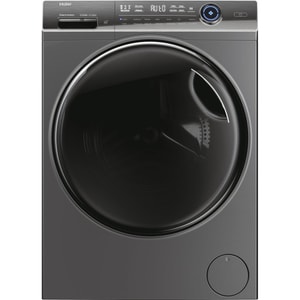
Wash capacity: 10 kg • Dry capacity: 6 kg • Max spin speed: 1400 rpm
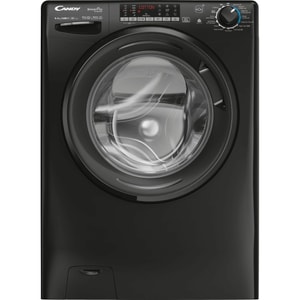
Wash capacity: 8 kg • Dry capacity: 5 kg • Max spin speed: 1400 rpm
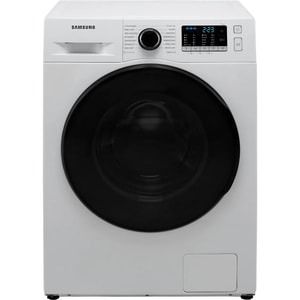
Wash capacity: 8 kg • Dry capacity: 5 kg • Max spin speed: 1400 rpm
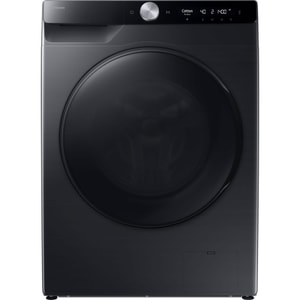
Wash capacity: 9 kg • Dry capacity: 6 kg • Max spin speed: 1400 rpm
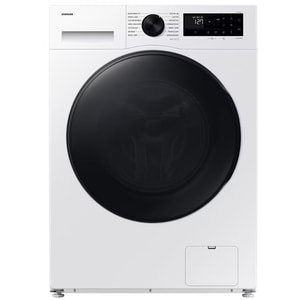
Wash capacity: 11 kg • Dry capacity: 6 kg • Max spin speed: 1400 rpm
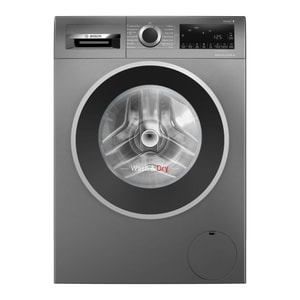
Wash capacity: 10.5 kg • Dry capacity: 6 kg • Max spin speed: 1400 rpm
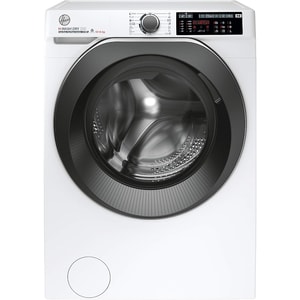
Wash capacity: 10 kg • Dry capacity: 6 kg • Max spin speed: 1400 rpm
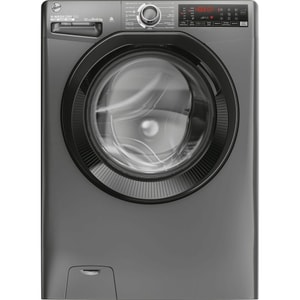
Wash capacity: 10 kg • Dry capacity: 6 kg • Max spin speed: 1400 rpm
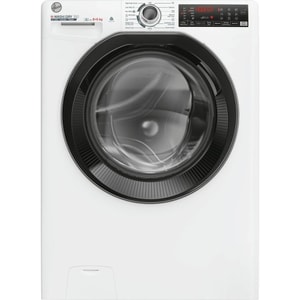
Wash capacity: 8 kg • Dry capacity: 6 kg • Max spin speed: 1400 rpm
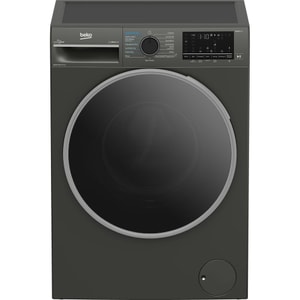
Wash capacity: 9 kg • Dry capacity: 6 kg • Max spin speed: 1400 rpm
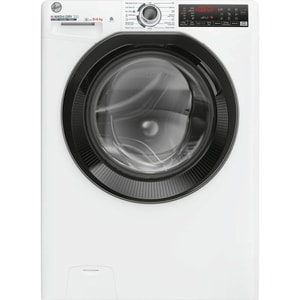
Wash capacity: 9 kg • Dry capacity: 6 kg • Max spin speed: 1400 rpm
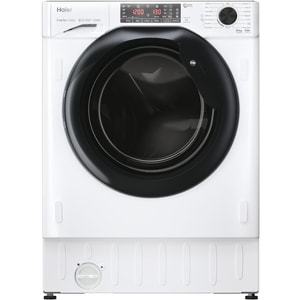
Wash capacity: 9 kg • Dry capacity: 5 kg • Max spin speed: 1600 rpm
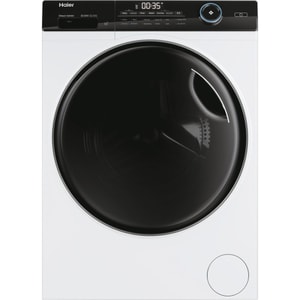
Wash capacity: 10 kg • Dry capacity: 6 kg • Max spin speed: 1400 rpm
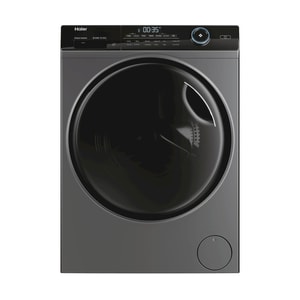
Wash capacity: 9 kg • Dry capacity: 6 kg • Max spin speed: 1400 rpm
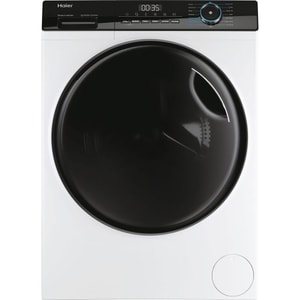
Wash capacity: 10 kg • Dry capacity: 6 kg • Max spin speed: 1400 rpm
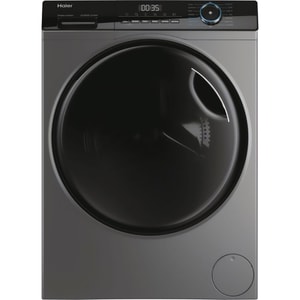
Wash capacity: 9 kg • Dry capacity: 6 kg • Max spin speed: 1400 rpm
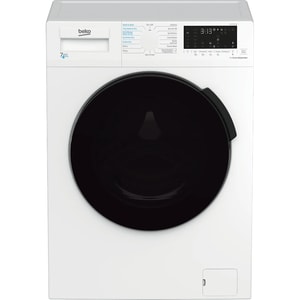
Wash capacity: 7 kg • Dry capacity: 4 kg • Max spin speed: 1200 rpm
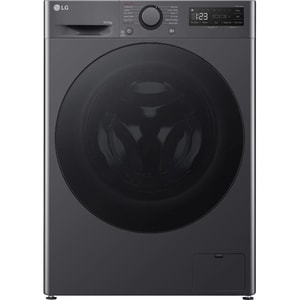
Wash capacity: 10 kg • Dry capacity: 6 kg • Max spin speed: 1400 rpm
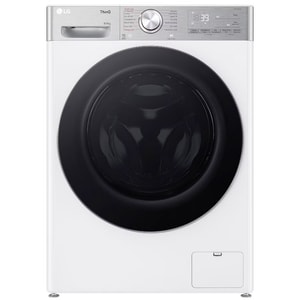
Wash capacity: 9 kg • Dry capacity: 6 kg • Max spin speed: 1400 rpm
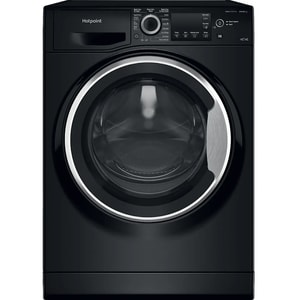
Wash capacity: 9 kg • Dry capacity: 6 kg • Max spin speed: 1400 rpm
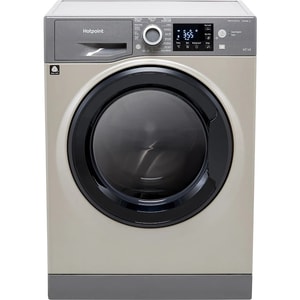
Wash capacity: 8 kg • Dry capacity: 6 kg • Max spin speed: 1400 rpm
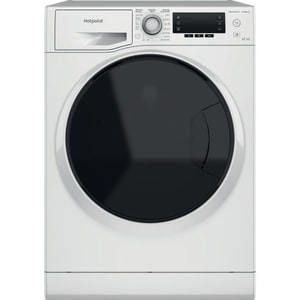
Wash capacity: 8 kg • Dry capacity: 6 kg • Max spin speed: 1400 rpm
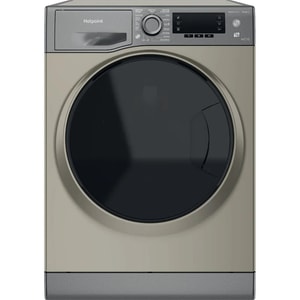
Wash capacity: 10 kg • Dry capacity: 7 kg • Max spin speed: 1400 rpm
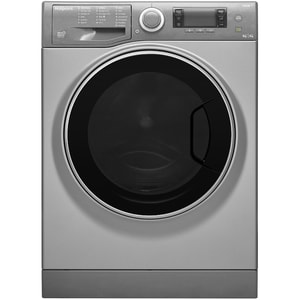
Wash capacity: 9 kg • Dry capacity: 7 kg • Max spin speed: 1600 rpm
Washer dryers: a space-saving option, with practical compromises to plan for
A washer dryer can be the right choice when you want a washing machine with dryer but you do not have space for two separate appliances. If you are browsing laundry appliances, it helps to think of washer dryers as convenience-first: they reduce the footprint, but you get the best results when you are realistic about drying capacity and cycle times. Read More...
Freestanding and integrated washer dryers: choose what fits, then think about access
Washer dryers come in both freestanding and integrated (built-in) formats.
- Freestanding models usually offer more choice and are often easier to install and access for maintenance.
- Integrated models sit behind a cabinet door, which suits fitted kitchens, but space and access are tighter. Accurate cabinet measurements and door hinge compatibility matter more.
Check the footprint and door swing, then confirm you can still reach the isolation valve and waste connection once the appliance is in place.
Wash capacity and drying capacity are different numbers for a reason
Most washer dryers list two capacities:
- Wash capacity: how much you can wash in one cycle.
- Drying capacity: how much you can dry in one cycle.
Drying needs airflow, so drying capacity is usually lower. In real use, the smoothest routine is often to wash a full load, then dry a smaller portion, or dry in two stages for larger loads. That is normal for this type of appliance, not a fault.
Where washer dryers shine, and where they are a compromise
Washer dryers can be excellent for the loads you want finished in one go, such as school uniforms, work shirts, or essentials when the weather turns. The trade-off is that combined wash-and-dry programmes can be longer than wash-only cycles, and drying performance is best when the load stays within the drying capacity.
If you prefer faster back-to-back drying for larger loads, tumble dryers paired with washing machines are usually the more flexible route. If you mainly air-dry and only dry occasionally, a washer dryer can be a very practical compromise.
Energy labels: compare wash-only and wash-and-dry based on your habits
Washer dryer labels separate wash-only and **wash-and-dry information, which is helpful because the two use cases can look very different.
- If you mostly wash then line-dry, compare using the wash-only figures.
- If you often use combined cycles, compare using the wash-and-dry figures.
To keep comparisons fair, compare models with similar wash and dry capacities, then use energy and water figures as tie-breakers.
Features that improve results and reduce re-drying
Washer dryers vary widely by programme design. These features are usually worth paying attention to:
- Sensor drying where available, because it helps stop closer to the target dryness.
- Anti-crease or crease care, because it helps if you cannot unload straight away.
- A reliable **quick wash option for lightly soiled items.
- Clear controls that make it obvious whether you are running wash-only or a combined programme.
You may also see labels in names such as AI, steam care or auto dosing. Use the label as a clue, then confirm what it actually changes in day-to-day use.
When two separate appliances make more sense for busy households
If you have space and you dry a lot, separate appliances are often easier to live with:
- Washing machines can run while tumble dryers are drying, which helps with back-to-back laundry days.
- Capacity matching is simpler because you can choose similar drum sizes.
- Drying is usually faster for large, repeated loads.
A washer dryer is most compelling when space is limited and your drying needs are occasional to moderate.
Loading and maintenance tips that keep performance consistent
Small habits can make a noticeable difference:
- Do not overload drying cycles, because airflow is what dries clothes evenly.
- Clean the door seal and detergent drawer regularly.
- Use the correct programme for the fabric type rather than relying on maximum heat.
- If the manufacturer recommends it, leave the door ajar after use to reduce odours.
- Run maintenance or cleaning cycles when the appliance supports them.
If you plan around drying capacity and keep loading sensible, washer dryers can be a genuinely convenient way to handle laundry in one footprint.