
LG Washer Dryers
LG washer dryers handle wash and dry in one drum, useful when a separate tumble dryer is not an option. Compare freestanding LG models by wash and dry capacity, spin speed, energy rating and ThinQ smart features, then pick the combo that fits your space and laundry routine.
- Relevance
- Price: Low - High
- Price: High - Low
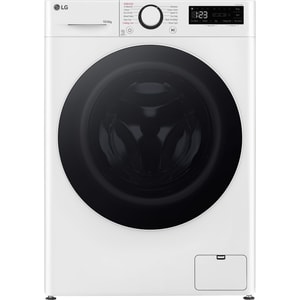
Wash capacity: 10 kg • Dry capacity: 6 kg • Max spin speed: 1400 rpm
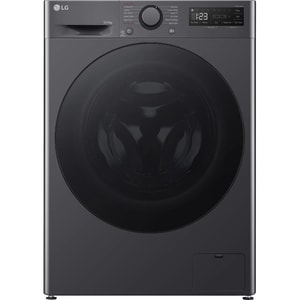
Wash capacity: 10 kg • Dry capacity: 6 kg • Max spin speed: 1400 rpm
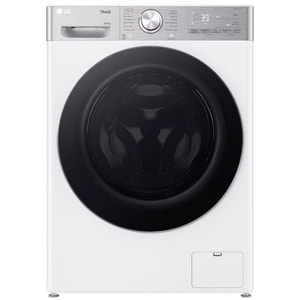
Wash capacity: 9 kg • Dry capacity: 6 kg • Max spin speed: 1400 rpm
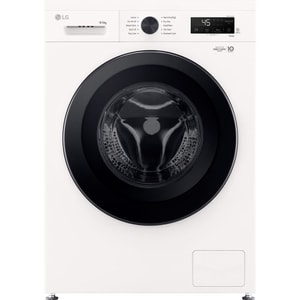
Wash capacity: 9 kg • Dry capacity: 5 kg • Max spin speed: 1400 rpm
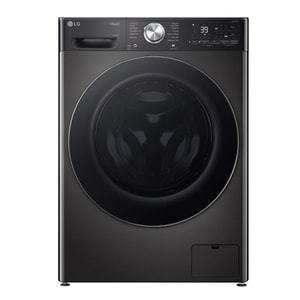
Wash capacity: 9 kg • Dry capacity: 6 kg • Max spin speed: 1400 rpm
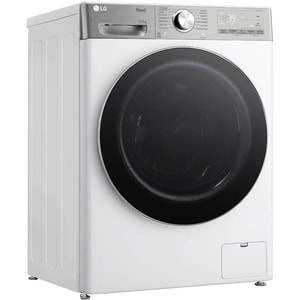
Wash capacity: 13 kg • Dry capacity: 7 kg • Max spin speed: 1400 rpm
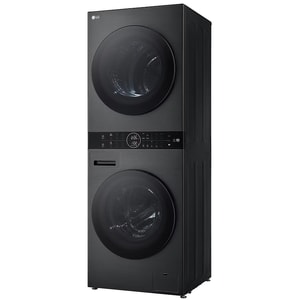
Wash capacity: 12 kg • Dry capacity: 10 kg • Max spin speed: 1400 rpm
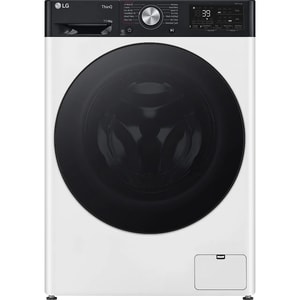
Wash capacity: 11 kg • Dry capacity: 6 kg • Max spin speed: 1400 rpm
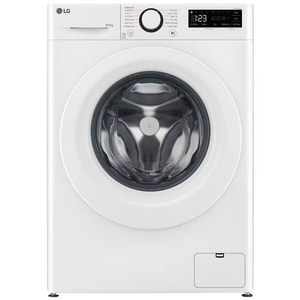
Wash capacity: 8 kg • Dry capacity: 5 kg • Max spin speed: 1200 rpm
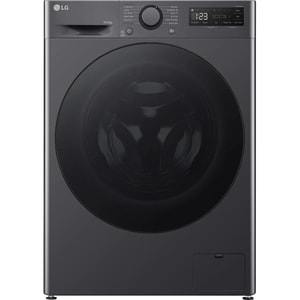
Wash capacity: 10 kg • Dry capacity: 6 kg • Max spin speed: 1400 rpm
How to choose an LG washer dryer that suits your home
An LG washer dryer puts a full wash cycle and a sensor-controlled dry phase into a single freestanding cabinet. The right model depends on how much laundry you run weekly, where the machine will live, and which features you'll genuinely use rather than read about once and forget. Read More...
What wash and dry capacity pair makes sense?
LG combos are sold as paired numbers, with the wash load always larger than the dry load. A nine kilogram wash with a six kilogram dry suits couples and small families running mixed weekday loads. Step up to ten or eleven kilograms if duvets, towels and kit washes pile up fast. Twelve and thirteen kilogram drums sit at the top of the range and are worth the extra footprint only if you're routinely washing for a busy household. The honest rule: wash to the upper number, then dry to the lower number, so air can move through the load.
Does spin speed actually matter for drying?
Yes, more than most shoppers think. A 1400 rpm spin pulls noticeably more water out of fabrics than a 1200 rpm one, which means the dry phase is shorter, gentler and uses less electricity. If you mostly line-dry and just want quick top-ups, 1200 rpm is fine. If the dryer side is doing real work, hold out for 1400 rpm.
Worth paying more for TurboWash, steam or AI DD?
TurboWash and TurboWash 360 are LG's faster wash patterns, useful for school uniforms, gym kits and weekday refreshes where forty minutes beats two hours. Steam programmes help freshen lightly worn items and reduce allergens between proper washes. AI DD senses load weight and fabric movement, then adjusts drum motion to be gentler on mixed loads. None of these are gimmicks, but you only feel the value if you'll use the cycle weekly.
Condenser or heat-pump drying?
Most LG washer dryers use condenser drying, which is cheaper to buy and works in any room because there's no vent. Heat-pump drying costs more upfront but uses significantly less energy per cycle, so it pays back over time if you dry several loads a week. Energy ratings on the label cover wash and dry combined, so a D or E rating on a condenser combo is normal, not a red flag.
Stackable, WashTower or standard freestanding?
A standard freestanding combo is the simplest install: one slot, one plumbing point, one plug. LG also sells a WashTower-style stacked unit that puts a separate washer and dryer into a single column, controlled from a centre panel. It needs more height clearance than a regular machine, so measure the alcove from floor to underside of any worktop or shelf before committing.
ThinQ, Wi-Fi and direct drive: which features earn their slot?
ThinQ via the LG app lets you start cycles remotely, get end-of-cycle alerts and run Smart Diagnosis if something sounds off. Genuinely handy when the machine lives under a kitchen counter and you can't hear it finish. Direct drive motors run with fewer moving parts than belt-driven equivalents, which usually means quieter spins and longer warranties. Both features tend to come bundled on mid and upper LG combos.
Colour, finish and where it'll sit
White is the default and the cheapest. Black, Grey and Slate Grey finishes look smarter in open-plan kitchens and utility rooms but typically carry a small price premium. Whichever finish you pick, check door hinge side and how far it swings open, especially if the machine sits next to a wall or cabinet run.
Frequently Asked Questions
It's the maximum dry load, always smaller than the wash load. A 10/6 kg model will wash up to ten kilograms but only dry six in one go. Overload the dry phase and clothes come out damp, creased or both, because hot air can't circulate.
For most households, yes, but cycles run longer. Combos use condenser drying and share a drum with the wash side, so airflow is more limited than a dedicated dryer. If you dry several full loads back to back daily, separate machines still win on speed.
Only with a model designed for it or a matched WashTower-style unit. Standard front-loading LG washing machines and dryers are not safe to stack without an LG-approved stacking kit, and even then both machines must be compatible widths and have flat tops. Always check the model pairing in the manual.
Most LG combos sit around 71 to 74 dB(A) at full spin. Direct drive models tend toward the quieter end of that range. If the machine sits near a living room or bedroom wall, look for the lowest spin dB figure you can find and avoid running cycles overnight without delay-start scheduling.
No. All LG washer dryers are condenser-based, so they extract moisture into the drum water system rather than venting outside. That makes them easy to install in flats, internal utility cupboards and galley kitchens where an external wall isn't available.
For most owners, it earns a place. Remote start lets you delay a wash until off-peak energy hours, end-of-cycle alerts stop laundry sitting damp, and Smart Diagnosis can flag issues without a callout. You can run the machine perfectly well without it, but once set up, most people leave it on.
A larger drum uses more water and electricity per full cycle, but the cost per kilogram of laundry can actually be lower if you run it full. The trap is half-loading a 12 kg drum routinely, which wastes both. Match drum size to your typical weekly wash, not your biggest one-off.
A 10 kg or larger wash capacity is the minimum to wash a king duvet properly, and you'll want a bedding programme. Drying it in the same machine is harder; most people wash on a combo and then finish on a line or airer for shape and bulk.