
Hotpoint Washer Dryers
Hotpoint washer dryers handle the wash and tumble in one drum, which suits flats, utility cupboards and households short on floor space. The range covers freestanding and integrated builds, condenser drying, wash loads from seven to eleven kilos, and finishes in white, black or graphite.
- Relevance
- Price: Low - High
- Price: High - Low
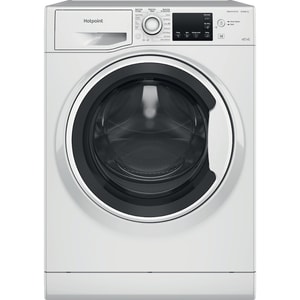
Wash capacity: 8 kg • Dry capacity: 6 kg • Max spin speed: 1400 rpm
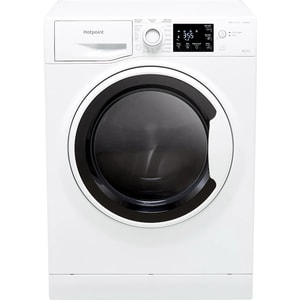
Wash capacity: 9 kg • Dry capacity: 6 kg • Max spin speed: 1400 rpm
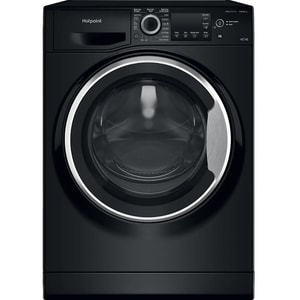
Wash capacity: 9 kg • Dry capacity: 6 kg • Max spin speed: 1400 rpm
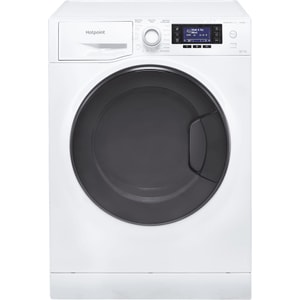
Wash capacity: 9 kg • Dry capacity: 7 kg • Max spin speed: 1600 rpm
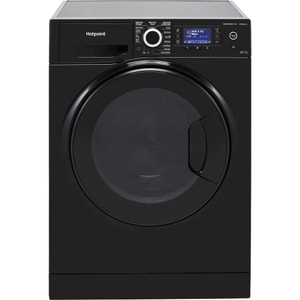
Wash capacity: 9 kg • Dry capacity: 7 kg • Max spin speed: 1600 rpm
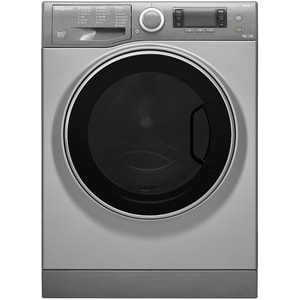
Wash capacity: 9 kg • Dry capacity: 7 kg • Max spin speed: 1600 rpm
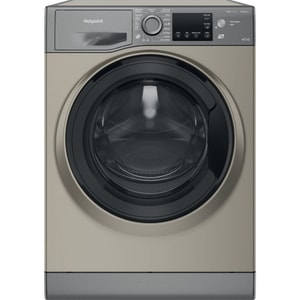
Wash capacity: 9 kg • Dry capacity: 6 kg • Max spin speed: 1400 rpm
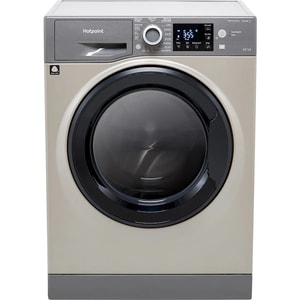
Wash capacity: 8 kg • Dry capacity: 6 kg • Max spin speed: 1400 rpm
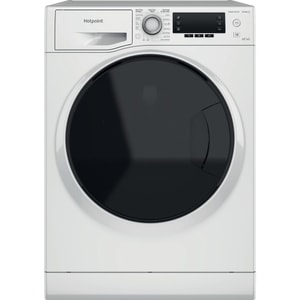
Wash capacity: 8 kg • Dry capacity: 6 kg • Max spin speed: 1400 rpm
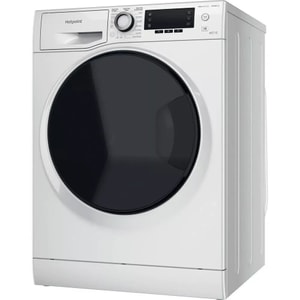
Wash capacity: 10 kg • Dry capacity: 7 kg • Max spin speed: 1400 rpm
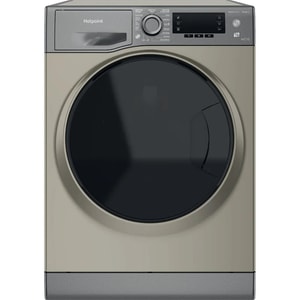
Wash capacity: 10 kg • Dry capacity: 7 kg • Max spin speed: 1400 rpm
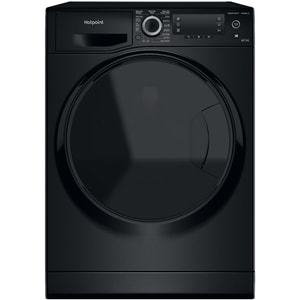
Wash capacity: 8 kg • Dry capacity: 6 kg • Max spin speed: 1400 rpm
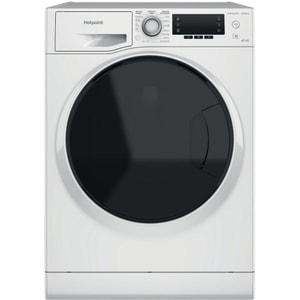
Wash capacity: 8 kg • Dry capacity: 6 kg • Max spin speed: 1400 rpm
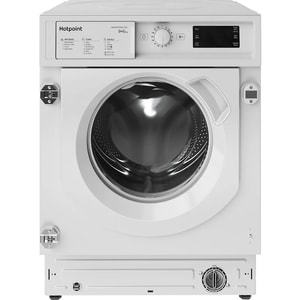
Wash capacity: 9 kg • Dry capacity: 6 kg • Max spin speed: 1400 rpm
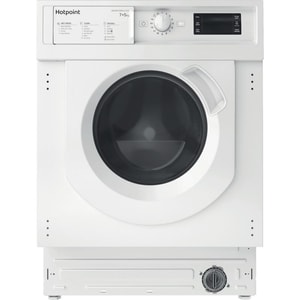
Wash capacity: 7 kg • Dry capacity: 5 kg • Max spin speed: 1400 rpm
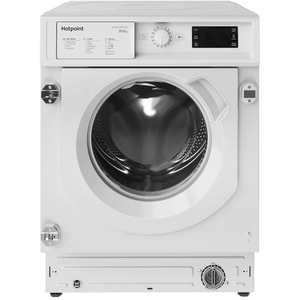
Wash capacity: 8 kg • Dry capacity: 6 kg • Max spin speed: 1400 rpm
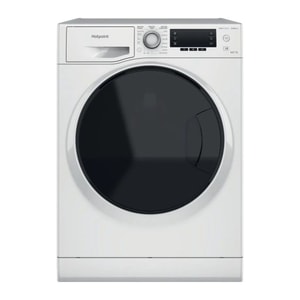
Wash capacity: 11 kg • Dry capacity: 7 kg • Max spin speed: 1400 rpm
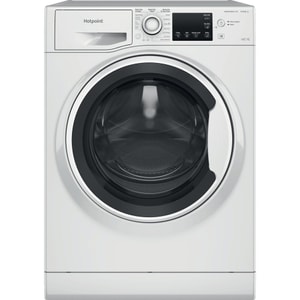
Wash capacity: 11 kg • Dry capacity: 7 kg • Max spin speed: 1600 rpm
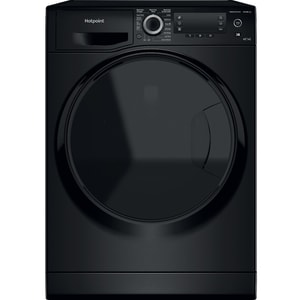
Wash capacity: 8 kg • Dry capacity: 6 kg • Max spin speed: 1400 rpm
Is a Hotpoint washer dryer the right call for your laundry?
A combined washer dryer earns its keep when you can't fit two appliances or you want laundry handled start to finish without moving wet loads. Hotpoint sits in the mainstream of the UK market, so spares, engineer call-outs and replacement parts are easy to source years down the line. The trade-off worth knowing up front: dry capacity is always smaller than wash capacity, so a nine kilo wash typically pairs with a six kilo dry. If you regularly wash to the brim and want everything dried in one go, you'll need to split the load. Read More...
What wash and dry capacity actually suits your household?
Capacity is the decision that drives most of the others. A seven or eight kilo wash with a five or six kilo dry covers couples, smaller flats and anyone running laundry every two or three days. Nine kilo wash with six kilo dry is the standard family pick: enough for bedding, towels and a week's mixed loads. Ten and eleven kilo wash capacities pair with a seven kilo dry and suit larger households, sports kit, dog towels and king-size duvets. Remember the dry figure is the cap, not the wash figure, when you're planning a single end-to-end cycle.
Freestanding or integrated, and what changes between them?
Freestanding is the simpler buy. You slide it under the worktop or into a utility space, plumb in, and you're done. Integrated machines sit behind a kitchen door for a flush kitchen line, which is worth the extra spend if your kitchen is fitted and you don't want a visible appliance front. Integrated models tend to come in slightly tighter capacity ranges, so check the dry kilos against your weekly volume before committing to the cabinet build.
Which specs make a real difference day to day?
Spin speed sets how wet clothes are when drying starts; 1400rpm is the workhorse, 1600rpm gets things drier faster and shaves time off the tumble cycle. Energy rating on washer dryers runs lower than on standalone machines because the appliance is doing two jobs, so don't be alarmed by C, D or E ratings; compare like with like. Sensor drying is the spec to look for if you want to avoid over-drying towels or shrinking cottons; the machine stops when the load reads dry rather than running a fixed timer. Condenser drying means no external vent, so the machine can sit anywhere with a power and water connection.
Colour, kitchen fit and the small things that catch you out
White is the default and the cheapest entry into the range. Black and graphite finishes pull a kitchen together if your hob, fridge or extractor are already in darker tones, and they hide fingerprints and scuffs better around busy doorways. Measure the aperture, including depth with the door open, before you commit. Hot and cold fill, hose length and plug position all matter if you're slotting into an existing run.
Worth paying more for a higher spin or larger drum?
If you tumble most loads, yes on spin: less water in means less time and energy out. On drum size, only step up if your weekly volume genuinely fills a nine or ten kilo load; oversized drums on small washes waste water and cycle time.
Frequently Asked Questions
The dry capacity is always lower than the wash. A 9kg wash typically pairs with a 6kg dry, and an 11kg wash with a 7kg dry. To run a full load straight from wash to dry without stopping, plan around the dry kilos, not the wash kilos.
Condenser drying collects moisture inside the machine and drains it out, so there's no need to punch a vent through an external wall. That makes it the right pick for kitchens, utility cupboards and integrated installs. The Hotpoint range uses condenser drying across the line, so venting isn't a concern.
1400rpm spins clothes dry enough for a tumble cycle to finish in a sensible window. 1600rpm extracts more water, which shortens drying time and trims energy use over the long run. If most loads go through a full wash-to-dry cycle, the upgrade pays back; if you mainly wash and air dry, 1400rpm is plenty.
The current energy label rates the worst-case combined wash and dry cycle, so washer dryers usually land at C, D or E even when the wash side is efficient on its own. Compare ratings between washer dryers, not against a standalone machine, and you'll get a fair read.
Most integrated Hotpoint models are built for a 60cm kitchen housing with a hinged door. Always cross-check height, width and depth against your cabinet spec, and check the door swing direction. Aperture depth with hoses and plug clearance is the measurement people forget.
Sensor drying ends the cycle when the load reads dry rather than running a timer to the end, which cuts the over-drying that causes shrinkage and that crisp, scratchy towel feel. It also avoids running the heater longer than the clothes need.
Yes. The dry-only function lets you tumble a load that's already been washed, so you can use the dryer side as a standalone tumble dryer when you need to. Capacity for dry-only follows the dry kilos rating, not the wash rating.
Darker finishes hide scuffs and limescale spots that show up on white, but they pick up dust and water marks more visibly. A microfibre cloth and a quick wipe of the door and detergent drawer once a week keeps them looking sharp.