
Washing Machines
- Relevance
- Price: Low - High
- Price: High - Low
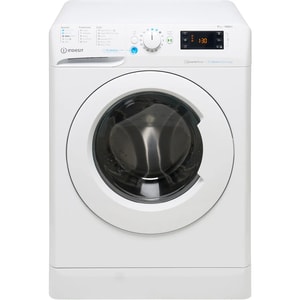
Colour: White • Wash Capacity: 11 kg • Maximum Spin Speed: 1400 rpm
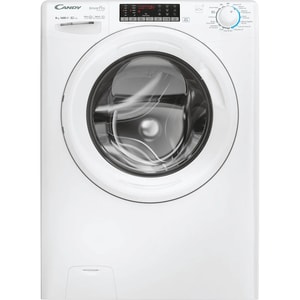
Colour: Black and White • Wash Capacity: 8 kg • Maximum Spin Speed: 1600 rpm
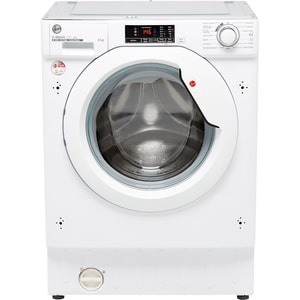
Colour: White • Wash Capacity: 8 kg • Maximum Spin Speed: 1400 rpm
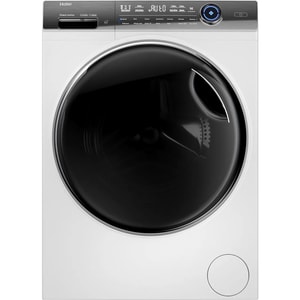
Colour: White • Wash Capacity: 10 kg • Maximum Spin Speed: 1400 rpm
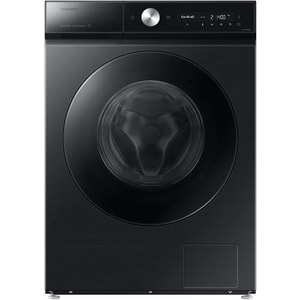
Colour: Black and White • Wash Capacity: 9 kg • Maximum Spin Speed: 1400 rpm
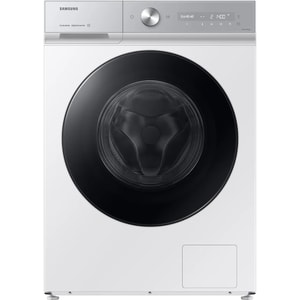
Colour: Black and White • Wash Capacity: 11 kg • Maximum Spin Speed: 1400 rpm
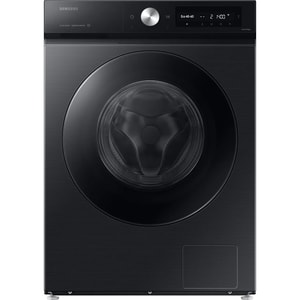
Colour: Black and White • Wash Capacity: 9 kg • Maximum Spin Speed: 1400 rpm
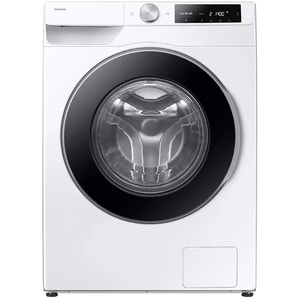
Colour: Black and White • Wash Capacity: 11 kg • Maximum Spin Speed: 1400 rpm
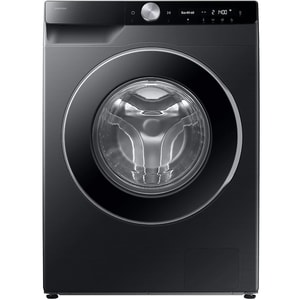
Colour: Black and White • Wash Capacity: 11 kg • Maximum Spin Speed: 1400 rpm
Colour: Black and White • Wash Capacity: 9 kg • Maximum Spin Speed: 1400 rpm
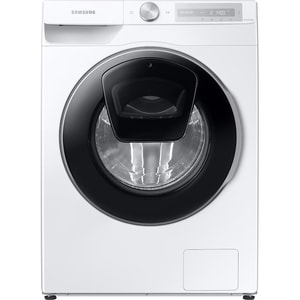
Colour: Graphite and White • Wash Capacity: 9 kg • Maximum Spin Speed: 1400 rpm
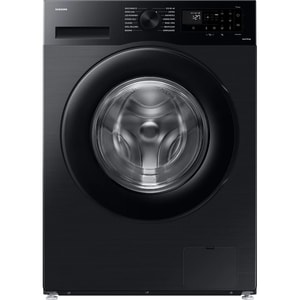
Colour: Black and White • Wash Capacity: 9 kg • Maximum Spin Speed: 1400 rpm
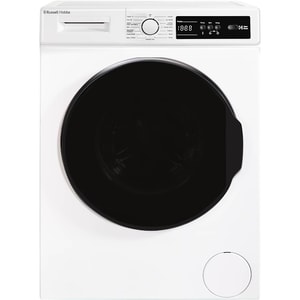
Colour: Anthracite, Black and White • Wash Capacity: 8 kg • Maximum Spin Speed: 1400 rpm
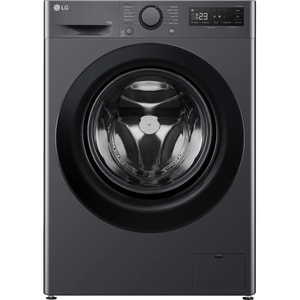
Colour: Slate Grey and White • Wash Capacity: 10 kg • Maximum Spin Speed: 1400 rpm
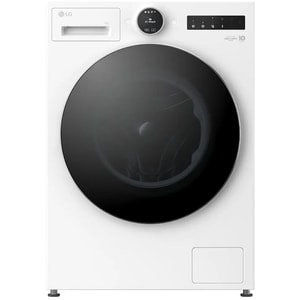
Colour: Black and White • Wash Capacity: 9 kg • Maximum Spin Speed: 1400 rpm
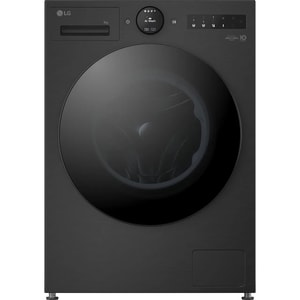
Colour: Matt Black and White • Wash Capacity: 9 kg • Maximum Spin Speed: 1400 rpm
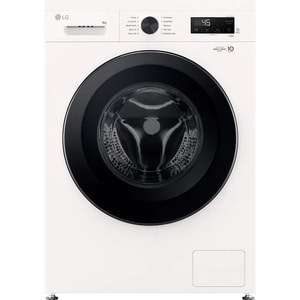
Colour: Slate Grey and White • Wash Capacity: 9 kg • Maximum Spin Speed: 1400 rpm
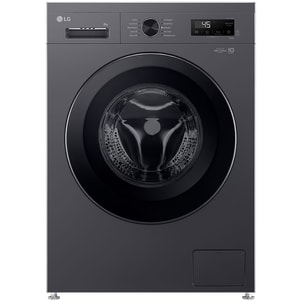
Colour: Grey and White • Wash Capacity: 8 kg • Maximum Spin Speed: 1400 rpm
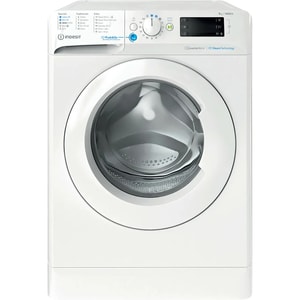
Colour: Black, Silver and White • Wash Capacity: 9 kg • Maximum Spin Speed: 1400 rpm
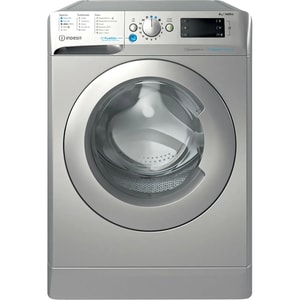
Colour: Silver and White • Wash Capacity: 8 kg • Maximum Spin Speed: 1400 rpm
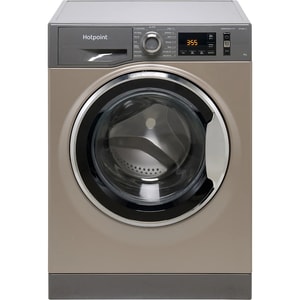
Colour: Black, Graphite and White • Wash Capacity: 9 kg • Maximum Spin Speed: 1400 rpm
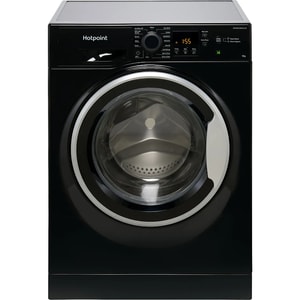
Colour: Black, Graphite and White • Wash Capacity: 9 kg • Maximum Spin Speed: 1400 rpm
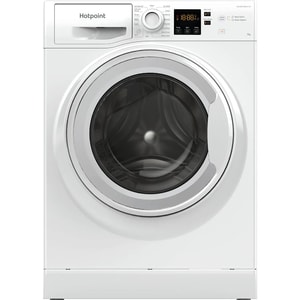
Colour: Black and White • Wash Capacity: 7 kg • Maximum Spin Speed: 1400 rpm
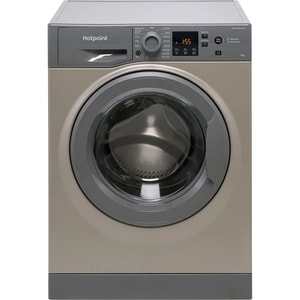
Colour: Black, Graphite and White • Wash Capacity: 10 kg • Maximum Spin Speed: 1400 rpm
Get the wash right: capacity, installation and the programmes you will use
A washing machine is usually the core of most laundry appliances setups, because it dictates your weekly capacity and the quality of the wash. The best choice is rarely the model with the longest list of modes. It is the one that fits the space, handles your typical load size, and makes everyday washing straightforward. Read More...
Start with installation because it determines what can physically fit
If you choose the wrong installation type, everything else becomes irrelevant.
- Freestanding washing machines are the most common and typically offer the widest choice of sizes, finishes and features.
- Built-in washing machines (often described as integrated) sit behind a cabinet door for a seamless kitchen look, but they rely on accurate cabinet dimensions, door hinge compatibility, and sufficient depth for hoses and a plug.
Take measurements at the actual installation point: record the usable width, height and depth, then check door swing and any obstructions such as sockets, pipework or skirting boards.
Pick a realistic capacity by thinking about your biggest regular load
Capacity is useful when it reduces the number of weekly cycles you run.
- 7 kg often suits smaller households and lighter weekly loads.
- 8 kg to 9 kg is a common range for mixed loads plus towels and the occasional bedding wash.
- 10 kg to 12 kg can suit larger households, frequent bedding, or anyone who prefers fewer, fuller cycles.
A good rule is to choose a size you will comfortably fill most weeks. Over-sizing can mean running half loads more often than you expect.
Spin speed matters because it affects drying time, not just the end of the cycle
Higher spin speed removes more water from clothes. That can make line-drying faster and it can reduce time in tumble dryers if you dry regularly. It is still worth having flexibility: delicate fabrics and easy-care loads often suit lower spins, and you may prefer a programme that balances creasing with dryness rather than always using the maximum.
If noise is important, pay attention to spin noise because that is usually what you notice most, especially in open-plan homes or evening use.
Programmes and features that earn their place in everyday use
Instead of chasing rare specialist cycles, focus on the options you will actually select:
- Quick wash for lightly soiled items and busy weeks.
- A daily or mixed programme for regular clothing.
- Delicates and wool settings for fabric care.
- Load sensing where available, so smaller loads do not feel wasteful.
- Hygiene or higher-temperature options if you value deeper cleaning for suitable fabrics.
You may also see terms in names like AI, auto dosing, steam care or crease reduction. Treat these labels as shorthand, then confirm the underlying function in the specification list.
When a washer dryer is a better fit than a separate washing machine
If you have room for only one appliance, washer dryers can be practical because they combine washing and drying in one footprint. The main adjustment is that drying capacity is usually lower than wash capacity, so larger loads may need drying in stages. If you dry frequently and have space, a separate washing machine plus tumble dryer is usually the more flexible setup.
How to get good value: focus on the costs you will actually feel
If you are aiming for cheap upfront, you can still make a smart purchase by prioritising the basics first: installation type, capacity, and a programme set you will use. If you wash frequently, running cost differences between similar models can matter, so comparing energy class and consumption figures within the same capacity range is useful.
Also consider the practical costs of living with the machine: a clear control layout, a door that opens comfortably in your space, and a drum size that suits your routine can matter more than niche features.
Quick checks before you commit
- Confirm whether you need freestanding or built-in (integrated).
- Measure the installation spot and check door clearance.
- Choose capacity based on your biggest regular load.
- If you rely on tumble drying, prioritise spin speed and fabric-friendly programmes.
- If you want a one-appliance solution, check washer dryer drying capacity before buying.