
1600 RPM Washing Machines

A 1600 rpm spin pulls more water out at the end of the cycle, so clothes leave the drum noticeably drier and your dryer or airer has less work to do. Compare freestanding and integrated models across 8 kg, 9 kg and 10 kg capacities at live UK retailer prices.
- Relevance
- Price: Low - High
- Price: High - Low
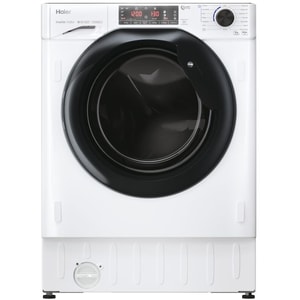
White • Wash Capacity: 9 kg • Maximum Spin Speed: 1600 rpm
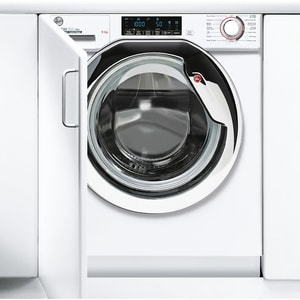
White • Wash Capacity: 9 kg • Maximum Spin Speed: 1600 rpm
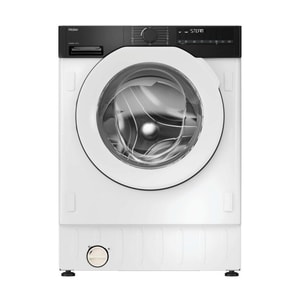
Colour: White • Wash Capacity: 9 kg • Maximum Spin Speed: 1600 rpm
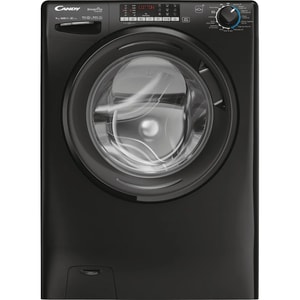
Colour: Black • Wash Capacity: 9 kg • Maximum Spin Speed: 1600 rpm
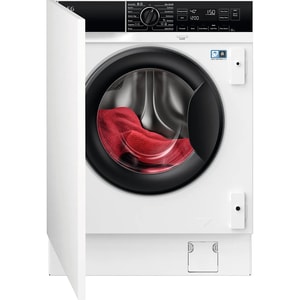
Colour: White • Wash Capacity: 8 kg • Maximum Spin Speed: 1600 rpm
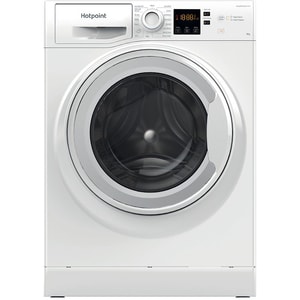
Colour: White • Wash Capacity: 8 kg • Maximum Spin Speed: 1600 rpm
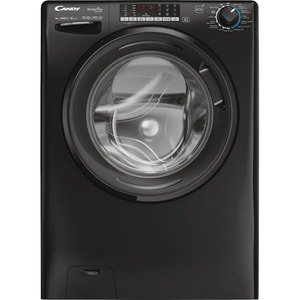
Colour: Black • Wash Capacity: 8 kg • Maximum Spin Speed: 1600 rpm
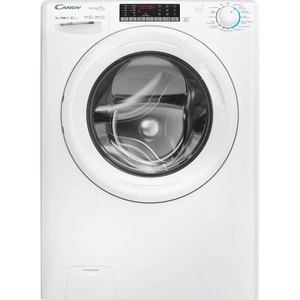
Colour: White • Wash Capacity: 8 kg • Maximum Spin Speed: 1600 rpm
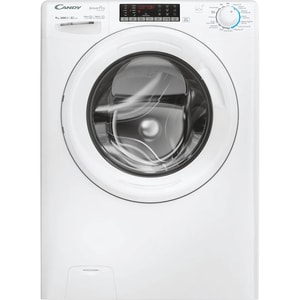
Colour: White • Wash Capacity: 9 kg • Maximum Spin Speed: 1600 rpm
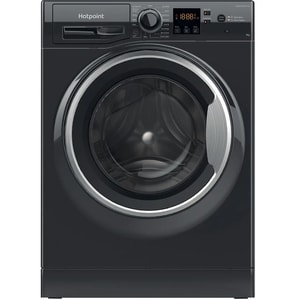
Colour: Black • Wash Capacity: 9 kg • Maximum Spin Speed: 1600 rpm
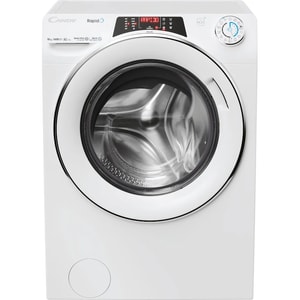
Colour: White • Wash Capacity: 10 kg • Maximum Spin Speed: 1600 rpm
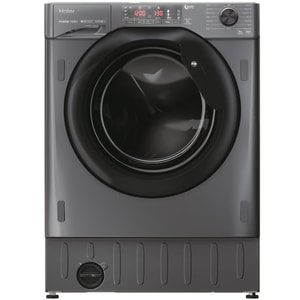
Anthracite • Wash Capacity: 9 kg • Maximum Spin Speed: 1600 rpm
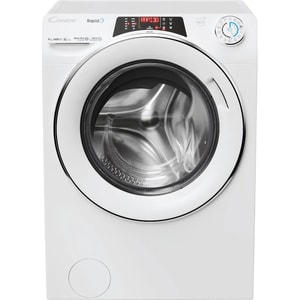
Colour: White • Wash Capacity: 9 kg • Maximum Spin Speed: 1600 rpm
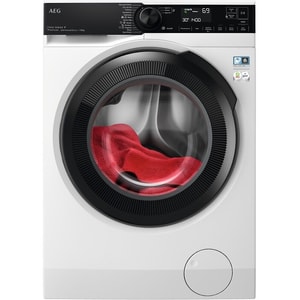
Colour: White • Wash Capacity: 10 kg • Maximum Spin Speed: 1600 rpm
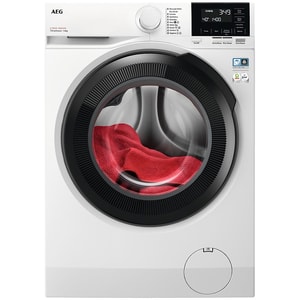
Colour: White • Wash Capacity: 8 kg • Maximum Spin Speed: 1600 rpm
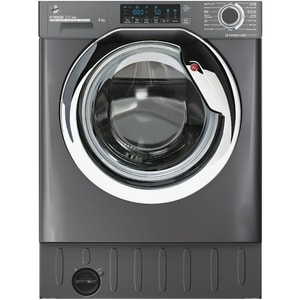
Anthracite • Wash Capacity: 9 kg • Maximum Spin Speed: 1600 rpm
Not fixed on 1600 rpm? Compare prices and deals across UK retailers in the complete washing machines category.
Is a 1600 spin washing machine actually worth it?
The honest answer is: it depends on how you dry. If a tumble dryer runs most weeks, a 1600 rpm final spin shortens every dryer cycle that follows, which trims energy use across the year. If laundry mostly goes on an airer indoors, 1600 rpm cuts the drip and the damp-room feel because fabrics come out closer to towel-dry. For households that line-dry outside in summer and barely use a dryer, 1400 rpm is usually enough and will crease less. Read More...
Which capacity fits your household?
Capacity is rated by dry weight, and the right number depends on how often you wash and how bulky the typical load is. As a rule of thumb, a single duvet load needs at least 8 kg, a king-size duvet sits more comfortably in 9 kg, and frequent towel, bedding or pet-bed washes are easier in 10 kg. Bigger drums also rinse and spin more evenly because clothes have room to move freely.
8 kg for couples and small households
An 8 kg 1600 spin machine handles everyday loads for one or two people, with enough headroom for a duvet cover or a load of towels without a separate trip to the launderette. It is the sensible pick when laundry is frequent but rarely huge.
9 kg as the family all-rounder
A 9 kg drum is the most common size on this set and the easiest match for a family of three or four. It swallows a king-size duvet, school kit and towels in fewer cycles, which means fewer spins and less water and energy across a week.
10 kg for big loads and bedding
A 10 kg drum earns its keep if bedding, sportswear or pet bedding go through the wash often. Larger drums also let clothes tumble more freely, which improves rinsing and helps the final spin extract water evenly.
Freestanding or integrated, and what changes?
Freestanding models give you the widest choice and the simplest swap-in if an old machine fails. Most sit at roughly 85 cm tall and 60 cm wide, with depth varying once hoses are fitted. Integrated 1600 rpm models are designed to sit behind a matching kitchen door, so check door hinge side, plinth height and ventilation gaps against the manufacturer spec sheet before ordering. If a kitchen is being refitted, integrated keeps sightlines clean. If not, freestanding is faster and usually cheaper.
Features that actually change daily laundry
Spec sheets pile on programmes and modes, but only a handful of features genuinely shift how laundry feels week to week. The ones below are worth weighing against price, because they affect drying time, rinse quality, noise and how often the machine actually gets used on its smarter cycles rather than the same default wash.
Spin efficiency class
The energy label includes a spin-drying class from A to G. Two machines can both hit 1600 rpm but leave different amounts of water behind, so the spin class is the truer comparison.
Load balancing and motor type
Inverter and brushless motors are smoother at top spin and usually quieter. Automatic load-balancing redistributes a tangled load so the drum can safely reach full speed instead of slowing down and timing out.
Programmes worth having
A 20 to 30 minute quick wash, a dedicated bedding or duvet cycle, wool and delicates, and an eco option cover most real households. Anything beyond that is a bonus rather than a must.
Steam, hygiene and auto dosing
Steam refresh and hygiene cycles help with odours, allergens and lightly worn items between full washes. Auto dosing measures detergent by load weight and soil level, which usually means cleaner rinses and fewer streaks on dark colours.
Colour, finish and noise considerations
White is the default and the easiest to match to existing appliances. Black and anthracite finishes work well in darker kitchens or utility rooms, and are increasingly common on 1600 rpm models. If the machine sits next to a living space or a bedroom wall, check the stated dB rating for the spin cycle, not just the wash, because spin is where high-rpm machines get loud.
Frequently Asked Questions
If a tumble dryer runs most weeks, yes. The faster final spin pulls more water out, so the dryer runs shorter cycles and uses less electricity over a year. For mainly outdoor line-drying, the saving is smaller and a 1400 rpm machine is usually enough.
Roughly 5 to 10 percent less residual moisture, depending on fabric type and the machine's spin-drying class. The difference is most noticeable on towels, jeans and bedding, which is where high-spin machines pay you back fastest.
Yes. Wool, silk and delicate programmes cap the spin automatically to protect fibres, often at 400 to 800 rpm. The 1600 rpm headline figure only applies to cottons and synthetics cycles where fabrics can take it.
A 9 kg drum is the usual sweet spot for four people. It clears a king-size duvet cover, school uniform and towels in fewer cycles than 8 kg, without the bulk and price step-up of a 10 kg machine. Step up to 10 kg if bedding or sportswear loads are frequent.
The motor and drum noise is the same as a freestanding equivalent, but a fitted kitchen door can muffle perceived sound. Look for inverter motors, anti-vibration side panels and a low spin dB figure if the machine sits near a living room or bedroom wall.
It can if it is not levelled correctly or if transit bolts are still in. Reach the rated spin only matters once the four feet are levelled, the load is balanced and the floor is firm. Anti-vibration designs and automatic load-balancing reduce movement on suspended floors.
Target an A or B energy class on the current label, paired with a strong spin-drying class. Two machines can both spin at 1600 rpm and leave different amounts of water behind, so the spin-drying class is often the more honest comparison than the headline rpm.
Eight to twelve years is a fair expectation with sensible loading, regular filter cleans and the occasional maintenance wash. Inverter motors and stainless drums usually outlast older brushed-motor designs, and a longer manufacturer warranty is a useful signal of build confidence.