
9kg Washing Machines

A 9kg washer suits households running larger or more frequent loads, from king-size bedding to muddy school kit. You'll find freestanding and integrated builds, spin speeds from 1200 to 1600 rpm, and finishes in white, black, graphite and silver across the brands UK shoppers know.
- Relevance
- Price: Low - High
- Price: High - Low
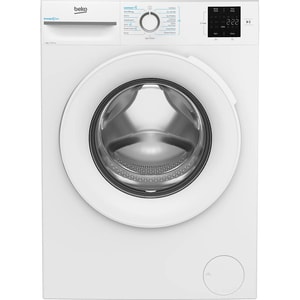
White • Wash Capacity: 9 kg • Maximum Spin Speed: 1400 rpm
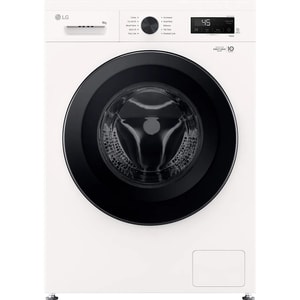
White • Wash Capacity: 9 kg • Maximum Spin Speed: 1400 rpm
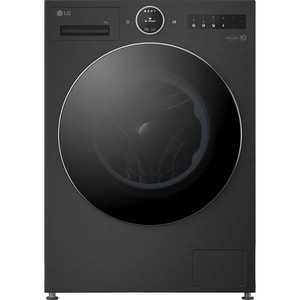
Black • Wash Capacity: 9 kg • Maximum Spin Speed: 1400 rpm
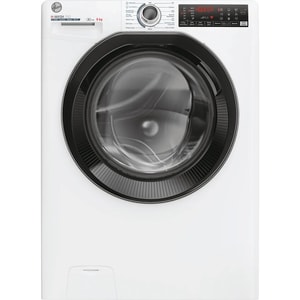
White • Wash Capacity: 9 kg • Maximum Spin Speed: 1400 rpm
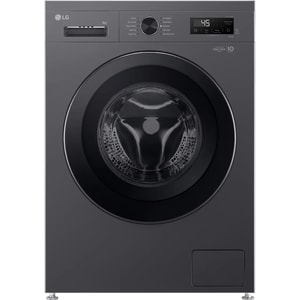
Slate Grey • Wash Capacity: 9 kg • Maximum Spin Speed: 1400 rpm
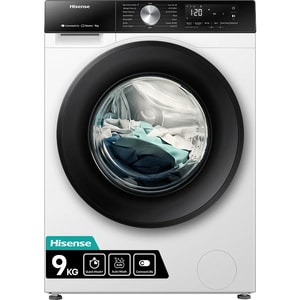
White • Wash Capacity: 9 kg • Maximum Spin Speed: 1400 rpm
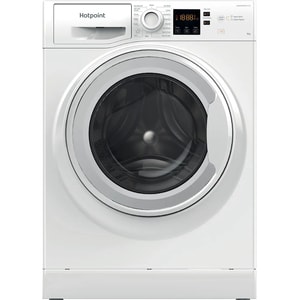
White • Wash Capacity: 9 kg • Maximum Spin Speed: 1400 rpm
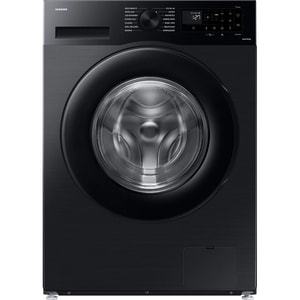
Black • Wash Capacity: 9 kg • Maximum Spin Speed: 1400 rpm
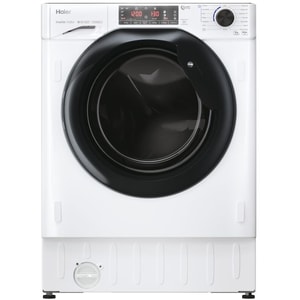
White • Wash Capacity: 9 kg • Maximum Spin Speed: 1600 rpm
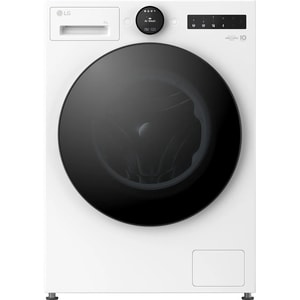
White • Wash Capacity: 9 kg • Maximum Spin Speed: 1400 rpm
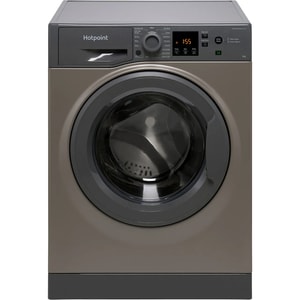
Graphite • Wash Capacity: 9 kg • Maximum Spin Speed: 1400 rpm
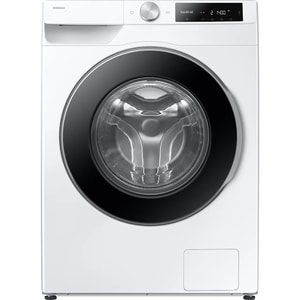
White • Wash Capacity: 9 kg • Maximum Spin Speed: 1400 rpm
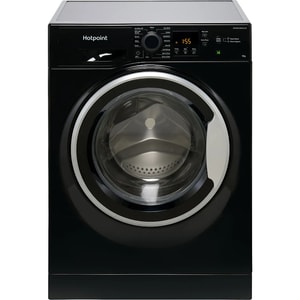
Black • Wash Capacity: 9 kg • Maximum Spin Speed: 1400 rpm
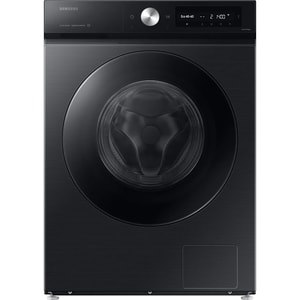
Black • Wash Capacity: 9 kg • Maximum Spin Speed: 1400 rpm
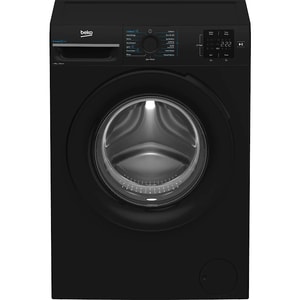
Black • Wash Capacity: 9 kg • Maximum Spin Speed: 1400 rpm
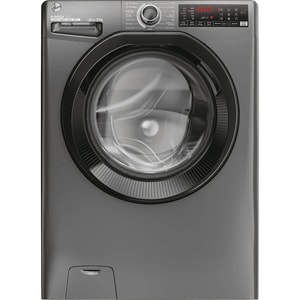
Graphite • Wash Capacity: 9 kg • Maximum Spin Speed: 1400 rpm
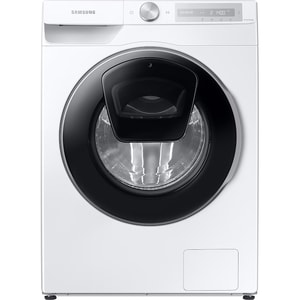
White • Wash Capacity: 9 kg • Maximum Spin Speed: 1400 rpm
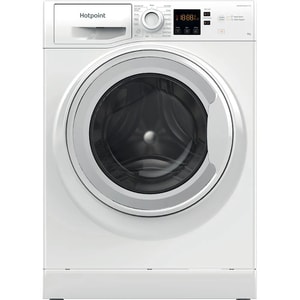
White • Wash Capacity: 9 kg • Maximum Spin Speed: 1400 rpm
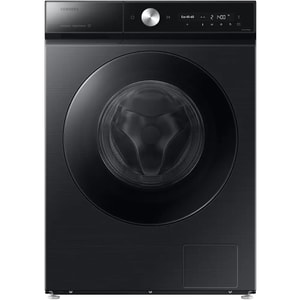
Black • Wash Capacity: 9 kg • Maximum Spin Speed: 1400 rpm
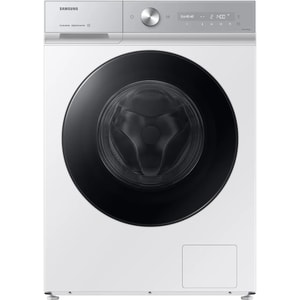
White • Wash Capacity: 9 kg • Maximum Spin Speed: 1400 rpm
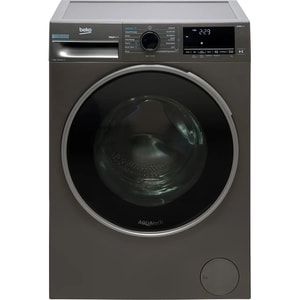
Graphite • Wash Capacity: 9 kg • Maximum Spin Speed: 1400 rpm
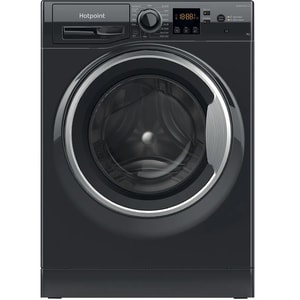
Black • Wash Capacity: 9 kg • Maximum Spin Speed: 1400 rpm
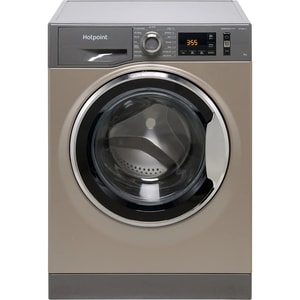
Graphite • Wash Capacity: 9 kg • Maximum Spin Speed: 1400 rpm
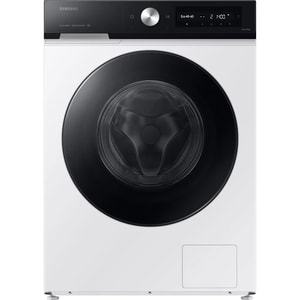
White • Wash Capacity: 9 kg • Maximum Spin Speed: 1400 rpm
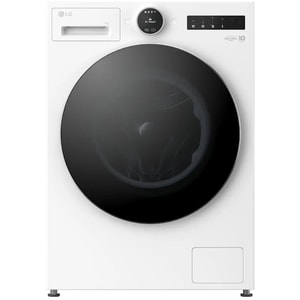
White • Wash Capacity: 9 kg • Maximum Spin Speed: 1400 rpm
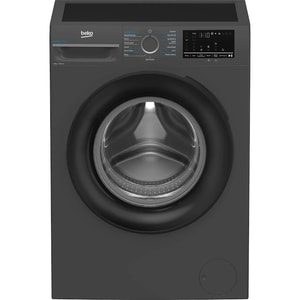
Colour: Anthracite • Wash Capacity: 9 kg • Maximum Spin Speed: 1400 rpm
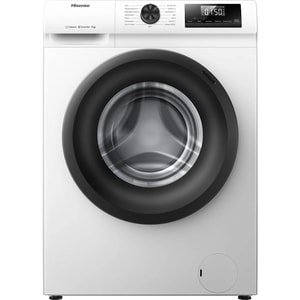
Colour: White • Wash Capacity: 9 kg • Maximum Spin Speed: 1400 rpm
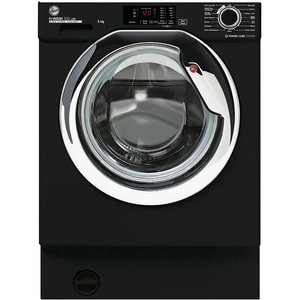
Colour: Black • Wash Capacity: 9 kg • Maximum Spin Speed: 1400 rpm
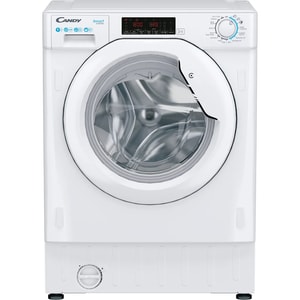
Colour: White • Wash Capacity: 9 kg • Maximum Spin Speed: 1400 rpm
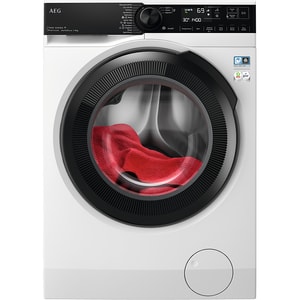
Colour: White • Wash Capacity: 9 kg • Maximum Spin Speed: 1400 rpm
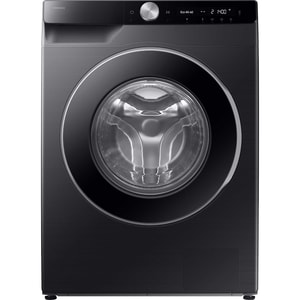
Colour: Black • Wash Capacity: 9 kg • Maximum Spin Speed: 1400 rpm
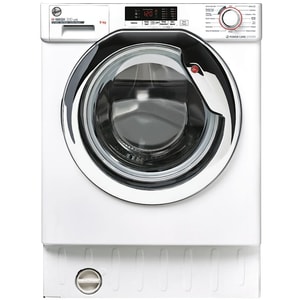
Colour: White • Wash Capacity: 9 kg • Maximum Spin Speed: 1400 rpm
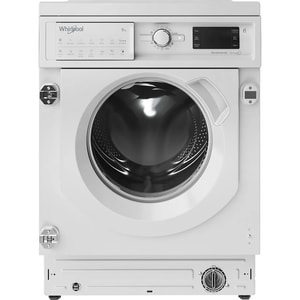
Colour: White • Wash Capacity: 9 kg • Maximum Spin Speed: 1400 rpm
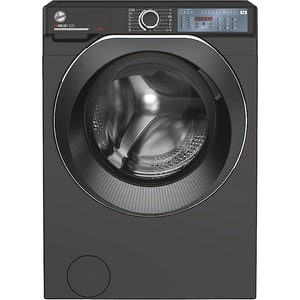
Colour: Graphite • Wash Capacity: 9 kg • Maximum Spin Speed: 1400 rpm
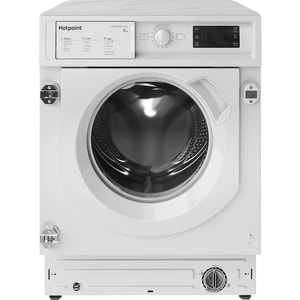
Colour: White • Wash Capacity: 9 kg • Maximum Spin Speed: 1400 rpm
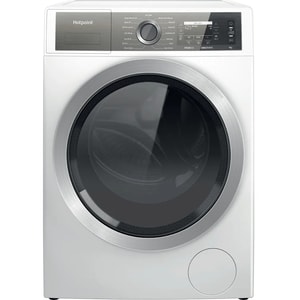
Colour: White • Wash Capacity: 9 kg • Maximum Spin Speed: 1400 rpm
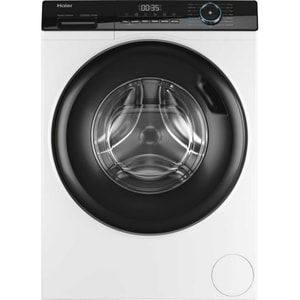
Colour: White • Wash Capacity: 9 kg • Maximum Spin Speed: 1400 rpm
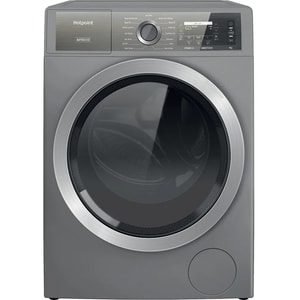
Colour: Silver • Wash Capacity: 9 kg • Maximum Spin Speed: 1400 rpm
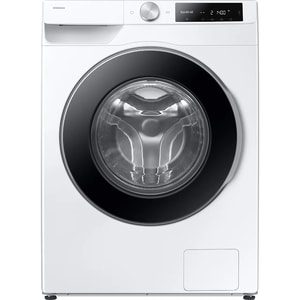
Colour: White • Wash Capacity: 9 kg • Maximum Spin Speed: 1400 rpm
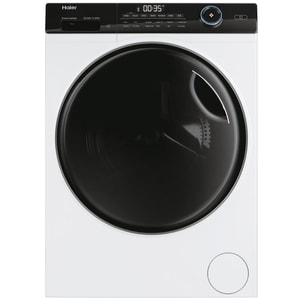
Colour: White • Wash Capacity: 9 kg • Maximum Spin Speed: 1400 rpm
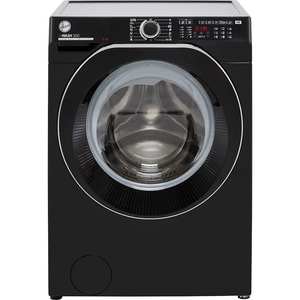
Colour: Black • Wash Capacity: 9 kg • Maximum Spin Speed: 1400 rpm
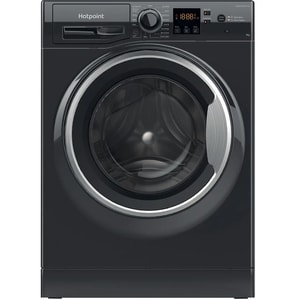
Colour: Black • Wash Capacity: 9 kg • Maximum Spin Speed: 1600 rpm
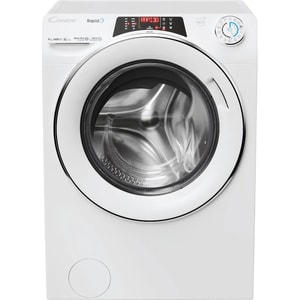
Colour: White • Wash Capacity: 9 kg • Maximum Spin Speed: 1600 rpm
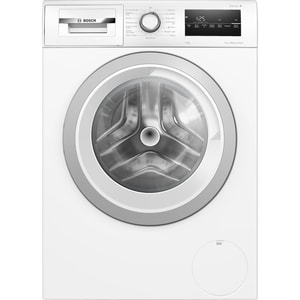
Colour: White • Wash Capacity: 9 kg • Maximum Spin Speed: 1400 rpm
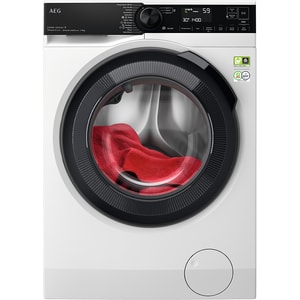
Colour: White • Wash Capacity: 9 kg • Maximum Spin Speed: 1400 rpm
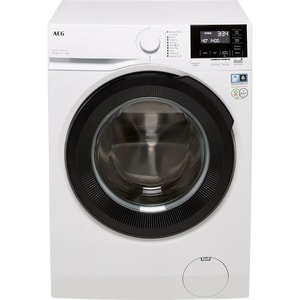
Colour: White • Wash Capacity: 9 kg • Maximum Spin Speed: 1400 rpm
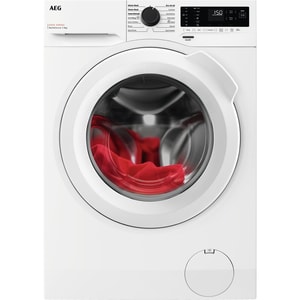
Colour: White • Wash Capacity: 9 kg • Maximum Spin Speed: 1400 rpm
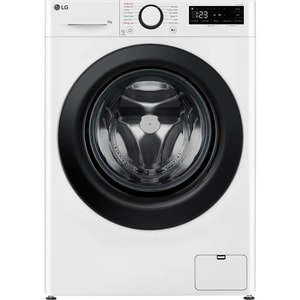
Colour: White • Wash Capacity: 9 kg • Maximum Spin Speed: 1200 rpm
Check Our Full Range Of Washing Machines Washing Machines
Is 9kg the right capacity for your household?
Nine kilos is the dry-cotton load the drum is rated for, not the weight you'll wash every cycle. As a rule of thumb, it suits four to five people or any home that regularly washes duvets, towels and sports kit together. Couples who run frequent bedding or pet-bedding washes also lean this way rather than dropping to 8kg, because fewer, fuller cycles are typically gentler on the machine and cheaper to run over a year. Read More...
Will a bigger drum push up your bills?
Not in the way people assume. Modern washers weigh the load and adjust water and time to suit, so a half-full 9kg drum doesn't use 9kg's worth of water. The energy and water gains come from consolidating two smaller washes into one, which is exactly the use case a 9kg washing machine is built for.
What spin speed actually matters for the way you dry?
Spin speed is the lever that decides how wet your laundry is when it comes out. 1200 rpm is fine if you line-dry and aren't in a hurry. 1400 rpm is the sensible default for most UK homes, balancing extraction with fabric care. 1600 rpm is worth paying for if you tumble-dry often, because drier loads mean shorter dryer cycles and lower running costs.
Does higher spin damage clothes?
Not at sensible speeds, no. The faster setting is for cottons and towels. Delicates, wool and synthetics drop to lower speeds automatically on a decent programme, so you don't have to babysit it.
Freestanding or integrated, which build suits you?
Freestanding is the default in UK homes and gives you the widest pick of brands, colours and spin speeds. Integrated 9kg washing machines are rarer because the drum size pushes against standard joinery limits, so the choice is narrower and prices typically run higher. If you're matching a fitted utility or a streamlined kitchen and you want the door front to disappear behind a panel, integrated is the way. Otherwise, freestanding gives you better value and more flexibility if you ever move.
Which features earn their keep, and which don't?
Steam and hygiene cycles are genuinely useful if anyone in the home has sensitive skin, allergies or eczema, or if you wash a lot of baby clothes. Auto-dosing pays for itself slowly through detergent savings and cleaner rinses. Quick washes of 15 to 30 minutes are a daily-life essential, not a luxury. App control is nice if you run washes overnight on an off-peak tariff, less compelling if you don't.
Inverter motors, worth the premium?
Usually yes. Brushless inverter motors are quieter at high spin and tend to carry longer parts warranties, often ten years on the motor specifically. If the washer sits next to a living space or under a bedroom, the noise difference at 1400 to 1600 rpm is the bit you'll actually notice.
Which brands are worth knowing for 9kg?
Brands you'll typically see at 9kg include Hotpoint, Samsung, LG, Hoover, Beko, AEG, Bosch, Hisense, Haier, Candy and Whirlpool. Hotpoint and Beko tend to sit at the value end. Samsung and LG dominate mid-range with quieter motors and longer warranties. Bosch and AEG are the steadier German-engineered picks. Hisense, Haier and Candy compete hard on entry-level pricing.
Frequently Asked Questions
Not if you wash bedding, towels or sports kit alongside everyday clothes. A bigger drum lets you batch those bulky items into a single weekend wash rather than running multiple smaller cycles. If you genuinely only wash light loads mid-week, an 8kg model is the more efficient match, but most two-person homes use the headroom.
Around ten to fifteen percent more water spun out at 1600 rpm, which translates to roughly ten to twenty minutes shaved off a tumble-dryer cycle. If you line-dry, the difference is barely noticeable. If you dry indoors on an airer in winter, faster spin speeds help laundry dry without leaving a damp smell.
Mechanically they're usually built on the same chassis as the freestanding equivalent, so reliability is comparable. The trade-off is service access. If something fails, an engineer needs to remove the cabinet panel to get to the machine, which can mean a slightly longer repair visit. Choose a brand with a strong UK service network if you go integrated.
Industry averages sit at seven to eleven years for domestic washers. Brands with inverter motors and ten-year motor warranties typically last longer because the motor is the costliest failure point. Regular drum cleaning, descaling in hard-water areas and not overloading all extend lifespan more than people realise.
A is the strongest current rating under the rescaled EU label, and it's worth holding out for if you wash daily. B and C ratings can still be sensible if the machine has features that match how you wash, like a strong eco cycle or auto-dosing. Run cost over a decade is where the real difference shows.
No special plumbing. Standard cold-fill connection, standpipe drain and a 13-amp socket are enough. The floor matters more at high spin: a solid, level floor keeps a 1600 rpm spin steady, whereas a springy timber floor can amplify vibration. Levelling all four feet properly is the single most useful install step.
Yes, but pick carefully. Look for a stated noise figure under 72 dB at spin and an inverter motor. Schedule washes for daytime hours and avoid running 1600 rpm spins late at night. Anti-vibration feet and a level floor matter as much as the spec sheet here.
It earns its place if anyone in the home has allergies, asthma or sensitive skin, because the steam phase reduces dust mites and common allergens. It's also handy for refreshing lightly worn clothes without a full wash. If neither of those applies to you, it's a feature you'll rarely reach for.