
Integrated Washing Machines
An integrated washing machine sits behind a kitchen door so the laundry zone disappears into the run. Choosing one means weighing wash capacity, spin speed, energy class and noise against how often you wash, what you wash, and how thin the wall is between kitchen and living space.
- Relevance
- Price: Low - High
- Price: High - Low
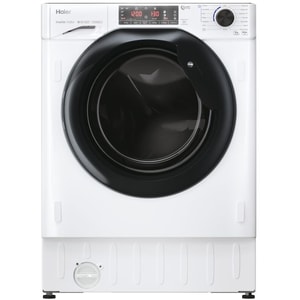
White • Wash Capacity: 9 kg • Maximum Spin Speed: 1600 rpm
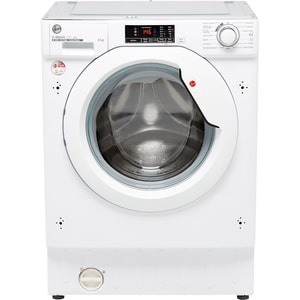
Colour: White • Wash Capacity: 8 kg • Maximum Spin Speed: 1400 rpm
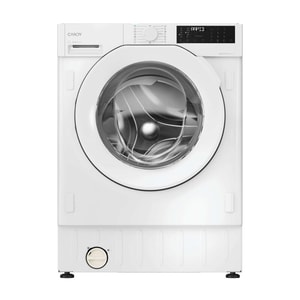
Colour: White • Wash Capacity: 9 kg • Maximum Spin Speed: 1400 rpm
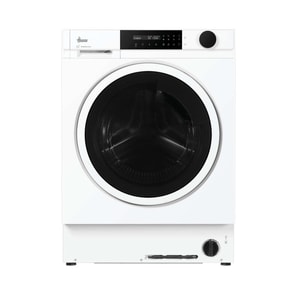
Colour: White • Wash Capacity: 10 kg • Maximum Spin Speed: 1400 rpm
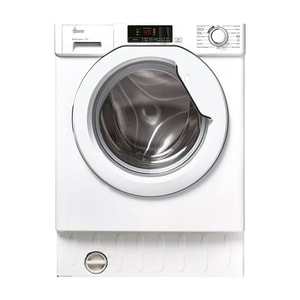
Colour: White • Wash Capacity: 9 kg • Maximum Spin Speed: 1400 rpm
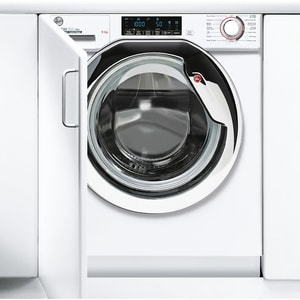
White • Wash Capacity: 9 kg • Maximum Spin Speed: 1600 rpm
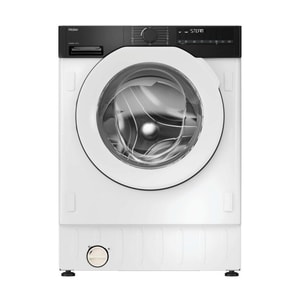
Colour: White • Wash Capacity: 9 kg • Maximum Spin Speed: 1600 rpm
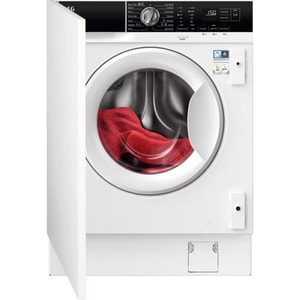
Colour: White • Wash Capacity: 7 kg • Maximum Spin Speed: 1400 rpm
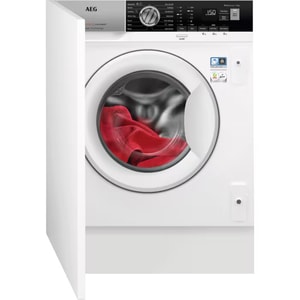
Colour: White • Wash Capacity: 7 kg • Maximum Spin Speed: 1200 rpm
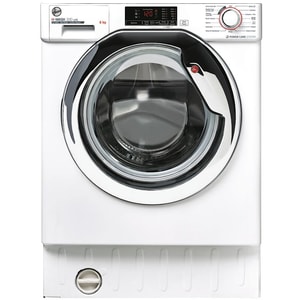
Colour: White • Wash Capacity: 8 kg • Maximum Spin Speed: 1400 rpm
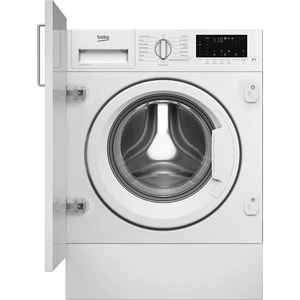
Colour: White • Wash Capacity: 8 kg • Maximum Spin Speed: 1400 rpm
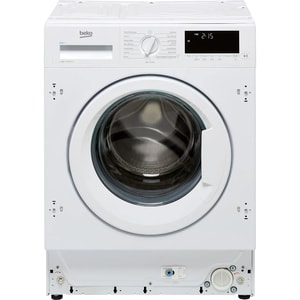
Colour: White • Wash Capacity: 9 kg • Maximum Spin Speed: 1400 rpm
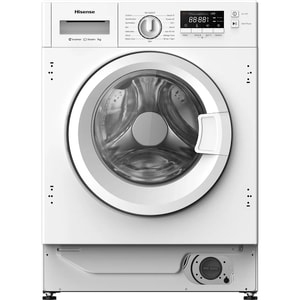
Colour: White • Wash Capacity: 7 kg • Maximum Spin Speed: 1400 rpm
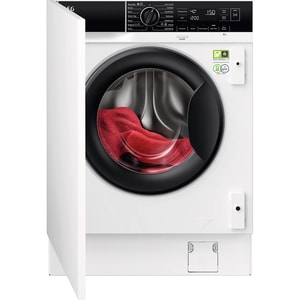
Colour: White • Wash Capacity: 8 kg • Maximum Spin Speed: 1400 rpm
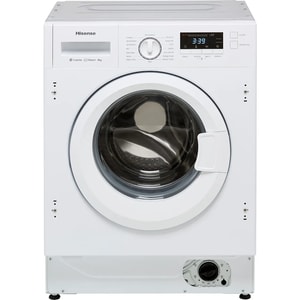
Colour: White • Wash Capacity: 8 kg • Maximum Spin Speed: 1400 rpm
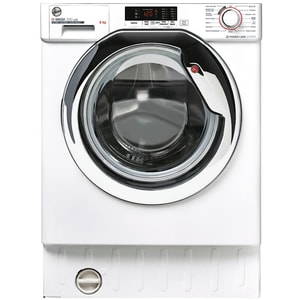
Colour: White • Wash Capacity: 8 kg • Maximum Spin Speed: 1400 rpm
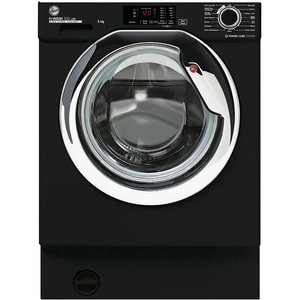
Colour: Black • Wash Capacity: 9 kg • Maximum Spin Speed: 1400 rpm
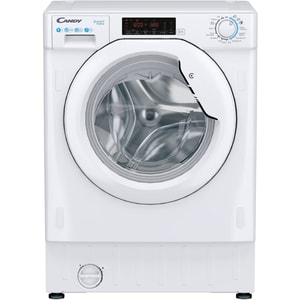
Colour: White • Wash Capacity: 9 kg • Maximum Spin Speed: 1400 rpm
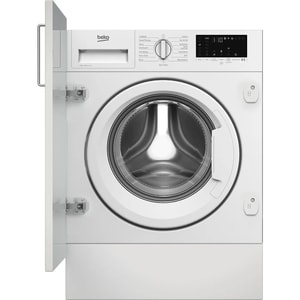
Colour: White • Wash Capacity: 7 kg • Maximum Spin Speed: 1200 rpm
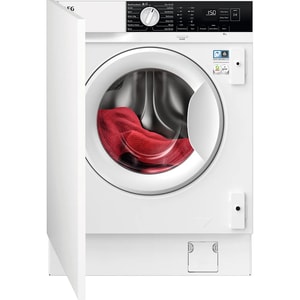
Colour: White • Wash Capacity: 8 kg • Maximum Spin Speed: 1400 rpm
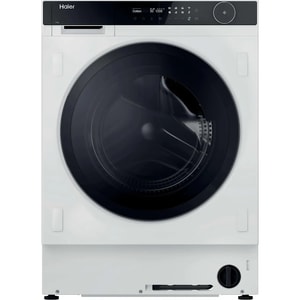
Colour: White • Wash Capacity: 10 kg • Maximum Spin Speed: 1400 rpm
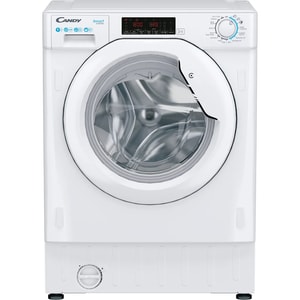
Colour: White • Wash Capacity: 9 kg • Maximum Spin Speed: 1400 rpm
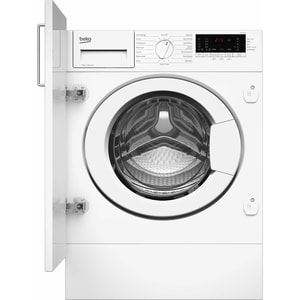
Colour: White • Wash Capacity: 7 kg • Maximum Spin Speed: 1200 rpm
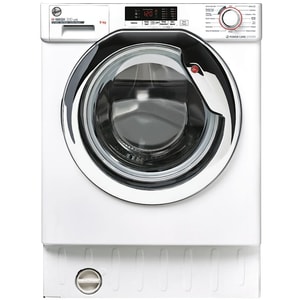
Colour: White • Wash Capacity: 9 kg • Maximum Spin Speed: 1400 rpm
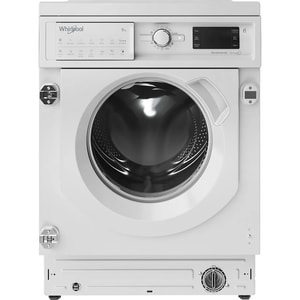
Colour: White • Wash Capacity: 9 kg • Maximum Spin Speed: 1400 rpm
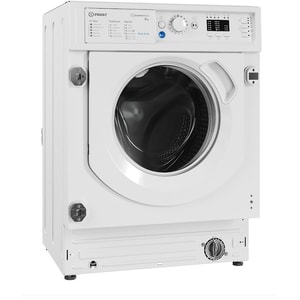
Colour: White • Wash Capacity: 8 kg • Maximum Spin Speed: 1200 rpm
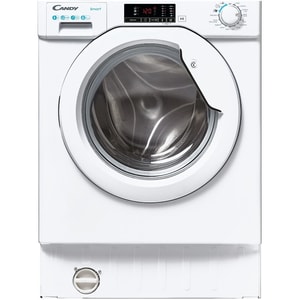
Colour: White • Wash Capacity: 8 kg • Maximum Spin Speed: 1400 rpm
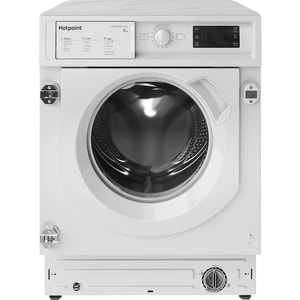
Colour: White • Wash Capacity: 9 kg • Maximum Spin Speed: 1400 rpm
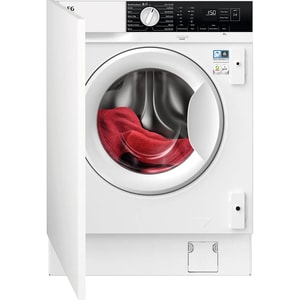
Colour: White • Wash Capacity: 7 kg • Maximum Spin Speed: 1400 rpm
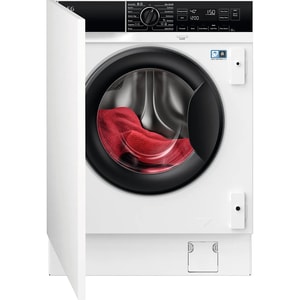
Colour: White • Wash Capacity: 8 kg • Maximum Spin Speed: 1600 rpm
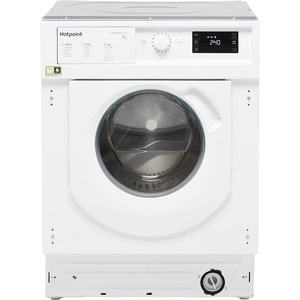
Colour: White • Wash Capacity: 7 kg • Maximum Spin Speed: 1400 rpm

Colour: White • Wash Capacity: 9 kg • Maximum Spin Speed: 1400 rpm
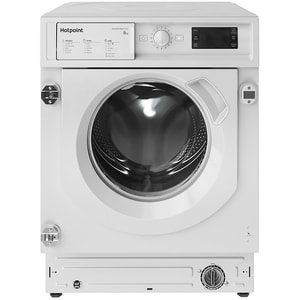
Colour: White • Wash Capacity: 8 kg • Maximum Spin Speed: 1400 rpm
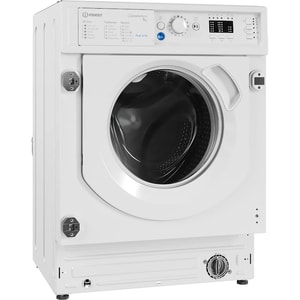
Colour: White • Wash Capacity: 9 kg • Maximum Spin Speed: 1400 rpm

Colour: White • Wash Capacity: 9 kg • Maximum Spin Speed: 1400 rpm
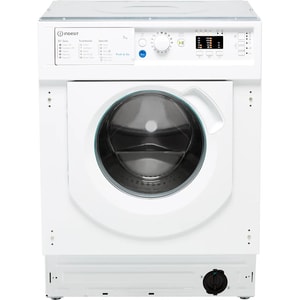
Colour: White • Wash Capacity: 7 kg • Maximum Spin Speed: 1200 rpm
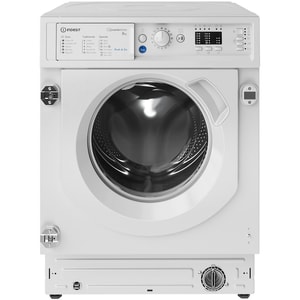
Colour: White • Wash Capacity: 8 kg • Maximum Spin Speed: 1400 rpm
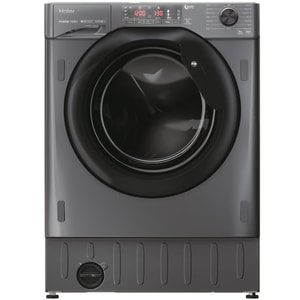
Anthracite • Wash Capacity: 9 kg • Maximum Spin Speed: 1600 rpm
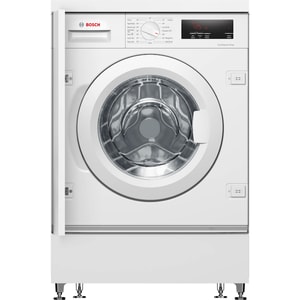
Colour: White • Wash Capacity: 8 kg • Maximum Spin Speed: 1400 rpm
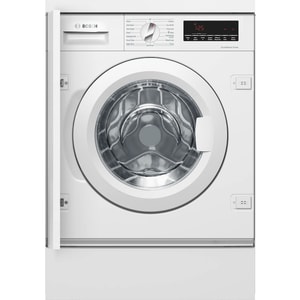
Colour: White • Wash Capacity: 8 kg • Maximum Spin Speed: 1400 rpm
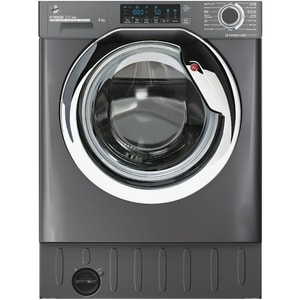
Anthracite • Wash Capacity: 9 kg • Maximum Spin Speed: 1600 rpm
How to choose an integrated washing machine that earns its keep
Integrated machines all share a 60 cm width and a fixed door hinge, so the meaningful differences come from how they wash, how dry the laundry comes out, and how quietly they do it. Most shoppers land on the same three trade-offs: capacity against household size, spin speed against tumble drying time, and energy class against running cost over a ten-year lifespan. Read More...
What capacity actually fits your laundry pile
A 7 kg drum suits one or two people washing two or three loads a week. An 8 kg drum is the comfortable middle ground for a family of three or four and handles a double duvet at a push. A 9 kg drum is the sweet spot for busy households, kids' kit, towels and bedding in one go. A 10 kg drum is built for larger families or anyone who'd rather wash less often. Going bigger than you need wastes water and energy on every cycle, so match the drum to your actual weekly load, not your worst-case Sunday.
Spin speed, drying time and the noise trade-off
Spin speed is measured in rpm and dictates how much water the machine flings out before clothes hit the airer or tumble dryer. 1200 rpm is fine for delicates and works if you line dry. 1400 rpm is the standard most shoppers should default to, balancing dryness with wear on fabrics. 1600 rpm pulls extra moisture out, useful if you tumble dry, but it can be louder and harder on lighter garments. If a machine sits the other side of a wall from a sofa or bed, look for models that publish wash and spin decibel ratings and stay under 75 dB on spin.
Energy class, A rated and what it means for bills
The current EU/UK label runs from A (most efficient) to G. An A-rated integrated washing machine uses noticeably less electricity per cycle than a B or C, and the gap pays back over years rather than months. If you wash daily, prioritise A or B. If the machine is for a second home or light use, a C-rated unit at a lower upfront price can make sense. Look at the litres-per-cycle figure too, water bills add up faster than people expect.
Which brands are worth knowing
Bosch and AEG sit at the premium end with quieter motors, longer warranties and more wash programmes. Hotpoint, Beko, Indesit, Whirlpool, Hisense and Haier cover the practical middle, reliable cycles, sensible capacities, fair prices. Hoover and Candy lead on value, with strong 9 kg options for households that want capacity without stretching the budget. Colour is almost always white behind the door, with the occasional anthracite or black finish if the door panel is glass-fronted.
Frequently Asked Questions
A fully integrated washing machine takes a full-height kitchen door panel, hiding the controls behind the door when closed. A semi-integrated model leaves the control panel exposed at the top with a shorter decor panel below. Fully integrated is the cleaner look most fitted kitchens go for, semi-integrated makes programme selection slightly easier without opening a cupboard.
Often, yes, but not because the machine is fundamentally different. The surrounding cabinetry and door panel absorb vibration and muffle the spin cycle, so the same drum and motor will sound quieter once installed. The bigger factor is the machine's own dB rating on spin, anything under 73 dB is genuinely quiet, 76 dB and up will be noticeable in an open-plan room.
If the cold feed, waste pipe and a switched socket are already in place behind the cabinet, a competent DIYer can swap a like-for-like machine. New installs, or moves to a different cabinet, usually want a plumber or fitted-kitchen installer, mainly to get the door panel hinges aligned so the cupboard opens and closes properly with the drum's weight.
Plan for eight to ten years of regular use from a mid-range machine, longer from premium brands with better bearings and motors. Direct-drive and inverter motors tend to outlast belt-driven ones. Running a monthly hot maintenance wash and leaving the door ajar between loads adds years by stopping mould and limescale build-up.
Only if you tumble dry most loads. The extra 200 rpm pulls out enough water to shave roughly ten to fifteen minutes off a typical drying cycle, which adds up on energy bills if the dryer runs three or four times a week. If you line dry or air dry, 1400 rpm is plenty and treats fabrics more gently.
At average UK electricity and water rates, an A-rated 9 kg integrated washing machine running 220 cycles a year costs roughly £35 to £55 to run annually, including water. A C-rated equivalent typically lands £20 to £30 higher over the same year. Over a ten-year lifespan that gap is significant, often more than the price difference at purchase.
Yes, and it's a common UK fitted-kitchen layout. Two integrated appliances side by side with matching door panels keep the kitchen looking unbroken. The dryer needs its own ventilation if it's vented rather than condenser, and condenser models work in any cabinet with airflow at the back. They don't share plumbing, so you'll want a fitter to plan the run before installing.
For daily-use households, yes. The premium over a B or C rated equivalent typically pays back within three to four years on energy and water savings, and the better-rated machines usually come with more sensitive load-sensing too, so you're not heating water for half-empty drums.shing Machines