
Graphite Washing Machines
A graphite washing machine brings a darker, lower-maintenance front to the laundry run without changing how the appliance performs. The shade sits well next to stainless or black, hides everyday marks, and pairs with matching dryers when you want a coordinated finish.
- Relevance
- Price: Low - High
- Price: High - Low
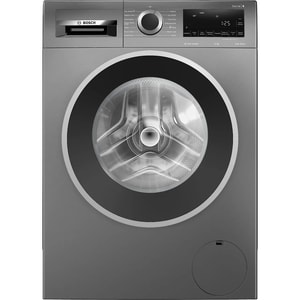
Graphite • Wash Capacity: 9 kg • Maximum Spin Speed: 1400 rpm
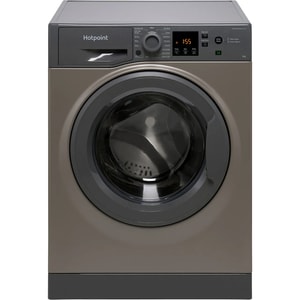
Graphite • Wash Capacity: 9 kg • Maximum Spin Speed: 1400 rpm
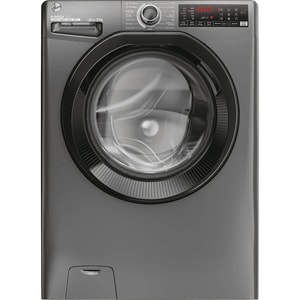
Graphite • Wash Capacity: 9 kg • Maximum Spin Speed: 1400 rpm
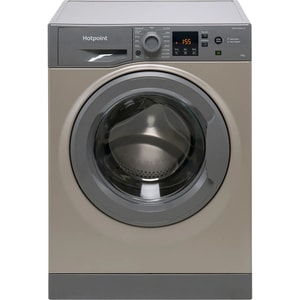
Graphite • Wash Capacity: 10 kg • Maximum Spin Speed: 1400 rpm
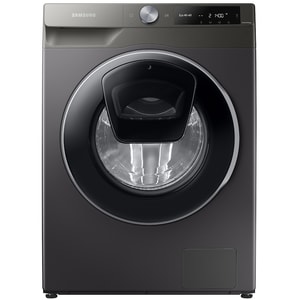
Graphite • Wash Capacity: 9 kg • Maximum Spin Speed: 1400 rpm
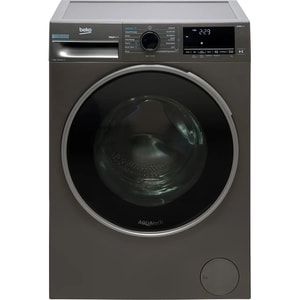
Graphite • Wash Capacity: 9 kg • Maximum Spin Speed: 1400 rpm
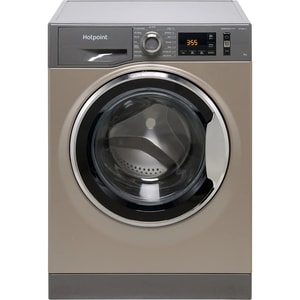
Graphite • Wash Capacity: 9 kg • Maximum Spin Speed: 1400 rpm
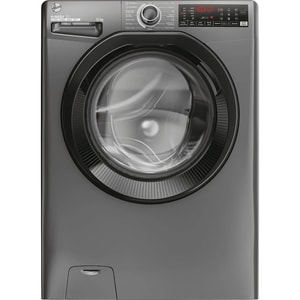
Graphite • Wash Capacity: 12 kg • Maximum Spin Speed: 1400 rpm
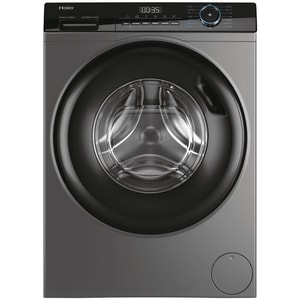
Graphite • Wash Capacity: 10 kg • Maximum Spin Speed: 1400 rpm
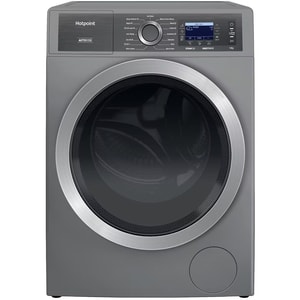
Colour: Silver • Wash Capacity: 10 kg • Maximum Spin Speed: 1400 rpm
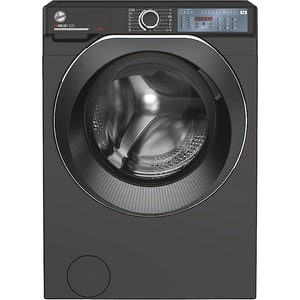
Colour: Graphite • Wash Capacity: 9 kg • Maximum Spin Speed: 1400 rpm
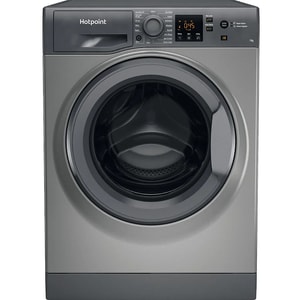
Colour: Graphite • Wash Capacity: 7 kg • Maximum Spin Speed: 1400 rpm
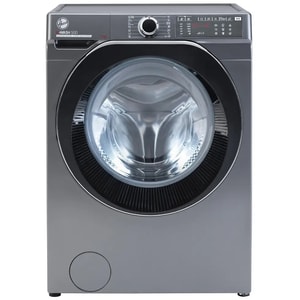
Colour: Graphite • Wash Capacity: 11 kg • Maximum Spin Speed: 1400 rpm
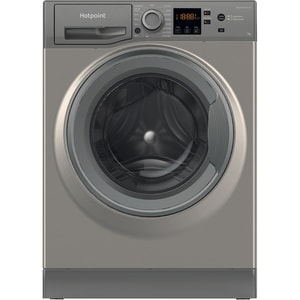
Colour: Graphite • Wash Capacity: 7 kg • Maximum Spin Speed: 1400 rpm
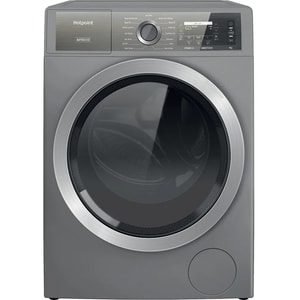
Colour: Silver • Wash Capacity: 9 kg • Maximum Spin Speed: 1400 rpm
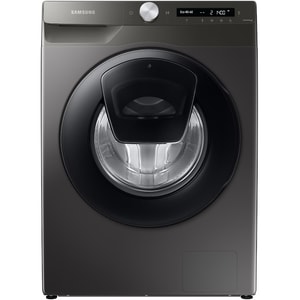
Colour: Graphite • Wash Capacity: 9 kg • Maximum Spin Speed: 1400 rpm
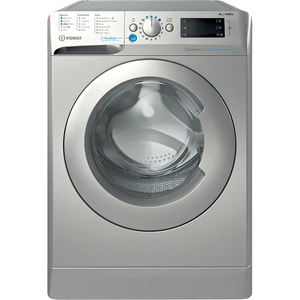
Silver • Wash Capacity: 8 kg • Maximum Spin Speed: 1400 rpm
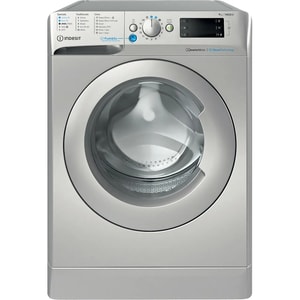
Silver • Wash Capacity: 9 kg • Maximum Spin Speed: 1400 rpm
How to choose a graphite washing machine that earns its place
Graphite is a finish decision, but the washer underneath still has to suit how your household actually does laundry. Capacity, spin speed, programme mix and noise matter more day to day than the shade of the door. Get those right and the colour is a bonus. Read More...
Which capacity actually fits your weekly load
Pick capacity from how you wash, not the highest number on the spec sheet. A 7 kg drum suits a couple or a small flat doing two or three loads a week. 8 kg to 9 kg is the sweet spot for most families and handles mixed cottons, school uniform and a duvet cover without strain. 10 kg, 11 kg and 12 kg drums earn their keep for larger households, sports kit, bedding and pet bedding because fewer cycles means lower lifetime energy use. A well-filled drum also cleans better, so oversizing for a one-person home is rarely worth it.
Is 1400 rpm spin enough
For UK homes, yes. 1400 rpm pulls enough moisture out for a quick line dry or a short tumble afterwards, and every graphite washer in this set spins to that speed. Higher figures look impressive on paper but bring more vibration and noise on suspended floors, and the real-world drying gain is small once you hit 1400. If you dry mostly indoors on airers, focus on a strong rinse and an eco cycle that finishes with a brisk spin instead of chasing rpm.
Which brand should you actually consider
Brands you'll typically see in graphite include Hotpoint, Samsung, Bosch, Hoover, Beko, Indesit and Haier. Hotpoint runs deep through the mid-price end with NatisSteam and Anti Stain options. Samsung's EcoBubble pre-mixes detergent for cooler, kinder washes and the AddWash door is handy for forgotten socks. Bosch leans on quieter EcoSilence motors and longer warranties when you register. Hoover and Indesit cover sensible everyday spec at the lower end of the price ladder, while Beko and Haier sit in the middle with strong energy ratings.
Features worth paying more for
Auto dosing meters detergent by load and soil so you stop overdosing in hard-water areas. Steam and hygiene cycles relax fibres, knock back odours and sanitise towels and babywear. Allergy or extra-rinse modes are genuinely useful for sensitive skin. App control is convenient if you start washes on a timer. Inverter motors run smoother, last longer and tend to be quieter at full spin. Energy class A is the current top band and most graphite models stocked sit there, which keeps running costs in check.
Energy ratings and running costs
Energy labels were rescaled in 2021, so a modern A is genuinely efficient and a C or D is markedly thirstier on power and water. Look at the kWh per 100 cycles figure on the label rather than the letter alone, especially if the household runs four or more washes a week. Eco 40-60 is the cycle the label is measured against, so it is usually the cheapest to run for lightly to moderately soiled mixed loads.
Keeping the graphite finish looking new
Brushed and satin graphite hides fingerprints far better than gloss white, but the door handle area still picks up oils. A weekly wipe with a soft damp cloth and a drop of washing-up liquid is plenty. Skip abrasive pads and bleach sprays because they can haze the lacquer. Leave the door and detergent drawer ajar between washes to keep the drum and seal smelling fresh, and run a 90 °C maintenance wash once a month.
Frequently Asked Questions
A 9 kg drum handles a typical family week including towels and a duvet cover. Step up to 10 kg or 11 kg if you wash bedding, sports kit or pet bedding regularly, because fewer larger cycles use less energy overall than several smaller ones.
In appliance marketing, graphite is a darker, slightly cooler grey, often with a subtle brushed or satin texture. Plain "grey" tends to mean a lighter mid-tone. If you want a finish that reads as charcoal next to stainless steel, graphite is the closer match.
A baked-on coloured finish is stable under normal kitchen conditions and will not yellow the way some white plastics can. Direct, prolonged sunlight on one side of the door can shift any colour eventually, so a small gap from a sun-facing window helps.
Not really. 1400 rpm leaves clothes ready for an airer or a short tumble, which is why most graphite washers settle there. A strong final spin on a properly balanced load matters more than the headline rpm number.
Anything under 75 dB on spin is comfortable in an open-plan space, and under 50 dB on wash means you can still hold a conversation. Inverter motors and a level floor make a bigger difference than a single decibel figure on the label.
It can work, but a graphite-and-white pairing reads as deliberate rather than matched. If you want a coordinated laundry run, look for a tumble dryer in the same finish from the same brand, since handle shapes and door radii usually line up too.
EcoBubble mixes detergent with air and water before it reaches the drum, so it dissolves and penetrates fabrics at lower temperatures. In practice it lets a 20 °C or 30 °C wash perform closer to a 40 °C, which saves energy on lightly soiled loads.
Eight to twelve years is a fair expectation for a mid-price model used four or five times a week. Brushless inverter motors, accessible filters and brands with a strong UK parts network tend to push that towards the longer end.