
LG Washing Machines

LG washing machines suit households that want quiet running, big capacity options and a clean look in white, black or grey finishes. The line covers everyday 8 kg drums through to 13 kg family machines, all freestanding and front-loading, so the choice usually comes down to load size, spin speed and colour.
- Relevance
- Price: Low - High
- Price: High - Low
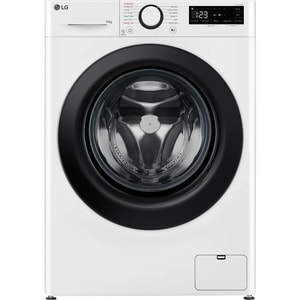
White • Wash Capacity: 10 kg • Maximum Spin Speed: 1400 rpm
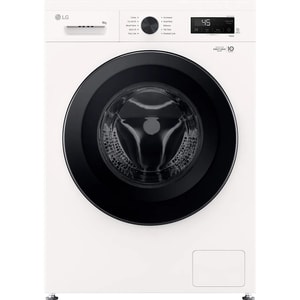
White • Wash Capacity: 9 kg • Maximum Spin Speed: 1400 rpm
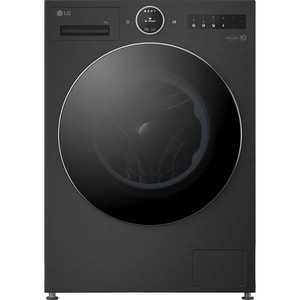
Black • Wash Capacity: 9 kg • Maximum Spin Speed: 1400 rpm
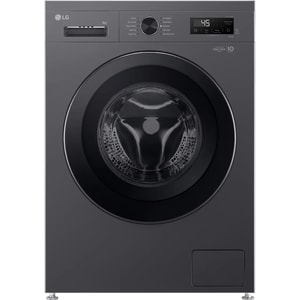
Slate Grey • Wash Capacity: 9 kg • Maximum Spin Speed: 1400 rpm
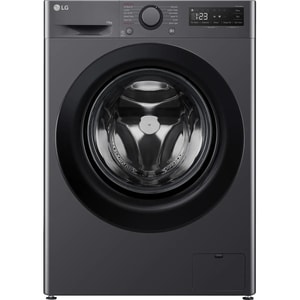
Slate Grey • Wash Capacity: 10 kg • Maximum Spin Speed: 1400 rpm
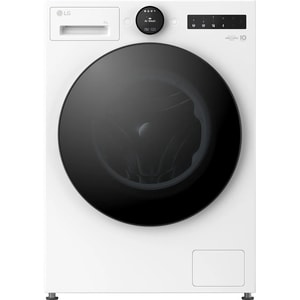
White • Wash Capacity: 9 kg • Maximum Spin Speed: 1400 rpm
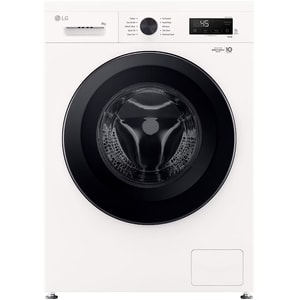
White • Wash Capacity: 8 kg • Maximum Spin Speed: 1400 rpm
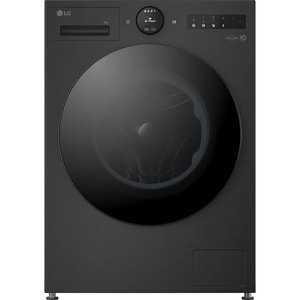
Matte Black • Wash Capacity: 9 kg • Maximum Spin Speed: 1400 rpm
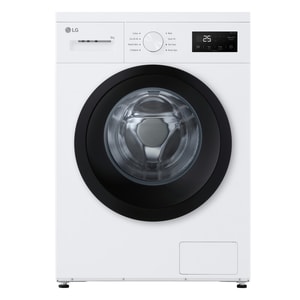
Colour: White • Wash Capacity: 8 kg • Maximum Spin Speed: 1400 rpm
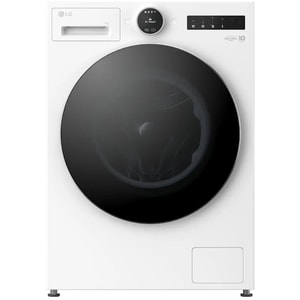
White • Wash Capacity: 9 kg • Maximum Spin Speed: 1400 rpm
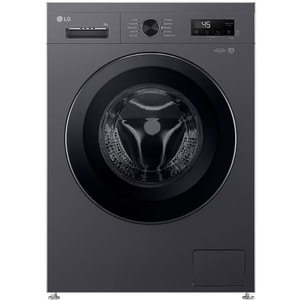
Grey • Wash Capacity: 8 kg • Maximum Spin Speed: 1400 rpm
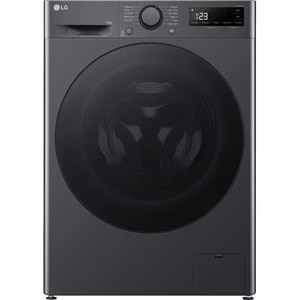
Colour: Grey • Wash Capacity: 13 kg • Maximum Spin Speed: 1400 rpm
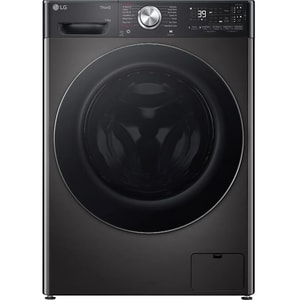
Colour: Black • Wash Capacity: 13 kg • Maximum Spin Speed: 1400 rpm
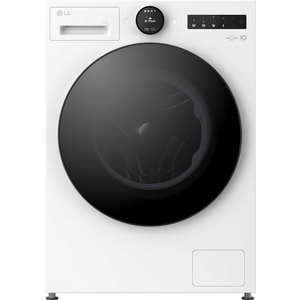
Colour: White • Wash Capacity: 11 kg • Maximum Spin Speed: 1400 rpm
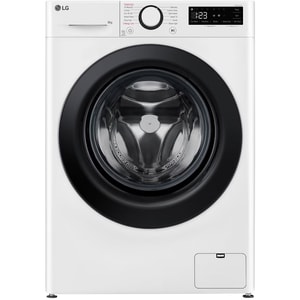
Colour: White • Wash Capacity: 8 kg • Maximum Spin Speed: 1200 rpm
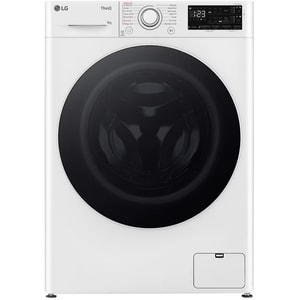
Colour: White • Wash Capacity: 9 kg • Maximum Spin Speed: 1400 rpm
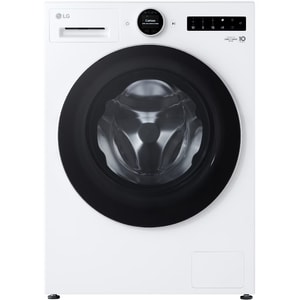
Colour: White • Wash Capacity: 11 kg • Maximum Spin Speed: 1400 rpm
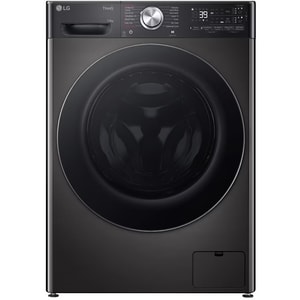
Colour: Platinum Black • Wash Capacity: 9 kg • Maximum Spin Speed: 1200 rpm
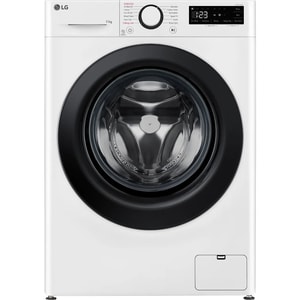
Colour: White • Wash Capacity: 11 kg • Maximum Spin Speed: 1400 rpm
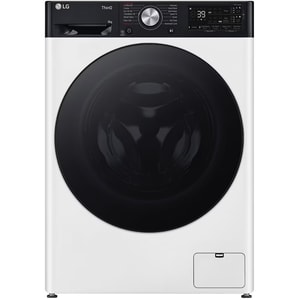
Colour: White • Wash Capacity: 9 kg • Maximum Spin Speed: 1400 rpm
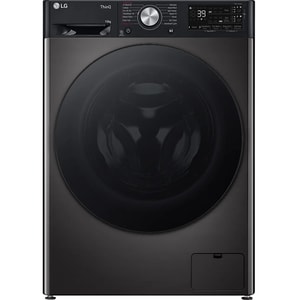
Colour: Black • Wash Capacity: 10 kg • Maximum Spin Speed: 1400 rpm
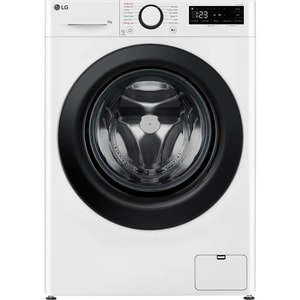
Colour: White • Wash Capacity: 9 kg • Maximum Spin Speed: 1200 rpm
Explore every brand and capacity — compare prices and deals — in all washing machine models.
Which LG washing machine actually suits your laundry routine?
The honest starting point is not the spec sheet, it is your week. How many wash loads run through the house, what size duvet ends up in the machine, and whether a tumble dryer or a washing line does the heavy lifting afterwards. Those three answers narrow the LG range fast. Read More...
Picking the right capacity without overbuying
Drum size is the single biggest decision in the LG range and the one most shoppers get slightly wrong in either direction. The honest rule is to match capacity to your busiest typical week, not your worst-case once-a-year duvet wash, because oversized drums cost more upfront and run less efficiently when they're half-full. Use the three brackets below as a starting point, then size up one tier if a tumble dryer is shared with the wash load or bedding goes through weekly.
Couples, flatshares and small households
An 8 kg LG drum is plenty for one or two adults and copes with a double duvet at a push. It costs less to buy and less to run a half-full cycle, and it slots into a standard 60 cm gap without the deeper cabinet some bigger drums need.
Families of three to five
Nine kilos is the workhorse of the LG range and the size most UK households end up choosing. It swallows a king-size duvet, a week of school uniform and bedding without a second cycle, and the price gap over 8 kg is usually small enough to be worth it for the headroom.
Bigger families and frequent bedding washes
Ten, 11 and 13 kg LG drums are built for households doing five-plus loads a week or anyone who would rather wash a duvet, towels and sheets in one go. The width stays at 60 cm, but depth can creep past 60 cm too, so measure the alcove front to back before committing.
Why 1400 rpm earns its keep over 1200 rpm
Spin speed is about what happens after the wash, not during it. A 1400 rpm spin pulls noticeably more water out of the load, which shortens tumble-dry time and lowers the energy bill on the dryer side. If you line-dry, 1200 rpm is fine and runs a touch quieter at the end of the cycle. If a dryer does the work, 1400 rpm pays for itself within a year on a busy household.
Choosing a finish that suits the room, not just the badge
White is the cheapest in any given capacity and disappears next to existing white goods in a fitted kitchen. Black and matte black look sharper in a darker utility room and hide everyday marks better. Grey, slate grey and platinum black sit in between and tend to flatter stainless steel hobs, dark worktops and concrete-effect flooring. Pick on the room first, and the badge second.
What an A energy rating really tells you
Every LG in the current line-up carries an A rating under the post-2021 UK label, which is the top tier and a meaningful step on from older A+++ machines. The catch is that real running cost still hangs on cycle choice. Eco 40-60 is the cheapest programme to run, quick-wash cycles draw more power per kilo of laundry, and a half-empty drum on a hot wash is the most expensive way to use any washer.
Where it's worth stepping up a price tier
Inside the LG range, the price gap is mostly drum size, spin speed and finish. Programme breadth matters less than it used to because auto-sensing handles most loads. Worth paying more for: bigger capacity if you wash duvets at home, 1400 rpm if a dryer is part of the routine, and a darker finish if the kitchen calls for it. Worth skipping: programme counts above 14, which rarely get used.
Frequently Asked Questions
Nine kilos is enough for most families of three or four and handles a king-size duvet without strain. Step up to 10 or 11 kg if you wash bedding weekly, run a busy household with sports kit and towels, or want fewer, bigger loads to cut the weekly cycle count in half.
Every freestanding LG is built to a 60 cm width and around 85 cm tall, which slides under a standard UK worktop. Depth is the variable to watch: bigger-capacity drums can run past 60 cm front to back, and the door swing needs roughly 50 cm of clear space to open fully, so measure the alcove and the door arc before buying.
No. The current LG line-up is freestanding, designed to show its own front panel rather than take a fitted door. If a flush kitchen finish matters more than capacity choice, an integrated machine is the right format and is a separate buying decision.
LG inverter motors are among the quieter mainstream options on the wash cycle, often comfortable enough to run in the evening. The 1400 rpm spin is the loud bit and is audible through a wall on a wooden floor. Removing the transit bolts properly and levelling the feet on a solid surface makes a bigger difference than the headline decibel figure.
Eight to twelve years is realistic for a well-used LG that sees full loads, descaler a few times a year, and the door seal wiped dry between washes. The motor is usually the longest-lived part and is often covered by a longer manufacturer guarantee than the rest of the machine, which is worth checking on the spec sheet of any model on the shortlist.
No, because LG cycles cap delicates and wool at lower spin speeds automatically. The damage risk only appears if you override the default spin on a delicates programme, which most shoppers never do. Knitwear, silks and anything labelled hand-wash should run on the dedicated cycle, not a manually slowed cotton wash.
Under the current UK label, A is the top efficiency band and the most accurate signal that water and power use have been kept tight. On a typical UK tariff, an A-rated 9 kg LG run on Eco 40-60 with a full load lands well under 20p a wash, with quick and hot cycles costing more and half-empty loads costing the most per item.
White is the cheapest in most capacities and the safest match for fitted kitchens with white goods. Black and matte black hide fingerprints and limescale streaks better and look more deliberate in a dark utility room. Grey and slate grey are the middle ground, and platinum black is the closest to a stainless-steel feel without the cleaning.
Yes, in southern and eastern England especially. Limescale builds up on the heater and around the drum spider, which costs efficiency before it costs reliability. Running a monthly maintenance wash at 90 degrees with a descaler tablet, or fitting an in-line water softener, adds years to any washing machine in a hard-water area, LG included.