
Beko Tumble Dryers
Beko tumble dryers cover the practical middle ground for UK homes: heat pump models that sip electricity, condenser models that fit anywhere with a plug, and integrated options for fitted kitchens. Capacities span singles through to family-sized loads, with sensor drying on almost every model.
- Relevance
- Price: Low - High
- Price: High - Low
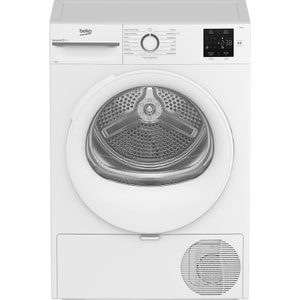
Heat Pump • Drying Capacity: 10 kg • Energy rating: A++
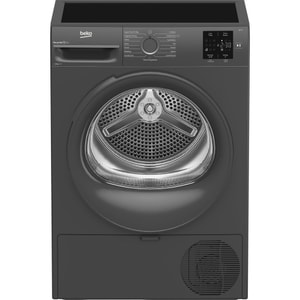
Heat Pump • Drying Capacity: 10 kg • Energy rating: A++
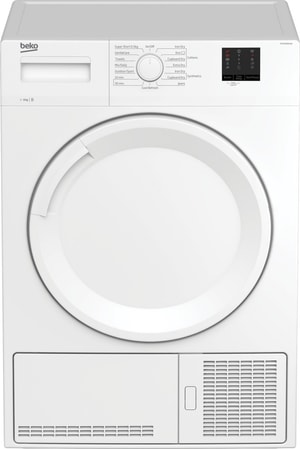
Type: Condenser • Drying Capacity: 9 kg • Energy Efficiency Class: B
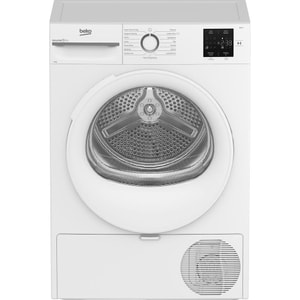
Type: Heat Pump • Drying Capacity: 8 kg • Energy Efficiency Class: A+
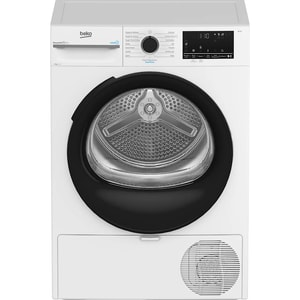
Type: Heat Pump • Drying Capacity: 8 kg • Energy Efficiency Class: A++
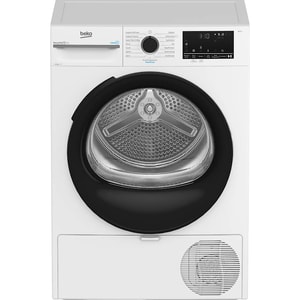
Type: Heat Pump • Drying Capacity: 12 kg • Energy Efficiency Class: A++
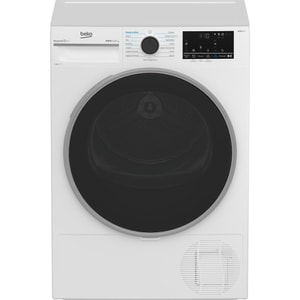
Type: Heat Pump • Drying Capacity: 8 kg • Energy Efficiency Class: A++
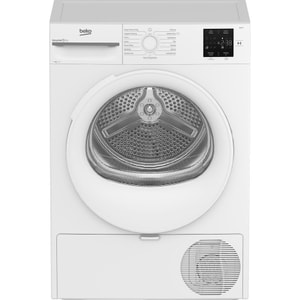
Type: Heat Pump • Drying Capacity: 7 kg • Energy Efficiency Class: A+
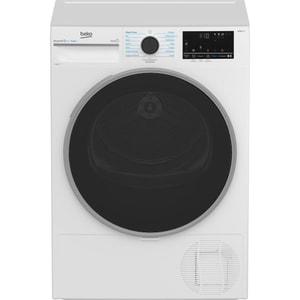
Type: Heat Pump • Drying Capacity: 8 kg • Energy Efficiency Class: A++
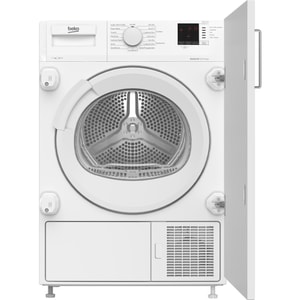
Type: Heat Pump • Drying Capacity: 8 kg • Energy Efficiency Class: A++
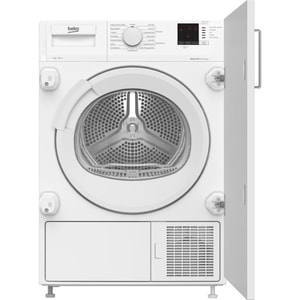
Type: Heat Pump • Drying Capacity: 7 kg • Energy Efficiency Class: A++
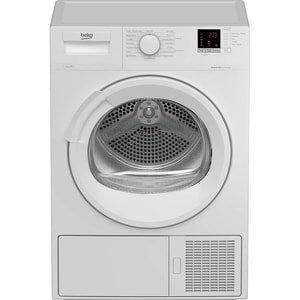
Type: Heat Pump • Drying Capacity: 7 kg • Energy Efficiency Class: A+
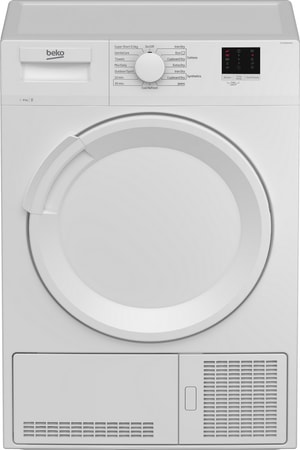
Type: Condenser • Drying Capacity: 8 kg • Energy Efficiency Class: B
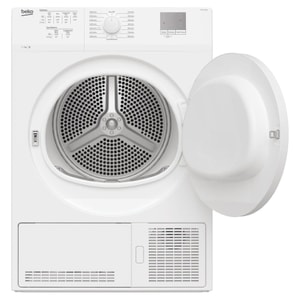
Type: Condenser • Drying Capacity: 7 kg • Energy Efficiency Class: B
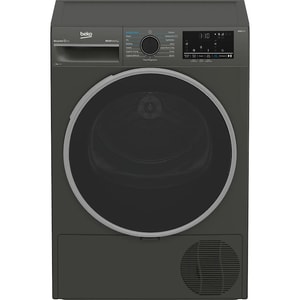
Type: Heat Pump • Drying Capacity: 9 kg • Energy Efficiency Class: A++
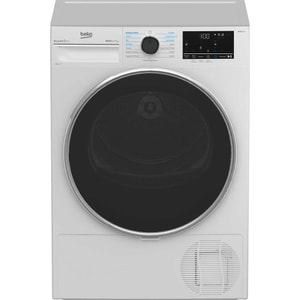
Type: Heat Pump • Drying Capacity: 9 kg • Energy Efficiency Class: A++
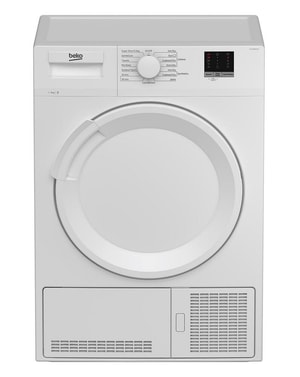
Type: Condenser • Drying Capacity: 8 kg • Energy Efficiency Class: B
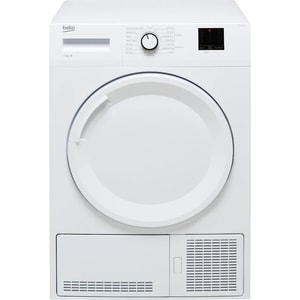
Type: Condenser • Drying Capacity: 10 kg • Energy Efficiency Class: B
Heat pump or condenser, which Beko suits you?
Both types collect moisture in a tank or drain it through a hose, so neither needs a wall vent. The split comes down to running cost and cycle time. A beko heat pump tumble dryer recycles warm air at lower temperatures, which is gentler on fabrics and noticeably cheaper to run over a year of laundry. Cycles take longer in exchange. A beko condenser dryer heats more aggressively and finishes sooner, with a lower up-front price but higher energy use per load. If the dryer runs several times a week, the heat pump pays back. If it runs occasionally or you want the cheapest entry point, condenser makes sense. Read More...
What capacity actually fits your laundry?
Capacity should match a typical wash, not the biggest one you can imagine. A beko tumble dryer 7kg suits one or two people and small flats. A beko condenser dryer 8kg is the everyday workhorse for couples and small families, handling a full wash plus towels. A beko 9kg tumble dryer gives headroom for bedding and family loads without cramming the drum. A beko 10kg condenser dryer or 12 kg heat pump model earns its footprint in larger households or homes that wash duvets and heavy bedding regularly. Underloading wastes energy; overloading creases everything and confuses the sensor.
Freestanding or integrated, and where will it actually live?
Freestanding is the default and gives the widest choice across capacities and price points. A beko integrated tumble dryer hides behind a cupboard door for fitted kitchens and utilities; check the door height, hinge side and ventilation gaps before committing. Anthracite finishes are useful if the dryer sits next to darker units or a graphite washer. Heat pump and condenser models still need air circulation around the back and sides, so a sealed cupboard without grilles is a no.
Features that earn their keep
Sensor drying is the one to insist on. The dryer stops at iron, cupboard or extra-dry rather than running on a timer, which protects fabrics and trims energy use. Reverse tumble alternates drum direction so sheets and duvet covers don't rope into a knot. A drain hose connection lets you skip emptying the water tank if there's a standpipe nearby. Crease-care tumbles at the end of a cycle if you can't unload straight away. Look for an A++ energy rating on heat pump models for the lowest running costs, and confirm noise figures if the dryer sits near living space.
Frequently Asked Questions
Heat pump models are sensitive to ambient temperature. Most are rated for roughly 5 to 35 degrees Celsius, with best results around 15 to 25. A cold garage in winter can extend cycle times or trigger error codes. Check the manual for the model's minimum operating temperature, and consider a condenser if the room regularly drops near freezing.
Heat pump dryers typically use around half the electricity of a condenser dryer per cycle. Over a household running three to five loads a week, that adds up to a meaningful annual saving. The trade-off is a higher purchase price and longer cycle times, often 2 to 3 hours for a full load.
Almost, but not quite. Integrated models need a specific aperture height, ventilation cutouts and a hinge that matches the cupboard door. The door panel weight matters too. Measure the opening, check the model's installation diagram and confirm the hinge side before ordering.
Yes, always. Stacking without a proper kit is unsafe; vibration will walk the dryer off the washer over time. Beko sells matched stacking kits, and you should confirm the kit fits both the washer and dryer dimensions. Also check the door swing clears any nearby walls.
The fluff filter at the door wants emptying every cycle. Heat pump models also have a secondary filter or condenser unit lower down that needs rinsing roughly once a month, depending on use. Skipping this is the single biggest cause of poor drying and longer cycles.
Sensors measure moisture in the drum and stop the cycle when clothes hit your chosen dryness setting. That means cottons aren't baked dry on a 90-minute timer when they were ready at 60. It saves energy, reduces shrinkage and stops over-drying ruining elastic and synthetics.
For light or occasional use, yes. The lower purchase price offsets higher per-cycle running costs if the dryer only runs once or twice a week. For daily family laundry, a higher-rated heat pump model nearly always works out cheaper across its lifetime even at the higher up-front cost.
It can, and often should. Many shoppers run an 8 kg washer with a 9 or 10 kg dryer because dry capacity refers to dry weight, while wash capacity refers to dry weight loaded for washing. The dryer needs more drum room for the clothes to tumble freely once damp and expanded.