
Condenser Tumble Dryers
Condenser tumble dryers collect moisture in a tank or drain it through a hose, so they don't need an external vent. That makes them a flexible fit for flats, kitchens without an outside wall, or anywhere routing a vent isn't practical. Compare live UK prices side by side before you commit.
- Relevance
- Price: Low - High
- Price: High - Low
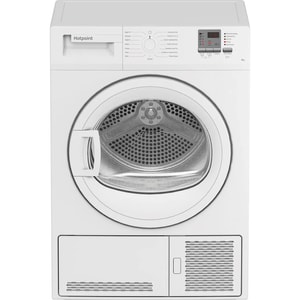
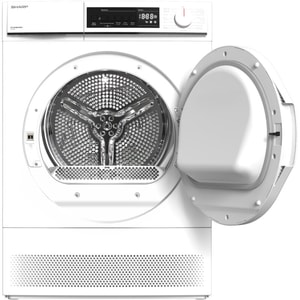
Type: Condenser • Drying Capacity: 8 kg • Energy Efficiency Class: B
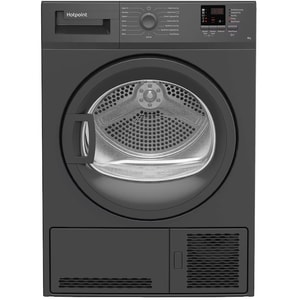
Condenser • Drying Capacity: 8 kg • Energy rating: B
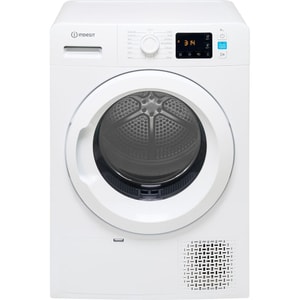
Condenser • Drying Capacity: 9 kg • Energy rating: A++
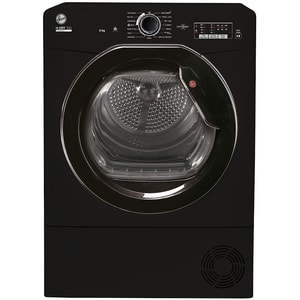
Condenser • Drying Capacity: 8 kg • Energy rating: B
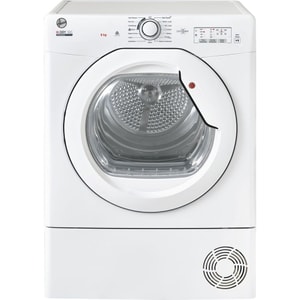
Condenser • Drying Capacity: 8 kg • Energy rating: B
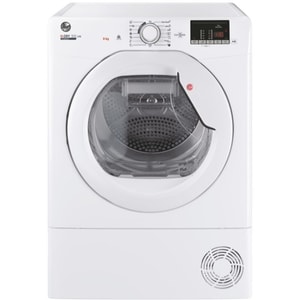
Type: Condenser • Drying Capacity: 8 kg • Energy Efficiency Class: B
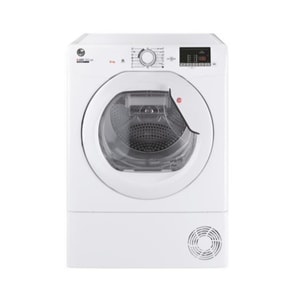
Type: Condenser • Drying Capacity: 10 kg • Energy Efficiency Class: B
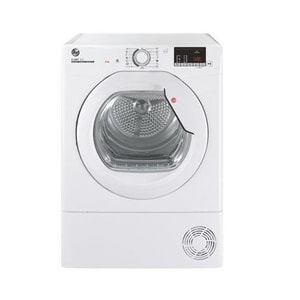
Type: Condenser • Drying Capacity: 8 kg • Energy Efficiency Class: B
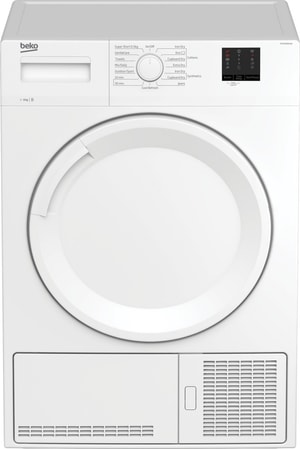
Type: Condenser • Drying Capacity: 9 kg • Energy Efficiency Class: B
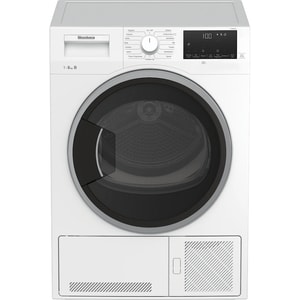
Type: Condenser • Drying Capacity: 8 kg • Energy Efficiency Class: B
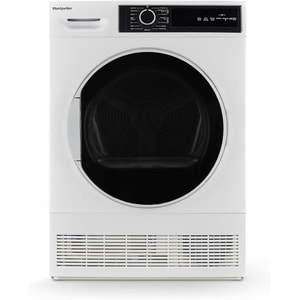
Condenser • Drying Capacity: 8 kg • Energy rating: B
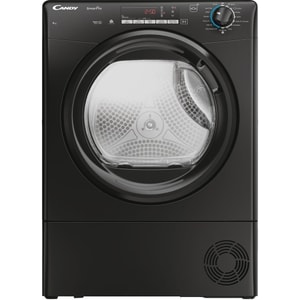
Condenser • Drying Capacity: 9 kg • Energy rating: B
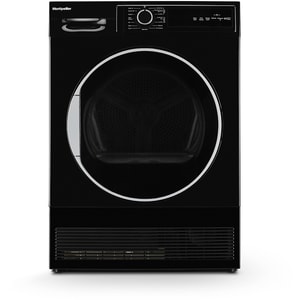
Condenser • Drying Capacity: 8 kg • Energy rating: B
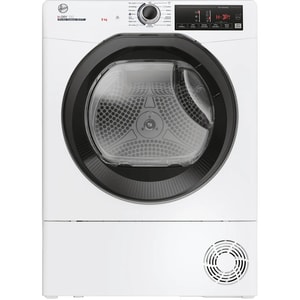
Type: Condenser • Drying Capacity: 9 kg • Energy Efficiency Class: B
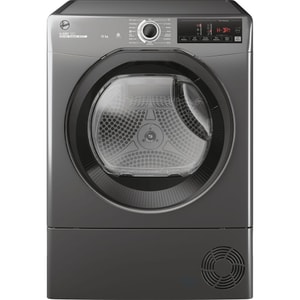
Type: Condenser • Drying Capacity: 10 kg • Energy Efficiency Class: B
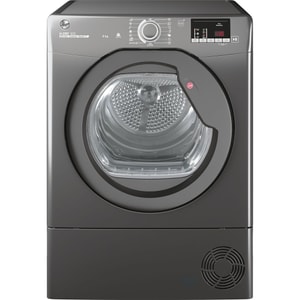
Type: Condenser • Drying Capacity: 9 kg • Energy Efficiency Class: B
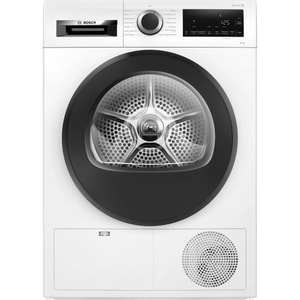
Type: Condenser • Drying Capacity: 8 kg • Energy Efficiency Class: B
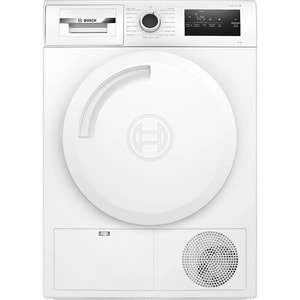
Type: Condenser • Drying Capacity: 8 kg • Energy Efficiency Class: B
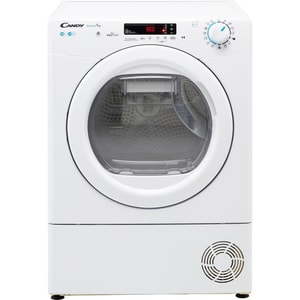
Type: Condenser • Drying Capacity: 10 kg • Energy Efficiency Class: B
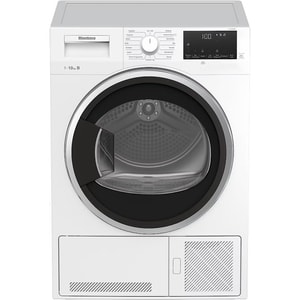
Type: Condenser • Drying Capacity: 10 kg • Energy Efficiency Class: B
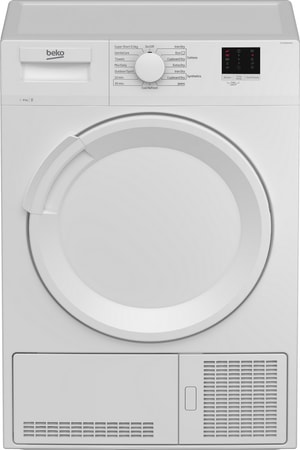
Type: Condenser • Drying Capacity: 8 kg • Energy Efficiency Class: B
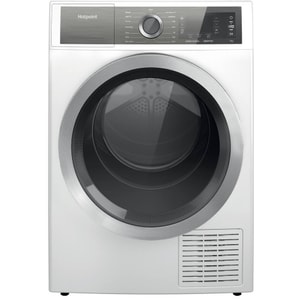
Type: Condenser • Drying Capacity: 9 kg • Energy Efficiency Class: A+++
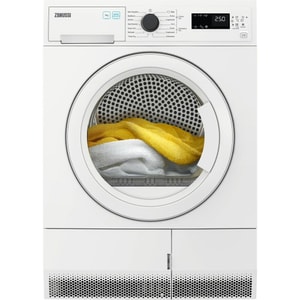
Type: Condenser • Drying Capacity: 7 kg • Energy Efficiency Class: B
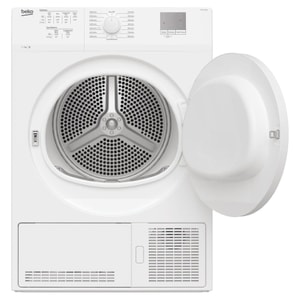
Type: Condenser • Drying Capacity: 7 kg • Energy Efficiency Class: B
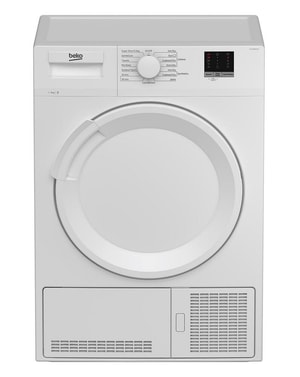
Type: Condenser • Drying Capacity: 8 kg • Energy Efficiency Class: B
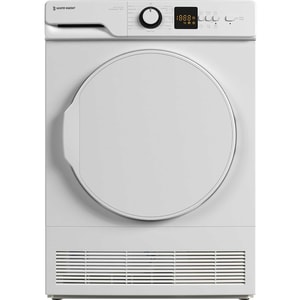
Type: Condenser • Drying Capacity: 8 kg • Energy Efficiency Class: B
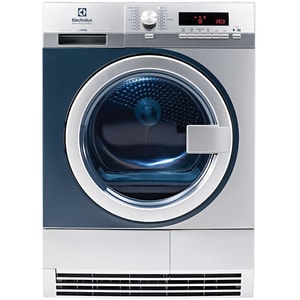
Type: Condenser • Drying Capacity: 8 kg • Energy Efficiency Class: B
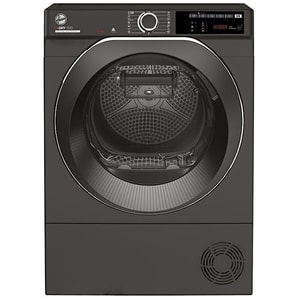
Type: Condenser • Drying Capacity: 10 kg • Energy Efficiency Class: A++
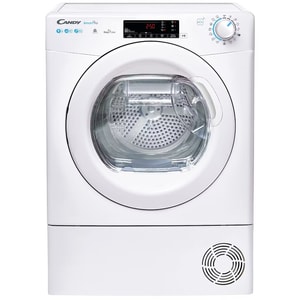
Type: Condenser • Drying Capacity: 9 kg • Energy Efficiency Class: A++
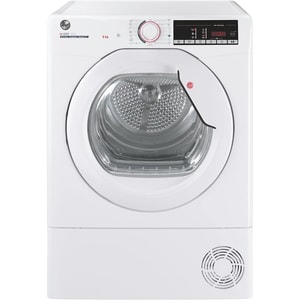
Type: Condenser • Drying Capacity: 8 kg • Energy Efficiency Class: B
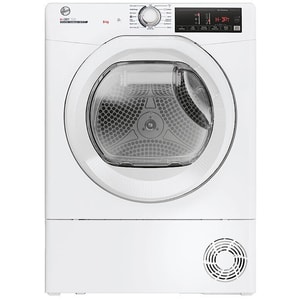
Type: Condenser • Drying Capacity: 9 kg • Energy Efficiency Class: B
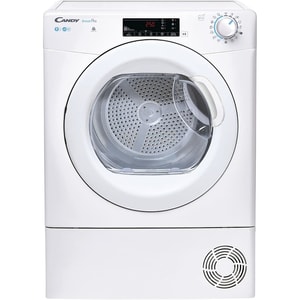
Type: Condenser • Drying Capacity: 9 kg • Energy Efficiency Class: B
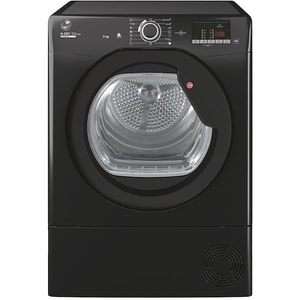
Type: Condenser • Drying Capacity: 9 kg • Energy Efficiency Class: B
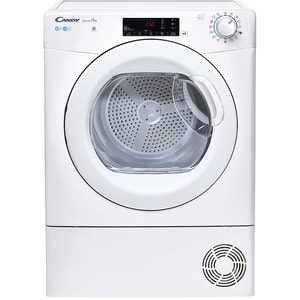
Type: Condenser • Drying Capacity: 10 kg • Energy Efficiency Class: B
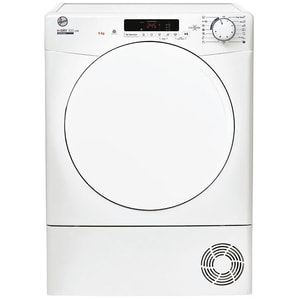
Type: Condenser • Drying Capacity: 9 kg • Energy Efficiency Class: B
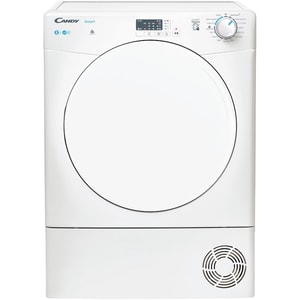
Type: Condenser • Drying Capacity: 8 kg • Energy Efficiency Class: B
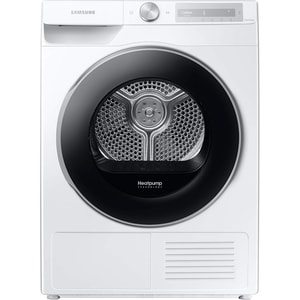
Type: Condenser • Drying Capacity: 9 kg • Energy Efficiency Class: A++
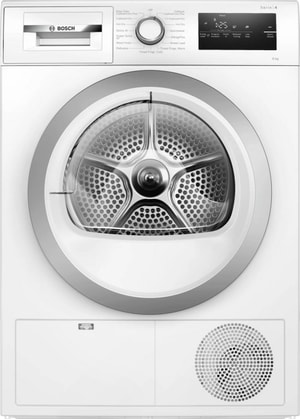
Type: Condenser • Drying Capacity: 8 kg • Energy Efficiency Class: B
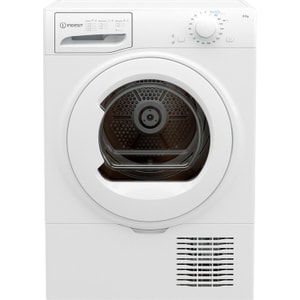
Type: Condenser • Drying Capacity: 8 kg • Energy Efficiency Class: B
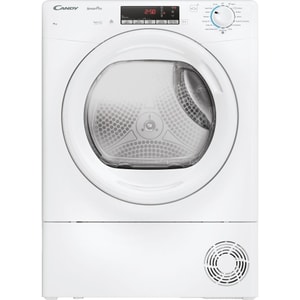
Condenser • Drying Capacity: 9 kg • Energy rating: B
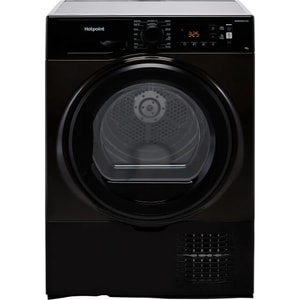
Condenser • Drying Capacity: 9 kg • Energy rating: B
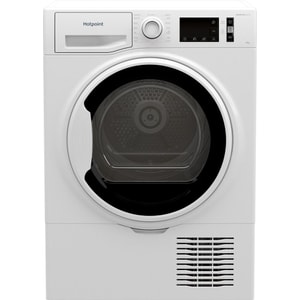
Condenser • Drying Capacity: 9 kg • Energy rating: B
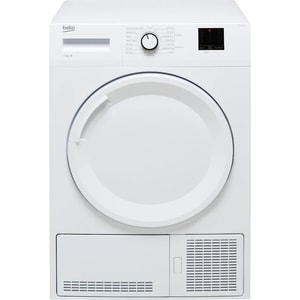
Type: Condenser • Drying Capacity: 10 kg • Energy Efficiency Class: B
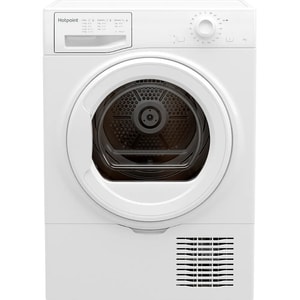
Type: Condenser • Drying Capacity: 8 kg • Energy Efficiency Class: B
How a condenser tumble dryer actually works
A condenser dryer pulls warm, damp air from the drum through a heat exchanger, where moisture condenses back into water. That water either collects in a removable tank you empty after each cycle, or drains directly through a hose connected to a waste pipe. No external vent needed, which is why condenser models suit homes where drilling a wall isn't an option. Read More...
What capacity matches your laundry load?
The bulk of UK condenser dryers land between 7kg and 10kg. A 7kg or 8kg dryer is plenty for one or two people and the occasional bedding wash. A 9kg model is the sweet spot for a family of three or four. Step up to 10kg if you regularly dry king-size duvets, bath sheets, or several days of laundry in one go. Going bigger than your real load wastes energy on every cycle.
Worth paying more for sensor drying?
Most current condenser dryers use moisture sensors to stop the cycle when clothes hit your chosen dryness level, instead of running on a fixed timer. It saves energy, protects fabrics from over-drying, and means fewer creases. If you're choosing between two models at a similar price, sensor drying is the easier yes.
Condenser, heat pump or vented: which makes sense?
Standard condenser dryers heat air with an electric element and run shorter cycles, but use more energy than heat pump alternatives. Heat pump condensers reuse warm air and tend to carry A++ or A+++ ratings, with longer cycle times and a higher upfront cost. Vented dryers are usually cheapest to buy but need a permanent hose to outside. If your kitchen can't take a vent and you do laundry most days, the energy savings on a heat pump model often pay back over time. If you dry a couple of loads a week, a B-rated condenser is usually the more sensible spend.
Brands worth knowing
Brands you'll typically see include Hoover, Beko, Hotpoint, Bosch, Candy, Indesit, Samsung, Blomberg, Montpellier, Sharp, Zanussi, Electrolux, and White Knight. Beko, Hoover, Candy and Indesit cluster at the affordable end. Bosch and Samsung sit in the mid-to-premium tier with quieter motors and stronger sensor programmes. Hotpoint covers both, with a wide spread of capacities. Blomberg and Montpellier are quieter names worth a look if reliability matters more than badge.
Colour and finish: more than cosmetic?
White is the default and the cheapest. Black, graphite, and anthracite finishes pair better with dark kitchens or utility rooms but usually carry a small premium. Finish doesn't affect performance, only how the dryer looks beside your washing machine.
Running costs and energy ratings
Most freestanding condenser dryers carry a B energy rating under the current scale. A++ and A+++ models use a heat pump system and can cost noticeably less to run, especially if you dry several loads a week. Look at the kWh per cycle figure, not just the letter, and weigh it against how often you'll actually use the machine. A quiet rating in the low 60s dB(A) is worth chasing if the dryer lives near a living space.
Frequently Asked Questions
Both are vent-free. A standard condenser dryer heats air with an element and dumps the heat after each cycle. A heat pump dryer recycles that warm air, runs at lower temperatures, and uses roughly half the energy, but cycles take longer and the upfront price is higher. If you dry frequently, the heat pump pays back. If you dry occasionally, a B-rated condenser is usually the better buy.
No, not by default. Water collects in a tank you slide out and empty after each cycle. If you'd rather not empty it manually, most models accept an optional drain hose that runs to a waste pipe or sink standpipe, the same connection a washing machine uses.
Empty the lint filter every cycle. The condenser heat exchanger itself usually needs rinsing under the tap every few months, depending on how often you use the dryer. Some models are self-cleaning and flush the unit automatically using condensed water. Skipping this is the most common reason a dryer's drying time creeps up.
It shouldn't. The whole point of the design is that moisture is captured rather than released as steam. The room will warm up slightly during a cycle, and a small amount of warm air comes out of the back, so good airflow around the machine helps. A garage or unheated outbuilding can struggle in winter, since some condenser dryers have a minimum operating temperature.
A 9kg drum is the standard answer for a family of four and handles bedding, towels, and a typical week's clothing without splitting loads. If you do laundry less often or wash king-size duvets at home, 10kg gives more headroom. For couples or single-person households, 7kg or 8kg is usually plenty.
Yes, in most cases. Sensor drying ends the cycle when clothes are dry rather than when a timer runs out, so you stop paying to dry already-dry laundry. It also cuts down on shrinkage and creasing. Timer-only dryers are still around at the cheapest end but the energy savings on a sensor model usually justify the extra outlay quickly.
It can, but check the manufacturer's minimum operating temperature, often around 5°C. Below that, the machine may refuse to start or take longer to dry. Heat pump models tend to be more sensitive to cold than standard condensers. Damp, unheated garages can also stress the electronics over time.
Ratings now run on a stricter scale, so most standard condenser dryers sit at B. A++ and A+++ models are almost always heat pump dryers. The kWh per cycle figure on the label is the practical number to compare; multiply by your tariff and your weekly cycles to get a real-world cost.