
Hotpoint Tumble Dryers
Hotpoint tumble dryers cover the practical core of UK laundry: heat pump models for low running costs, condenser models for placement flexibility, and a small vented option for quick drying. Capacities run from compact through to family-sized, with sensor drying on most models and a choice of finishes.
- Relevance
- Price: Low - High
- Price: High - Low
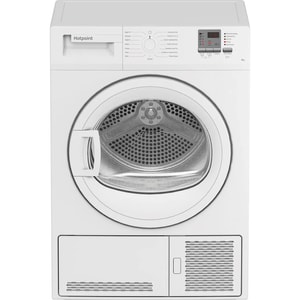
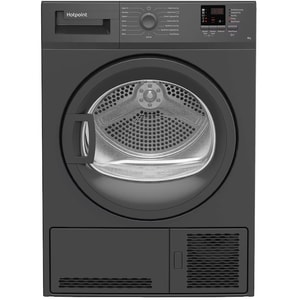
Condenser • Drying Capacity: 8 kg • Energy rating: B
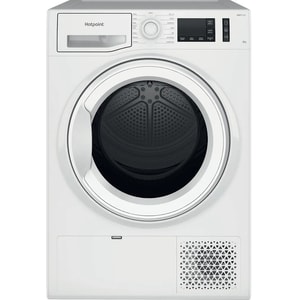
Heat Pump • Drying Capacity: 8 kg • Energy rating: A++
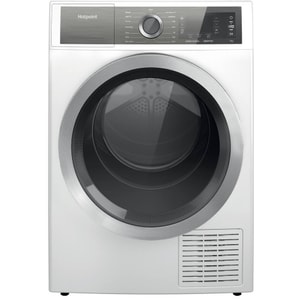
Type: Condenser • Drying Capacity: 9 kg • Energy Efficiency Class: A+++
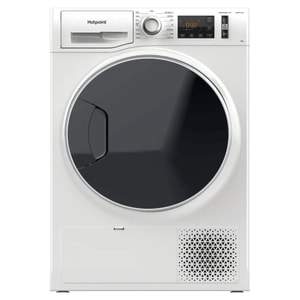
Type: Heat Pump • Drying Capacity: 9 kg • Energy Efficiency Class: A+++
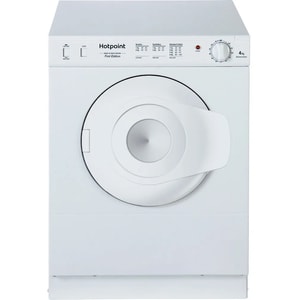
Type: Vented • Drying Capacity: 4 kg • Energy Efficiency Class: C
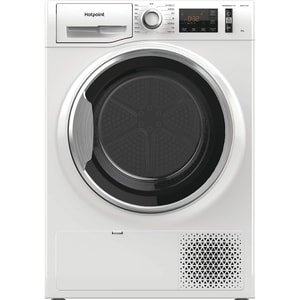
Type: Heat Pump • Drying Capacity: 8 kg • Energy Efficiency Class: A+++
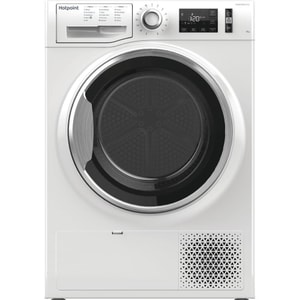
Type: Heat Pump • Drying Capacity: 9 kg • Energy Efficiency Class: A++
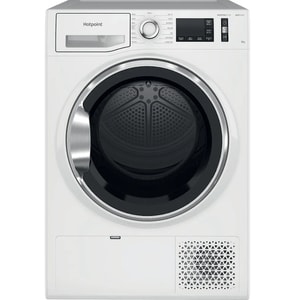
Type: Heat Pump • Drying Capacity: 8 kg • Energy Efficiency Class: A++
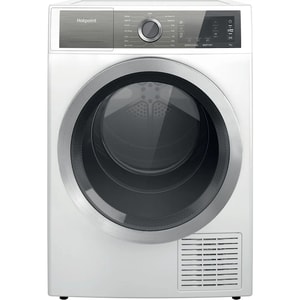
Type: Heat Pump • Drying Capacity: 9 kg • Energy Efficiency Class: A++
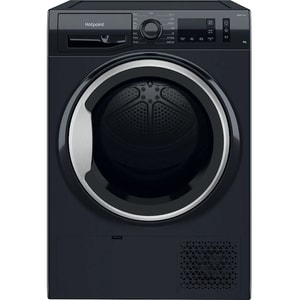
Heat Pump • Drying Capacity: 8 kg • Energy rating: A++
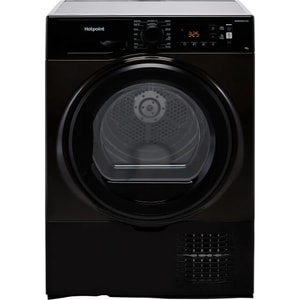
Condenser • Drying Capacity: 9 kg • Energy rating: B
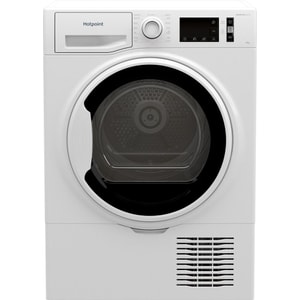
Condenser • Drying Capacity: 9 kg • Energy rating: B
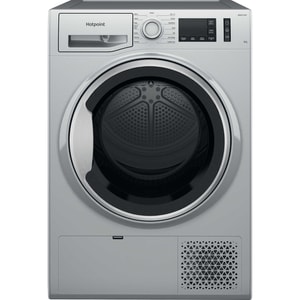
Heat Pump • Drying Capacity: 8 kg • Energy rating: A++
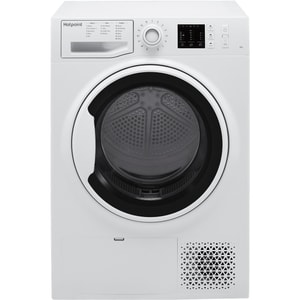
Type: Heat Pump • Drying Capacity: 8 kg • Energy Efficiency Class: A+
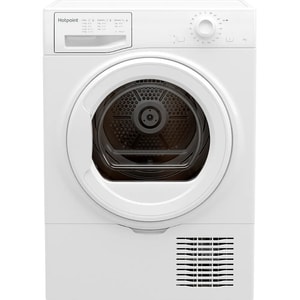
Type: Condenser • Drying Capacity: 8 kg • Energy Efficiency Class: B
Heat pump, condenser or vented, which Hotpoint suits you?
The three types do the same job in different ways. A hotpoint heat pump tumble dryer recycles warm air at lower temperatures, which is gentler on fabrics and noticeably cheaper to run over a year. Cycles take longer in exchange. A hotpoint condenser dryer heats more aggressively and finishes sooner, with a lower up-front price but higher energy use per load. A hotpoint vented tumble dryer is the fastest and cheapest to run if you already have a wall vent or can route a hose to a window, but it needs that exhaust path. Heat pump pays back for daily family laundry. Condenser is the flexible default. Vented makes sense when the install is sorted and speed matters. Read More...
What capacity actually fits your laundry?
Capacity should match a typical wash, not the biggest one you can imagine. A hotpoint 4kg tumble dryer suits a single person or top-up loads in a flat where space is tight. A hotpoint 8kg tumble dryer is the everyday workhorse for couples and small families, handling a full wash plus towels. A hotpoint 9kg tumble dryer earns its footprint in households that wash bedding regularly or run laundry several times a week. Underloading wastes energy and runs the sensor on too little signal; overloading creases everything and stretches cycle times.
Does the colour matter beyond looks?
Most utility-room dryers are white and that suits the majority of installs. A black hotpoint tumble dryer or hotpoint graphite tumble dryer pairs well with darker units and integrated kitchen runs where a stark white box would jar. A hotpoint silver tumble dryer sits between the two, useful next to stainless appliances. The finish doesn't change performance, but it does change whether the appliance disappears or dominates the room.
Features that earn their keep
Sensor drying is the one to insist on, and almost every Hotpoint heat pump and condenser model includes it. The dryer stops at iron, cupboard or extra-dry rather than running on a timer, which protects fabrics and trims energy use. Hotpoint's ActiveCare programme uses lower temperatures and steam pulses to lift creases on synthetics, which means less ironing on shirts and bedding. Look for an A++ or A+++ rating on heat pump models for the lowest running costs. Crease-care tumbles at the end of a cycle if you can't unload straight away. A drain hose connection lets you skip emptying the water tank if there's a standpipe nearby.
Frequently Asked Questions
Heat pump models are sensitive to ambient temperature. Most are rated for roughly 5 to 35 degrees Celsius, with best results around 15 to 25. A cold garage in winter can extend cycle times or trigger error codes. Check the manual for the model's minimum operating temperature, and consider a condenser if the room regularly drops near freezing.
If the install supports it, yes. Vented dryers are the cheapest to buy and the quickest to finish a load, and running costs sit between heat pump and condenser depending on use. The catch is the hose: it needs a clear, short route to outside air, ideally through a wall vent rather than a window seal. If you don't have that route, condenser or heat pump removes the constraint.
ActiveCare is Hotpoint's lower-temperature, longer-cycle approach to delicate and synthetic loads. Pulses of steam at controlled heat help lift creases and reduce shrinkage on shirts, blouses and synthetics. In practice it means less ironing afterwards and a lower risk of damaging modern fabrics that don't tolerate aggressive heat.
Heat pump dryers typically use around half the electricity of a condenser dryer per cycle. Over a household running three to five loads a week, that adds up to a meaningful annual saving. The trade-off is a higher purchase price and longer cycle times, often 2 to 3 hours for a full load.
Yes, always. Stacking without a proper kit is unsafe; vibration will walk the dryer off the washer over time. Hotpoint sells matched stacking kits, and you should confirm the kit fits both the washer and dryer dimensions. Also check the door swing clears any nearby walls.
The fluff filter at the door wants emptying every cycle. Heat pump models have a secondary filter or condenser unit lower down that needs rinsing roughly once a month, depending on use. Skipping this is the single biggest cause of poor drying and longer cycles.
Sensors measure moisture in the drum and stop the cycle when clothes hit your chosen dryness setting. That means cottons aren't baked dry on a 90-minute timer when they were ready at 60. It saves energy, reduces shrinkage and stops over-drying ruining elastic and synthetics.
It can, and often should. Many shoppers run a 7 or 8 kg washer with a 9 kg dryer because dryer capacity refers to dry weight after washing, while washer capacity refers to dry weight loaded in. The dryer needs more drum room for clothes to tumble freely once damp and expanded.