
Nursery Furniture & Furnishings
Set up a calm, safe sleep space with nursery furniture and furnishings, from cots and cot beds to cot and cot bed mattresses. Compare prices on essentials like sleeping bags, swaddles, blankets, night lights and baby monitors, so you do not overpay for the same product.
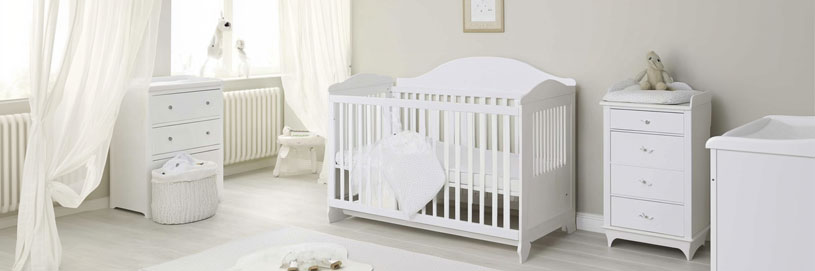
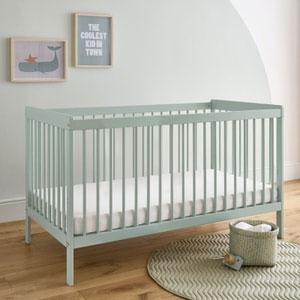
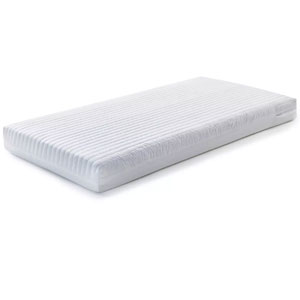
Nursery furniture and furnishings: build a safe, practical sleep space
A nursery feels “finished” when the sleep setup is right. In practice, that comes down to choosing the right cot style for your room, then matching the mattress correctly so it supports safer sleep and everyday routines. This guide focuses on the two essentials you can shop here: Cots & Cot Beds and Cot & Cot Bed Mattresses. Read More...
Plan the space first: measurements, access, and what you will do at 2am
Before you compare styles, measure the usable floor area and think about access around the cot. You want enough clearance to lower your baby in safely, change sheets without wrestling the frame, and adjust the base height as your baby grows. It also helps to plan where you will stand for night feeds and checks, because cramped layouts make simple tasks harder. Keep the sleep area clear and uncluttered so you are not reaching over soft items or cables.
Cots & Cot Beds: cot, cot bed, and mini cot bed, what suits your room
Most buyers choose between three practical formats:
- A cot is a straightforward option from birth through the early years, and it suits rooms where you want a compact footprint.
- A cot bed is designed to last longer by converting into a toddler bed, which can be useful if you prefer a single purchase that grows with your child.
- A mini cot bed can work well in smaller rooms, nurseries used as multi-purpose spaces, or homes where you want a more compact sleeping area without compromising on stability.
You will also see style-led searches such as “scandi cot bed” and “white cot bed”. These are fine to consider once the fundamentals are right: fit, build quality, and the correct mattress size.
Safety checks that matter: standards, assembly, and adjustable base height
If you are buying new, look for a cot that meets BS EN 716, which is the British safety standard referenced in NHS guidance. The marking is typically on the cot or in the instructions. A clear instruction set and complete fixings matter, because safe use depends on correct assembly. Adjustable base heights are also practical: a higher base can make early months easier, then a lower setting becomes important as your baby becomes more mobile.
Cot & Cot Bed Mattresses: start with size, especially 120 x 60 and 140 x 70
Mattress size should be chosen to match the cot’s required dimensions, not guessed. Two common long-tail searches are 120 x 60 (a typical cot mattress size) and 140 x 70 (a typical cot bed mattress size). These measurements are widely referenced, but it is still important to check the cot’s specification, because some designs use non-standard sizing.
If you are buying a mini cot bed, confirm the exact mattress size required for that model, as mini formats vary more than standard cots and cot beds.
Mattress type and materials: foam, pocket sprung, and everyday cleaning
Once size is correct, choose a mattress type that fits your priorities. Searches like “foam cot mattress”, “pocket sprung cot bed mattress”, and “hypoallergenic cot bed mattress” often come down to feel, support, and how easy it is to keep clean.
- foam mattresses are often chosen for a lighter feel and straightforward handling when changing bedding.
- pocket sprung options are often chosen when buyers want a more structured feel, particularly in cot bed sizes used for longer.
Whatever the internal build, prioritise an easy-to-clean cover and practical maintenance. Removable covers that can be wiped down, or designs that work well with a separate protector, make day-to-day life easier.
Safer sleep basics: firm, flat, waterproof, and a snug fit with no gaps
The Lullaby Trust advises that the safest baby mattresses are firm, flat mattress surfaces protected by a waterproof cover. They also emphasise keeping the cot clear and choosing sleep surfaces that do not add soft, raised edges. A key practical check is fit: the mattress should be a snug fit with no gaps around the edges. If you can fit more than two fingers between mattress and cot side, it is worth rechecking size and fit before use.
Avoid propping, tilting, or adding extra padding that changes the sleeping surface. A simple, flat setup is the safest starting point.
Buying second-hand: what is reasonable, and where to be cautious
Second-hand nursery furniture can be sensible if the item is in good condition and has all parts and instructions. For cots, check for damage, missing fixings, and whether you can confirm the model’s compliance and safe assembly.
Mattresses deserve more caution. The Lullaby Trust advises checking that a baby’s mattress is in good condition with no tears, holes, or sagging. If you cannot confirm the condition and history, buying a new mattress that fits the cot correctly is usually the simpler, safer option.
Next steps after the nursery: planning for getting out and about
Once the sleep space is sorted, many families move on to travel essentials. Pushchairs & Travel is the next logical area to plan, because prams, pushchairs, and car seats need to fit your boot space, daily routes, and the way you will transport your baby safely.