
Cot & Cot Bed Mattresses
- Relevance
- Price: Low - High
- Price: High - Low
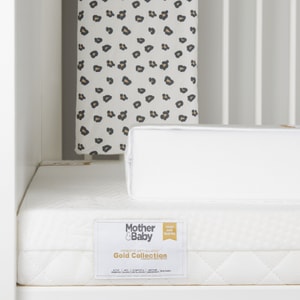
Mattress size: 140 x 70 cm • Mattress type: Foam • Mattress depth: 9 cm
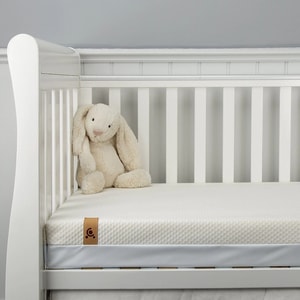
Mattress size: 140 x 70 cm • Mattress type: Foam • Mattress depth: 7 cm
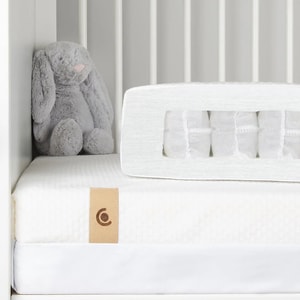
Mattress size: 140 x 70 cm • Mattress type: Pocket sprung • Mattress depth: 10 cm
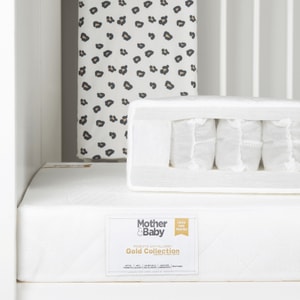
Mattress size: 120 x 60 cm • Mattress type: Pocket sprung • Mattress depth: 10 cm
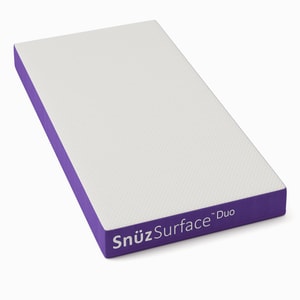
Mattress size: 140 x 70 cm • Mattress type: Pocket sprung • Mattress depth: 10 cm
Cot and cot bed mattresses: the sleep surface that must fit perfectly
A cot mattress is not an optional extra. It is the sleep surface your baby uses for hours every day, so the right choice is the one that supports safer sleep and is practical to keep clean. UK shoppers often search by size and type, including “cot mattress 120 x 60”, “cot bed mattress 140 x 70”, “firm cot mattress”, “cot bed pocket sprung mattress”, and “waterproof cot mattress protector”. The best match is the mattress that fits the cot frame exactly, stays firm and flat, and is protected properly. Read More...
This category sits within Nursery Furniture & Furnishings. If you are still choosing the frame, start with Cots & Cot Beds and then match the mattress to the cot’s required dimensions. If you are buying a second-hand cot, the NHS advises ideally buying a new mattress rather than reusing one with an unknown history.
Best for:
- A firm, flat sleep surface from the newborn stage onwards
- Cot beds used for longer, where easy cleaning matters
Size and fit: why 120 x 60 and 140 x 70 are only a starting point
Two common UK sizes are 120 x 60cm for many cots and 140 x 70cm for many cot beds, but do not assume. Use the cot manufacturer’s stated mattress size and match it exactly. A mattress that is too small can leave gaps at the edges. A mattress that is too large can bow or fail to sit flat.
Many cot manuals also specify how snug the fit should be. For example, some instructions state the gap between mattress and cot sides and ends should not exceed 30mm, while some brands advise a tighter maximum gap. The simplest practical check shared in safer sleep guidance is the “two fingers” rule: if you can fit two fingers between the mattress and the cot side, it is not fitting snugly.
It is also worth checking the cot’s maximum mattress thickness. Some cot instructions include a marked line showing the maximum thickness when the base is at the highest position. This matters because a mattress that is too thick can reduce the safe internal height of the cot as your baby grows.
Firm, flat, waterproof: the safest baseline
Safer sleep guidance in the UK is consistent on the fundamentals. The Lullaby Trust advises that the safest mattresses are firm, flat and protected by a waterproof cover, and that they should be completely flat with no raised or cushioned edges or sides. NHS safer sleep guidance also states that the mattress should be firm, flat and waterproof. The practical takeaway is to prioritise the surface and fit first, then decide between mattress types.
Treat “soft”, “cushy”, and heavily padded sides with caution. If a mattress has raised edges, extra cushioning, or does not lie flat in the cot, it is not aligned with the simplest safer sleep advice.
Choosing the build: foam, fibre, pocket sprung, and dual-sided designs
Once size and fit are correct, choose the internal build based on handling and long-term shape, not the most impressive product name.
Foam and fibre: straightforward handling for everyday changes
Foam cot mattresses are commonly chosen because they are lightweight, which helps when you are changing sheets in low light or lifting the mattress to clean the cot base. Fibre designs are also popular for a simple, uniform feel. For both, the key is that the mattress stays firm, lies flat, and does not develop dips or soft spots over time.
If you are comparing “anti-allergy” or “hypoallergenic” labels, treat them as secondary. Your primary checks are still fit, firmness, and whether the cover and protector setup keeps the mattress clean and dry.
Pocket sprung and dual-sided options: structure and longevity
Pocket sprung cot bed mattresses are often chosen for a more structured feel, particularly when a cot bed is used well into toddlerhood. Springs can help distribute weight evenly across the surface, but sprung does not automatically mean safer. The basics still win: firm, flat, correct size, snug fit.
Dual-sided mattresses can be convenient if they clearly mark a baby side and a toddler side. The benefit is practical: one mattress that adapts as your child grows. The surface still needs to stay firm and flat on the side you are using.
Covers, protectors, and cleaning: make safer sleep easier to maintain
Accidents and leaks happen. A cot mattress that is easy to protect and wipe down makes safer sleep simpler to maintain week after week.
Waterproof protection without bulky layers
The Lullaby Trust advises protecting the mattress with a waterproof cover. A thin, well-fitting protector helps keep the mattress clean and dry without changing the flatness of the sleep surface. In most homes, one waterproof layer and a fitted sheet is enough. Safer sleep guidance also stresses keeping the cot clear of loose or bulky bedding, so avoid adding toppers, quilts, or extra padding under the sheet.
Check zips, covers, and small parts
Mattresses with removable covers can be practical, but it is worth checking that zips and fastenings are secure and in good condition. Which? highlights the risk of small parts, such as damaged or loose zips, becoming a choking hazard.
Buying smart in the UK: standards, labels, and second-hand caution
Safety standards and labelling
BS EN 16890 sets safety requirements and test methods for mattresses for cots and cribs. Which? notes that its cot mattress safety tests replicate those in the current BS EN 16890 standard. Clear labelling and transparent manufacturer information are useful signals when choosing between similar products.
Second-hand mattresses: be stricter than you are with furniture
Second-hand cots can be sensible if they are complete and in good condition, but mattresses deserve more caution. The Lullaby Trust advises checking that a baby’s mattress is in good condition with no tears, holes, sagging, or water damage. If you cannot confirm a second-hand mattress’s condition and history, buying new is usually the simpler option.
If you are planning your wider setup, the broader Baby & Nursery category can help you keep the rest of your essentials aligned, from sleep space to getting out and about.